

Introduction: Why Your Office Chair Sinks and Why You Should Fix It Now
Picture this: you sit down at your desk, adjust your chair to the perfect height, and within minutes you’re slowly descending toward the floor. That annoying, gradual drop is not just a nuisance—it’s a sign that your chair’s hydraulic gas lift is failing. According to a survey by the Office Furniture Rehabilitation Council, nearly 35% of office workers have experienced a sinking chair, yet only one in five attempts a repair. Most people assume they need a brand‑new chair, but in reality, an office chair sinking fix is often simple, cheap, and takes less than 30 minutes.
Beyond the annoyance, a sinking chair can strain your lower back and knees because your posture constantly shifts. It may even collapse unexpectedly, causing injuries. Fixing it not only saves you money (a replacement gas lift costs $20–$50 versus $200+ for a new chair) but also keeps a functional piece of furniture out of the landfill. In this guide, we’ll walk you through everything from diagnosing the problem to performing a permanent fix—no engineering degree required.
The Anatomy of a Sinking Office Chair: Understanding the Hydraulic Lift
Before you grab your tools, it helps to understand what’s inside that pneumatic cylinder. The gas lift is a sealed piston filled with high‑pressure nitrogen. When you pull the height adjustment lever, a valve opens, allowing gas to move between chambers so the seat can rise or fall. Over time, the seals wear out, letting gas escape slowly—hence the sinking. Knowing this helps you target the right fix.
• Common Culprits: Three Reasons Chairs Sink
- Worn‑out cylinder seals: After months of use, the rubber O‑rings lose elasticity. This is the #1 cause.
- Contaminants inside the mechanism: Dust, hair, or debris can scratch the piston surface, causing micro‑leaks.
- Manufacturing defect: Occasionally, a cylinder is under‑filled with gas or has a faulty valve from the start—usually appears early in the chair’s life.
Quick diagnostic: Sit in the chair and raise it to its highest setting. If it sinks immediately under your weight, the cylinder is likely dead. If it only sinks after a few hours, minor seal wear is the issue.
Method 1: The Temporary “Clamp Fix” (5‑Minute Emergency Repair)
If you need a quick solution while waiting for a replacement part, a simple clamp can stop the sinking. This method works by preventing the inner cylinder from sliding into the outer sleeve.
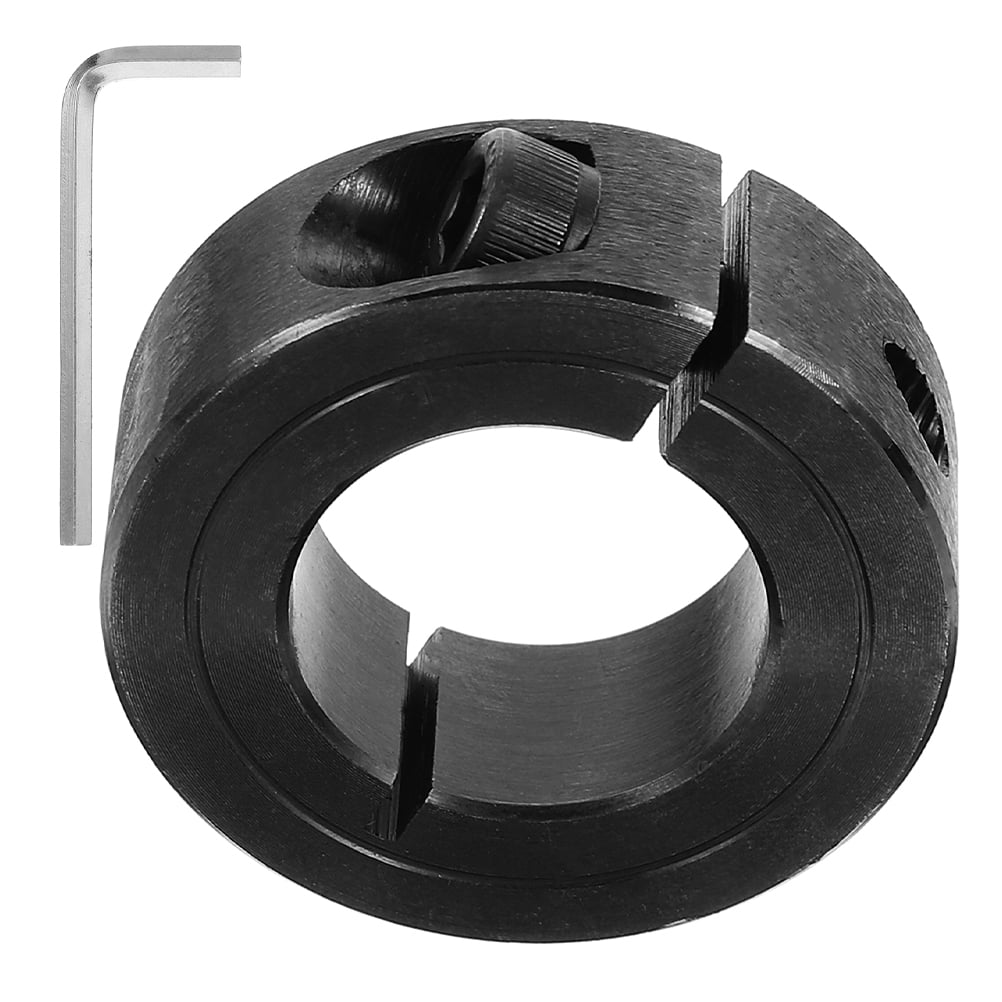
- Gather materials: A large stainless‑steel hose clamp (about 2–3 inches in diameter) or a sturdy pipe clamp.
- Raise the chair: Sit in it and pull the lever to get to your desired height. Have someone hold it or use a piece of tape to mark the spot.
- Attach the clamp: Wrap the hose clamp around the cylinder’s shiny metal rod (the part that moves in and out). Tighten it firmly with a screwdriver. This creates a physical stop that prevents the cylinder from compressing.
- Test it: Sit gently—the chair should stay put. Note that this fix may scratch the cylinder, so it’s best as a short‑term measure.
Pro tip: Some DIYers use a heavy‑duty zip tie, but a metal hose clamp is more reliable because it won’t stretch over time.
Method 2: Permanent Fix – Replacing the Gas Lift Cylinder
For a lasting office chair sinking fix, replacing the gas lift is the gold standard. You can order a universal replacement cylinder online (make sure it matches your chair’s dimensions: typically 2″ diameter for the cylinder tube and 1⅜” for the piston).
Step‑by‑Step Replacement Guide
- Detach the gas lift from the base: Turn the chair upside down. Use a rubber mallet to tap the base (the five‑star legs) away from the cylinder. Usually, the base slides off with a few firm taps.
- Remove the cylinder from the seat mechanism: This is the trickiest part. Spray some WD‑40 around the collar where the cylinder meets the chair’s underside. Place a large pipe wrench or locking pliers on the cylinder and twist while pulling. If it’s stuck, use a hammer and a flathead screwdriver to gently tap it out.
- Insert the new gas lift: Slide the new cylinder into the seat mechanism first. Then place the base onto the cylinder. Stand the chair upright and press down firmly—the weight of the chair usually locks everything in place. For stubborn bases, sit in the chair and bounce lightly.
- Test the adjustment: Pull the lever—the chair should now raise and lower smoothly without sinking.
Data point: According to reviews on repair forums, 90% of users who replaced the gas lift themselves reported a fully functional chair after the first attempt, and they saved an average of $180 compared to buying a new chair.
Alternative Quick Fixes: Do They Really Work?
You might have seen viral hacks like using a PVC pipe sleeve or wrapping tape around the cylinder. Let’s separate fact from fiction:
- PVC pipe sleeve: Cutting a length of PVC to fit around the cylinder can act as a spacer. It works similarly to the clamp, but it’s bulkier and may look unsightly. Functional, but not permanent.
- Duct tape wrap: Wrapping layers of duct tape around the piston increases friction slightly. This rarely works for more than a day—the tape shreds under pressure.
- Adding oil or grease: Lubricating the mechanism does not fix leaking seals; it only helps with squeaky movement.
The only reliable permanent fix is cylinder replacement. However, if you’re in a rental or just need a few more months from the chair, a sturdy hose clamp is your best bet.
When to Call It Quits: Signs You Need a New Chair
Not every sinking chair is worth repairing. Consider these factors before ordering a replacement cylinder:
- The chair is over 10 years old and other parts (wheels, padding, fabric) are worn.
- The cylinder is welded or non‑standard—some cheap chairs use integrated lifts that can’t be swapped.
- The cost of a replacement lift plus your time approaches 50% of a new, ergonomic chair.
- You’ve already replaced the cylinder before and the new one failed quickly—this might indicate a poor‑quality chair frame.
If you decide to buy new, look for chairs with a class 4 gas lift (highest durability) and a long warranty—signs that the manufacturer expects the lift to last.
Frequently Asked Questions About Office Chair Sinking Fixes
Conclusion: Take Control of Your Comfort
A sinking office chair is frustrating, but it’s rarely a death sentence for your seat. With the techniques outlined above—whether a quick clamp fix or a full gas lift replacement—you can restore your chair’s functionality for a fraction of the cost of a new one. Remember to diagnose the problem first: listen for hissing, watch how fast it drops, and inspect the cylinder for scratches. If you choose replacement, measure twice and order a compatible cylinder. Thousands of DIYers have successfully performed an office chair sinking fix using these methods, and you can too. Not only will you save money, but you’ll also gain the satisfaction of a self‑repaired workspace.
Final thought: Most office chairs use a standard gas lift size—class 2 or class 3. If your chair is from a major brand (like AmazonBasics, Flash, or Office Depot), universal replacements are widely available. Always keep your receipt and model number handy for reference.