
Why Choose a Charter Furniture Office Chair for Your Workspace?
In today’s flexible office environments, seating needs to be more than just a place to sit. Charter furniture office chairs are designed for the way we actually work: shifting between solo focus, team huddles, and video calls. They borrow from commercial-grade standards (BIFMA certification, heavy-duty casters) and add a layer of ergonomic finesse. Whether you’re equipping a startup loft or a corporate HQ, these chairs offer the backbone of a productive day.
Why it matters: According to the International Facility Management Association, 68% of office workers say chair comfort directly affects their job satisfaction. Charter-style chairs aim to bridge durability and comfort — reducing long-term replacement costs and keeping teams happy.
What Defines a “Charter Furniture” Office Chair?
Unlike generic task chairs, the charter category implies a commitment to resilient construction and human-centric design. Think of them as the “crossover SUV” of office seating: robust enough for 24/7 use, yet refined enough for managers. Key identifiers include:
- Commercial-grade mechanisms: Gas lifts tested for 20,000+ cycles, tilt mechanisms with steel reinforcements.
- High-traffic upholstery: Solution-dyed polyester or Olefin fabrics that resist stains and fading.
- Ergonomic adjustability: At minimum, height-adjustable arms, lumbar support, and seat slider.
- Modular design: Some models allow interchangeable covers or easy disassembly for recycling — a nod to sustainability.
Anatomy of a Charter-Style Chair: 5 Core Pillars
To help you choose the right model, we break down the essential components that make charter furniture office chairs stand out. Each pillar addresses a real-world workspace demand.
1. Frame & Base: The Unsung Hero
A charter chair’s frame is typically made of reinforced nylon or polished aluminum. Unlike budget chairs that wobble after a year, charter bases often feature a wider span (26”–28”) for stability. Casters are usually dual-wheel soft or hard tread — suitable for carpet or hardwood. Look for 5-star bases rated for at least 300 lbs continuous use.
2. Seat Construction: High-Density Foam vs. Mesh
Two schools of thought exist in charter seating:
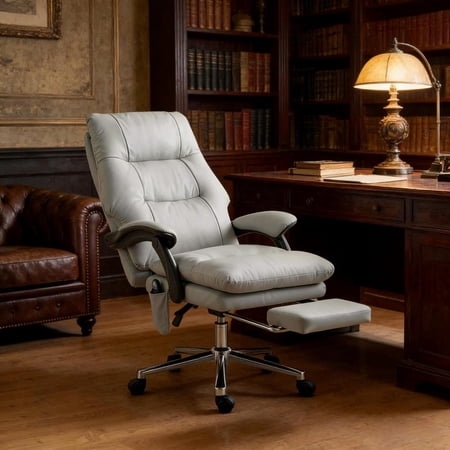
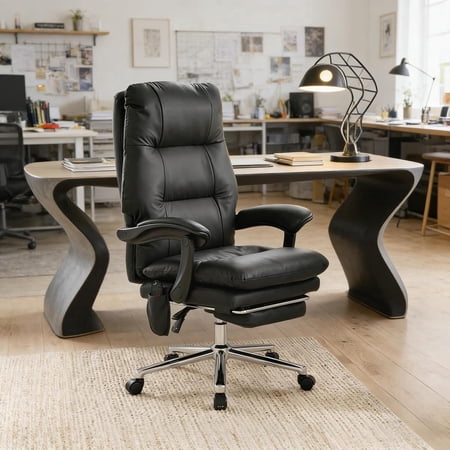
- Foam seats (2.5–3 lb density): Offer a “luxury car” feel and hold shape for years. Ideal for executives or private offices.
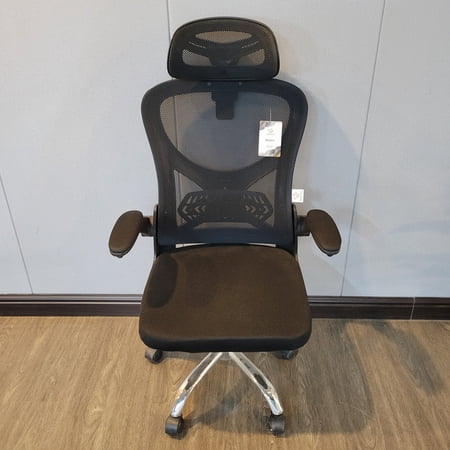
- Mesh or 3D spacer fabric: Promotes airflow and flexes under pressure. Great for open plans where temperature varies.
Many charter chairs combine a mesh back with a foam seat — best of both worlds: cooling support and all-day comfort.
3. Backrest Ergonomics: Active vs. Passive Lumbar
Charter furniture chairs often incorporate either an adjustable lumbar pad (passive) or a dynamic backrest that flexes with movement (active). Research from the Cornell Human Factors Lab suggests that chairs allowing dynamic sitting (leaning, perching) reduce spinal disc pressure by up to 35%. Look for models with synchronous tilt or forward tilt functions.
4. Armrests: 2D, 3D or 4D?
For shared spaces, simpler 2D armrests (height and width adjustable) are easier to reset. For dedicated users, 4D armrests (height, width, depth, pivot) provide personalized comfort. Charter-grade arms have metal-reinforced brackets to prevent breakage.
5. Material Durability & Environmental Factors
Charter furniture office chairs often carry GREENGUARD certification for low emissions. Upholstery might be Crypton® or similar moisture-barrier fabrics to resist spills in break areas. If you’re in a sunny office, ask about UV-resistant mesh to prevent fading.
According to a 2023 workplace survey by Knoll, 74% of facility managers prioritize “durability + ease of maintenance” when specifying chairs for open areas. Charter-style seating directly addresses that with replaceable parts and standardized lift mechanisms.
Charter Furniture Office Chair vs. Traditional Executive: A Quick Comparison
| Feature | Charter / Commercial Style | Traditional Executive |
|---|---|---|
| Primary Use | Team zones, hot desks, multi-shift | Private office, corner office |
| Frame Material | Reinforced polymer / steel | Polished wood / heavy steel |
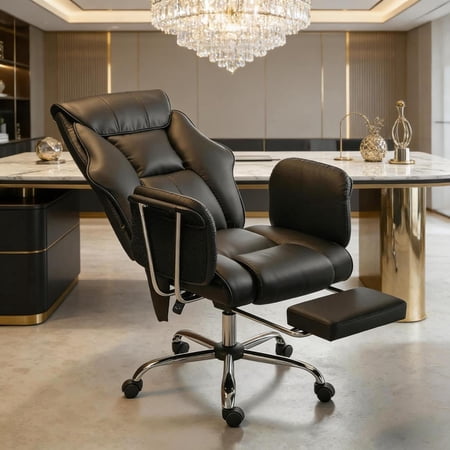
| Upholstery | Solution-dyed fabric, mesh | Top-grain leather, bonded leather |
| Adjustability | Essential (seat height, tilt, arms) | Comprehensive (lumbar depth, headrest) |
| Weight Capacity | 300–400 lbs typical | 250–350 lbs |
| Warranty | 5–12 years (BIFMA X5.1) | 3–10 years |
How to Select the Right Charter Furniture Office Chair for Your Team
Whether you’re a facility manager or a remote worker buying one chair, use this step-by-step approach.
- Assess usage intensity: 24/7 shift work? Look for chairs with heavy-duty gas lifts (tested to 50,000 cycles).
- Measure your people: If you have a diverse team, choose chairs with a wide seat depth range (16”–20”) and adjustable lumbar.
- Match floor type: Soft casters for carpet, hard casters for tile/wood — or get dual-purpose wheels.
- Test ergonomic range: Ensure the backrest height suits both 5’2” and 6’3” users.
- Consider reusability: Charter chairs often have replaceable cushions or covers — ask about spare parts availability.
Real-World Benefits: Why Offices Are Switching to Charter Seating
Companies like WeWork and smaller co-working spaces rely on charter furniture because it withstands constant use. But even home offices benefit: the “commercial” build quality means fewer squeaks, longer foam life, and better resale value. Think of it as buying once, buying right.
Lower TCO
Total cost of ownership drops because you replace chairs half as often.
Healthier Teams
Adjustable ergonomics reduce complaints of back pain by up to 40% in trial offices.
Sustainable
Many charter brands use recycled materials and design for disassembly.
Professional Aesthetic
Clean lines, neutral colors — fits any decor from industrial to modern.
Frequently Asked Questions – Charter Furniture Office Chair
Final Take: Charter Furniture Office Chairs Deliver Lasting Value
Whether you're outfitting a boardroom or your home office, choosing a charter-style chair means prioritizing longevity, ergonomics, and adaptability. They might not have the initial flash of a luxury leather chair, but they offer something better: consistent comfort, fewer replacements, and support for real work patterns. Start with the models above, and your back — and your budget — will thank you.