
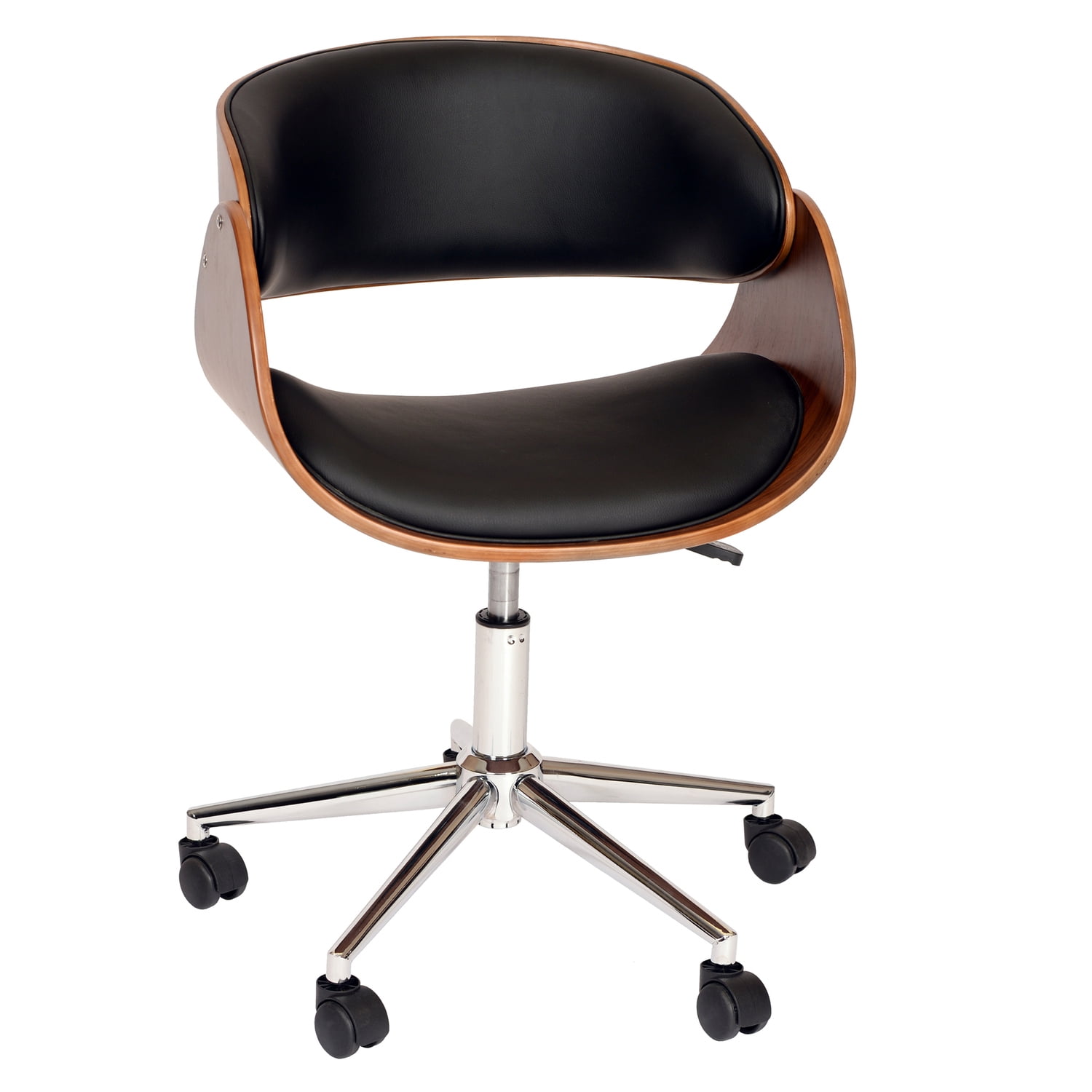
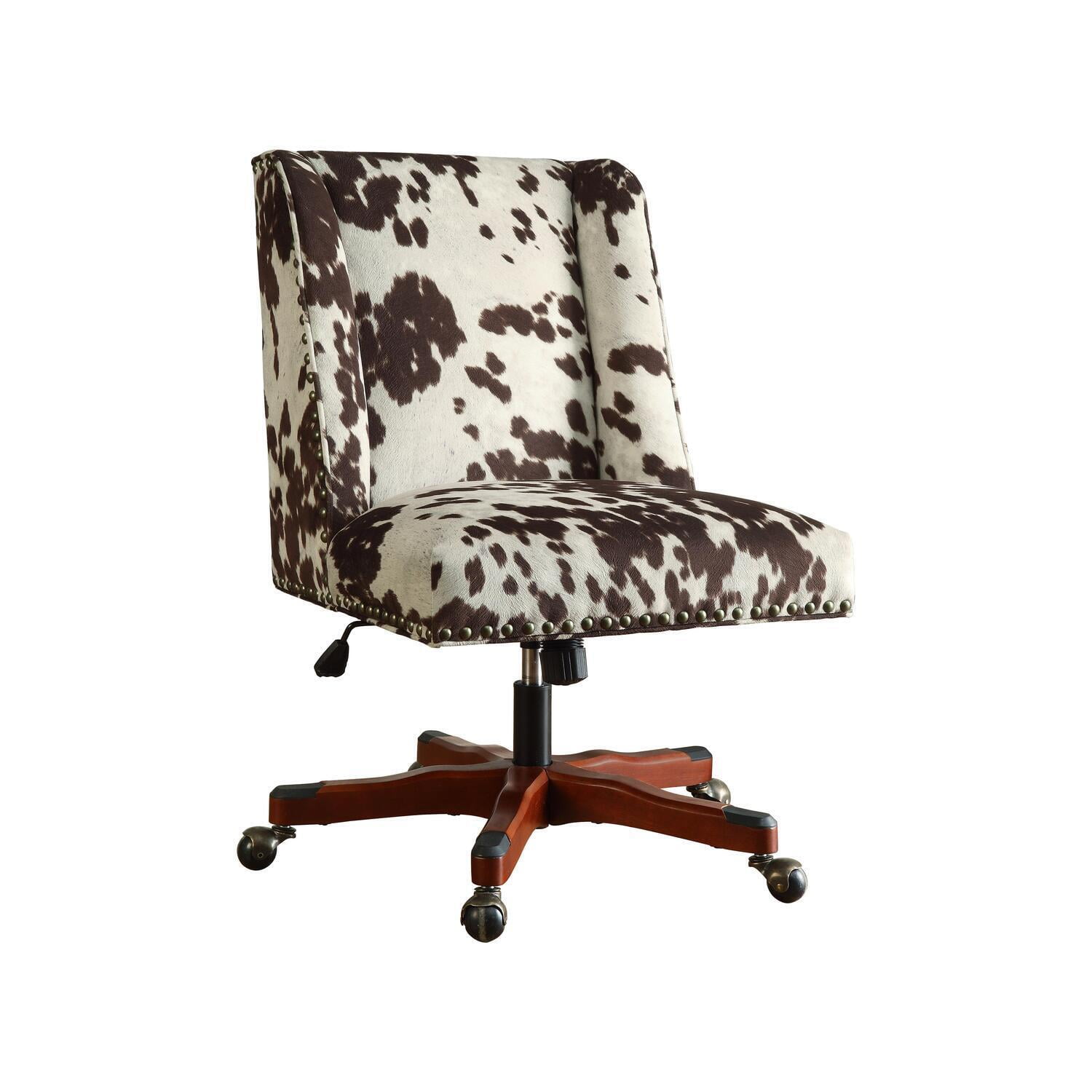
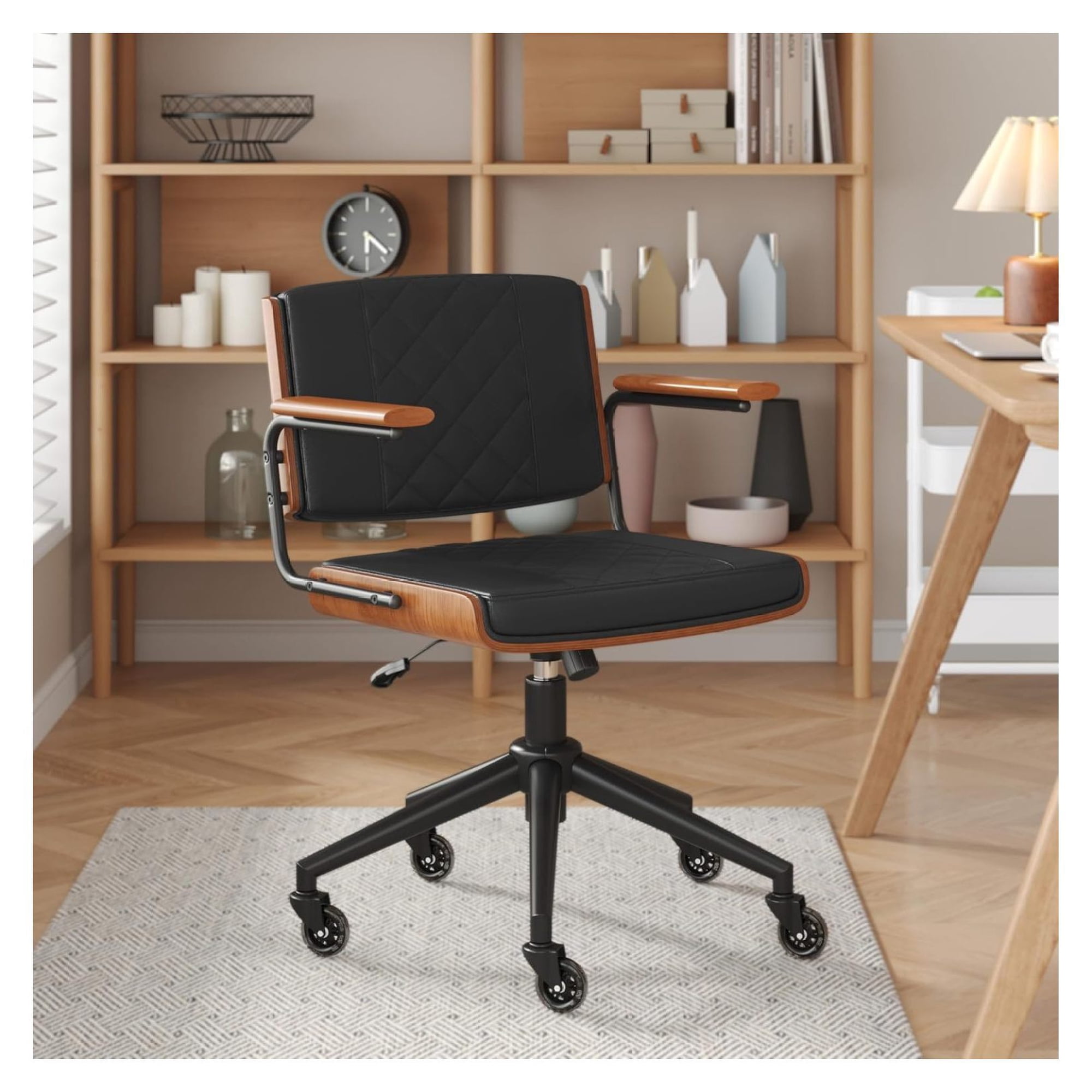
Why a Walnut Office Chair Deserves a Place in Your Office
Imagine walking into your office and being greeted by the rich, organic grain of walnut wood. Unlike cold metal or mundane plastic, a walnut office chair brings soul to the room. It tells visitors that you value craftsmanship, sustainability, and timeless design. But beyond aesthetics, today's walnut chairs are engineered for the way we work—combining the strength of hardwood with ergonomic features that support long hours of focus.
Did you know? Black walnut (Juglans nigra) is one of North America's most prized hardwoods. It's naturally decay-resistant, stable, and its color deepens with age—much like a fine leather chair. A well-built walnut office chair can become a family heirloom.
The Anatomy of a Premium Walnut Office Chair
To appreciate what makes a walnut office chair exceptional, let's dissect its components. Unlike the typical leather or mesh executive chairs, walnut chairs involve a marriage of woodworking and ergonomic science.
1. Wood Selection & Construction
Not all walnut is created equal. Premium chairs use solid kiln-dried black walnut, often with mortise-and-tenon joinery for strength. Cheaper versions may use walnut veneer over plywood. Here's what to look for:
- Solid walnut arms and base: Provides stability and authentic grain.
- Reinforced joinery: Metal brackets or wooden dowels ensure the chair doesn't wobble over time.
- FSC certification: Indicates the wood comes from responsibly managed forests.
- Hand-finished surfaces: Look for multiple coats of low-VOC lacquer or natural oil finishes that protect without hiding the grain.
2. Upholstery that Complements Wood
The choice of upholstery dramatically changes the chair's personality. According to a 2023 survey by the American Home Furnishings Alliance, 68% of buyers prefer fabric or leather that contrasts with the wood tone to make the grain pop. Consider these pairings:
- Walnut + Cognac Leather: A classic executive look, warm and authoritative.
- Walnut + Cream or Linen Fabric: Softens the wood, ideal for coastal or Scandinavian interiors.
- Walnut + Black Mesh: Modern, breathable, and highlights the wood's curves.
- Walnut + Velvet: Unexpected luxury; the texture contrast is visually stunning.
3. Ergonomic Integration
Wood doesn't mean rigid. Top manufacturers embed ergonomic features without compromising the wooden aesthetic:
- Hidden gas lift mechanism: The seat height adjusts smoothly, concealed within the wooden base.
- Pneumatic or mechanical recline: Allows you to lean back while the wood frame flexes slightly (engineered for it).
- Removable lumbar pillows or built-in curves: Maintains the natural S-curve of your spine.
- Swivel with sturdy casters: Hardwood floors? Opt for soft rubber casters to protect both floor and wood base.
A well-designed walnut chair should offer at least 4-5 hours of continuous comfort. As ergonomic specialist Dr. Emily Tran notes, "Wood frames actually provide micro-movements that engage core muscles more than static foam—users report feeling more alert."
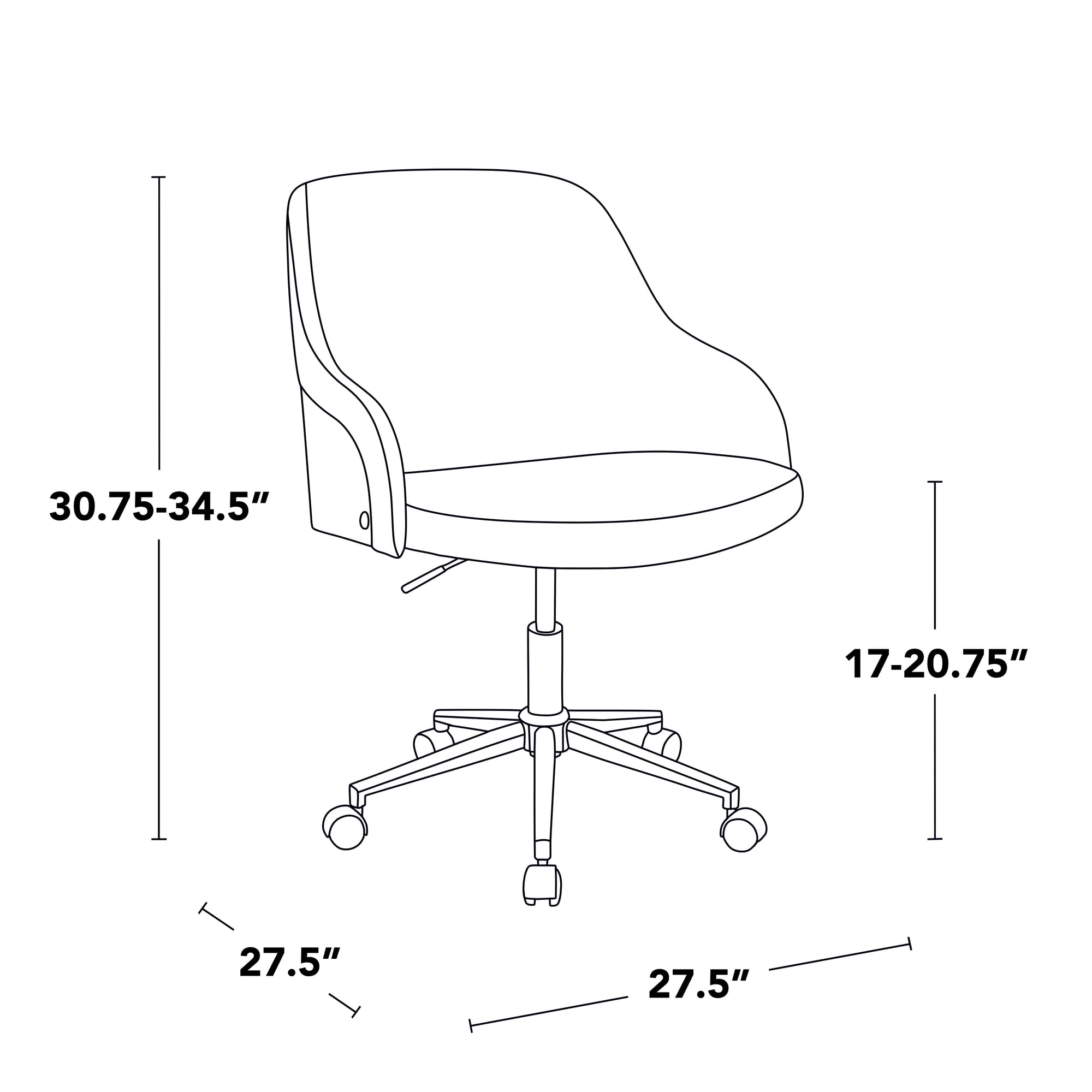
4. Dimensions and Proportions
Walnut office chairs often have a slightly more compact silhouette than bulkier upholstered executive chairs. That's the beauty of wood: it provides strength with less visual mass. However, ensure these dimensions fit your body:
| Measurement | Typical Range (walnut chair) | Why It Matters |
|---|---|---|
| Seat width | 19"–22" | Accommodates hips and allows movement |
| Seat depth | 16"–20" | Should leave 2-3 fingers between knees and seat edge |
| Backrest height | 12"–22" (mid vs high back) | High-back supports shoulders; mid-back allows free arm movement |
| Armrest height | 7"–10" from seat | Should allow elbows at 90° while typing |
5. The Sustainability Factor
Walnut is a durable hardwood, but it grows slowly. Responsible brands use reclaimed walnut from old barns or factory offcuts. Others plant two trees for every one harvested. If eco-credentials matter to you, look for GREENGUARD certification or statements about low-emission finishes.
Walnut Office Chair Styles: From Mid-Century to Modern Executive
The beauty of walnut is its chameleon-like ability to adapt. Let's explore popular archetypes:
- Mid-Century Modern: Slim profile, angled legs, often with a low back and upholstered seat. Perfect for design enthusiasts and home offices.
- Mission or Craftsman: Straight lines, exposed joinery, and leather cushions. Exudes solidity and tradition.
- Contemporary Executive: High back, fully upholstered interior but with walnut outer shell or arms. Blends boardroom presence with natural warmth.
- Industrial Walnut: Combines walnut seat with metal frame and wheels. Edgy, durable, and space-saving.
- Scandinavian Minimalist: Light oil finish, curved plywood back, and wool upholstery. Airy and ergonomic.
According to interior designer Marissa Corbin, "Walnut is the new black in office design. It grounds a space without making it feel heavy. I've specified walnut chairs for tech startups, law firms, and creative agencies alike."
Prolonging the Life of Your Walnut Office Chair
A walnut chair is an investment. Follow this 5-step care routine to keep it pristine:
- Dust weekly with a microfiber cloth to prevent grit from scratching the finish.
- Clean spills immediately—wood and moisture are enemies. Blot (don't rub) liquids.
- Apply furniture wax or walnut oil every 6-12 months to nourish the wood. Test in an inconspicuous area first.
- Tighten screws and bolts every few months—wood expands and contracts with humidity.
- Avoid direct sun and HVAC vents to prevent drying and fading.
With proper care, a walnut office chair can easily outlast synthetic chairs by decades. Many antique walnut office chairs from the 1950s are still in daily use.
Walnut vs. Oak, Cherry, and Maple: What Sets It Apart?
You might wonder: why specifically walnut? Here's a quick comparison:
- Walnut: Rich chocolate to purple-brown hues; naturally resistant to rot; ages beautifully; moderately expensive.
- Oak: Prominent grain, lighter color; very hard but can look rustic; often less expensive.
- Cherry: Reddish tones that darken with age; softer than walnut; elegant but prone to dents.
- Maple: Pale, uniform grain; very hard; takes paint well but doesn't have walnut's depth.
Walnut strikes the perfect balance between workability, visual warmth, and durability. It's the "mahogany of the modern age" without being overly formal.
Frequently Asked Questions About Walnut Office Chairs
Conclusion: Is a Walnut Office Chair Right for You?
If you value furniture that tells a story, supports your body, and elevates your daily work ritual, a walnut office chair is a magnificent choice. It bridges the gap between heirloom-quality craftsmanship and contemporary ergonomic needs. Whether you're outfitting a corner home office or a corner office on the top floor, walnut makes a statement without saying a word.
Browse our curated selection of walnut office chairs above—each one vetted for wood quality, ergonomic features, and durability. Your dream chair (and your back) will thank you.