
From the Pit Lane to Your Home Office: The Rise of the Race Chair
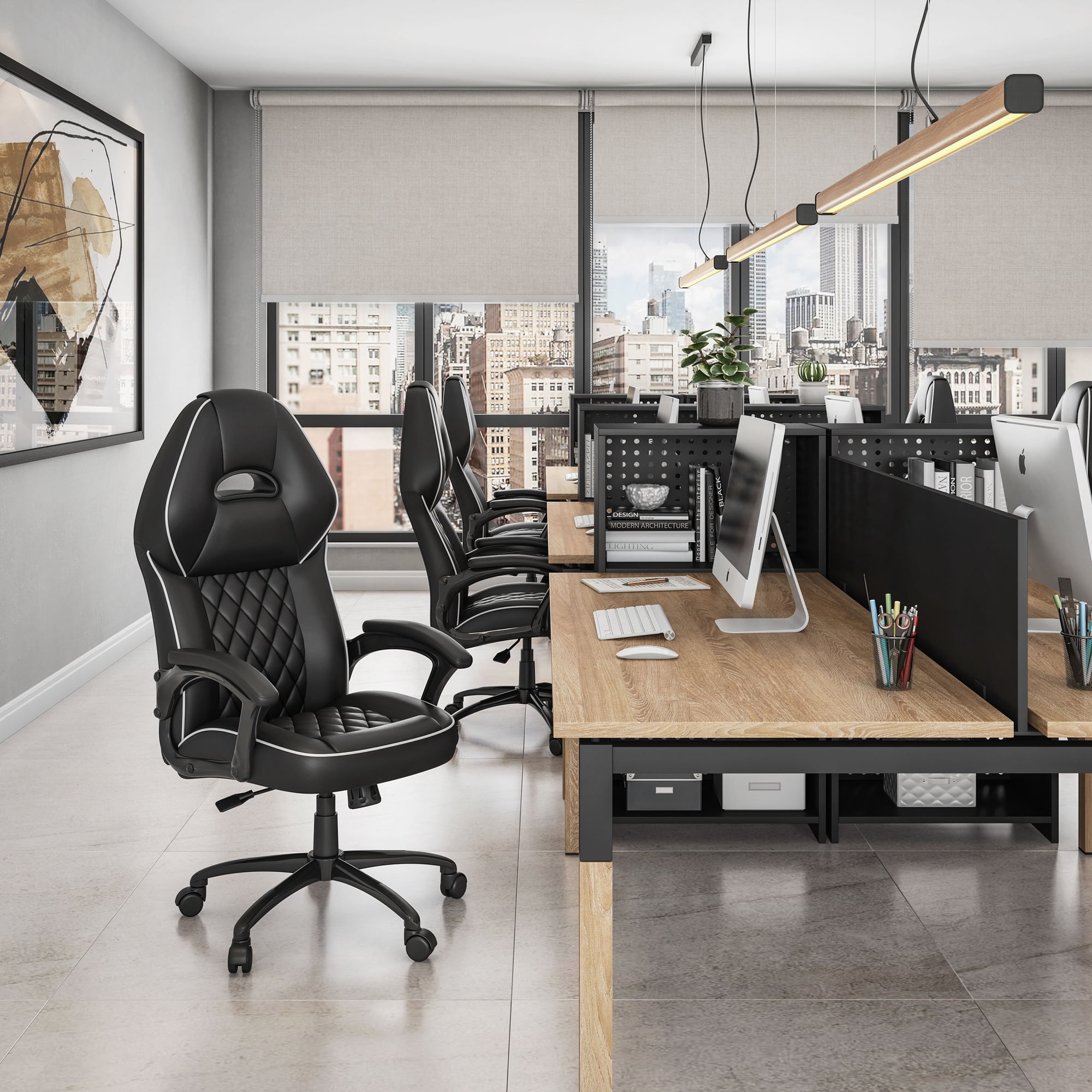
The race chair office chair has transcended its gaming origins to become a staple in modern, dynamic offices. Inspired by the bucket seats of Formula 1 and rally cars, these chairs bring an undeniable sense of energy, focus, and bold style to any workspace. But beyond the striking aesthetics, lies a design philosophy rooted in high-performance ergonomics.
Think of it as the cockpit of your professional life. Just as a racing seat is designed to hold a driver firmly during high-speed cornering, a race chair office chair is engineered to provide a stable, supportive base that minimizes fatigue and maximizes concentration during long work sessions. This guide will navigate you through everything you need to know, ensuring your next chair is a true pole position winner for both comfort and style.
Did You Know? The global market for gaming and racing-style chairs has seen a year-over-year growth of over 20%, driven by the demand for ergonomic seating that doesn't compromise on personality. Many users report a 35% increase in perceived focus due to the immersive, cockpit-like feel of these chairs.
Anatomy of a Race Chair Office Chair: Key Features Decoded
To choose the perfect race chair, you need to understand its core components. Unlike traditional office chairs, racing chairs are built with specific features that define their look and feel.
1. The Wraparound Design: Bucket Seat & Side Bolsters
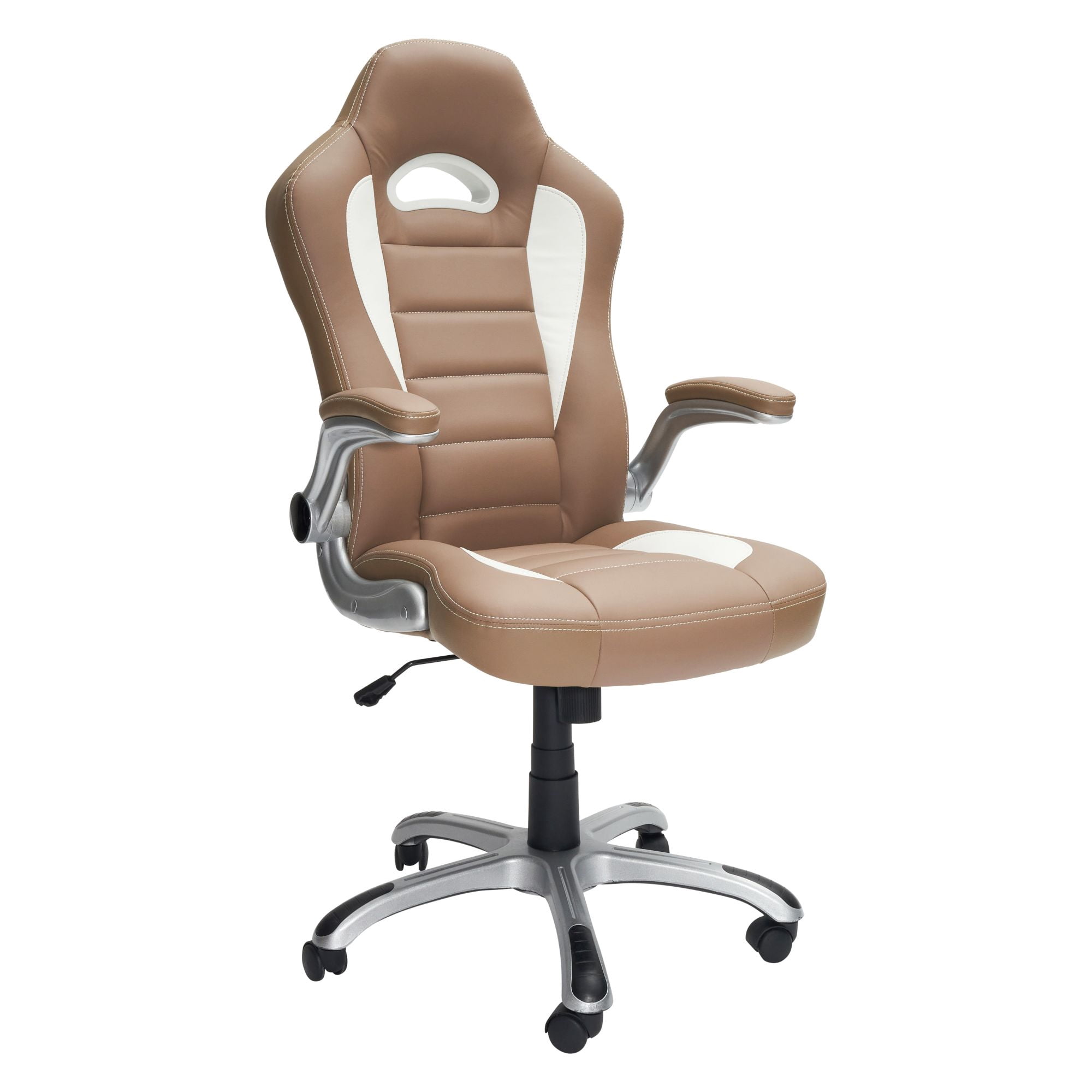
The most defining feature is the bucket seat design. The seat and backrest have raised sides, known as bolsters. In a race car, these prevent the driver from sliding around. In your office, they serve a dual purpose:
- Posture Guidance: The bolsters naturally encourage you to sit in the center of the chair, promoting a neutral spine alignment.
- Reduced Fatigue: By providing lateral support, your body doesn't have to work as hard to maintain a stable position, reducing muscle strain during long tasks.
- Immersive Feel: This wraparound sensation creates a personal "cockpit," helping to block out distractions and focus on the task at hand.
2. Material Science: PU Leather, Fabric, and Breathability
The material of your race chair affects comfort, durability, and maintenance. Here’s a quick breakdown:
👍 PU Leather (Standard)
- Pros: Easy to clean, sleek appearance, durable, cost-effective.
- Cons: Can get sticky in hot weather; may crack over many years if not high-quality.
- Best for: Most users, especially those who want the classic racing look and easy maintenance.
👍 Fabric / Mesh Hybrids
- Pros: Excellent breathability, softer feel, less "sweaty" during summer.
- Cons: Can stain more easily, may trap odors, harder to clean.
- Best for: Warmer climates or users who prioritize ventilation.
Pro Tip: Look for chairs with high-density foam. This is the same foam used in professional racing seats; it resists flattening over time and provides consistent support, much like a high-performance suspension system.
3. The Adjustability Arsenal: Finding Your Perfect Driving Position
A quality race chair office chair is highly adjustable. Think of these adjustments as fine-tuning your car's suspension for the perfect ride.
- Height Adjustment (Class 3 or 4 Gas Lift): Essential for aligning your eyes with your monitor. A class 4 lift is the "turbocharged" engine of chair lifts, offering superior durability and weight capacity.
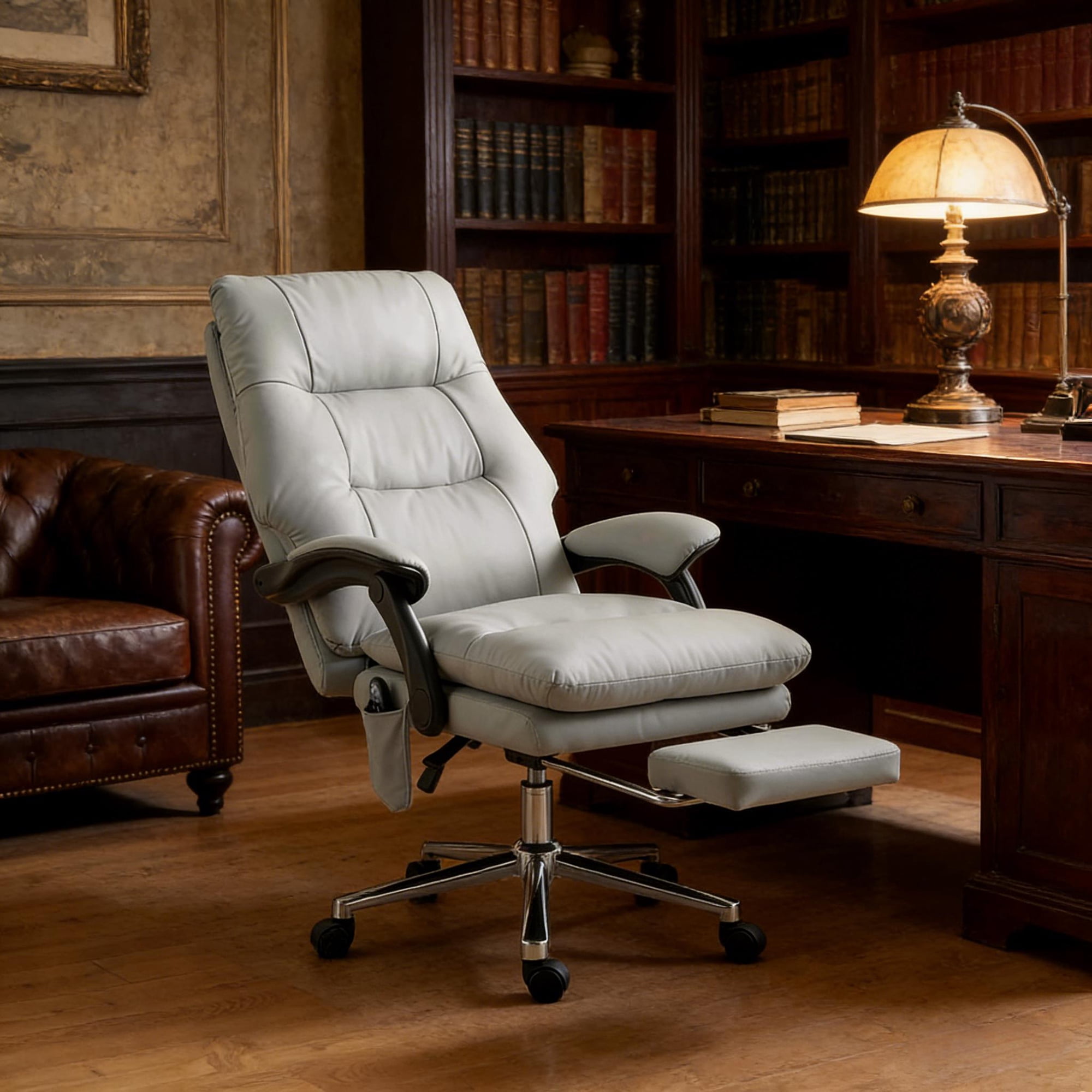
- Recline Function: Most racing chairs recline from 90° to 135° or even 180°. This isn't just for napping; changing your angle throughout the day shifts pressure points and can refresh your posture, much like a pit stop refreshes a race car.
- Tilt Mechanism: This allows the entire seat to rock backward. A good tilt mechanism with adjustable tension lets you lean back comfortably while keeping your feet flat on the floor.
- 2D or 4D Armrests: The "paddle shifters" of your chair. Adjustable armrests (height, width, angle, and depth) ensure your arms are supported while typing, preventing shoulder and neck strain.
4. The High-Back Advantage: Headrest and Lumbar Support
Unlike many task chairs that stop at mid-back, a true race chair extends to support your head and shoulders. This is crucial for:
- Neck Relief: An integrated or separate headrest pillow supports your cervical spine, preventing "tech neck" during those moments you lean back to think or take a call.
- Spinal Alignment: The high back provides a continuous surface for your entire spine. Combined with an adjustable lumbar pillow, it ensures the natural S-curve of your back is supported, preventing slouching.
🏆 Race Chair vs. Traditional Executive Chair: A Quick Comparison
How does a racing-style chair stack up against a classic executive chair? Let's look at the key differences:
1. Aesthetics & Vibe
Race Chair: Aggressive, modern, youthful, and energetic. It makes a bold statement and is perfect for creative spaces, tech startups, and home offices where personality is key.
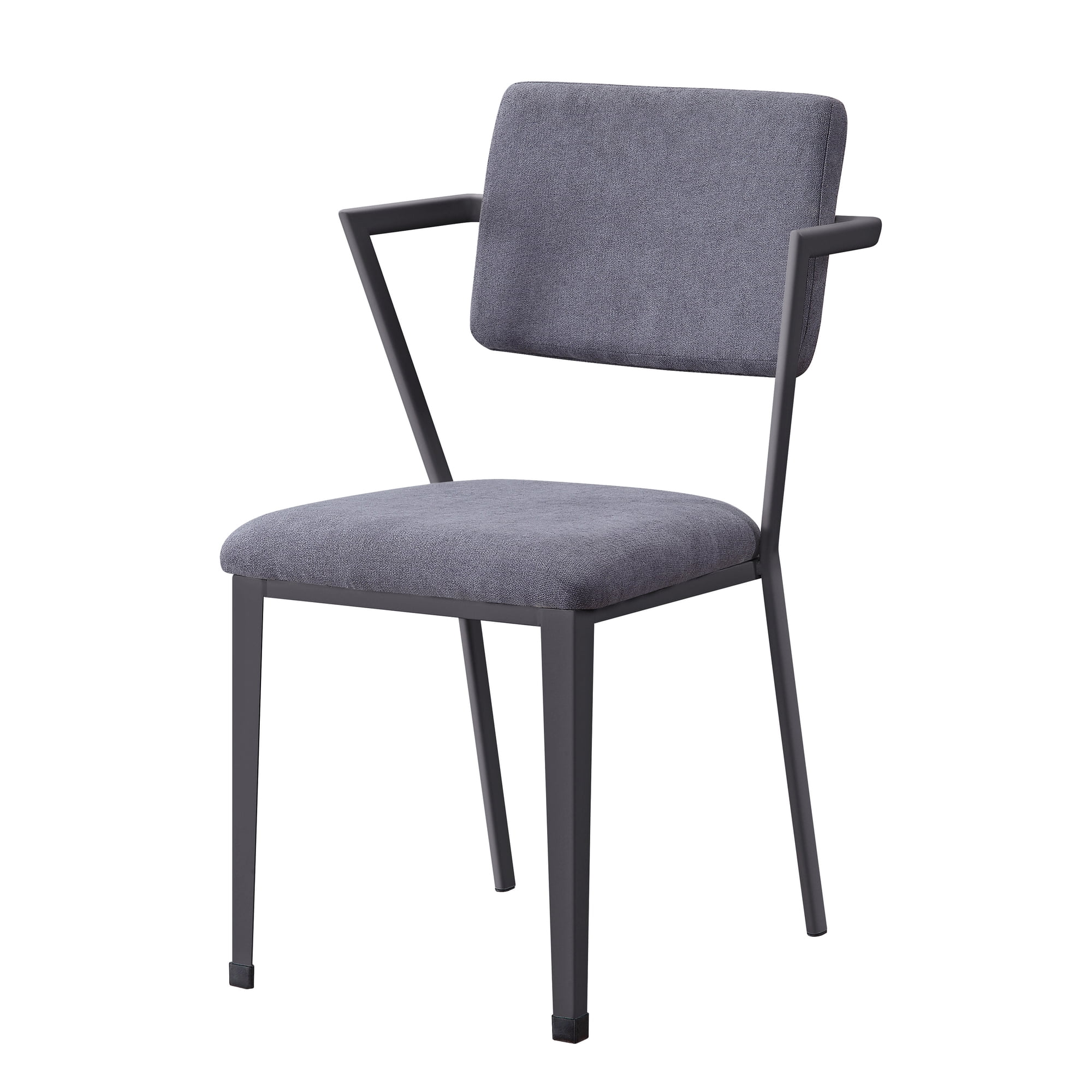
Executive Chair: Traditional, sophisticated, and professional. It conveys authority and is often found in law firms, banks, and corner offices.
2. Lateral Support
Race Chair: Excellent, thanks to the high side bolsters. This creates a secure, "locked-in" feeling.
Executive Chair: Generally minimal to none, allowing for more freedom of movement and shifting positions.
3. Intended Use Case
Race Chair: Excels in environments requiring long hours of focused, static sitting, like programming, design, and gaming.
Executive Chair: Designed for a mix of tasks, including meetings, phone calls, and desk work, where a more formal and versatile presence is needed.
How to Choose Your Perfect Race Chair Office Chair
Selecting the right model involves more than just picking your favorite color. Use this step-by-step guide to make the best choice for your body and work style.
- Step 1: Assess Your Body Type: Check the chair's weight capacity and seat width. If you're taller, look for a chair with an extended seat depth and a higher backrest to ensure proper thigh and head support.
- Step 2: Prioritize the Foam: Don't underestimate the importance of foam density. High-density cold-cure foam will last for years without losing its shape, providing consistent support just like a premium car seat.
- Step 3: Test the Adjustability (Virtually): Read reviews focusing on the range of adjustment. Can the armrests go low enough to slide under your desk? Does the recline lock in multiple positions? The more adaptable the chair, the better it can be tailored to you.
- Step 4: Consider Your Climate: If you live in a warm area or your office gets hot, prioritize chairs with breathable fabric or mesh inserts to prevent heat buildup.
- Step 5: Look at the Base and Casters: A sturdy, five-point aluminum or steel base is non-negotiable for stability. Ensure the casters (wheels) are suited for your floor type—hardwood casters for wood floors, carpet casters for carpets.
The Long-Term Benefits of a Racing-Style Seat
Investing in a quality race chair office chair is an investment in your physical well-being and productivity. The rigid support structure helps maintain spinal health, while the immersive design can lead to a state of "flow" more easily. By reducing the micro-adjustments your body makes to stay comfortable, you free up mental energy for the tasks that truly matter.
Frequently Asked Questions About Race Chair Office Chairs
Conclusion: Cross the Finish Line with the Perfect Seat
The race chair office chair is more than just a trend; it's a legitimate ergonomic solution wrapped in a package of high-octane style. Whether you're a hardcore gamer, a dedicated programmer, or a professional looking to inject energy into your home office, these chairs offer a unique combination of support and personality.
By understanding the key features—from the wraparound bolsters and high-density foam to the crucial adjustability—you can select a chair that not only looks the part but also keeps you comfortable, focused, and performing at your peak for years to come. So, buckle up, choose your champion, and transform your workspace into a cockpit of productivity.