
Redefining the Modern Workspace: The Rise of the Comfort-First Office Chair
Gone are the days when a “stylish” office chair meant a stiff leather throne that looked important but felt punishing after an hour. Today's modern comfortable office chair is a masterpiece of industrial design and human-centric engineering. It’s the chair that your eyes adore and your back thanks you for — a seamless blend of clean lines, premium materials, and science-backed support.
Whether you’re furnishing a chic home office or upgrading a corporate workspace, the quest for that perfect balance often feels overwhelming. Do you prioritize the breezy coolness of mesh, or the plush embrace of memory foam? Should the chair whisper minimalist or shout contemporary? This guide will walk you through every nuance, ensuring you invest in a seat that keeps you productive, pain-free, and proud of your space.
Did you know? According to a study by the Journal of Physical Therapy Science, using an ergonomic chair with proper lumbar support can reduce perceived discomfort by 54% over a standard task chair. When that ergonomics is wrapped in modern aesthetics, your motivation to sit well — and work well — increases even further.
Anatomy of a Modern Comfortable Office Chair: What to Look For
To cut through the marketing noise, you need to understand the core components that define both “modern” and “comfortable.” Let’s dissect them like a designer and an ergonomist would.
1. The Silhouette: Minimalism vs. Organic Curves
Modern design often falls into two camps: the sleek, almost architectural minimalism (think flat seats, sharp angles) and the softer, biomorphic style (curved shells, waterfall edges). Both can be incredibly comfortable. The key is how the shape interacts with your body.
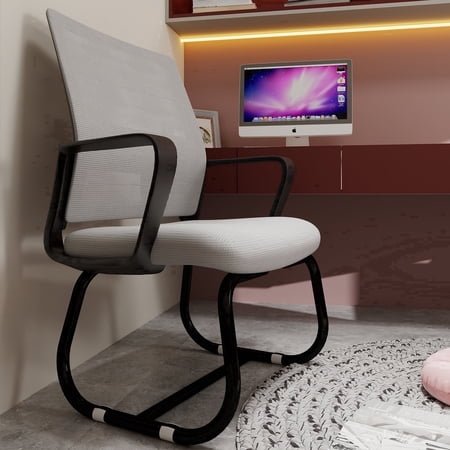
- Minimalist frames usually rely on tensioned mesh or flexible polymer backs that adapt to your movements. They feel airy and look less bulky.
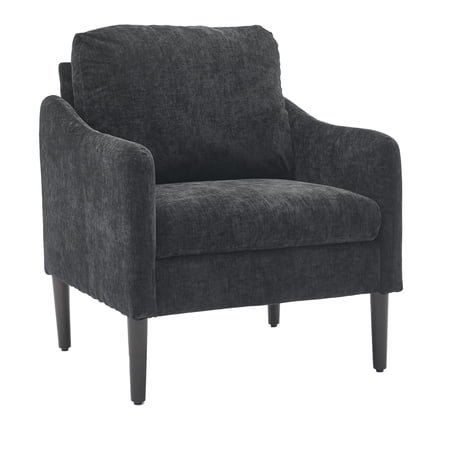
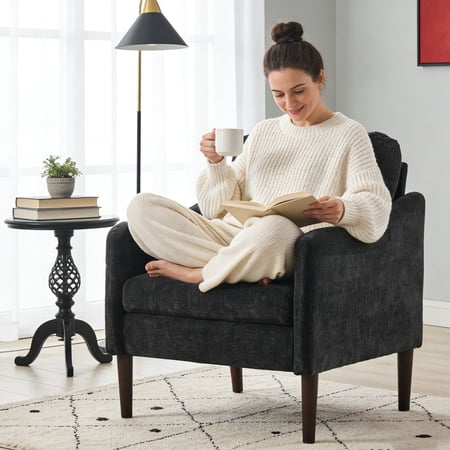
- Curvilinear designs often use molded foam or upholstery to hug your contours. They provide a sense of being “cocooned” and are ideal for those who prefer a plusher feel.
- Pro tip: Look for a “synchronized tilt” mechanism – it’s a hallmark of modern engineering that allows the seat and back to move in harmony, keeping you supported whether you’re typing or reclining.
2. Material Innovations: Beyond Basic Upholstery
The material defines both the aesthetic and the comfort level. Modern chairs utilize advanced fabrics that were unheard of a decade ago.
Breathable Performance Mesh
- Ideal for: Warm climates, intense work sessions.
- Comfort factor: Distributes weight and prevents sweaty backs.
- Modern vibe: Translucent, sporty, and visually light.
Textured Knit / 3D Fabric
- Ideal for: A cozy, residential feel.
- Comfort factor: Soft to touch, often with subtle stretch.
- Modern vibe: Like your favorite sweater — inviting and warm.
Molded Foam with Eco-Leather
- Ideal for: Executive look with casual comfort.
- Comfort factor: Firm yet forgiving, easy to clean.
- Modern vibe: Clean, uniform surface; often in muted tones.
3. Lumbar Support: The Hidden Hero
In a modern comfortable chair, lumbar support shouldn’t look like an afterthought (a small pillow with straps). Instead, it’s integrated into the frame. Look for these features:
- Adjustable depth: A knob or lever that pushes the lumbar region forward or backward. Critical for matching your spine’s natural curve.
- Dynamic response: The backrest flexes as you move, providing continuous support. This is often achieved with a flexible frame or a tension-adjustable mesh.
- Height-adjustable lumbar: Allows you to position the support exactly where your back needs it — usually between the belt line and the mid-back.
Think of lumbar support like the suspension in a high-end car: you barely notice it until you drive on a rough road. Similarly, good lumbar support makes an 8-hour workday feel like a short drive.
4. The Seat Pan: Your Foundation
A modern chair often features a “waterfall edge” — the front of the seat curves gently downward. This isn’t just a design flourish; it prevents pressure on the back of your thighs, promoting healthy blood circulation. Additionally, seat depth adjustment (sliding the pan forward/backward) is a non-negotiable feature for proper ergonomics. Your knees should bend at a 90-degree angle with about two fingers' width between the edge of the seat and the back of your knee.
5. Armrests: 4D is the New Standard
Modern comfort means armrests that disappear when you don’t need them and provide perfect support when you do. 4D armrests (adjustable up/down, forward/back, left/right, and pivot) are becoming common even in mid-range chairs. They allow you to rest your arms while typing, keeping your shoulders relaxed and preventing neck strain.
Data from the Occupational Safety and Health Administration (OSHA) suggests that properly adjusted armrests can reduce shoulder muscle activity by up to 20%. When you multiply that over a 40-hour work week, the fatigue reduction is substantial.
Finding Your Perfect Match: A Step-by-Step Approach
Selecting a chair online can feel risky. Follow this structured process to minimize guesswork:
- Measure your space and yourself. Note your desk height (usually 28-30 inches) and your popliteal height (floor to the back of your knee). This determines the seat height range you need.
- Identify your “sit style”: Do you fidget and move constantly (dynamic sitter) or stay fairly static? Dynamic sitters love chairs with active tilt mechanisms; static sitters may prefer a stable, well-cushioned seat.
- List your non-negotiables. For example: breathable mesh back, adjustable lumbar, and flip-up armrests for guitar playing or getting close to the desk.
- Read reviews for long-term comfort, not just unboxing. Look for mentions of “after 3 months” or “still comfortable.”
- Check the warranty and return policy. A 30-day home trial and a 5-year+ warranty are signs of manufacturer confidence.
Common Myths About Modern Comfortable Chairs
- Myth: “Mesh is always better.” Reality: Quality foam with breathable fabric can be just as cool and more plush. Test both.
- Myth: “More adjustments mean more comfort.” Reality: Too many levers can be overwhelming. Focus on the quality of the key adjustments (height, tilt, lumbar).
- Myth: “A headrest is essential.” Reality: For intense desk work, a poorly positioned headrest can push your head forward. It’s great for leaning back, but not always for typing.
Style Meets Substance: How Modern Chairs Elevate Your Room
A modern comfortable office chair does more than support your body — it anchors your room’s aesthetic. Imagine a Scandinavian-inspired home office with light wood tones: a chair upholstered in charcoal knit with a slim-profile base complements the look without overwhelming it. In a more industrial setting, a chair with exposed aluminum frame and black mesh adds a technical, purposeful vibe. The best modern chairs act as neutral, elegant tools that blend into the background or become a subtle statement piece, depending on your choice of color and material.
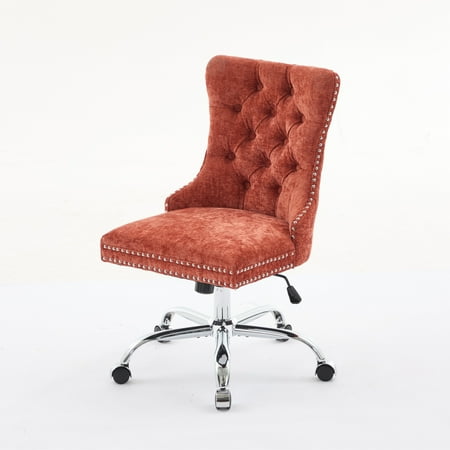
Color psychology also plays a role. Muted greens and blues promote calm focus, while vibrant oranges or yellows can spark creativity. Many modern brands offer a spectrum of upholstery options, letting you personalize your workspace.
Investment Tiers for Modern Comfort
Understanding the price landscape helps set realistic expectations:
Remember: A chair is a 10-year investment in your health. Spending a little more upfront often saves on chiropractor bills and replacement costs.
Maintenance: Keep Your Modern Chair Looking New
- Vacuum mesh and fabric monthly to remove dust and crumbs.
- For eco-leather, wipe with a damp cloth and avoid harsh chemicals.
- Tighten bolts and screws every six months — it prevents wobbles and squeaks.
- Keep the chair out of direct sunlight to prevent fading or material degradation.
Frequently Asked Questions: Modern Comfortable Office Chairs
Final Verdict: Your Chair, Your Daily Companion
Choosing a modern comfortable office chair is an act of self-care and design appreciation. It’s acknowledging that you spend a third of your day seated, and that space should be both beautiful and kind to your body. We’ve moved past the era of one-size-fits-none office furniture. Today, you can find a chair that reflects your personal style while providing the orthopedic support of a high-end ergonomic seat.
Prioritize adjustable lumbar, seat depth, and breathable materials. Let the design speak to you — whether it’s a sculptural mesh back or a cozy fabric wing chair. And remember, a good chair is an investment. Take your time, use the filters on our product grid, and read real user experiences. Your back (and your Zoom background) will thank you.