
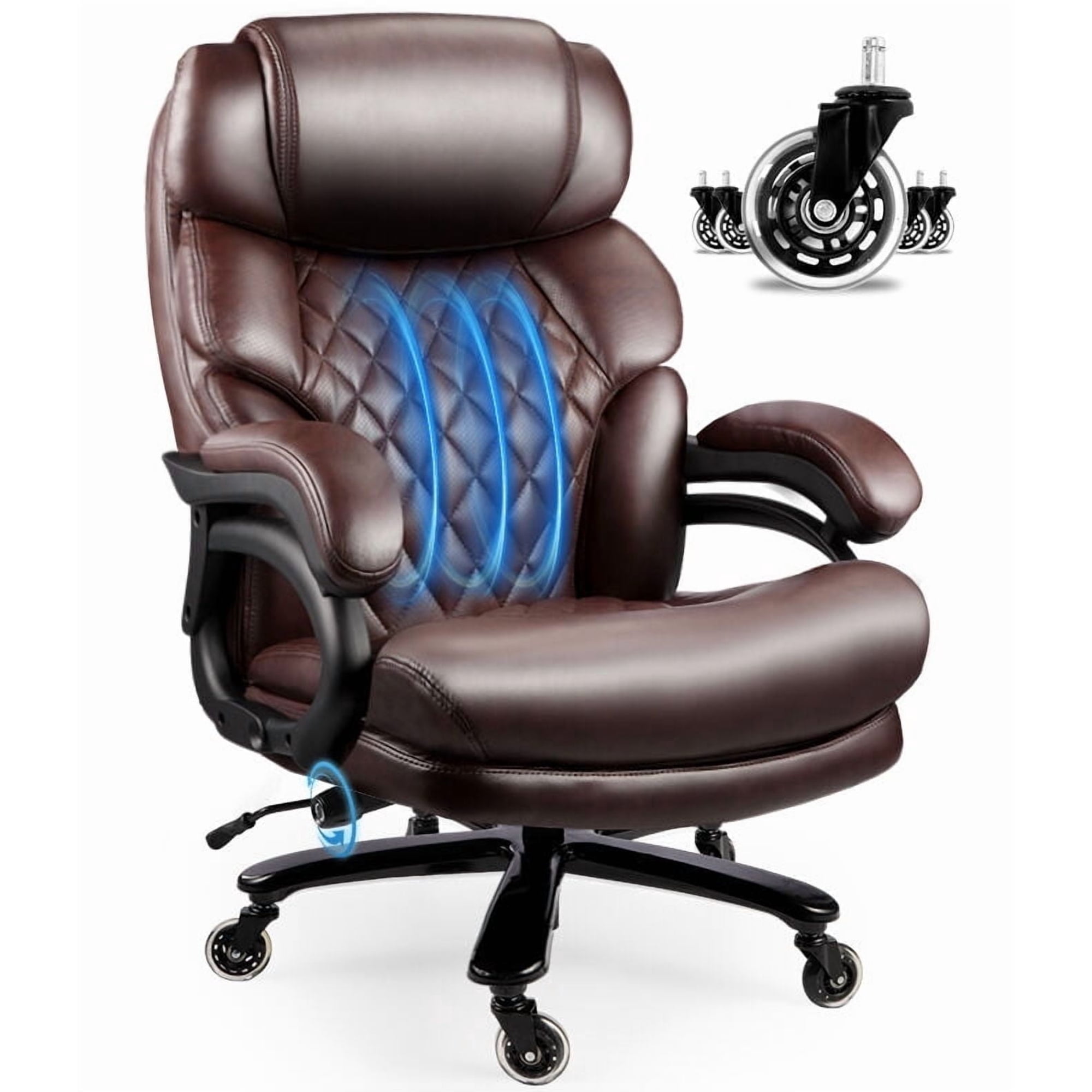
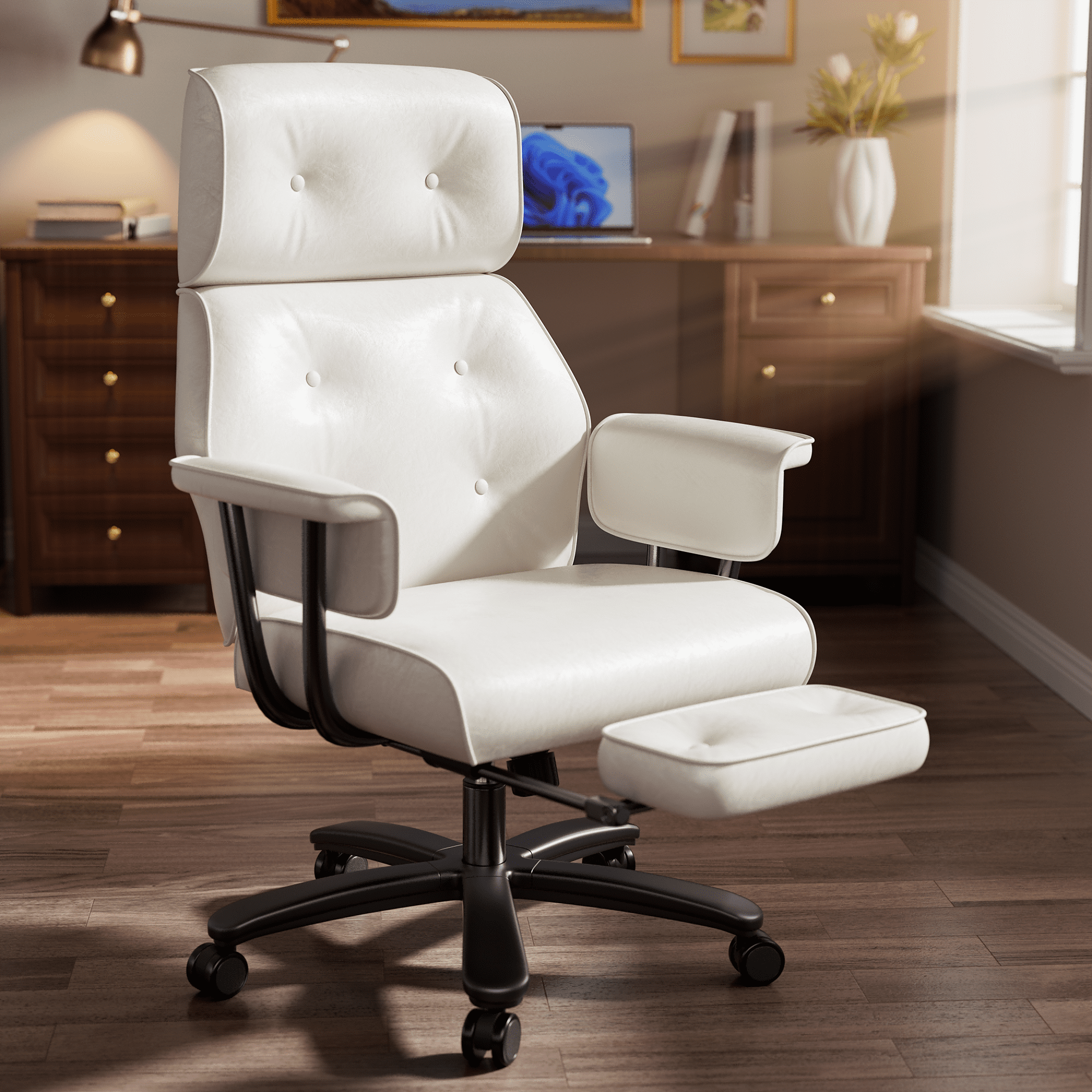
The Tall Person's Dilemma: Why Most Office Chairs Just Don't Fit
If you are 6'2" or taller, you know the struggle. You sit down in a standard office chair, and immediately something feels off. The seat pan cuts into the back of your thighs. The lumbar support hits your mid-back, offering no relief. The headrest jabs you between your shoulder blades. Finding the most comfortable office chair for a tall person isn't just about luxury; it's about basic ergonomic survival. Sitting in a chair that doesn't fit your frame is like wearing a shoe that's two sizes too small—eventually, it will cause real pain.
According to a study by Workplace Safety & Health, nearly 70% of tall workers report chronic back or neck pain they attribute to ill-fitting office furniture. The good news? Manufacturers are finally listening. The market now offers chairs engineered for taller bodies, featuring extended seat depths, towering backrests, and adjustable lumbar support that moves to where you need it. This guide cuts through the noise to help you find your perfect ergonomic match.
The Anatomy of Comfort: 5 Non-Negotiable Features for Tall Users
Forget flashy looks for a moment. For a tall person, comfort is purely physics. Your longer limbs and torso require specific structural adjustments. If a chair misses any of these five key areas, it's simply not built for you.
1. The Seat Pan: Depth is Your Best Friend
Think of the seat pan as the foundation of your sitting posture. A standard 17-inch deep seat forces a tall person to either slouch (so their back hits the backrest) or sit with their thighs unsupported. This compresses the sciatic nerve and cuts off circulation. You need a seat depth of at least 19 to 21 inches.
- Look for "Adjustable Seat Depth": This feature (often a sliding mechanism) allows you to pull the seat forward. A good rule of thumb: when sitting upright, you should have 2-3 finger widths of space between the back of your knee and the edge of the seat.
- Waterfall Edge: A seat with a soft, downward-curving front edge (waterfall design) further relieves pressure on the thighs, preventing that "pins and needles" feeling during long work sessions.
2. Backrest Height: Support From Hips to Shoulders
A mid-back chair is a deal-breaker for tall individuals. You need a high-back office chair—typically 24 inches or taller from the seat pan to the top of the backrest. Your chair should support the natural S-curve of your entire spine, including the upper back and shoulders.
- Independent Lumbar Support: A tall backrest is useless if the lumbar bulge is fixed in one spot. You need a lumbar support that adjusts both in height (up and down) and depth (in and out). This lets you dial in support exactly where your lumbar curve sits, which is often several inches higher than average.
- Extra-Tall Backrests: Some chairs designed for "big and tall" use feature backrests reaching 28 inches or more, providing support right up to the head.
3. Headrest: Getting It in the Right Place
This is often the most frustrating feature. A standard fixed headrest will hit a tall person right in the middle of the back. The most comfortable office chair for a tall person will have a headrest that is highly adjustable.
- Height Adjustment: The headrest must raise high enough to cradle the back of your head, not your neck or upper back. Look for at least 4-5 inches of vertical lift.
- Angle Adjustment: A tilting headrest allows you to find the perfect angle for recline, supporting your head without pushing it forward into a "text neck" position.
- Pro Tip: If you rarely recline to look at the ceiling, a 2D or 3D headrest is a feature worth paying for. It's an investment in your cervical spine health.
4. Armrests: The "4D" Difference
Armrests that are too low force you to hunch your shoulders. Armrests that are too wide make you reach, straining your shoulders and neck. Tall individuals need armrests that can be raised significantly and moved inward to support natural arm positioning.
- 4D Adjustability: This means armrests that move up/down, forward/back, left/right (width), and pivot/angle. This level of customization ensures your arms are supported while typing, keeping your shoulders relaxed and reducing upper trapezius tension.
- Height Range: Ensure the armrests can go high enough. For a taller person, the ideal height is usually when your elbows are at a 90-degree angle while typing, with your forearms parallel to the floor.
5. Stability and Weight Capacity: Built to Last
This isn't about your weight, but about physics. A taller body creates more leverage. A standard chair with a 250 lb capacity might feel wobbly and unstable under the mechanical stress of a long-legged person shifting weight. Always look for a chair with a higher weight capacity—even if you are slender.
- Recommended Capacity: Aim for a chair rated for at least 350 lbs. This ensures a wider seat base, a sturdier metal frame, and a heavier-duty gas lift cylinder.
- Base and Casters: Look for a large, sturdy five-star base (often aluminum or reinforced nylon). For the casters, if you have hard floors, soft rubber casters are essential; for carpet, standard hard casters work fine. The chair's movement should feel solid, not shaky.
Data Point: A 2023 ergonomic survey found that tall workers who switched to chairs with adjustable seat depth and extra-high backrests reported a 58% reduction in lower back pain and a 45% increase in daily focus due to reduced physical discomfort. The right chair is a productivity tool.
Material Matters: Mesh vs. Leather for the Tall User
While the structural features above are non-negotiable, the material affects your day-to-day comfort.
Breathable Mesh: The Tall Person's Choice
For taller individuals, mesh is often the superior choice. A tall backrest made of mesh conforms to the contours of your spine and provides excellent airflow, preventing the sweaty back syndrome common with leather. It’s flexible and offers dynamic support as you move.
Premium Leather: The Luxe Option
Leather can work, but only if it's on an extra-tall frame with plush, high-density foam. The downside is breathability and a more rigid feel. If you choose leather, ensure it has a "multi-density" foam core that provides firm support where needed (hips) and softer comfort elsewhere.
Frequently Asked Questions: Comfort for Tall Frames
Conclusion: Don't Settle for a Chair That Doesn't Fit
Finding the most comfortable office chair for a tall person is a journey of understanding your own body's dimensions. You don't need to simply "deal with it." By prioritizing an extra-deep seat pan, a high and adjustable backrest, a customizable headrest, and robust stability, you can transform your workday from a source of pain into a zone of focused comfort.
Think of this purchase not as an expense, but as a long-term investment in your physical well-being and professional performance. Your body is unique—your chair should be too. Use the checklist above, test the features mentioned, and choose a chair that makes you feel supported from head to toe.