
Why Your Thick Carpet Needs a Specialized Chair Mat
Imagine trying to push your office chair across a plush, luxurious carpet. Instead of gliding smoothly, the wheels dig in, creating resistance and leaving permanent ruts in your beautiful flooring. This frustrating scenario is common in home offices with thick pile or shag carpets. The solution isn't to replace your chair, but to invest in a purpose-built office chair mat for thick carpet.
A standard chair mat, often designed for low-pile commercial carpets or hard floors, simply isn't up to the task. It will flex, crack, and fail to provide a stable surface. A mat engineered for thick carpet is the unsung hero of a functional and aesthetically pleasing home office. It acts as a protective shield and a performance platform, allowing you to focus on your work, not on wrestling with your chair. According to flooring experts, using the correct mat can extend the life of your carpet by preventing fiber crush and wear patterns, potentially saving you hundreds in premature carpet replacement.
Key Features of a High-Quality Carpet Chair Mat
Not all chair mats are created equal. To find the perfect match for your thick carpet, you need to understand the critical features that make a mat effective. Think of it like choosing tires for your car; you wouldn't put summer tires on a snow-covered road. Here’s what to look for:
1. Material and Thickness: The Foundation of Durability
The material is the single most important factor. For thick carpet, you need a mat that is rigid enough to bridge the carpet fibers without bending.
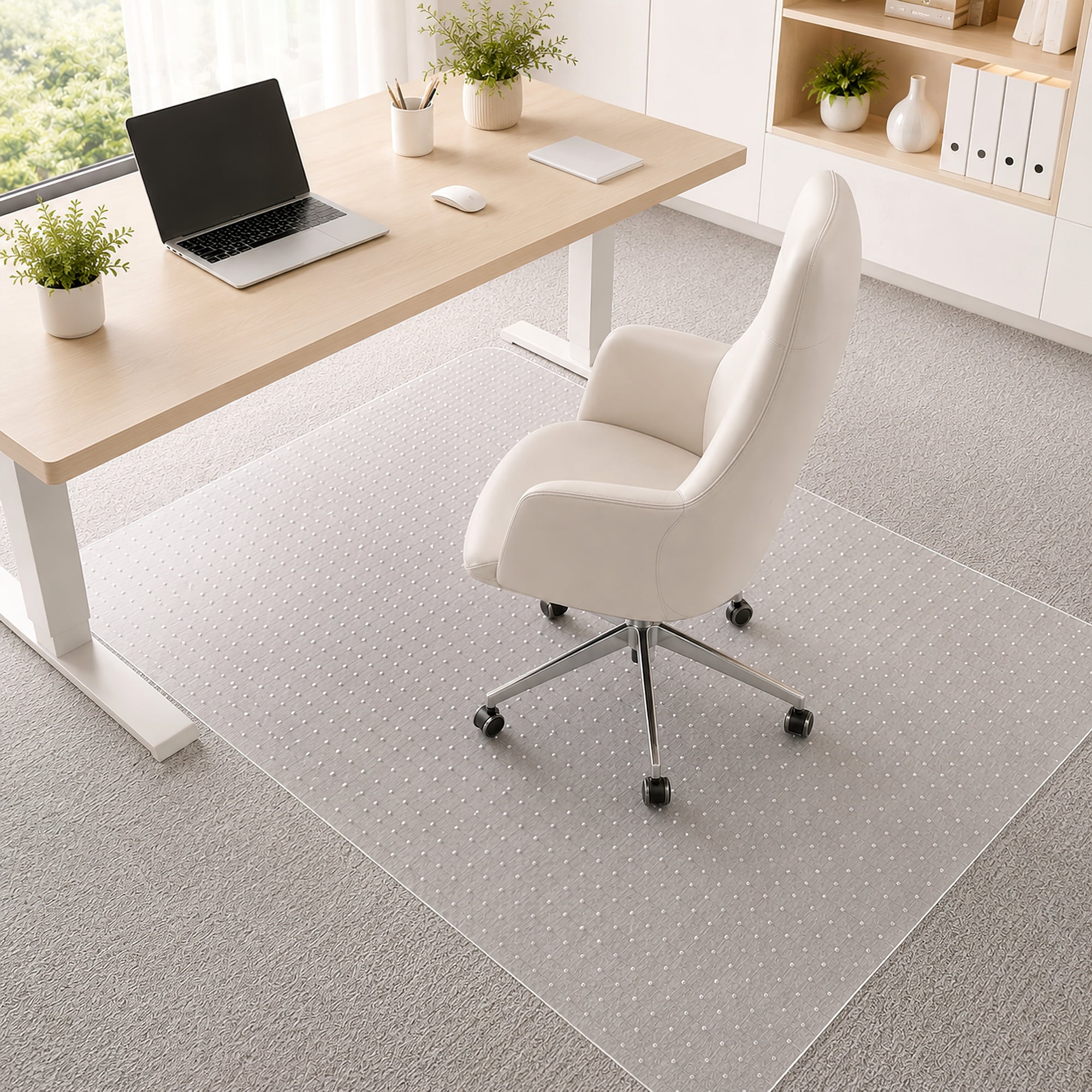
- Heavy-Duty PVC: The most common and cost-effective choice for thick carpet. Look for mats labeled "heavy-duty" or "for thick carpet." These are typically 1/8-inch to 3/16-inch thick and made from a flexible yet strong PVC compound. They offer excellent durability and a smooth rolling surface.
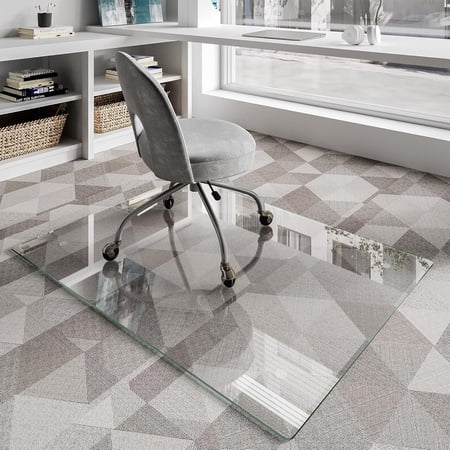
- Polycarbonate: This is the premium, top-tier choice. Polycarbonate mats are incredibly strong, crystal clear, and resistant to cracking and warping even under heavy use and in varying temperatures. They are also phthalate-free, making them a more environmentally friendly option. If you have a very deep pile carpet or want the absolute best, a polycarbonate mat is the gold standard.
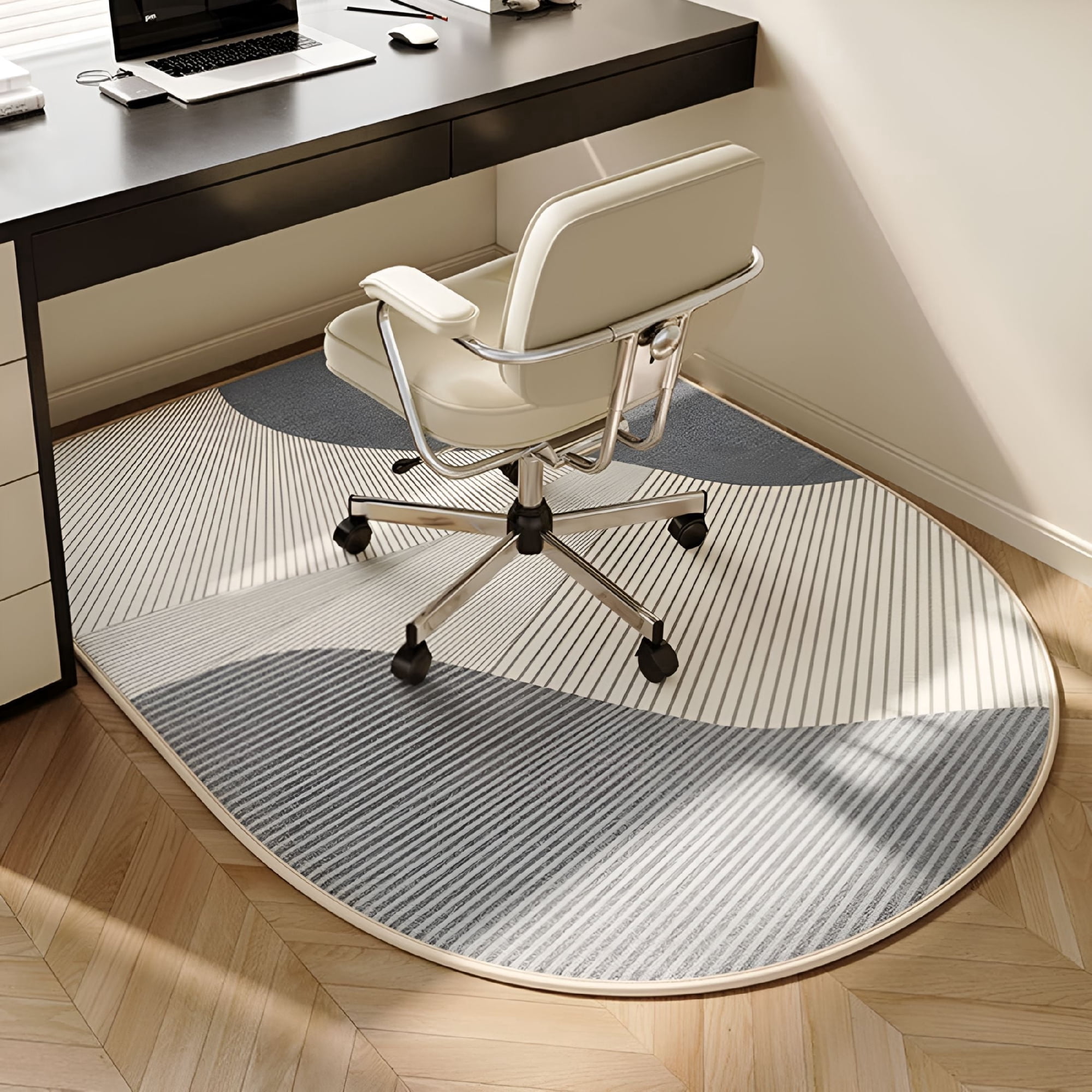
- Bamboo/Wood: Aesthetically beautiful, but generally not recommended for thick carpet. They require a perfectly flat, hard subfloor and specific caster types, and they often lack the necessary anchoring system for plush carpets.
2. The Underside: The "Gripper" System is Crucial
The underside of a mat for thick carpet is completely different from one for hard floors.
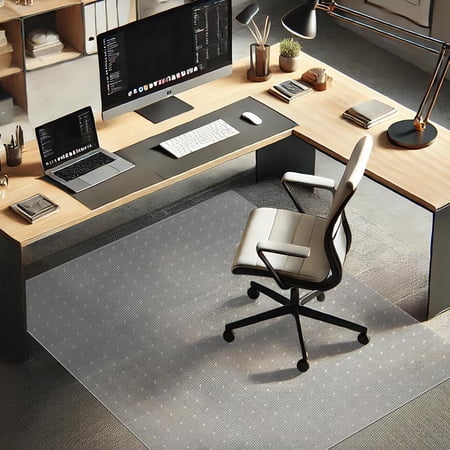
- Hard Carpet Cleats: Instead of small gripper dots, thick carpet mats feature a pattern of hundreds of small, sharp, hard-plastic "cleats" or "spikes." These cleats are designed to push through the thick carpet pile and grip the carpet backing firmly. This anchoring system prevents the mat from sliding around as you move your chair, which is a common safety hazard with the wrong mat.
- Why Cleats Matter: Without these cleats, your mat would simply float on top of the carpet. Every time you pushed back from your desk, the mat would move with you, creating a frustrating and potentially dangerous situation. The cleats keep the mat locked in place.
3. Shape and Size: Fit for Your Workspace
Choosing the right shape and size is about practicality and ergonomics. A mat that's too small will restrict your movement, and one that's too large might not fit your space.
Quick Measurement Guide:
- Standard Rectangle: Best for traditional desk setups. Ensure it extends far enough behind you so your chair's casters stay on the mat when you lean back (at least 48" deep).
- Lip or "Home" Shape: This popular design has a protruding "lip" that extends under your desk, protecting the area where your feet rest. It's perfect for L-shaped desks or when you want protection for your feet and chair.
- Key Measurement: For thick carpets, a 48" x 60" mat is a common and versatile size. Always measure the depth of your desk and the rolling radius of your chair before purchasing.
Choosing Between PVC and Polycarbonate Mats
To simplify your decision, here is a direct comparison of the two most suitable materials for thick carpet.
Heavy-Duty PVC Mats: The Practical Workhorse
- Cost: More affordable and budget-friendly.
- Durability: Excellent for most home office applications. Resists cracking and wear.
- Flexibility: Remains flexible in a wide range of temperatures.
- Variety: Available in a wide range of sizes, shapes (including lip), and textures (clear, textured, colored).
- Best For: The majority of users with medium-pile to thick plush carpets who want a reliable, long-lasting solution without the premium price tag.
Polycarbonate Mats: The Premium, Eco-Friendly Choice
- Cost: Significantly more expensive, reflecting its premium nature.
- Durability: Virtually unbreakable. It will not crack, warp, or yellow over time, even under extreme weight or temperature changes.
- Clarity: Exceptionally clear and will not become hazy, making your carpet's beauty the focal point.
- Eco-Friendliness: 100% phthalate-free and often recyclable.
- Best For: Homeowners with very expensive, deep-pile carpets, those seeking a "forever" product, and individuals sensitive to VOCs or looking for a non-toxic option.
Installation and Maintenance Tips for Longevity
Once you've selected your ideal carpet protector for office chair, proper installation and care will ensure it serves you well for years.
- Let It Settle: When you first unroll your new mat, it may have a "memory" of being rolled. Place it in the desired spot on your thick carpet. The weight of the mat and the room temperature will help it flatten out. You can place heavy books on the edges to speed up the process. Never try to forcefully flatten it by bending it backward, as this can cause cracks.
- Cleaning is Simple: Regular cleaning prevents dirt and debris from acting like sandpaper, which can dull the surface and scratch your carpet. Vacuum the mat regularly, and for a deeper clean, use a damp cloth with a mild soap and water solution. Avoid harsh chemicals or abrasive cleaners.
- Inspect the Cleats: Over time, the carpet cleats on the bottom can accumulate lint and dust. If you notice the mat starting to slip, simply flip it over and wipe the cleats clean with a dry cloth or use a vacuum brush attachment.
By understanding these features, you can confidently choose a mat that not only protects your carpet but also enhances your daily work comfort and efficiency. The right mat transforms a frustrating workspace into a seamless, professional environment.
Frequently Asked Questions About Chair Mats for Thick Carpet
Conclusion: A Small Investment for Long-Term Protection
Choosing the right office chair mat for thick carpet is one of the smartest investments you can make for your home office. It's the intersection of ergonomics, floor protection, and daily functionality. By understanding the critical differences in materials—opting for heavy-duty PVC or premium polycarbonate—and ensuring the mat has the proper carpet-cleat underside, you can eliminate the daily frustration of a stuck or sinking chair.
Whether you prioritize the value and versatility of a PVC mat or the unparalleled clarity and durability of polycarbonate, your choice will preserve the beauty of your carpet and create a workspace that is as functional as it is inviting. Take the time to measure your space, consider your carpet's pile, and select a mat that meets your specific needs. Your back, your chair, and your carpet will thank you.