
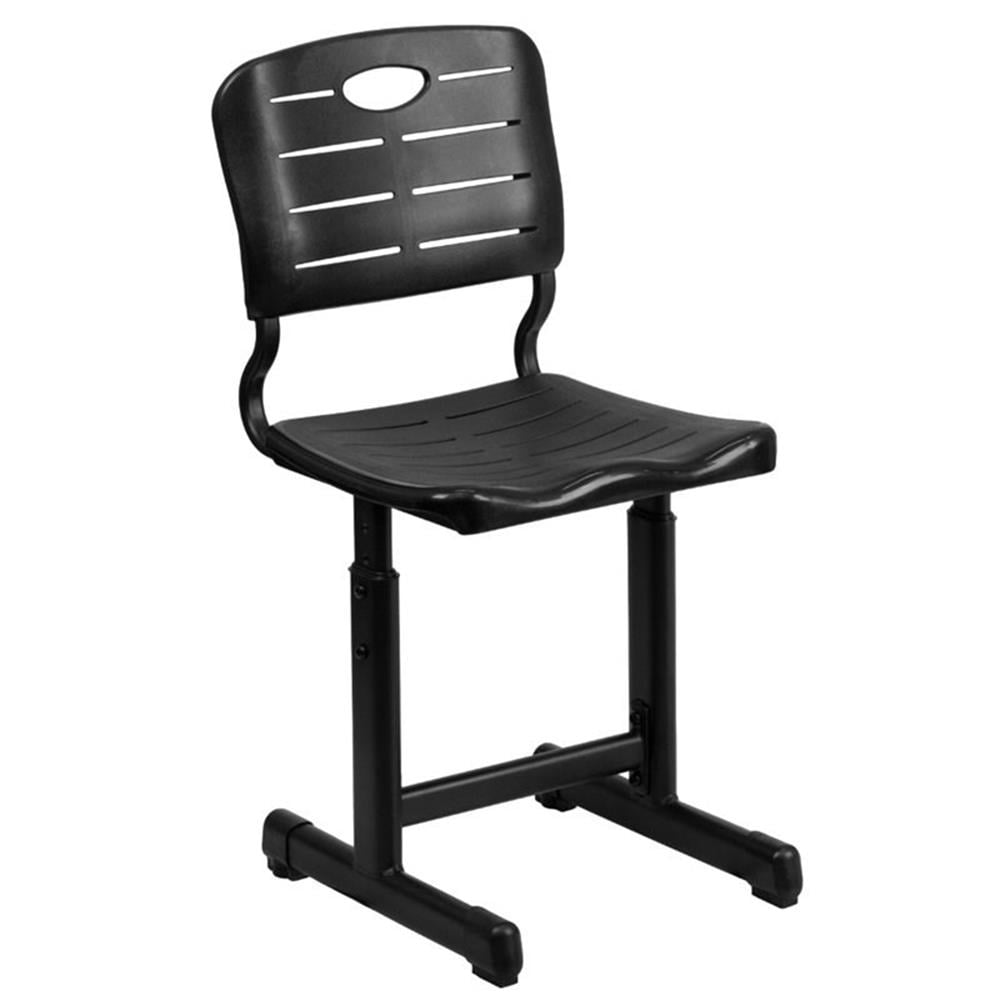

Why a Dedicated Student Office Chair Matters for Learning
Think of a student office chair as a "learning partner." Just as a well-organized backpack keeps supplies ready, a good chair keeps the body aligned and comfortable, so the mind can focus on algebra, essays, or coding. Whether you're a high schooler tackling AP courses, a college student in a cramped dorm, or an adult in online certification, the right chair can make the difference between fatigue and sustained concentration.
Did you know? According to a study by the National Institutes of Health, students who used ergonomic chairs reported a 35% reduction in musculoskeletal discomfort and a 20% improvement in self-reported concentration levels compared to those using standard dining chairs. (Source: NIH, 2022)
Anatomy of a Perfect Student Office Chair: Beyond Basic Seating
Student chairs are not just smaller versions of executive chairs. They face unique challenges: variable body sizes (growing teens), diverse tasks (writing, typing, reading), and often tighter budgets. Let's break down what really matters.
1. Ergonomic Adjustability That Grows With the Student
A one-size-fits-all approach fails in a student chair. Look for these adjustable elements:
- Seat height range: Ideally 16" to 21" to accommodate both a 5'2" freshman and a 6'2" senior. Pneumatic lift is standard but ensure smooth operation.
- Backrest angle & tension: A slight recline (10-15 degrees) reduces spinal disc pressure. A tilt tension knob lets lighter students recline easily without feeling stuck.
- Lumbar support (height-adjustable): Critical. The curve should hit the small of the back. Some chairs offer depth adjustment via a knob—a premium feature that's worth it.
- Armrests (optional but helpful): If present, they should be height-adjustable so elbows rest at 90 degrees while typing. For tight spaces, flip-up armrests are genius.
2. Breathability & Materials: The "All-Nighter" Factor
Students often pull long study sessions. A chair that traps heat leads to restlessness. Here's a comparison in student context:
✅ Mesh Backs
- • Superior airflow—no sticky backs.
- • Lightweight, easy to move.
- • Often more affordable.
- • Downside: less padding; may need a lumbar pad.
✅ Fabric/Padded Seats
- • Comfortable for sit-stand desks (more cushion).
- • Comes in colors/patterns to match dorm decor.
- • Downside: can absorb spills—look for stain-resistant treatment.
For most students, a mesh-back with a fabric seat offers the ideal combo: breathable back, cushioned base.
3. Durability & Mobility: Dorm Life & Daily Shuffle
Student chairs get moved around—from desk to common area, maybe even rolled to a friend's room. Key considerations:
- Caster wheels: Dual-wheel casters (often called "rollerblade style") roll smoothly on both carpet and hard floors without scratching. For dorm hard floors, soft rubber casters are non-negotiable.
- Base construction: Nylon bases are lightweight and strong enough for most students (up to 250-275 lbs). For heavier students, look for a reinforced nylon or metal base with a higher weight capacity (300+ lbs).
- Frame warranty: At least 5 years on the mechanism and frame shows manufacturer confidence.
4. Small-Space Superpowers: Dorm and Apartment Friendly
Many students work in tight quarters. Features that save space:
- Flip-up armrests: Allows the chair to slide completely under a desk when not in use.
- Compact dimensions: Look for seat width around 19-20 inches (standard) rather than oversized "big & tall" versions.
- Lightweight design: Under 30 lbs makes it easy to relocate.
5. Style & Personal Expression
Let's face it—students care about aesthetics. A chair in a favorite color (purple, pink, bright blue) or with a sleek modern look can make a study space feel inviting. Many brands now offer "dorm collection" chairs in fun hues without sacrificing ergonomics.
Pro Insight: A survey of 500 college students found that 68% would study longer if their chair was more comfortable. The same survey noted that students using an ergonomic chair had 40% fewer "study breaks" due to discomfort. (Student Comfort Survey, 2023)
Quick Comparison: Student Chair vs. Standard Task Chair
| Feature | Student Office Chair Focus | Typical Task Chair Focus |
|---|---|---|
| Price Range | $150 – $350 (budget-conscious) | $300 – $700+ |
| Adjustability | Essential: height, tilt, lumbar | Extensive: 4D arms, seat depth, etc. |
| Mobility/Casters | Soft casters for hard floors (dorms) | Varies, often carpet-friendly |
| Weight Capacity | Typically 250-300 lbs | Often 275-400 lbs |
| Aesthetics | Colorful, modern, compact | Professional, neutral |
Step-by-Step Guide to Choosing Your Student Office Chair
Step 1: Measure Your Space
Grab a tape measure. Note the height of your desk (standard ~29"). Measure the space underneath to ensure the chair's seat height range fits. Also, measure the room footprint—you don't want a chair that juts into a walkway.
Step 2: Identify Your Study Habits
Do you sit for 2-hour sprints or 6-hour marathons? Marathon sitters need more padding and breathability. Do you type a lot? Adjustable armrests become vital. Use this quick matrix:
Step 3: Set a Realistic Budget
Entry-level student chairs ($100-$200) offer basic adjustments. The "sweet spot" ($200-$350) brings better mesh, stronger gas lifts, and longer warranties. If you're a larger student, budget a bit more for reinforced models.
Step 4: Test (or Research) the Lumbar Support
If possible, sit in the chair. Does the lumbar curve hit your lower back? Is it adjustable? For online purchases, read reviews specifically about back support for your height.
Step 5: Check the Warranty & Return Policy
A 5-year warranty on parts is a good sign. Also, ensure the retailer allows returns—comfort is subjective.
Frequently Asked Questions About Student Office Chairs
Conclusion: Invest in Your Study Sanctuary
Your student office chair is more than furniture—it's a tool for academic achievement. By choosing a chair with proper lumbar support, breathable materials, and fit for your space, you're setting up countless study sessions for success. Remember, the best chair is the one you forget you're sitting in because you're focused on acing that exam.
Explore the curated products above to find a chair that matches your style, budget, and ergonomic needs. Your back (and your GPA) will thank you.