
Your Floor's Best Friend: The Unsung Hero of the Office
Imagine this: you've just invested in a stunning hardwood floor or a plush, cozy carpet for your home office. It looks perfect. Then, you roll your office chair back to grab a document, and *screech*. The wheels grind against the wood, or they get tangled in the carpet fibers. Over time, that perfect floor starts showing tracks, worn patches, and ugly scratches. This is where the humble, yet essential, office chair floor cover steps in.
Think of a floor cover as a suit of armor for your flooring. It's a transparent shield that takes the beating so your floor doesn't have to. But it's not just about protection. A good floor mat actually improves your office experience. On carpet, it creates a hard, smooth surface that lets you glide effortlessly. On hard floors, it dampens noise and prevents that jarring feeling of wheels clattering over every tiny imperfection. Choosing the right one can feel overwhelming, but this guide will walk you through everything you need to know.
The Ultimate Guide to Choosing Your Office Chair Floor Cover
Selecting the perfect floor cover isn't just about grabbing the first clear mat you see. It's a science of matching materials, floor types, and personal needs. Let's break it down.
1. Identify Your Floor Type: The Golden Rule
This is the single most important factor. Using the wrong mat can be ineffective or even damage your floor. Ask yourself: What is under my chair?
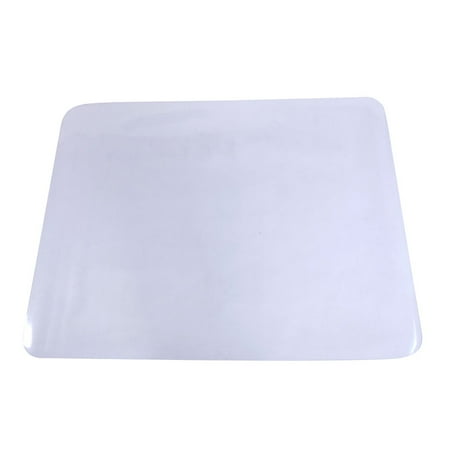
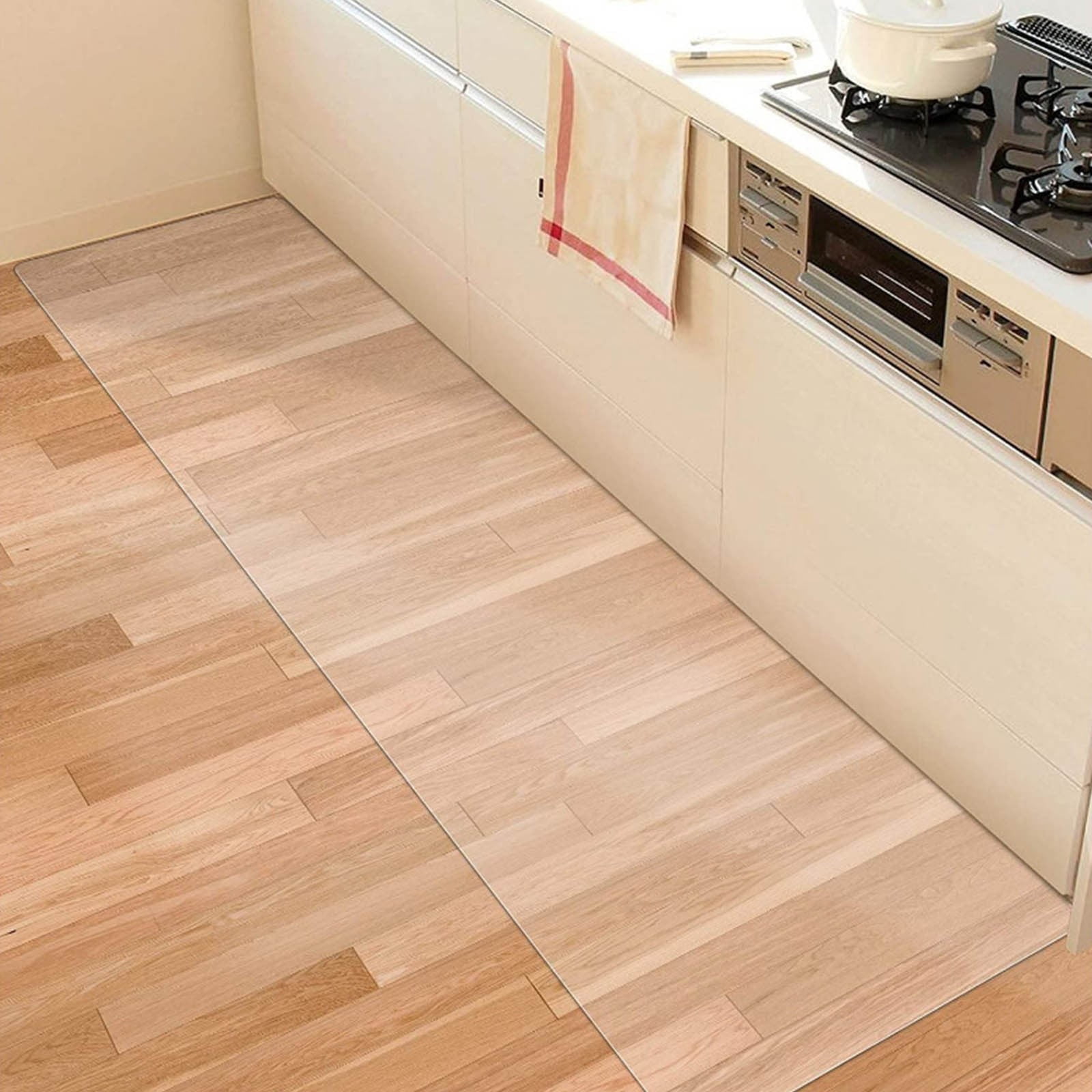
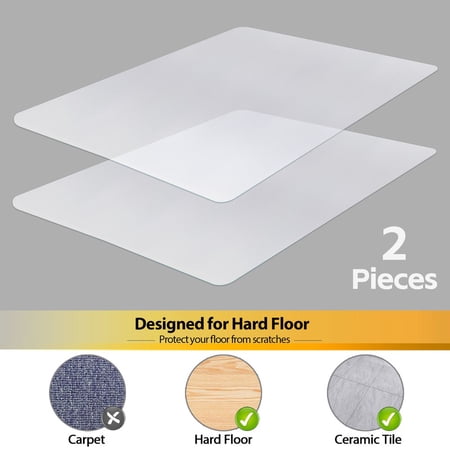
- Hardwood, Tile, Laminate, or Vinyl Plank Floors: You need a hard floor mat. These are typically made of a flat, rigid material. Their purpose is to provide a smooth, slippery surface that protects against scratches and dents. They usually lie flush with the floor.
- Low to Medium-Pile Carpet: This is the most common office carpet. You need a standard carpet mat. These mats have a smooth top surface and a bottom side covered in short, strong spikes or a grippy texture that anchors into the carpet.
- High-Pile or Plush Carpet: Thicker, softer carpet requires a high-pile carpet mat. The spikes on the bottom are longer to penetrate the deep fibers and reach the base, preventing the mat from shifting and 'floating' on top of the carpet.
2. Material Matters: PVC, Polycarbonate, or Glass?
The material dictates durability, clarity, and longevity. Here’s a quick comparison:
PVC (Vinyl) Mats
- Pros: Most affordable, widely available, flexible.
- Cons: Can curl at the edges over time, may become yellow or cloudy with age, has a distinct "plastic" smell when new, can crack in very cold temperatures.
- Best for: Budget-conscious users, low-traffic home offices.
Polycarbonate Mats
- Pros: Extremely durable and crack-resistant, remains crystal clear for years, resists curling, better for heavy chairs and rolling.
- Cons: More expensive than PVC, can be heavier.
- Best for: High-use executive offices, those wanting a premium, long-lasting clear look.
There are also specialized options like tempered glass mats for a modern, ultra-durable (but heavy) look, and eco-friendly mats made from recycled materials, which offer a great balance of sustainability and performance.
3. Size and Shape: Mapping Your Movement
A common mistake is buying a mat that's too small. You shouldn't be able to roll off it easily. Consider your workspace layout.
- Standard Rectangle (e.g., 36" x 48"): The most common choice. Fits well under most desks and provides ample rolling space side-to-side and front-to-back.
- Lip or Keyhole Shape: These mats have a curved cutout designed to fit snugly under your desk, allowing the legs of your desk to sit on the floor while the mat protects the area where your chair rolls. This is a professional and space-efficient choice.
- Oversized or Commercial Mats: For L-shaped desks or large executive offices, look for larger sizes (like 48" x 60" or more) to cover the entire work area.
Pro Tip: Measure the area under your desk from the wall to where your feet rest, and side-to-side past your armrests. Add at least 6-8 inches to each measurement to ensure full coverage.
4. Thickness and Grip: The Unsung Details
For hard floors, thickness generally equals durability. A 1/8-inch mat is standard, but a 3/16-inch mat will feel more substantial and last longer. For carpet, the grip mechanism is key. Flip the mat over. You want to see sharp, well-defined spikes (for carpet) or a textured non-slip backing (for hard floors to prevent the mat itself from sliding).
5. Aesthetics: Clear vs. Colored vs. Patterned
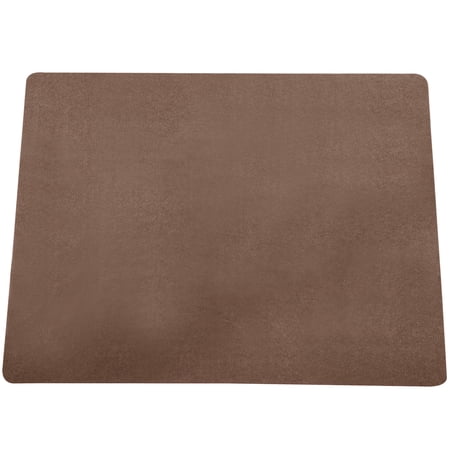
Most people choose clear mats to let their beautiful flooring show through. However, if you have a carpet you'd rather hide, or want to add a design element, colored or patterned mats are available. Some high-end options even have fabric tops for a more luxurious feel.
Installation and Maintenance Tips
Once you've chosen your perfect office chair floor cover, proper setup will ensure it lasts. Unroll it and let it flatten out for a day, especially if it's PVC. Clean it regularly with a damp cloth or a mild cleaner to prevent dirt buildup, which can actually scratch your floor. Avoid using harsh chemicals or abrasive pads.
Frequently Asked Questions About Office Chair Floor Covers
Final Thoughts: A Small Investment for Long-Term Peace of Mind
Your office floor is a significant part of your workspace investment. An office chair floor cover is a small price to pay to protect that investment for years to come. It's not just an accessory; it's a functional tool that enhances your daily comfort, reduces noise, and keeps your office looking professional. By considering your floor type, the material of the mat, and the size you need, you can find the perfect shield for your space. Browse the top picks above to find a durable, high-quality floor cover that suits your style and budget.