
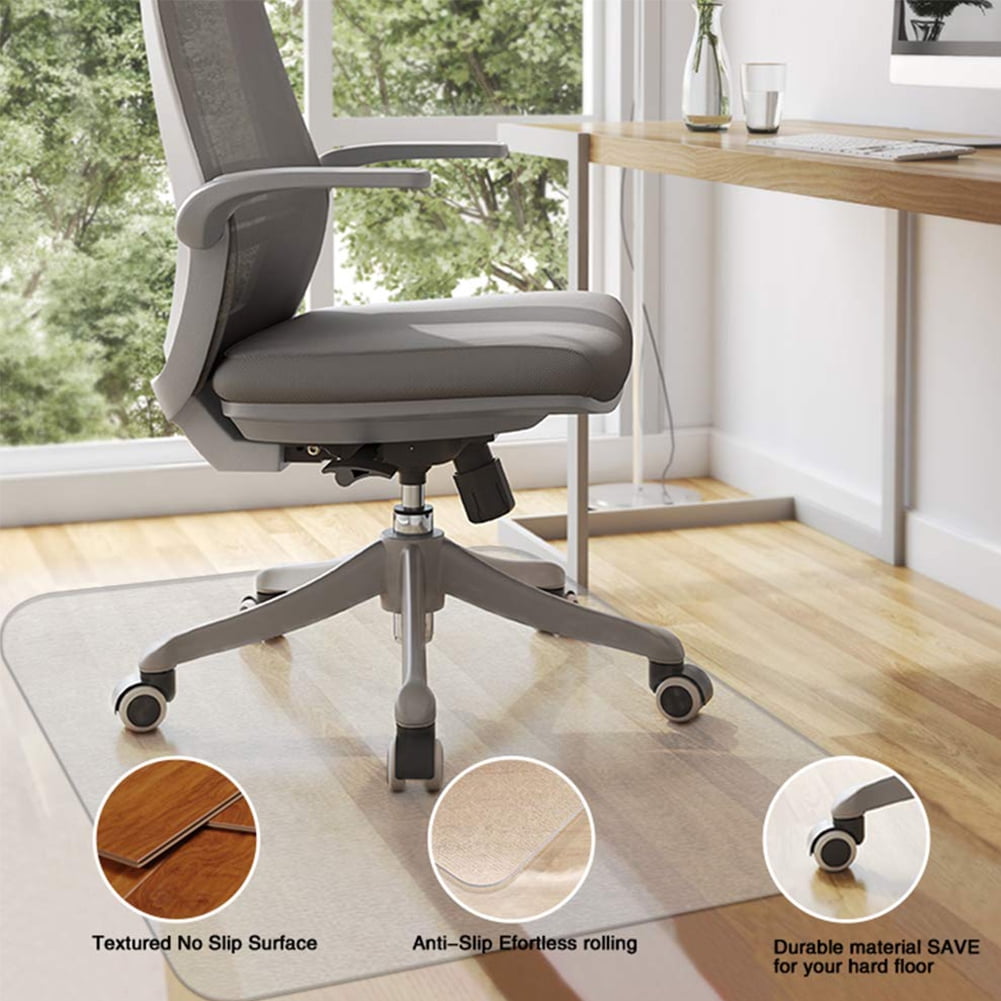

Why Your Carpet Needs a Dedicated Office Chair Mat
Imagine rolling your chair across a pristine carpet. At first, it feels fine. But after a few weeks, you notice a trail of matted fibers. The casters snag on the pile, making it hard to move from your desk to the filing cabinet. This isn't just annoying—it's a slow degradation of your flooring and a drain on your productivity. An office desk chair mat for carpet acts like a protective shield, similar to how a quality phone case guards your investment. It creates a smooth, low-friction surface that lets you glide effortlessly while preserving the carpet beneath.
According to interior design studies, rolling chairs can cause irreversible damage to carpet fibers, reducing their lifespan by up to 60% in high-traffic office areas. A chair mat is not an accessory; it's a necessity for anyone with a carpeted home office. In this guide, we'll explore everything from material science to sizing, ensuring you pick the perfect mat for your workspace.
The Anatomy of a Great Chair Mat: What Really Matters?
Not all chair mats are created equal. Choosing the wrong one can lead to cracking, curling edges, or a mat that slides around like a hockey puck. Let's break down the key components using a framework that considers your carpet type, office layout, and personal habits.
1. Material Science: Hardness vs. Flexibility
The material dictates durability, feel, and suitability for your carpet.
🛡️ Polycarbonate / Hard Plastic
- Best for: Low to medium-pile carpet.
- Pros: Extremely durable, crystal clear options, resists cracking under chair weight.
- Cons: Can be noisy, may crack if folded or exposed to extreme cold.
- Analogy: Like a tempered glass screen protector—tough and clear.
🌀 Vinyl / Gel / Flexible Mats
- Best for: Medium to thick, plush carpet.
- Pros: Grips better on thick carpet, quieter, less prone to cracking.
- Cons: Can develop stud marks from casters, may yellow over time.
- Analogy: Like a high-grip yoga mat—flexible and stays put.
2. The Grip System: Cleats, Spikes, and Anti-Slip Backing
For a mat to work on carpet, it must anchor itself. This is achieved through the underside pattern:
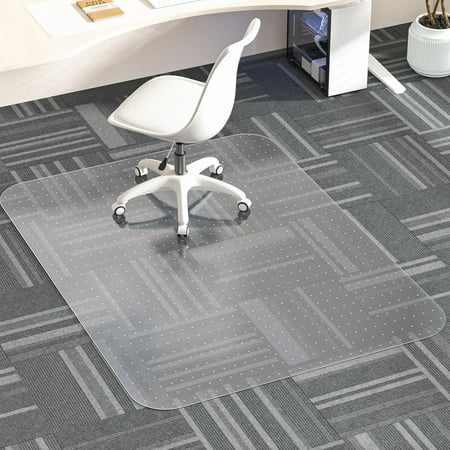
- Standard cleats (small teeth): Suitable for low-pile office carpet. They dig in just enough to prevent sliding.
- Deep-grip cleats: Essential for thick, residential carpet. These longer spikes penetrate deeper to reach the carpet backing, holding the mat firmly.
- Smooth back with adhesive or friction dots: Some newer mats use a sticky gel-like back that clings without spikes. Great for delicate carpets, but ensure it's rated for your pile height.
Pro tip: If you have expensive wool or berber carpet, look for mats specifically labeled "safe for delicate carpets" to avoid snagging loops.
3. Size and Configuration: Rectangle, Lip, or Corner?
Think of your mat as the "floor plan" of your workflow. You need room to roll side to side and reach all parts of your desk.
- Standard rectangle mats (e.g., 45" x 53"): The most common choice. Provides ample space for chair movement. Choose this if your desk has a straight edge and you have a standard chair.
- Lip / Studded mats: These have an extended flat area that slides under your desk, protecting the area where your feet rest. Ideal if you have a standard desk without a modesty panel.
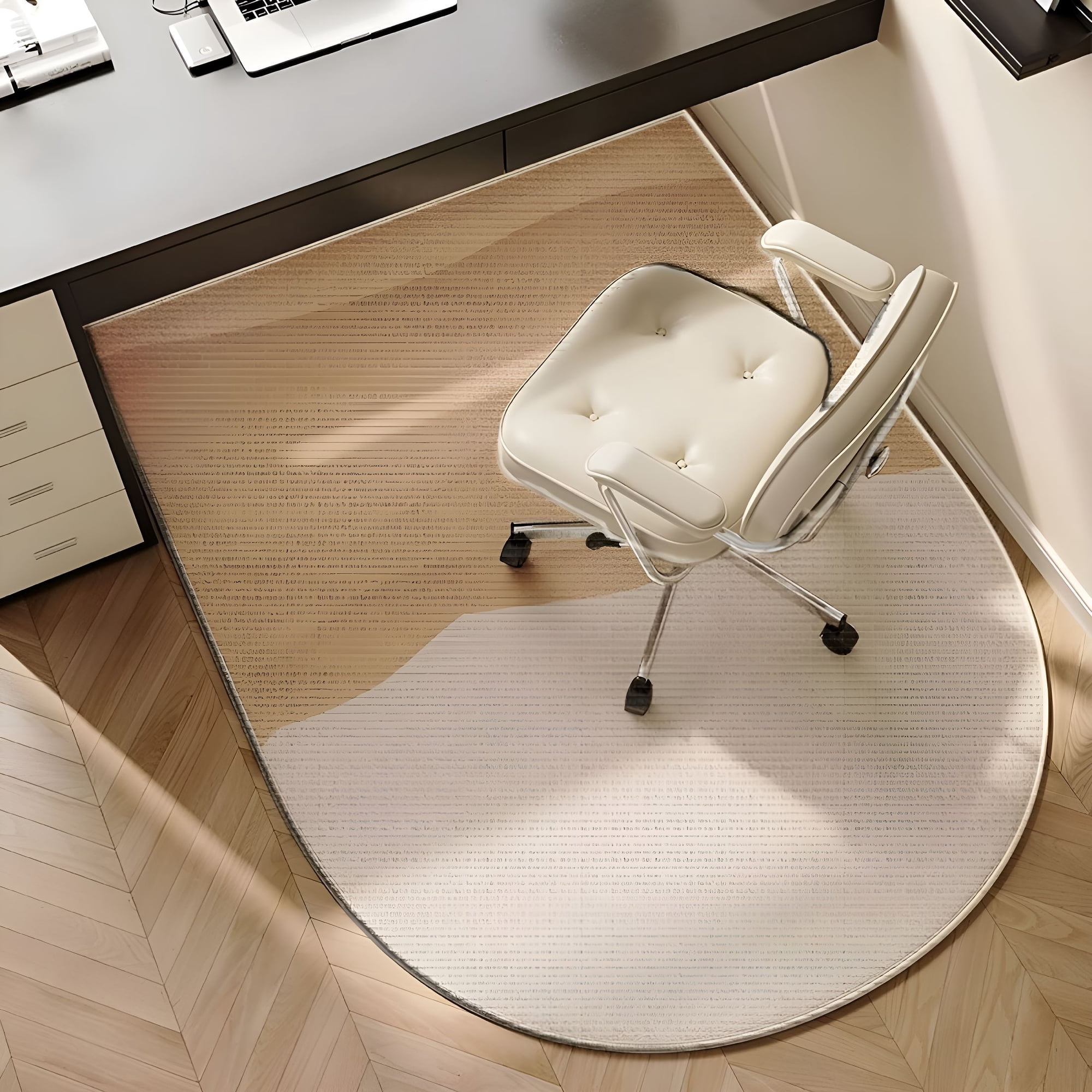
- L-shaped or corner mats: Perfect for corner desks. They cover both wings, allowing your chair to swing from one monitor to another without catching carpet.
Data point: A survey by the Interior Design Society found that 72% of home office users underestimated the required mat size, leading to casters frequently rolling off onto the carpet. Always choose a mat at least 6 inches wider than the width of your chair's wheelbase on each side.
4. Thickness and Beveled Edges
A quality mat will have a smooth, beveled edge. This ramp-like transition prevents the lip of the mat from becoming a tripping hazard and stops your chair wheels from banging into a sharp edge. Thickness usually ranges from 1/8" to 3/16". Thicker isn't always better—it depends on carpet pile. A very thick mat on low-pile carpet might feel unstable.
Quick Comparison: Chair Mat Types at a Glance
| Mat Type | Best Carpet Type | Durability | Price Range | Key Benefit |
|---|---|---|---|---|
| Hard Polycarbonate | Low-pile / Berber | Excellent (10+ yrs) | $50 – $120 | Crystal clear, scratch-resistant |
| Flexible Vinyl / Gel | Medium to thick plush | Good (5-8 yrs) | $40 – $90 | Superior grip, quiet rolling |
| Polypropylene (Economy) | Low-pile only | Fair (2-4 yrs) | $20 – $45 | Budget-friendly, lightweight |
| Hardwood / Bamboo (aesthetic) | Not for thick carpet* | Good (with care) | $100 – $250+ | Luxury look, eco-friendly |
* Hardwood mats typically require low-profile carpet and often need a separate non-slip underlay.
Beyond Protection: How a Mat Enhances Your Workflow
⚡ Effortless Glide
Reduce the force needed to move by up to 80%. Switch between tasks without friction.
🧹 Easier Cleaning
Vacuuming is simpler without chair indentations. Mats also trap less dust than bare carpet.
🪑 Chair Health
Prevents casters from clogging with carpet fibers, extending the life of your chair's wheels.
🎯 Defined Zone
Visually marks your work area, which can boost focus and organization.
Frequently Asked Questions About Office Desk Chair Mats for Carpet
Conclusion: Invest in Your Floor, Invest in Your Flow
Selecting the right office desk chair mat for carpet is a small decision with a big impact. It preserves your flooring, improves chair mobility, and creates a more professional, focused workspace. Don't let a few dollars of savings lead to hundreds in carpet replacement or the daily frustration of a stuck chair.
Final Recommendations
A hard polycarbonate mat (like a clear, heavy-duty rectangle) offers the best durability and smooth glide. Look for a beveled edge to prevent tripping.
Choose a flexible vinyl mat with deep-grip cleats. Brands like Floortex or LuxWeave specialize in this category. Ensure it's rated for high pile.
If style is paramount, a wooden mat can be stunning. Pair it with a non-slip underlay and ensure your carpet is very low-pile. Be prepared for more maintenance.
Your next step: Measure your space, identify your carpet type, and choose a mat from our curated product grid above. Your back (and your carpet) will thank you.