
Why Lower Back Support is the Non-Negotiable Feature for Office Workers
Imagine your spine as a carefully stacked column of bricks, with soft, gel-like cushions (the discs) between each one. Now, imagine spending eight hours a day leaning forward, collapsing that stack into a 'C' shape. This is what happens to your lumbar spine when you sit in a chair without proper support. The result? Compressed discs, strained muscles, and the all-too-familiar ache that follows you home.
For millions of people, the quest for the perfect office chair lower back support isn't about luxury—it's about daily relief and long-term spinal health. The human body isn't designed for prolonged sitting, but with the right ergonomic intervention, you can mitigate the damage and even turn your chair into a tool for better posture. This guide goes beyond simple recommendations, diving into the biomechanics of back pain and providing a roadmap to finding a chair that truly supports you.
Did you know? Research published in the journal *Spine* indicates that poor seated posture can increase pressure on intervertebral discs by up to 40%. Conversely, using a chair with adequate lumbar support can significantly reduce this pressure and decrease muscle fatigue, potentially lowering the risk of chronic lower back disorders.
Decoding Lumbar Support: It’s More Than Just a Pillow
Not all lumbar support is created equal. Understanding the nuances will help you make an informed decision. It's a spectrum from a simple curve in the plastic frame to sophisticated, multi-dimensional adjustable systems.
The Three Levels of Lumbar Support
- Level 1: Fixed (Built-in) Lumbar Support. This is a permanent curve or slight padding in the backrest. It's better than nothing and offers a standard, one-size-fits-most solution. However, if the curve doesn't align with your spine's natural lordosis, it can actually create a pressure point.
- Level 2: Adjustable Height Lumbar Support. This is a significant step up. A mechanism (often a knob or lever) allows you to move the lumbar element up or down. This is critical because the curve of a 5'2" person's spine is in a very different place than that of a 6'2" person. This feature ensures the support hits the right spot.
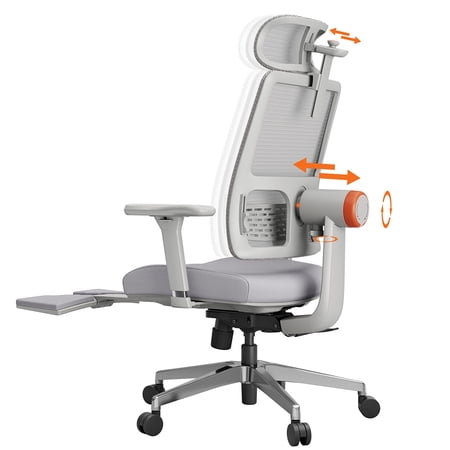
- Level 3: 4D Lumbar Support (Height & Depth). This is the gold standard. In addition to height, you can adjust the depth—how far the support protrudes into your back. This allows you to fine-tune the firmness and fill the exact gap in your lower back, providing a truly custom, therapeutic fit. This is what you should prioritize for chronic back issues.
The Material Matters: Foam vs. Air vs. Tension
The mechanism that creates the support also affects comfort:
- High-Density Foam: Provides firm, consistent pressure. It's durable and comfortable but offers a fixed shape.
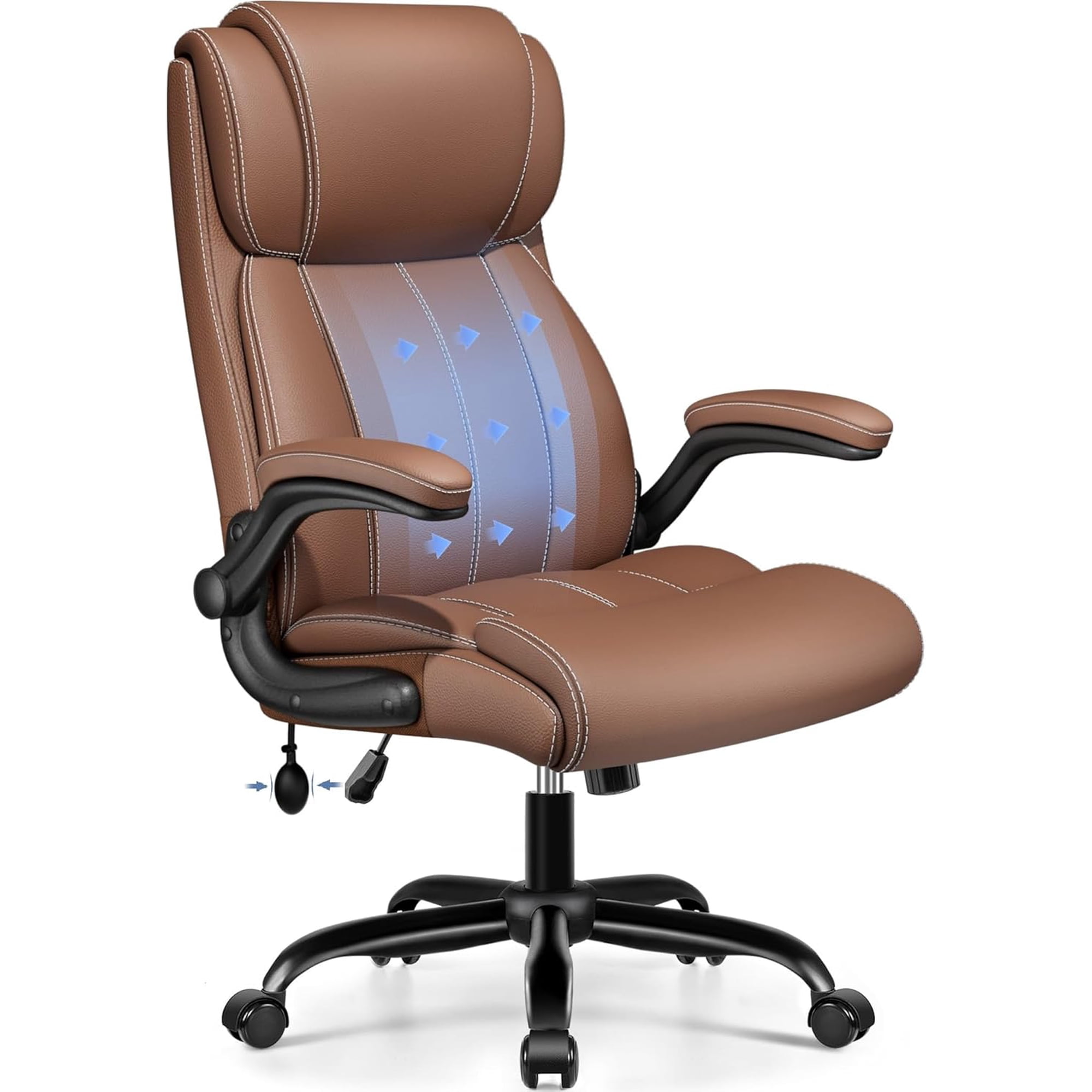
- Air Lumbar: Uses inflatable bladders, usually controlled by a pump. This allows for on-the-fly micro-adjustments in firmness and depth, offering the most dynamic and customizable experience.
- Tension-Controlled Mesh: Common in high-end mesh chairs, a tensioning system pulls the mesh tighter across the lumbar region, creating a supportive sling. It's highly breathable and responsive to movement.
The 'Pelvic Tilt' Connection: A Holistic View
Effective lower back support is intrinsically linked to your pelvis. When you sit, a posterior pelvic tilt (tucking your tailbone under) is what causes the lower back to round and slouch. A well-designed lumbar support encourages an anterior pelvic tilt (a slight forward rotation), which naturally restores the spine's healthy 'S' curve. This is why a chair with a forward-tilt mechanism, often found on high-end ergonomic models, can be a game-changer. It gently tips your pelvis forward, engaging your core and promoting an upright, supported posture without you having to consciously think about it.
Analogy for Complex Concept: Think of your pelvis as the foundation of a house, and your spine as the main structural wall. A chair's lumbar support is like a specialized brace that ensures the foundation is level (pelvic tilt) and the wall is straight (spine curvature). If the foundation is off, the whole structure suffers. Good lumbar support works from the ground up.
Step-by-Step Guide: Testing Lumbar Support in a Chair
Before you buy (or while you're testing a new chair), follow this 5-step process to evaluate the lower back support:
- Sit Naturally: Sit in the chair as you normally would, with your feet flat on the floor and your hips as far back as possible.
- The 'Hand Test': Slide your hand between your lower back and the chair's backrest. If there's a large, empty gap, the lumbar support is insufficient for you. If it's a tight squeeze, you have good contact.
- Engage the Adjustments: If the chair has adjustable lumbar support, cycle through its full range of height and depth. Pay attention to how the pressure point moves. Does it feel like it's pushing on your muscles, or directly on your spine? It should feel like a broad, supportive pressure on the muscular area on either side of your spine.
- The 30-Minute Test: Sit in the chair for at least 30 minutes. The initial "good" feeling can fade. After 30 minutes, do you feel any pressure points building? Is your back starting to ache? The right support should feel comfortable and unobtrusive even after time passes.
- The 'Stand Up' Check: Stand up after the test. Do you feel a sense of relief, or does your back feel stiff? A good chair will allow you to stand up feeling relatively the same as when you sat down, not worse.
Impact of Lumbar Support on Common Seated Posture Issues
| Posture Issue | How Lumbar Support Helps |
|---|---|
| Slouching / Rounded Back | Fills the lumbar void, preventing the spine from collapsing backwards. |
| Anterior Pelvic Tilt (Arched Back) | Properly positioned support can help moderate excessive arch by providing a counter-balance. |
| Sciatic Nerve Tension | Reduces pressure on the lower lumbar discs, which can irritate the sciatic nerve roots. |
| Muscle Fatigue | Reduces the workload of the lower back muscles, which otherwise have to constantly contract to keep you upright. |
Frequently Asked Questions About Lower Back Support
Your Path to a Pain-Free Workday
Choosing an office chair with exceptional lower back support is one of the most important investments you can make for your professional life and personal well-being. It’s a decision that pays dividends in focus, energy, and freedom from nagging pain. By understanding the difference between fixed and 4D adjustable systems, recognizing the role of materials, and knowing how to properly test a chair, you are now equipped to make a choice that truly supports your spine's unique needs.
Remember, the perfect chair is the one that fits you. It should feel like a natural extension of your body, providing a supportive foundation that allows you to focus on your work, not your back. Start your search with the top-rated models featured above, and use the knowledge from this guide to find the partner in posture you've been looking for.