
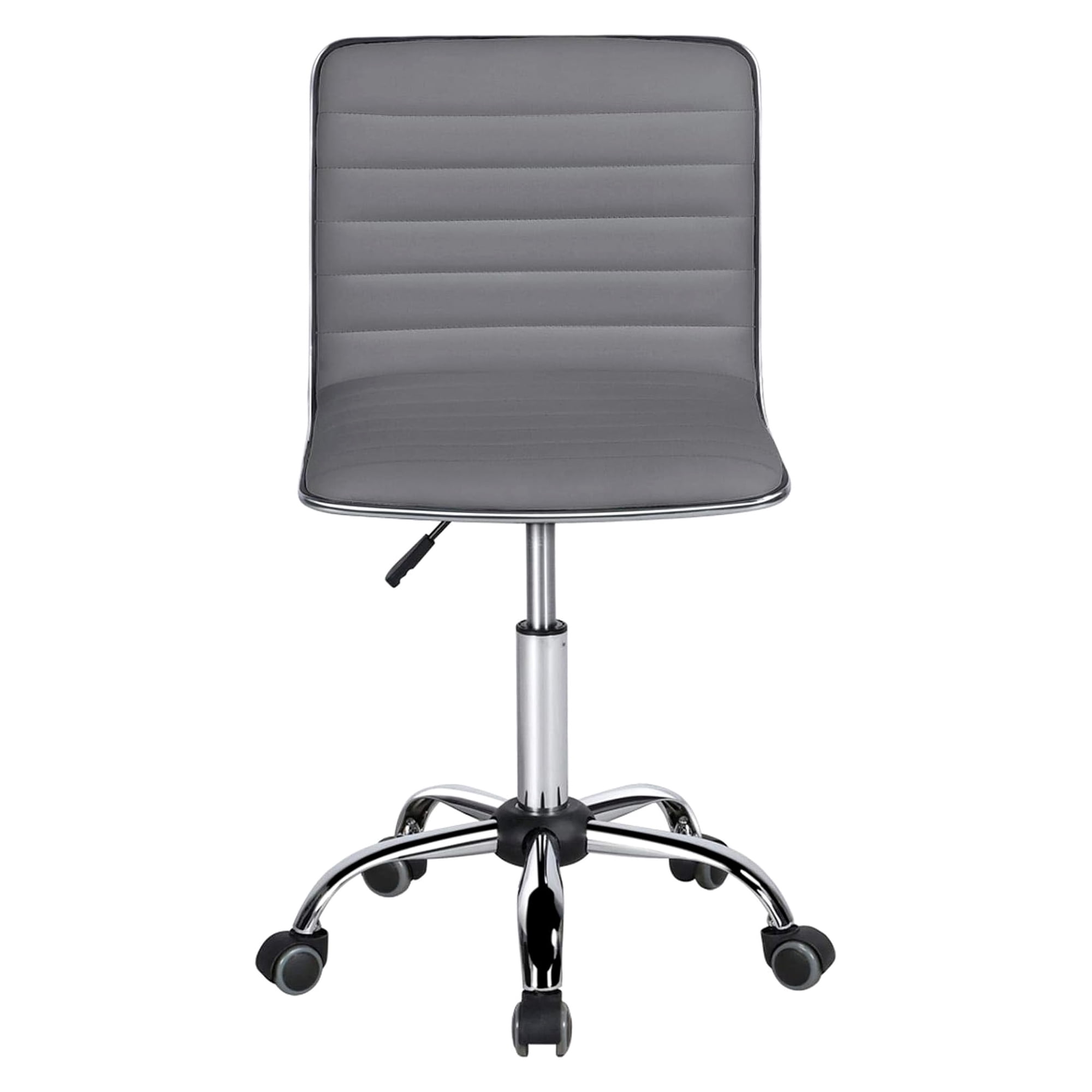
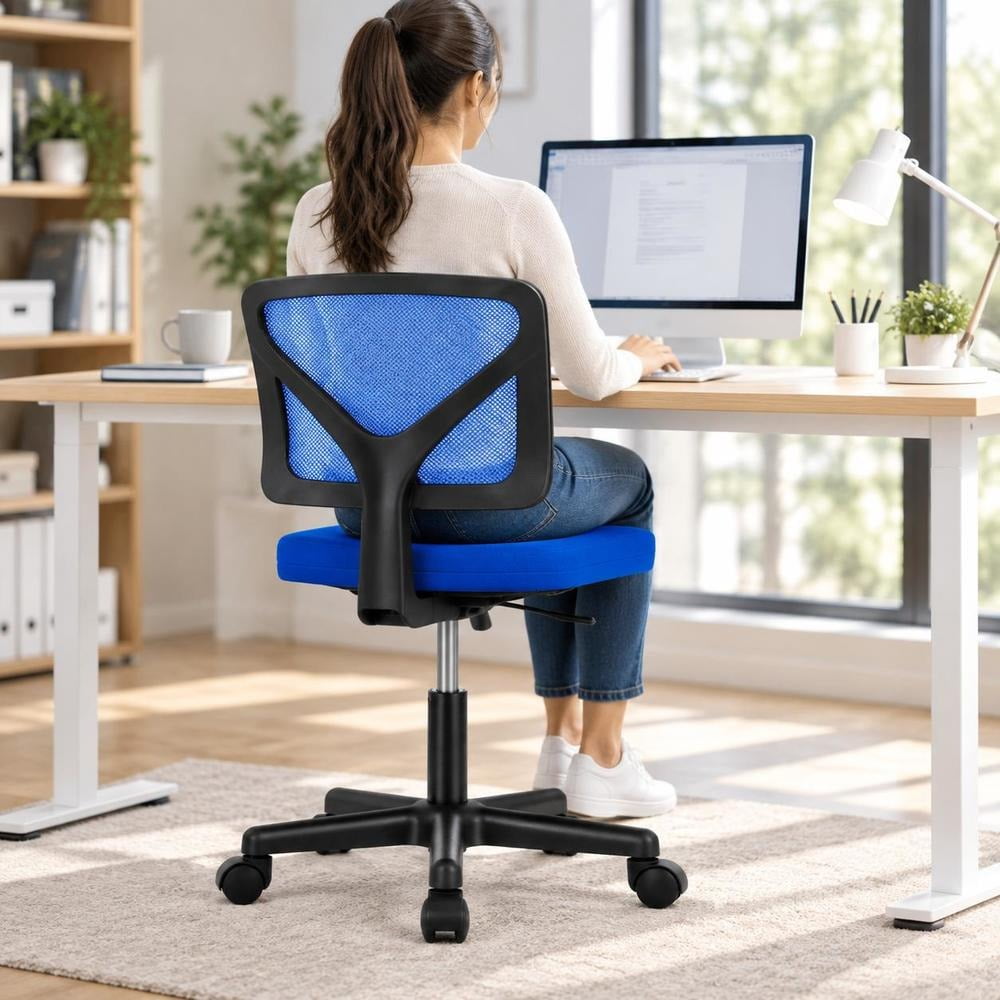
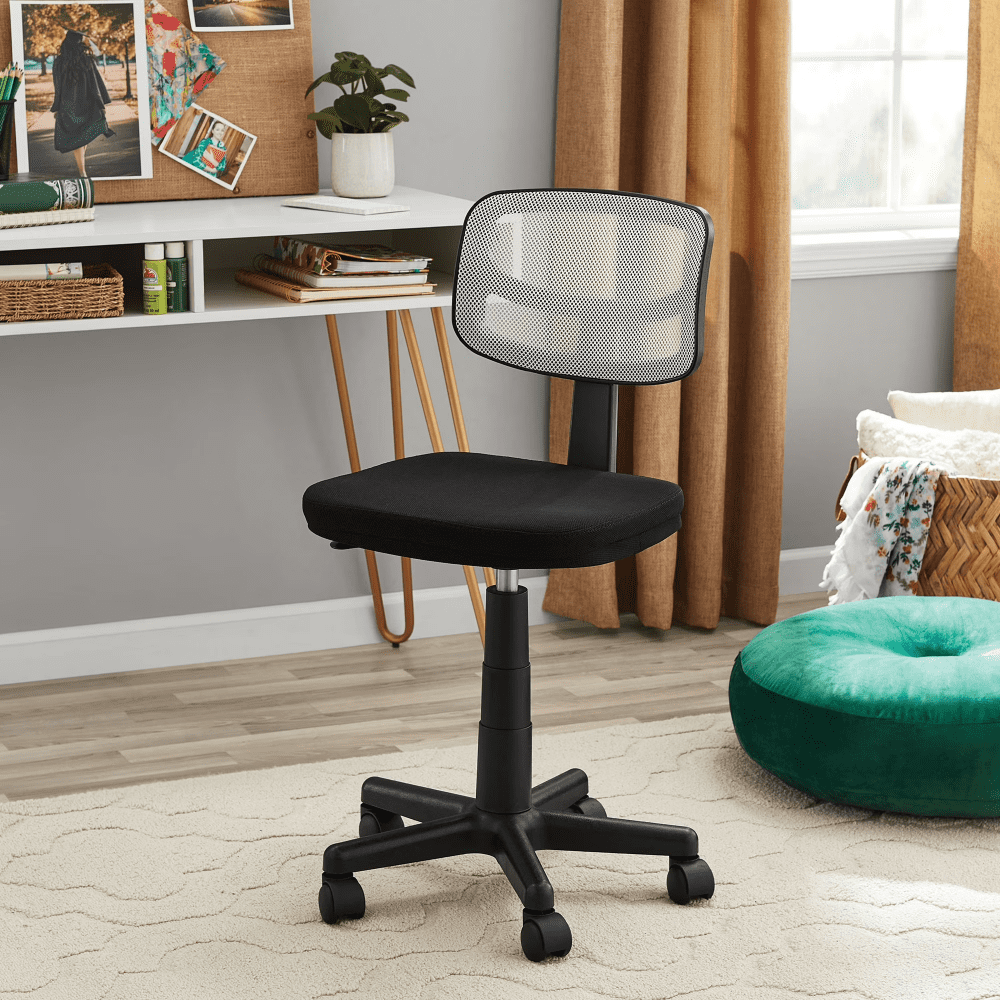
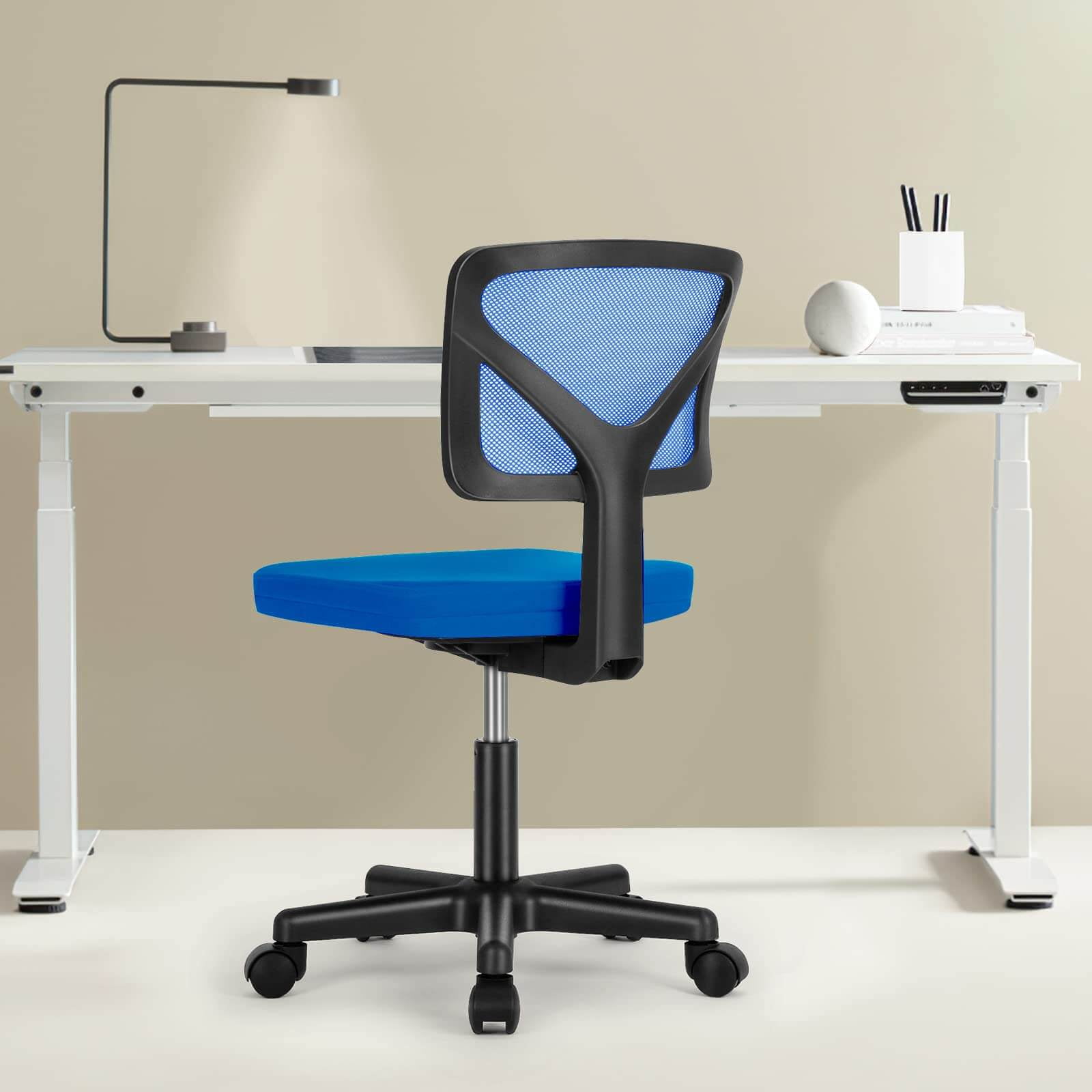
Why a Low Seat Height Office Chair Matters for Your Comfort
For many users, standard office chairs are designed with an average height range that simply doesn't fit. An office chair low seat height is not just a niche product; it's an ergonomic necessity for petite individuals, shorter professionals, and anyone working at a low desk. Sitting in a chair that is too high forces your feet to dangle, causing pressure on the back of your thighs and leading to poor posture, lower back pain, and reduced circulation.
Ergonomic Insight: Studies show that when your feet are flat on the floor and your knees are at a 90-degree angle, spinal alignment improves by up to 35%, significantly reducing fatigue and discomfort during long work hours. A low seat height chair is the key to achieving this posture for a significant portion of the population.
Key Benefits of Low Seat Height Office Chairs
Choosing the right low-profile chair offers distinct advantages that go beyond just fitting your desk:
- Optimal Foot Placement: Feet rest flat on the floor, improving stability and reducing lower body strain.
- Enhanced Circulation: Reduces pressure on the back of the thighs, promoting better blood flow.
- Improved Posture: Encourages a neutral spine position, reducing the risk of chronic back pain.
- Perfect for Low Desks: Ideal for adjustable standing desks set to a lower position or standard desks with a lower height.
- Increased Productivity: Comfortable seating allows you to focus on work without constant fidgeting or discomfort.
Who Needs a Low Seat Height Chair?
While they are a perfect fit for petite users under 5'4", low seat height chairs also benefit a wider audience:
Petite Professionals
Ensures feet reach the floor, preventing dangling and leg fatigue during long meetings and focused work.
Home Office Users
Perfect for a variety of desk heights and home setups, offering flexibility and comfort.
Teens and Young Adults
Provides a comfortable and safe seating option for growing users in study and gaming environments.
Anyone with a Low Desk
Even taller individuals can benefit if their desk sits lower than standard, allowing them to maintain proper arm and eye alignment.
How to Choose the Right Low Seat Height Office Chair
Selecting the ideal low-profile chair requires considering several features to ensure it meets your specific needs:
| Feature | Why It Matters | Recommended Specification |
|---|---|---|
| Seat Height Range | Ensures your feet are flat on the floor with knees at 90 degrees. | Look for a range from 14 to 18 inches. |
| Lumbar Support | Maintains the natural curve of your spine, preventing lower back pain. | Adjustable height and depth for personalized support. |
| Seat Depth | Prevents pressure on the back of the knees and allows proper thigh support. | Should be adjustable or have a depth of 16-18 inches. |
| Armrests | Reduces shoulder and neck tension by supporting your arms. | 3D or 4D adjustable armrests for optimal positioning. |
| Weight Capacity | Ensures durability and safety regardless of body type. | Minimum 250 lbs for standard durability. |
Ergonomic Tips for Using a Low Seat Height Chair
Simply having a low seat height chair isn't enough; using it correctly is crucial for maximum benefit:
1. Adjust Your Chair Height
- Feet Flat: Your feet should be firmly planted on the floor.
- Knees at 90°: Your knees should form a right angle.
- Hips Slightly Higher: Your hips should be slightly higher than your knees to maintain the natural curve of your spine.
2. Set Your Desk Height
- Elbow Angle: Your elbows should form a 90-degree angle when typing, with your forearms parallel to the floor.
- Monitor Top: The top of your monitor should be at or slightly below eye level.
3. Fine-Tune Lumbar Support
- Spinal Curve: Adjust the lumbar support to fit the curve of your lower back.
- Pressure Point: Ensure the support exerts gentle pressure on your lumbar region, not your pelvis.