
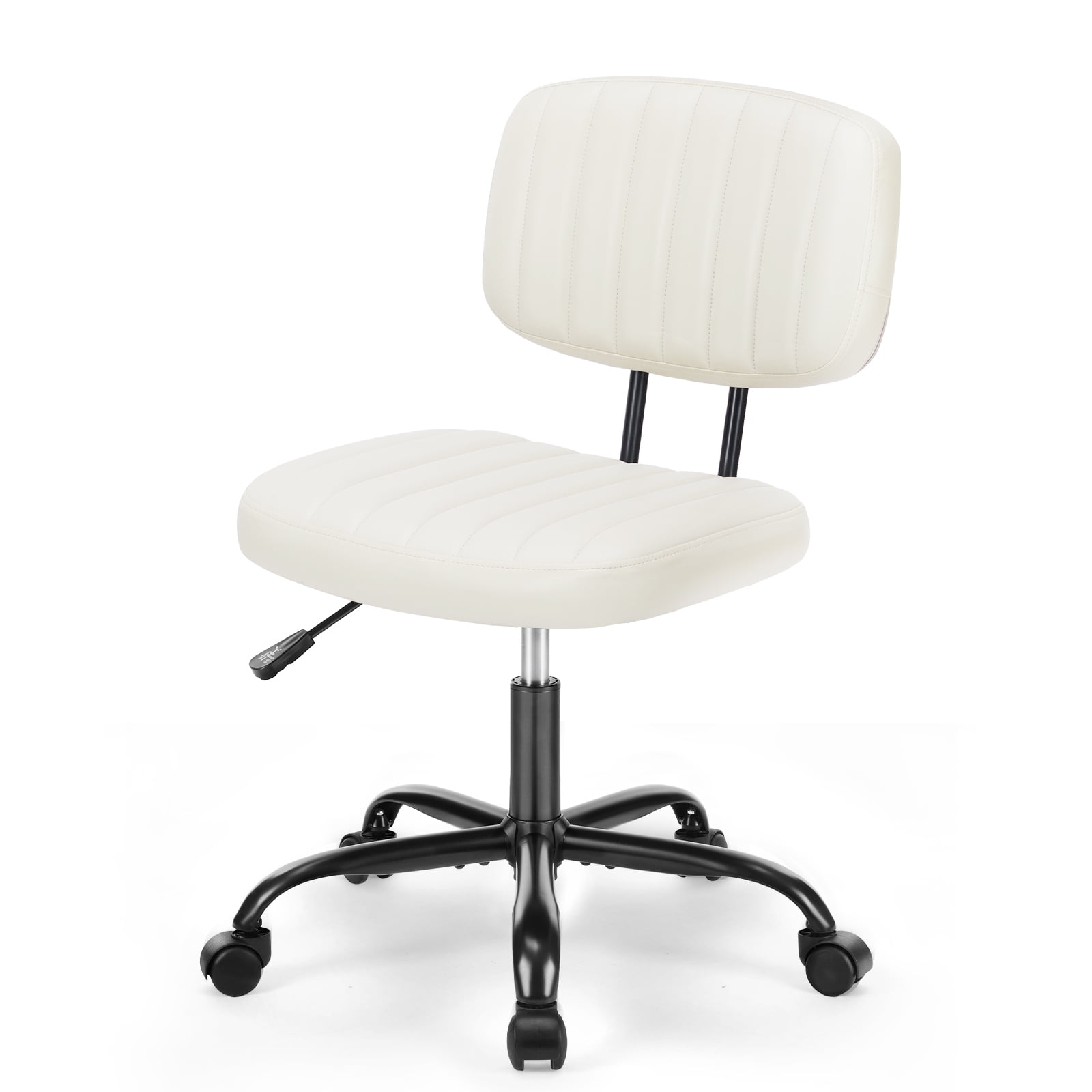
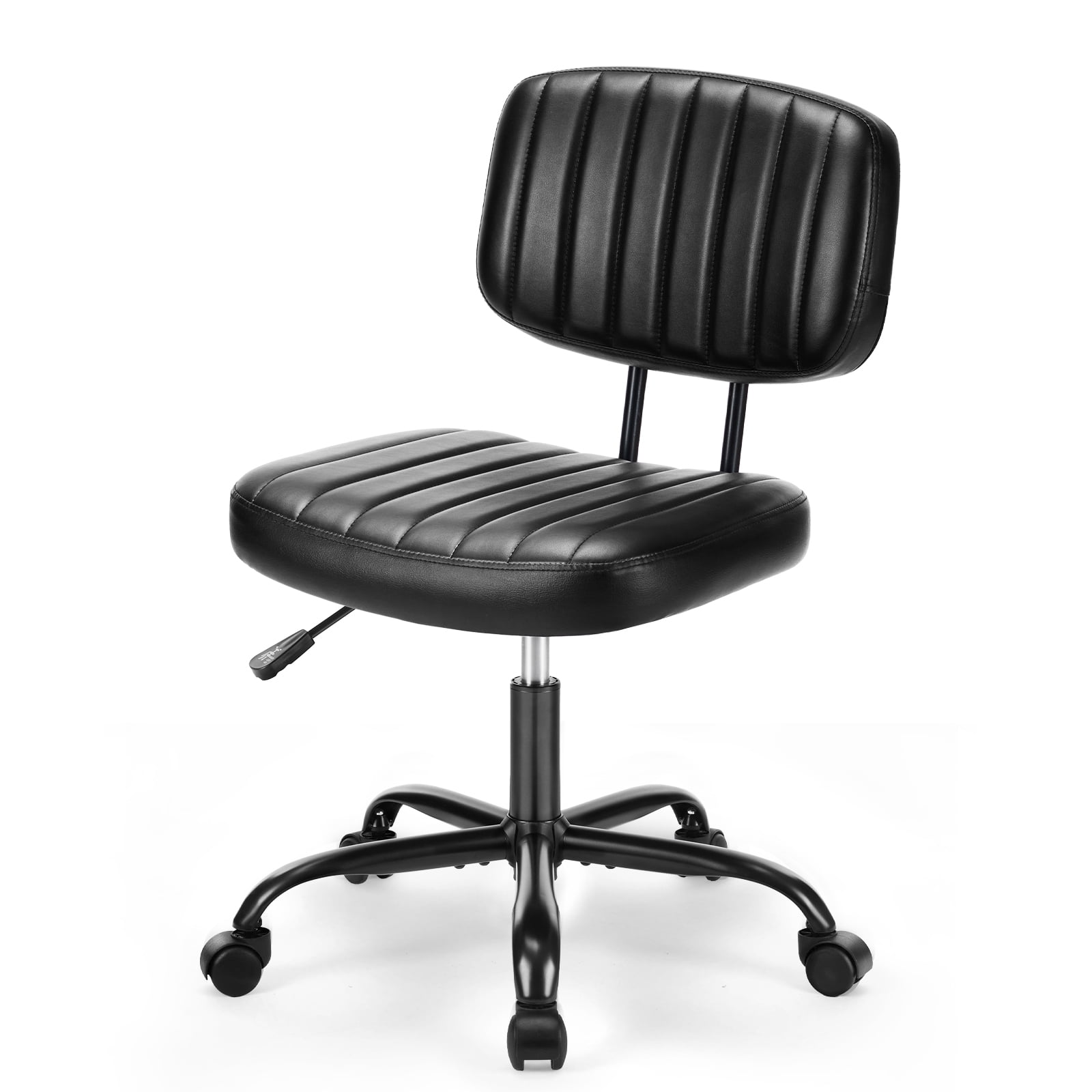
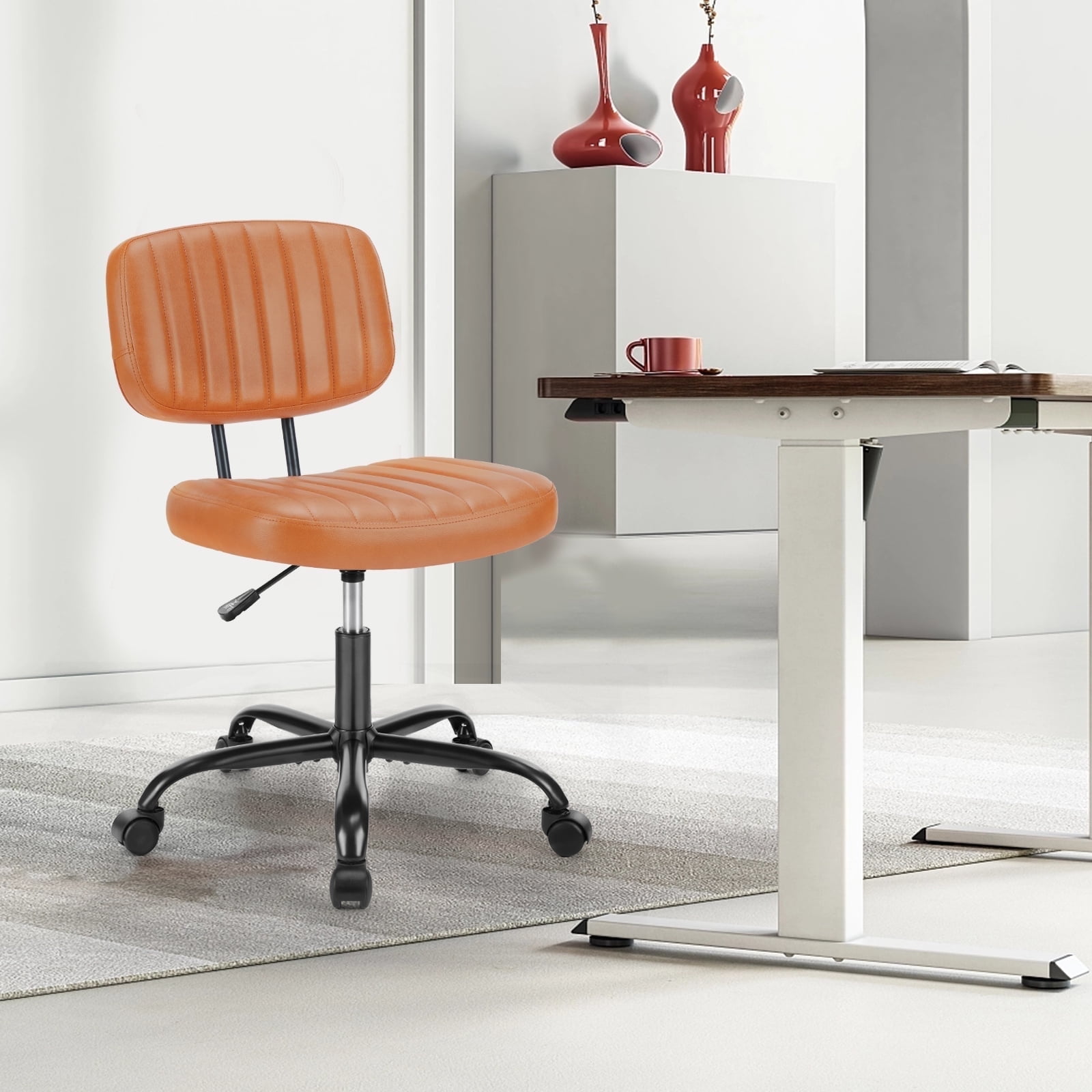
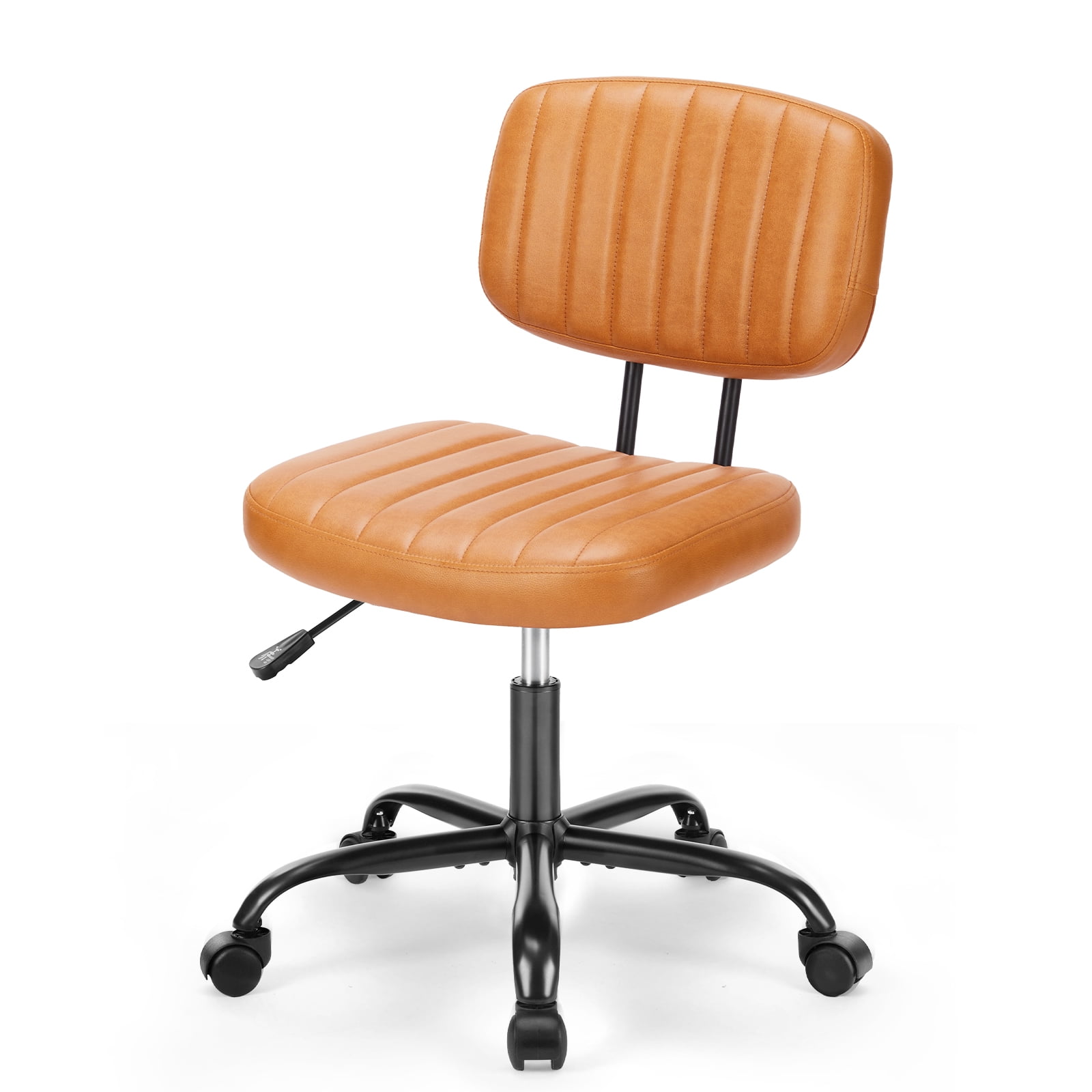
Why Choose a Low Height Office Chair?
A low height office chair is a game-changer for anyone who needs a lower seating position. Whether you're petite, have a lower desk, or simply prefer sitting closer to the ground, these chairs offer tailored comfort. Unlike standard office chairs that often force shorter users to dangle their feet, a low-profile chair allows you to sit with your feet flat on the floor – a fundamental ergonomic requirement.
Ergonomic Insight: According to the National Institute for Occupational Safety and Health (NIOSH), proper foot support reduces lower back strain by up to 30%. Low height chairs ensure your knees are at a 90-degree angle, promoting better posture and circulation.
Key Features of Low Height Chairs
These chairs are engineered with specific features to accommodate shorter statures and compact workspaces:
- Lower Seat Height Range: Typically 14–18 inches (standard is 16–21 inches) to fit petite users and low desks.
- Narrower Seat Width: Often 16–18 inches wide, ideal for smaller frames and tight spaces.
- Adjustable Backrest: Many models offer height and tilt adjustments to support the lumbar region.
- Compact Footprint: Smaller base and overall dimensions make them perfect for home offices, cubicles, and multi-purpose rooms.
- Lightweight Construction: Easy to move and reposition under desks or in meeting areas.
Who Benefits from a Low Height Office Chair?
- Petite Adults: Anyone under 5'4" (162 cm) will find these chairs much more comfortable than standard models.
- Children & Teens: Perfect for study desks and growing users.
- People with Lower Desks: If your desk height is 26–28 inches, a low chair ensures proper arm and leg alignment.
- Creative Spaces: Artists, designers, and musicians often prefer lower seating for better ground-level access.
- Minimalist/Modern Offices: Low-profile chairs complement contemporary, low-slung furniture.
Comparison: Low Height vs. Standard Office Chairs
| Feature | Low Height Chair | Standard Chair |
|---|---|---|
| Seat Height Range | 14–18 inches | 16–21 inches |
| Ideal User Height | Under 5'4" | 5'5" – 6'0" |
| Seat Width | 16–18 inches (narrower) | 18–20 inches (standard) |
| Weight Capacity | 250–300 lbs (some up to 400 lbs) | 250–350 lbs |
| Best For | Under-desk, petite users, low workstations | General office use, taller users |
Health Benefits of Proper Seating Height
Reduced Knee Pain
Proper foot placement prevents hyperextension of knees.
Improved Posture
Your spine stays aligned when your feet are flat.
Better Circulation
No dangling feet means less pressure on thighs.
Increased Focus
Comfort leads to fewer distractions and higher productivity.
How to Choose the Right Low Height Office Chair
Step 1: Measure Your Desk Height
Measure from the floor to the underside of your desk. Your chair's seat height should allow your elbows to rest at a 90-degree angle while typing. For a desk height of 26–28 inches, look for a chair with a max seat height of 18 inches.
Step 2: Check Your Body Dimensions
Measure your sitting height (from heels to back of knee). Your feet should rest flat, and your knees should be level with your hips. If you're under 5'4", a low chair is likely your best bet.
Step 3: Evaluate Lumbar Support
Even at low heights, proper back support is crucial. Look for adjustable lumbar or a contoured backrest that supports your natural spine curve.
Step 4: Consider Mobility and Floor Type
If you have carpet, ensure the chair has large casters or rollerblade-style wheels. For hardwood, choose soft rubber casters to prevent scratches.
Material Options for Low Height Chairs
Just like standard chairs, low height office chairs come in various materials. Each has its own pros and cons:
- Mesh: Breathable and lightweight, ideal for warm climates.
- Fabric: Soft and warm, but may stain more easily.
- Faux Leather: Easy to clean and budget-friendly.
- Genuine Leather: Premium look and durability, but higher cost.
Maintenance Tips for Longevity
- • Clean fabric or mesh with a vacuum and mild detergent.
- • Wipe leather with a damp cloth and apply conditioner every 6 months.
- • Tighten screws and bolts every few months to prevent wobbling.
- • Lubricate the gas cylinder with silicone spray to maintain smooth height adjustment.