
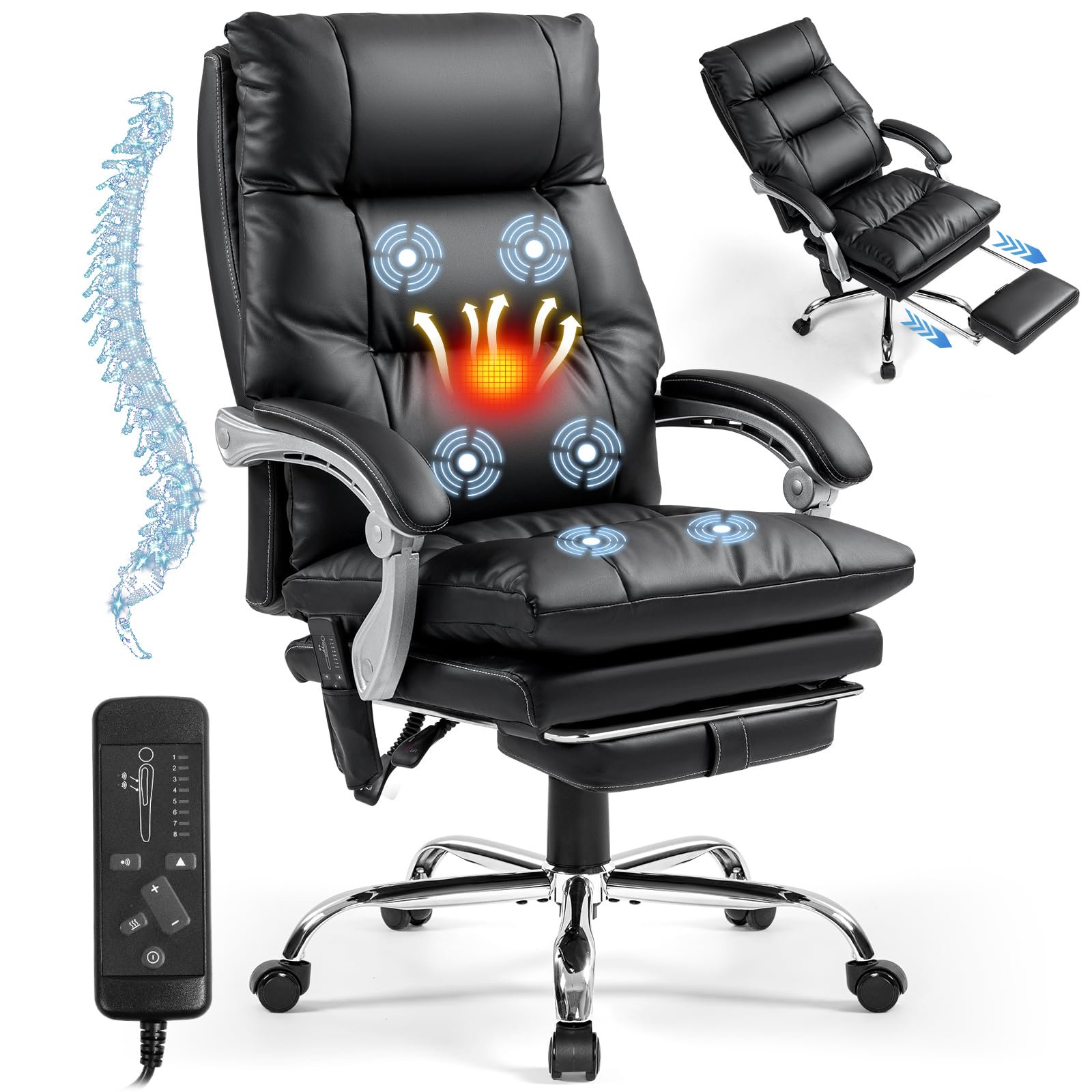
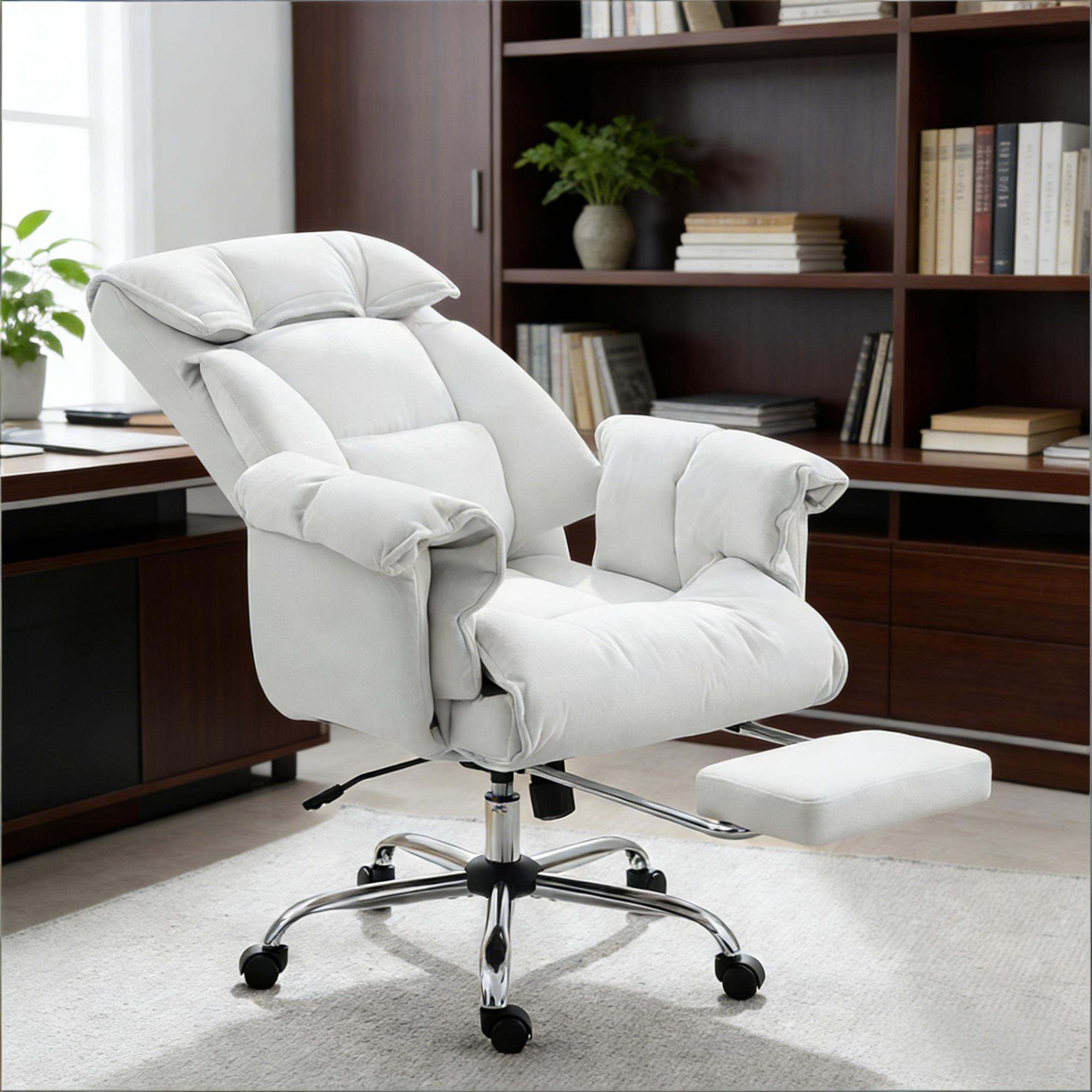
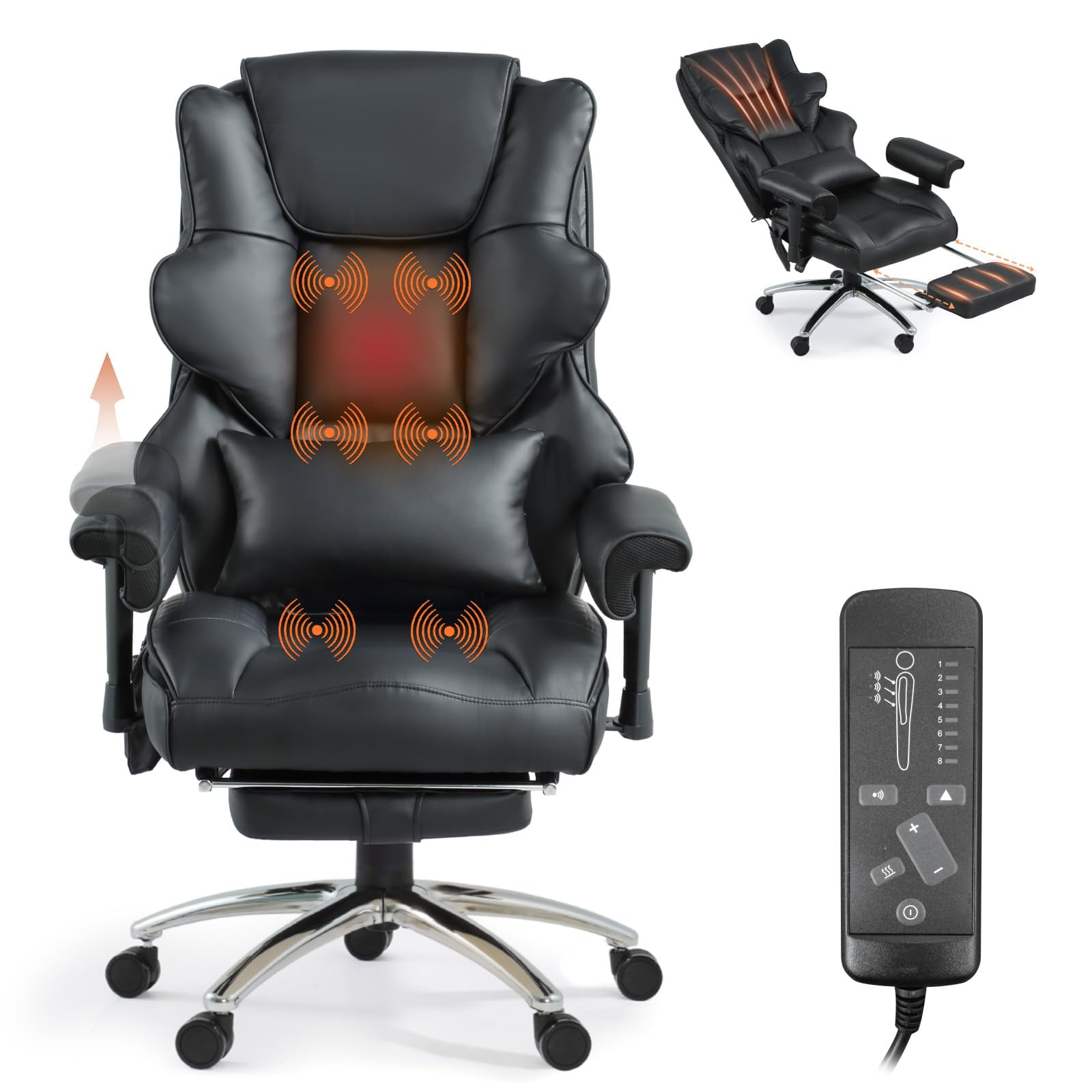
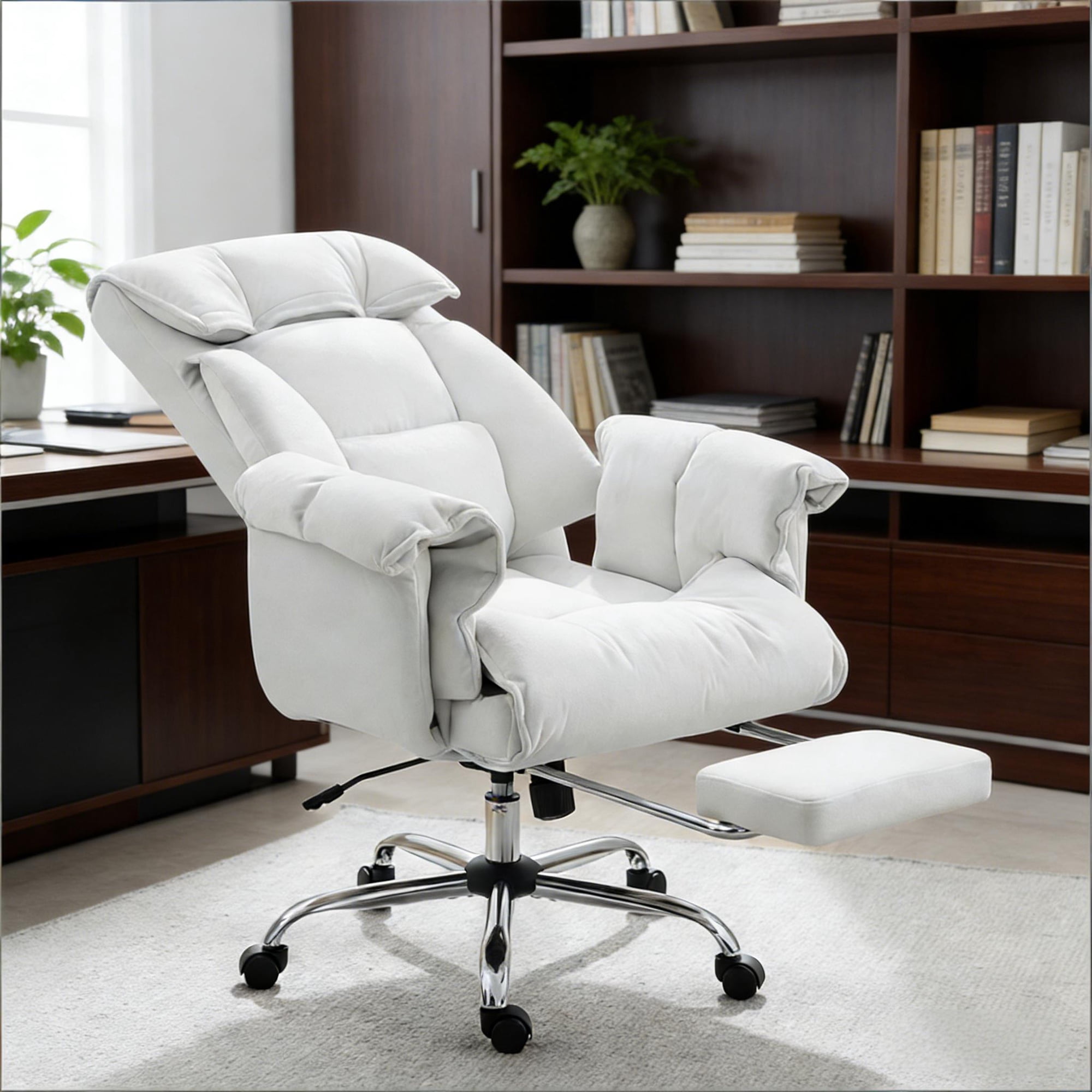
Why an Office Desk Chair with Footrest is a Game-Changer
Imagine sinking into your chair after a long morning, effortlessly extending a padded footrest to elevate your feet, and feeling the tension melt away from your legs and lower back. That's the daily reality for professionals who have upgraded to an office desk chair with footrest. It’s not just about luxury; it's a strategic tool for health, focus, and long-term well-being.
Ergonomic Insight: Studies show that elevating your feet by just a few inches can reduce pressure on the lumbar spine by up to 35%. This simple adjustment helps maintain the natural 'S' curve of your back, decreasing fatigue and the risk of chronic pain associated with prolonged sitting.
The Anatomy of Comfort: Key Features to Look For
When searching for the perfect office chair with a footrest, understanding the core components will help you make an informed decision. Here’s what separates a good chair from a great one:
Selecting the Right Footrest Chair for Your Workspace
Choosing the ideal chair isn't just about features; it's about how it integrates with your body and your office. Follow this structured approach to find your perfect match:
- Assess Your Sitting Habits: Are you someone who likes to lean back during calls, or do you sit upright for data entry? Your posture and work style will dictate whether you need a chair with a high recline angle or a more upright seating position.
- Check the Weight Capacity: Ensure the chair you choose has a weight capacity that comfortably exceeds your own. This ensures the footrest and recline mechanisms will function optimally and the chair will have a long lifespan.
- Measure Your Desk Height: A footrest is most effective when it allows your knees to be at a 90-degree angle. Measure your desk height and choose a chair with a corresponding adjustable seat height range to achieve this posture.
- Consider Your Space: If you have a compact office, a chair with a retractable footrest is a space-saving marvel. For larger spaces, a chair with a wider base and a more pronounced recline might be the ideal choice.
- Read the Reviews: Before committing, read what other users have to say. Look for feedback on the footrest's durability, the comfort of the seat, and the overall build quality. This can provide valuable real-world insights.
Office Chair with Footrest vs. Standard Office Chair
While any office chair provides a place to sit, a chair with a footrest offers a complete ergonomic experience. Here's a direct comparison to illustrate the tangible differences in daily use.
| Feature | Chair with Footrest | Standard Office Chair |
|---|---|---|
| Leg Support | Elevated feet reduce pressure on hamstrings and improve circulation. | Feet flat on the floor can lead to leg fatigue and restricted blood flow. |
| Lower Back Relief | Allows for a slight tilt in the pelvis, maintaining the spine's natural curve. | Can cause a forward pelvic tilt, increasing lower back strain. |
| Posture Correction | Promotes an open hip angle, encouraging a healthier, more upright posture. | Encourages slouching or leaning forward, leading to poor posture. |
| Versatility | Acts as both a task chair and a recliner for breaks or deep thinking. | Primarily for sitting upright, limited comfort during relaxation. |
| Long-Term Health Impact | Actively mitigates the negative effects of prolonged sitting. | Contributes to the risks associated with sedentary work (e.g., back pain, poor circulation). |
As the table illustrates, the investment in a chair with a footrest is an investment in your long-term health and daily comfort. It's the difference between simply being seated and being truly supported.
Maximizing the Benefits of Your Chair with Footrest
To get the most out of your new investment, consider these tips for integrating it into your daily routine:
- Take Micro-Breaks: Use the recline and footrest for 5-10 minutes every hour. This helps reset your posture and gives your back and legs a well-deserved rest.
- Adjust the Footrest Height: Ensure the footrest is at a height that allows your thighs to be parallel to the floor. Your feet should rest comfortably, not dangle or be pushed up against the mechanism.
- Combine with a Standing Desk: For the ultimate ergonomic setup, alternate between sitting with your footrest chair and standing at an adjustable desk. This dynamic duo can significantly improve your energy levels throughout the day.
- Mind Your Monitor Height: When you recline, your line of sight changes. Adjust your monitor height or angle so you can comfortably see the screen without straining your neck.
Frequently Asked Questions About Office Desk Chairs with Footrests
Conclusion: Elevate Your Workday with the Perfect Chair
Choosing an office desk chair with a footrest is a definitive step towards a healthier and more productive work life. By providing superior support and encouraging better posture, this type of chair helps you combat the physical strains of a modern desk job, allowing you to focus on what truly matters—your work and your well-being.
Final Recommendation: Don't settle for discomfort. Explore the selection above and find the office chair that fits your style and ergonomic needs. Your back and legs will thank you for years to come.