
The Blueprint to a Pain-Free Back: Why Chair Choice Matters
For the modern professional, the office chair is more than a piece of furniture; it's the foundation of your workspace and a cornerstone of your personal health. Spending countless hours seated in a chair that doesn't support your back can be detrimental, leading to chronic pain, reduced focus, and even long-term health issues. Choosing the top office chairs for back support is an investment in your immediate comfort and future well-being.
Key Insight: Studies indicate that 80% of adults will experience back pain in their lifetime, with sedentary jobs being a primary contributor. The right ergonomic support can reduce pressure on the spine by up to 30%, significantly decreasing fatigue and the risk of back-related disorders.
What Makes a Chair Great for Back Support?
Not all chairs are created equal. When looking for the best office chairs for back support, you need to look beyond aesthetics and focus on the ergonomic design and adjustability. The most effective chairs are those that can be tailored to fit your specific body dimensions and sitting habits. Here are the core features that define a top-tier back-support chair.
- Dynamic Lumbar Support: This is the most crucial feature. A good lumbar support system is not just a fixed bump on the backrest; it should be adjustable in both height and depth. This allows you to perfectly position it to fill the natural curve of your lower back, providing consistent support.
- Adjustable Seat Depth: A chair's seat should be long enough to support your thighs without cutting into the back of your knees. The ability to slide the seat forward or backward ensures your knees are at a 90-degree angle with your feet flat on the floor, promoting healthy circulation.
- Backrest Recline Mechanism: Sitting in a static position for hours is unnatural. A chair with a smooth, synchronized recline mechanism allows your body to shift and move, promoting micro-movements that engage your core and relieve pressure on your spinal discs.
- Ergonomic Armrests: While not directly supporting your back, properly adjusted armrests take the weight off your shoulders and upper back, preventing tension from traveling down your spine. Look for armrests that adjust in width and height.
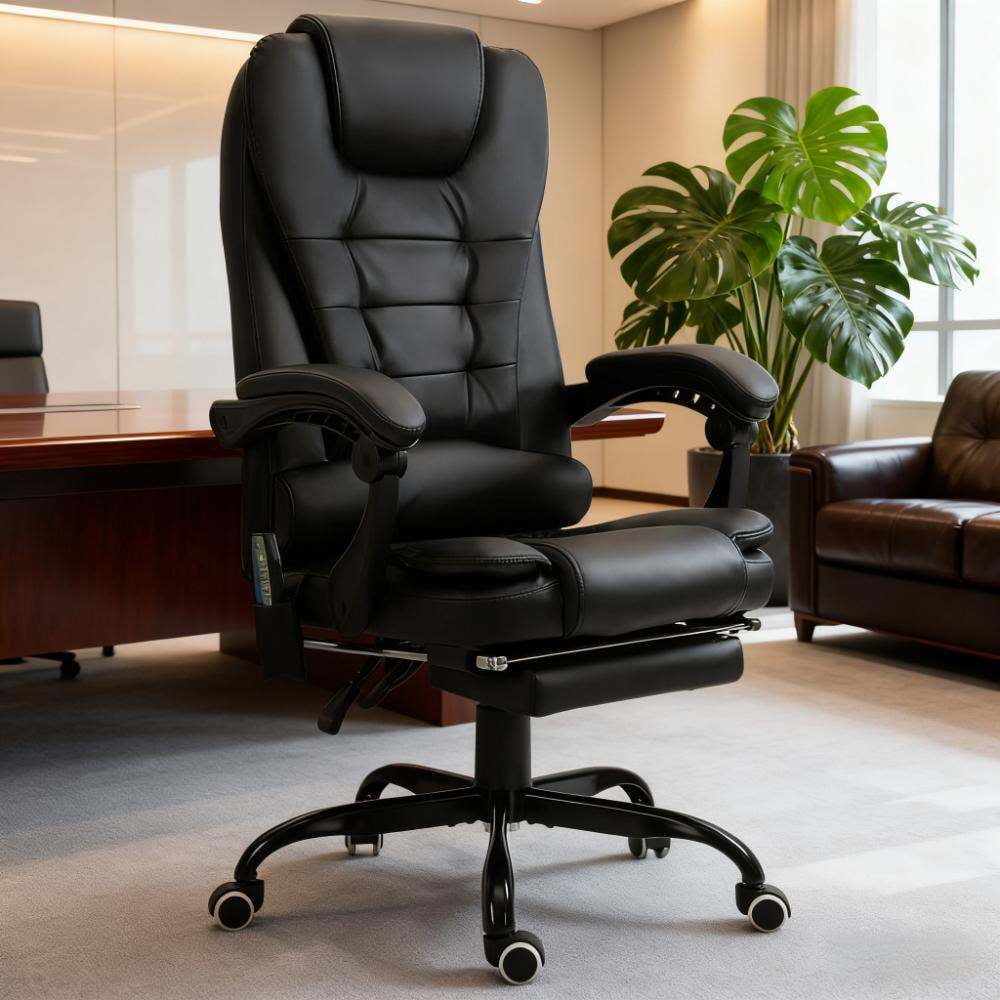
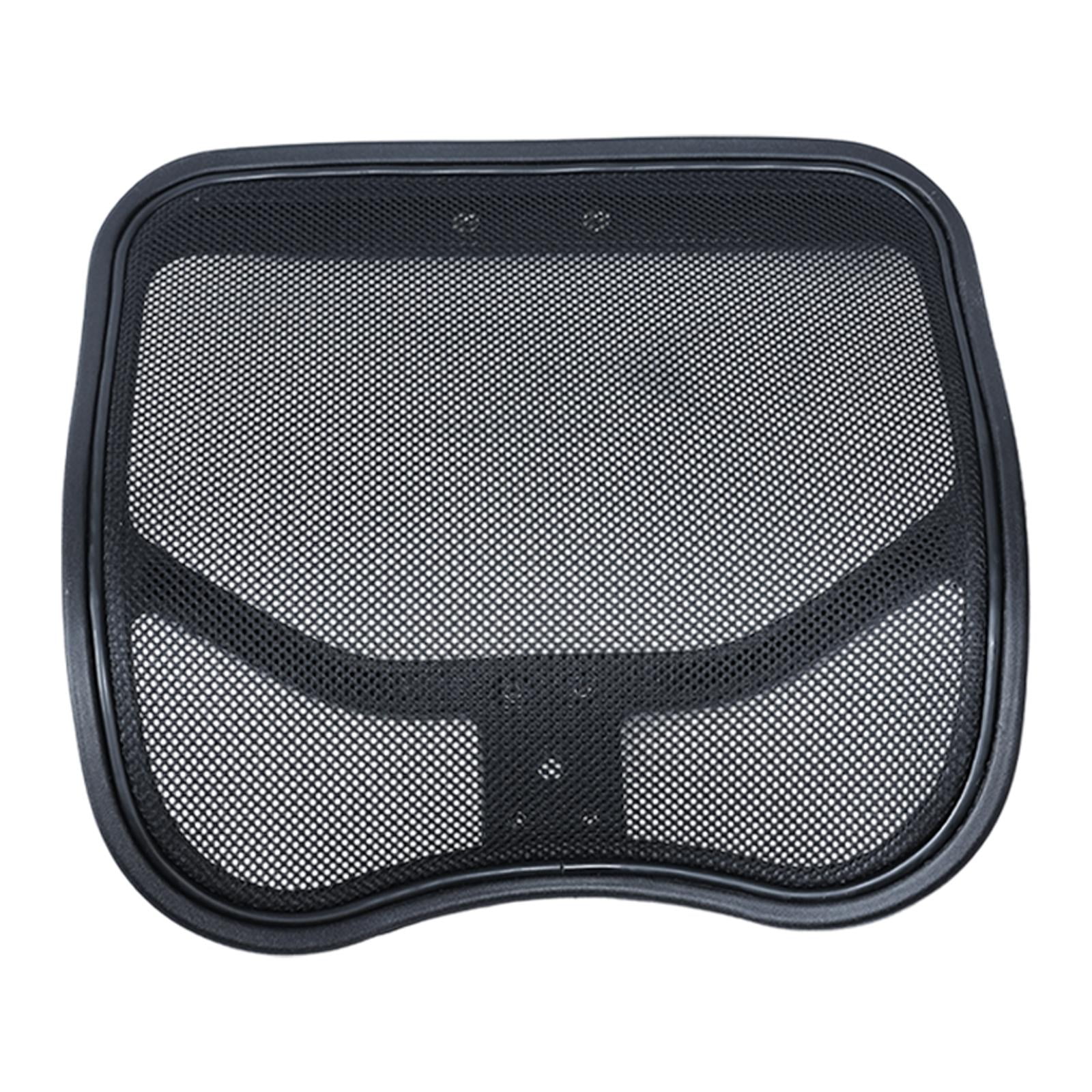
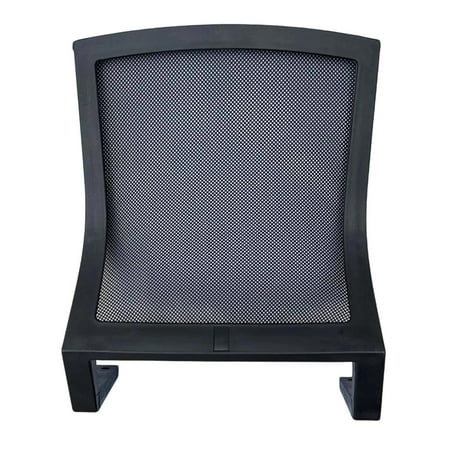
- High-Quality Materials: Whether it's a breathable mesh or high-grade leather, the material contributes to the chair's support. A sturdy, well-constructed frame with a stable base is non-negotiable for safety and longevity.
Choosing the Right Chair for Your Needs
Selecting the ideal chair for back support depends on your specific needs. Here's a breakdown to guide your decision:
| Feature | Importance for Back Support | What to Look For |
|---|---|---|
| Lumbar Support | Critical. Prevents slouching and maintains natural 'S' curve of the spine. | Adjustable in height (2-4 inches range) and depth (1-2 inches range). |
| Seat Depth & Tilt | High. Ensures proper weight distribution and reduces pressure on the lower back. | Ability to slide the seat pan forward/backward by at least 2 inches. |
| Backrest Material | Medium. Affects breathability and comfort, which can influence posture. | Breathable mesh for airflow or firm leather for a supportive structure. |
| Weight Capacity | Medium. Ensures the chair can support you safely and durably. | Minimum of 275 lbs, with many premium options offering 300-400 lbs. |
| Overall Build Quality | High. Affects the longevity of support and the chair's warranty. | Look for a robust steel or aluminum base and a 5-year minimum warranty. |
The Impact of a Good Chair on Your Health and Productivity
The benefits of selecting a chair from the top-rated office chairs for back support extend far beyond simple comfort. It's a strategic choice for your health and career.
Reduced Pain & Discomfort
Alleviates chronic back, neck, and shoulder pain by promoting proper spinal alignment.
Increased Energy & Focus
When you aren't distracted by pain, you can concentrate better, leading to higher productivity and better decision-making.
Enhanced Posture
Consistent use of a supportive chair trains your body to maintain good posture, even when you stand.
Long-Term Health
Investing in a good chair is a proactive measure against chronic conditions like sciatica and herniated discs.