
Why “Net Back” is Revolutionizing Office Seating
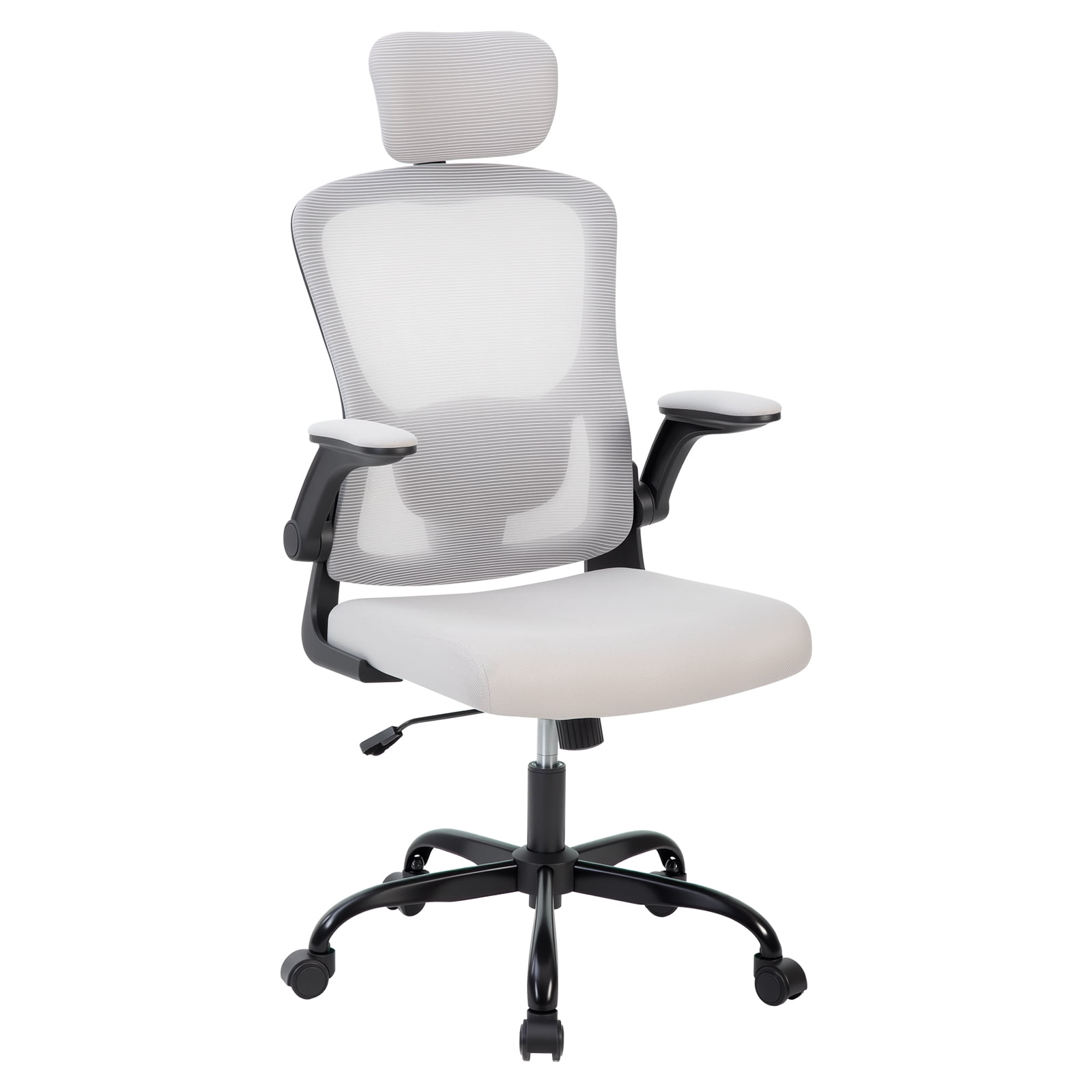
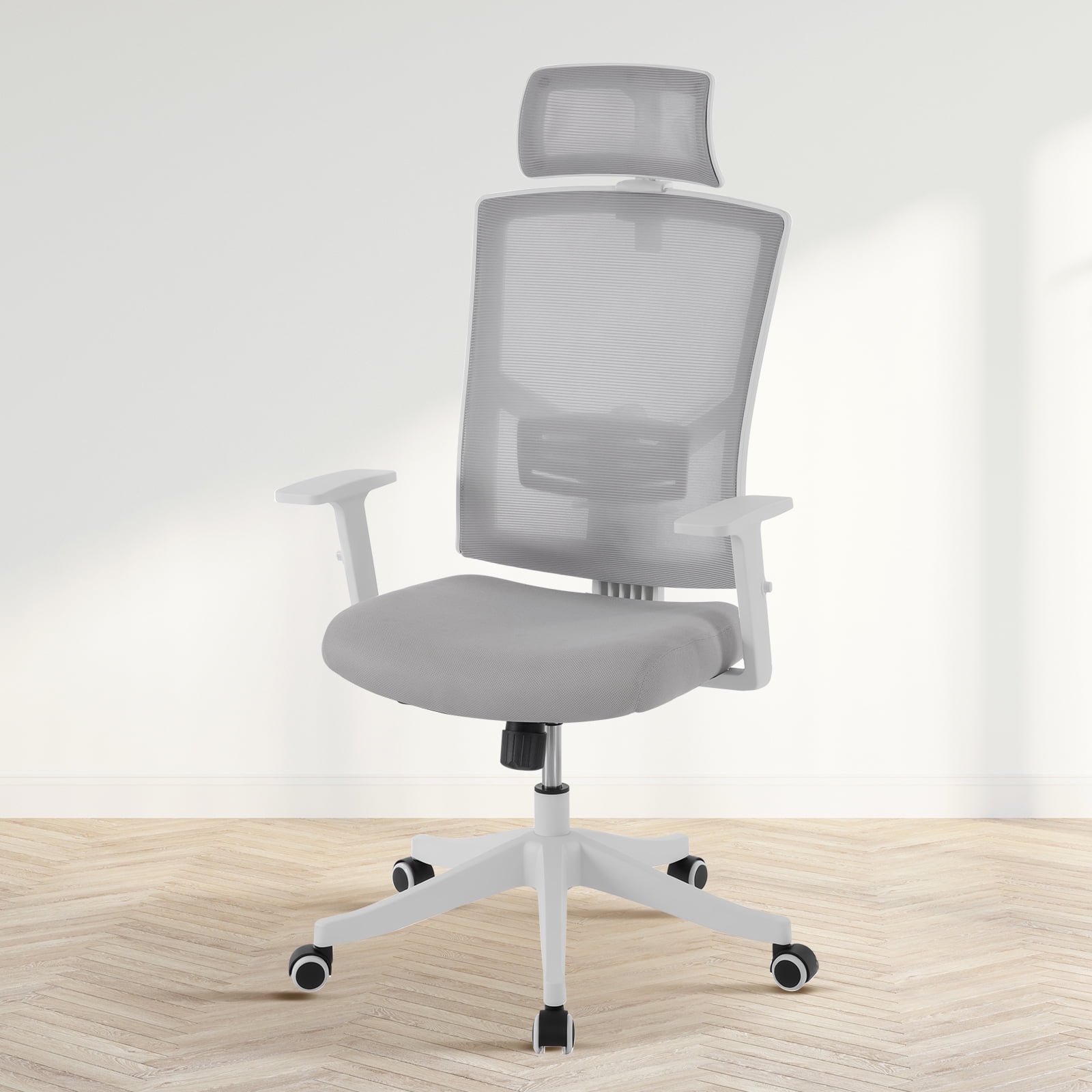
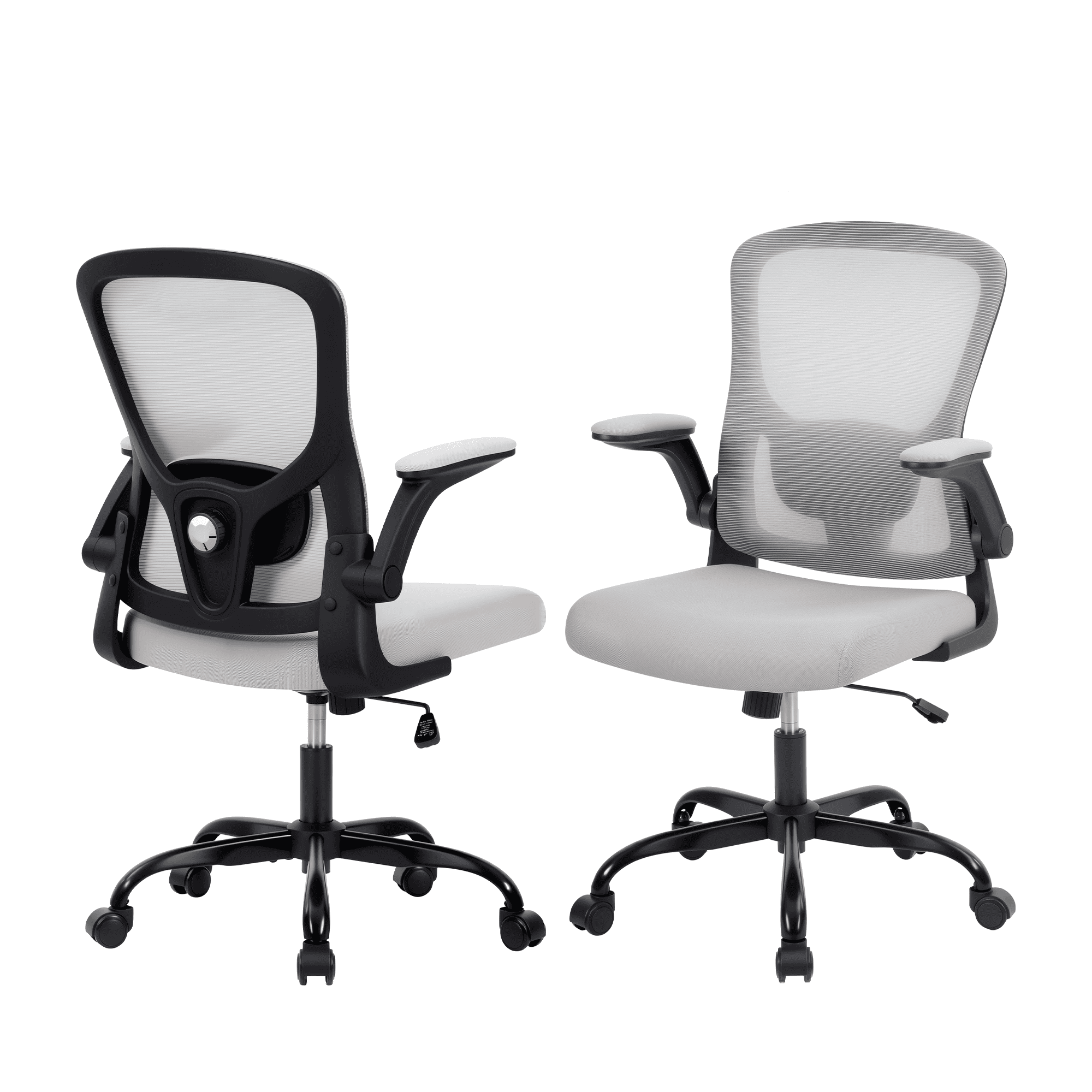
If you’ve ever leaned back in a leather chair on a warm afternoon and felt your shirt cling to your skin, you understand the primary appeal of an office chair net back. The mesh material acts like a suspension bridge for your spine—flexible, yet tensioned to support your weight. But breathability is just the beginning. In this guide, we’ll explore how net back chairs can improve your posture, reduce fatigue, and why they’ve become a staple in both home offices and corporate headquarters.
Did you know? According to a 2023 survey by the Ergonomics Health Association, 78% of remote workers reported that switching to a mesh-back chair reduced their perceived heat discomfort and helped them stay focused during peak work hours.
The Anatomy of a Quality Net Back Office Chair
Not all mesh is created equal. To help you make an informed choice, we break down the components that define a superior office chair net back. Think of it as the skeleton, muscles, and skin of the chair.
1. Mesh Tension & Weave Density
The “net” must be taut enough to support your lumbar region but flexible enough to contour. High-end chairs use a polymer elastomer mesh that resists sagging. Lower-density mesh might feel comfortable initially but can develop a permanent hammock effect after a few months. Look for chairs that specify “high-tenacity” or “9-zone tension” mesh.
- High-density weave: Provides even weight distribution and prevents pressure points.
- Breathability factor: Open-pore mesh allows heat to escape—ideal for warmer climates or long shifts.
- Edge reinforcement: Quality chairs have reinforced borders where mesh attaches to the frame to prevent tearing.
2. Frame Material & Ergonomics
The net is only as good as the frame that holds it. Most net back chairs use either nylon composite or aluminum. Nylon is lightweight and flexible, often used in task chairs. Aluminum or steel frames add sturdiness for executive or heavy-duty models. A key feature is the frame curvature—it should mimic the spine’s S-shape to encourage a neutral sitting posture.
- Check for lumbar adjustment: Some frames have a built-in tension dial or a separate lumbar pad that moves vertically.
- Shoulder support: A wider frame with slight wing-like curves helps support upper back without restricting movement.
- Headrest integration: For net back chairs with headrests, ensure the mesh extends or the headrest is independently adjustable.
3. Seat Pan and Mechanism Synergy
A net back alone won’t save you if the seat pan is rock-hard or the recline mechanism fights you. The best office chair net back models pair the mesh back with a waterfall-edge seat cushion (often foam or memory foam) and a synchronized tilt mechanism. This means when you lean back, the seat tilts slightly upward to keep you stable and your feet on the floor.
Research from the Journal of Occupational Health indicates that synchronized tilt chairs reduce spinal disc pressure by up to 30% compared to fixed-back chairs. The net back contributes by allowing micro-movements, which pump nutrients into spinal discs.
Net Back vs. Other Materials: A Quick Scenario Comparison
To make this practical, let’s place you in three common work scenarios:
Scenario A: The Hot Desk / Open Office
Winner: Net Back. Shared desks often lack climate control consistency. Mesh prevents sweat buildup between users, and it’s easier to sanitize (quick wipe vs. fabric absorption).
Scenario B: Client-Facing Executive Office
Consider: Leather or High-End Mesh. Some premium mesh chairs (like those with polished aluminum frames) look sophisticated. If your brand is modern, a sleek net back conveys innovation. If traditional, leather might still dominate.
Scenario C: 10-Hour Work-From-Home Marathon
Winner: Net Back with Adjustable Lumbar. Long hours demand temperature regulation and dynamic support. A net back chair with a height-adjustable lumbar support adapts as you shift from typing to zoom calls.
Scenario D: Creative Agency / Collaborative Space
Ideal: Net Back with Flexible Frame. Chairs that allow tilting and twisting (like those with a “knee-tilt” mechanism) paired with mesh encourage movement and brainstorming sessions.
Debunking Myths About Office Chair Net Back
Myth #1: “Mesh backs are only for task chairs, not executives.” Reality: Many flagship executive chairs now feature high-back mesh designs with leather-accented headrests. The net back provides a contemporary edge while maintaining breathability.
Myth #2: “Mesh will stretch out and sag.” Reality: While cheap mesh can, premium chairs use P.E. (polyester) mesh with high tensile strength. Manufacturers often test for 100,+ cycles of tension. Look for a warranty that specifically covers the mesh material.
Myth #3: “You can’t get good lumbar support from mesh.” Reality: Actually, mesh allows for 3D lumbar adjustments—in/out depth as well as up/down. Some chairs even have inflatable lumbar bladders behind the mesh, offering customized support that foam cannot match.
Selecting the Right Net Back Chair for Your Body Type
Your height and weight determine which net back chair will fit you best. Use this simple checklist:
- Under 5’4” (Petite): Look for chairs with adjustable seat depth (shorter pans) and lower back height. Some mesh chairs offer “short cylinder” options.
- 5’5” – 5’11” (Average): Most standard mesh chairs work. Prioritize lumbar adjustability within mid-range.
- 6’+ (Tall): Seek chairs with extra-high back mesh (at least 22 inches) and optional headrests. The mesh should support your entire thoracic spine.
- Weight Capacity: For users over 250 lbs, verify the mesh’s weight rating—often stamped on the base or frame. Heavy-duty mesh chairs often use wider-gauge mesh strands.
Lumbar Support Variations in Net Back Chairs
Not all lumbar supports are the same. Here’s what you might encounter:
- Fixed curvature: The frame itself has a built-in bump. Works for average users, but not adjustable.
- Adjustable pad: A separate cushioned pad attached to straps, movable up/down. Simple but effective.
- Dynamic tension: The mesh tension varies across zones (firmer in lumbar, softer in shoulders). This is high-tech and often found in premium brands.
- Inflatable lumbar: A small air bladder behind the mesh, inflated via a bulb or dial. Offers precise curve control.
Tip: If you have a history of lower back pain, opt for a model with both height and depth adjustment (the ability to push the mesh forward into your back).
Quick Reference: Net Back Chair Features by Work Style
| Work Style | Priority Features | Why Net Back Helps |
|---|---|---|
| Programmer / Analyst | Lumbar support, seat tilt, armrests | Mesh prevents heat buildup during long coding sessions; flexible back encourages micro-movements |
| Manager / Executive | High back, headrest, premium look | Modern mesh with leather accents offers authority + comfort; guests see a sleek profile |
| Designer / Creative | Recline range, freedom of movement | Net back with synchro-tilt lets you rock and think; breathable during brainstorming |
| Customer Support | Durability, easy cleaning | Mesh is easy to wipe down and stands up to multi-shift use |
Frequently Asked Questions About Office Chair Net Back
Conclusion: Is an Office Chair Net Back Right for You?
Choosing an office chair net back is a decision that prioritizes climate comfort, modern aesthetics, and ergonomic responsiveness. It’s ideal if you tend to run warm, appreciate a chair that moves with you, and want a durable material that resists wear from daily use. While leather may still reign in traditional corner offices, the mesh back has proven its worth across all sectors—from tech startups to home offices. Use the insights above to test the mesh tension, verify lumbar adjustability, and match the chair to your work habits. Your back (and your dry shirt) will thank you.