
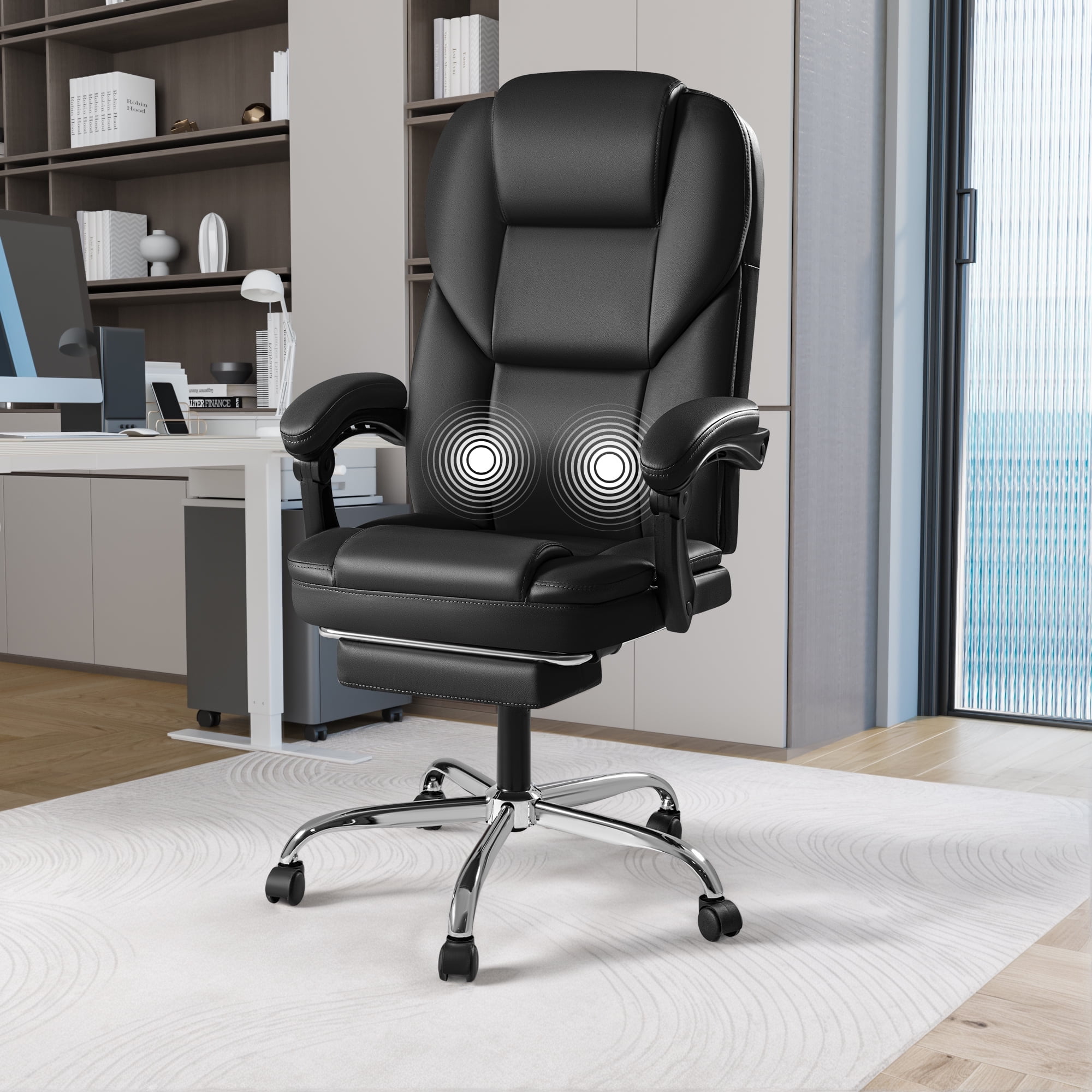
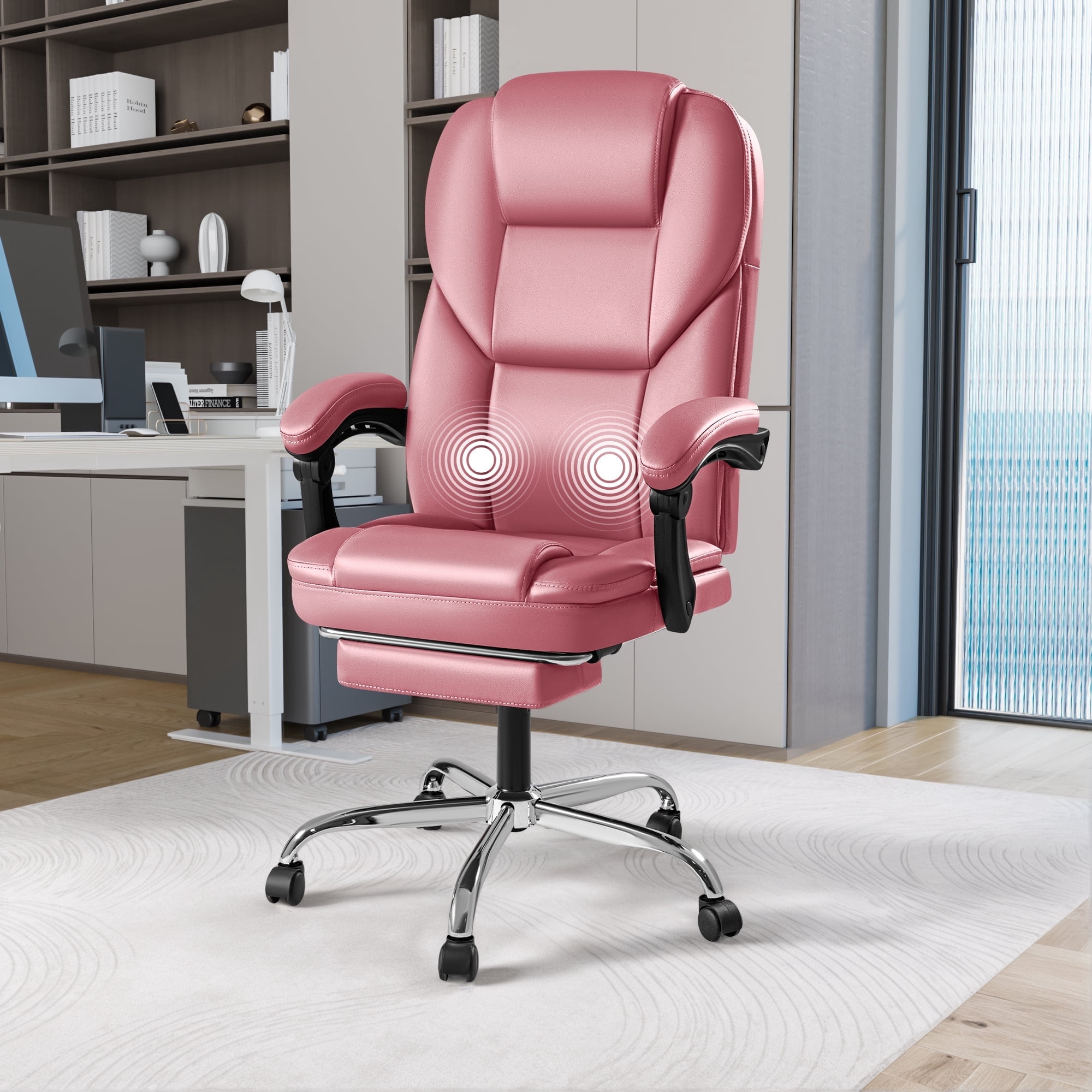
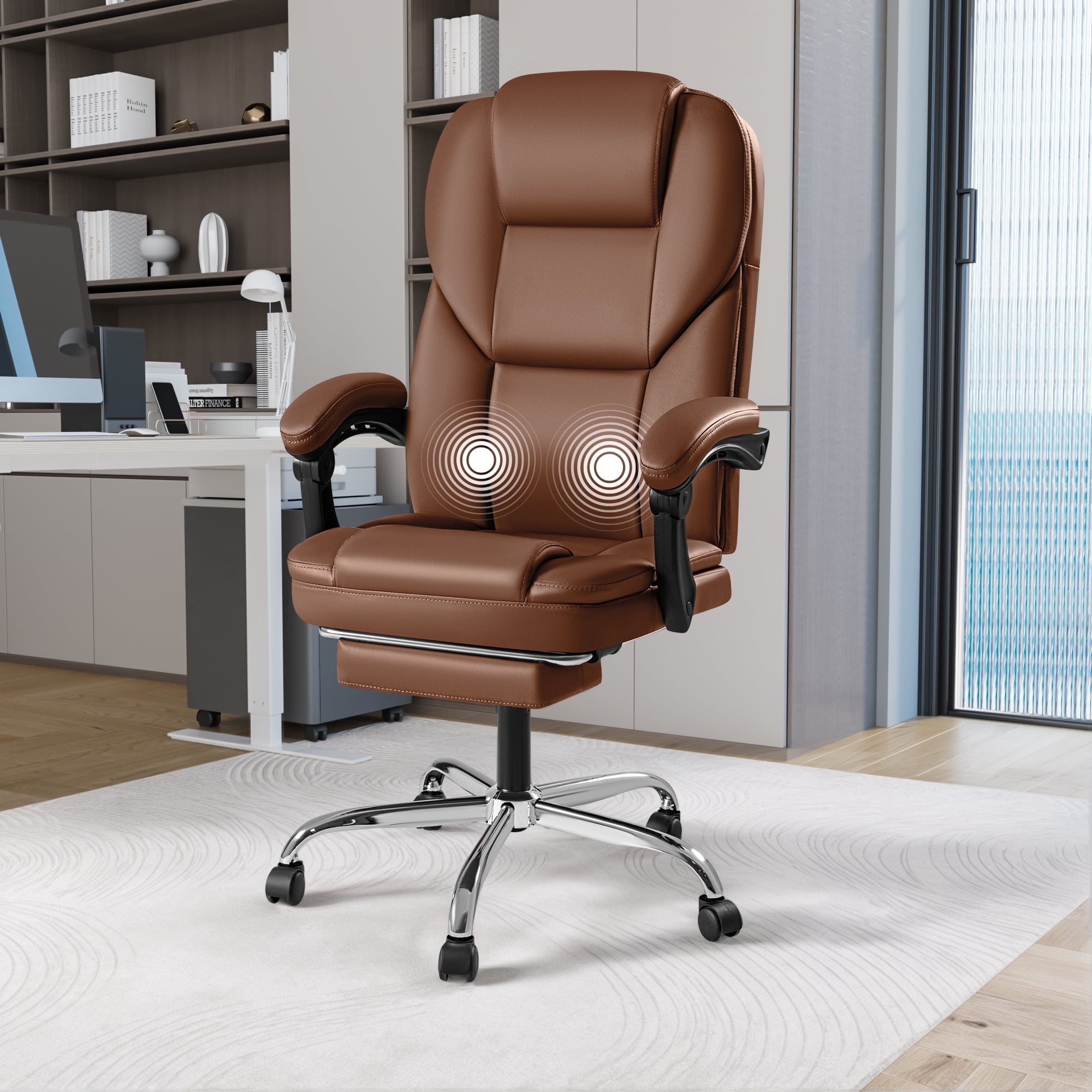
If your workday involves sitting for 8 to 10 hours, your office chair isn't just a piece of furniture—it's your primary work tool and a critical factor in your long-term health. Unlike a casual 2-3 hour user, your body demands a chair that provides consistent, adaptive support to prevent fatigue, muscle stiffness, and chronic back issues.
Selecting the right chair for such extended periods goes beyond just picking something that looks executive or modern. It requires understanding ergonomic principles that promote dynamic sitting—allowing your body to move naturally while maintaining proper posture. In this guide, we dive deep into the specific features that matter for 8-10 hour days and review the chair types best suited for this demanding use case.
📊 Did you know? The average office worker spends about 75% of their workday sitting. For those working 8-10 hour shifts, that translates to over 2,000 hours per year in a chair. Choosing the wrong one can have a cumulative negative effect on your spinal health.
The "Endurance Triad": 3 Pillars of an 8-10 Hour Chair
Unlike short-term seating, a chair for marathon work sessions must excel in three interconnected areas. We call this the "Endurance Triad." If a chair is weak in any one of these pillars, it will fail you by the 6th or 7th hour.
1. Adaptive Support
Static support isn't enough. Your chair needs mechanisms like a synchronized tilting system that moves the backrest and seat together, keeping you supported whether you're leaning in to type or reclining to think. This prevents slouching.
2. Pressure Distribution
A "waterfall" seat edge and contoured, high-density foam (or tension-tuned mesh) prevent pressure points on the underside of your thighs and "sit bones." Good blood flow is essential to avoid numbness and fidgeting after hour 5.
3. Climate Control
Sitting for 10 hours generates significant body heat. Breathable materials like 3D spacer mesh or perforated premium leather are non-negotiable to prevent sweating and discomfort, which are major distractions during long tasks.
Critical Adjustments You Must Have for Long-Haul Sitting
A chair for 8-10 hours needs to be a personalized tool. Here are the non-negotiable adjustments that allow you to fine-tune the chair to your unique anatomy and task.
- ✔ Independent Lumbar Adjustment: Not just a fixed curve. You need a lumbar support that moves up/down and in/out to fit the natural curve of your spine perfectly. This is your primary defense against slouching.
- ✔ Seat Depth (Slider): This allows you to adjust the length of the seat pan. You should be able to fit 2-3 fingers between the back of your knee and the seat edge. Proper depth supports your thighs without cutting off circulation.
- ✔ 4D Armrests: Armrests that adjust height, width, depth, and pivot angle allow your elbows and forearms to stay at a 90-degree angle, relaxing your shoulders and neck. This prevents upper back tension common in long hours.
- ✔ Multi-Lock Recline with Tension Control: You need the ability to lock the chair in multiple positions and adjust how much force is needed to recline. This encourages you to change postures throughout the day, giving your spine a break from static loading.
Material Science: Mesh vs. Foam for 10-Hour Days
The debate between mesh and foam (upholstered) chairs is crucial when you're sitting for extended periods. Here’s how they stack up for endurance sitting.
High-Performance Mesh
Modern ergonomic chairs often feature a mesh back and sometimes a mesh seat. The primary advantage is breathability; air flows freely, preventing the sweaty back syndrome. High-quality mesh, like that used in chairs from brands like Haworth or Steelcase (or their equivalents), is also tensioned to provide "zoned" support—firmer in the lumbar area, softer in the shoulders.
Best for: Warm climates, those who run hot, and users who prefer a more responsive, "hammock-like" support that conforms without sinking.
High-Density Foam with Breathable Fabric
Premium foam chairs use high-resilience (HR) foam that retains its shape and density for years. Often paired with breathable fabric upholstery, they offer a plusher, more "cushioned" feel. The key is the foam density—cheap foam will break down within months, leading to the dreaded "bottoming out." Look for cold-cured foam or molded foam for longevity.
Best for: Those who prefer a softer, more traditional "armchair" feel and work in climate-controlled environments.
The "5th Hour Test": Why Chairs Fail
In our experience, many chairs pass the "first hour test" but fail the "5th hour test." This is when subtle design flaws become major annoyances. Here are the common failure points:
- Fixed Headrests: A headrest that can't be adjusted often pushes your head forward, causing neck strain by hour 4. A good 8-10 hour chair either has a fully adjustable headrest or none at all (relying on a high back for shoulder support).
- Hard Armrests: Plastic or thinly padded armrests create pressure points on elbows and forearms, leading to ulnar nerve discomfort. Look for soft, gel-infused or thick foam armrest pads.
- Limited Tilt Lock: If you can only sit upright or fully reclined, you miss the intermediate positions. A chair that locks in multiple positions (including a slight "perch" angle) supports varied tasks like reading, typing, or video calls.
Health Metrics: What Your Body Gains from the Right Chair
Investing in a proper 8-10 hour chair is an investment in your physical well-being. Here’s what the right support provides:
- Reduced Spinal Load: A synchronized recline mechanism opens the angle between your torso and thighs, reducing pressure on lumbar discs by up to 50% compared to sitting at 90 degrees.
- Improved Core Engagement: A chair with a "forward tilt" function engages your core muscles slightly, preventing the complete passivity that leads to muscle atrophy and back pain.
- Enhanced Circulation: A waterfall seat edge and proper seat depth prevent the seat pan from compressing the blood vessels behind your knees, reducing the risk of Deep Vein Thrombosis (DVT) and keeping legs energized.
Frequently Asked Questions: Long-Hour Seating
Final Verdict: Your Chair, Your Long-Term Partner
Choosing an office chair for 8-10 hours of daily use is a decision that should prioritize biomechanics over aesthetics. While a sleek design is a bonus, the chair's primary job is to disappear—to support you so effectively that you forget you're sitting, allowing you to focus entirely on your work.
Prioritize chairs from manufacturers with a proven history in ergonomic research. Test (if possible) for at least 20 minutes, focusing on the "Endurance Triad" of Adaptive Support, Pressure Distribution, and Climate Control. Remember, the cost of a high-quality chair amortizes over years of use and is negligible compared to the potential cost of treating chronic back pain. Make your 8-10 hour workday a healthy, productive one.