

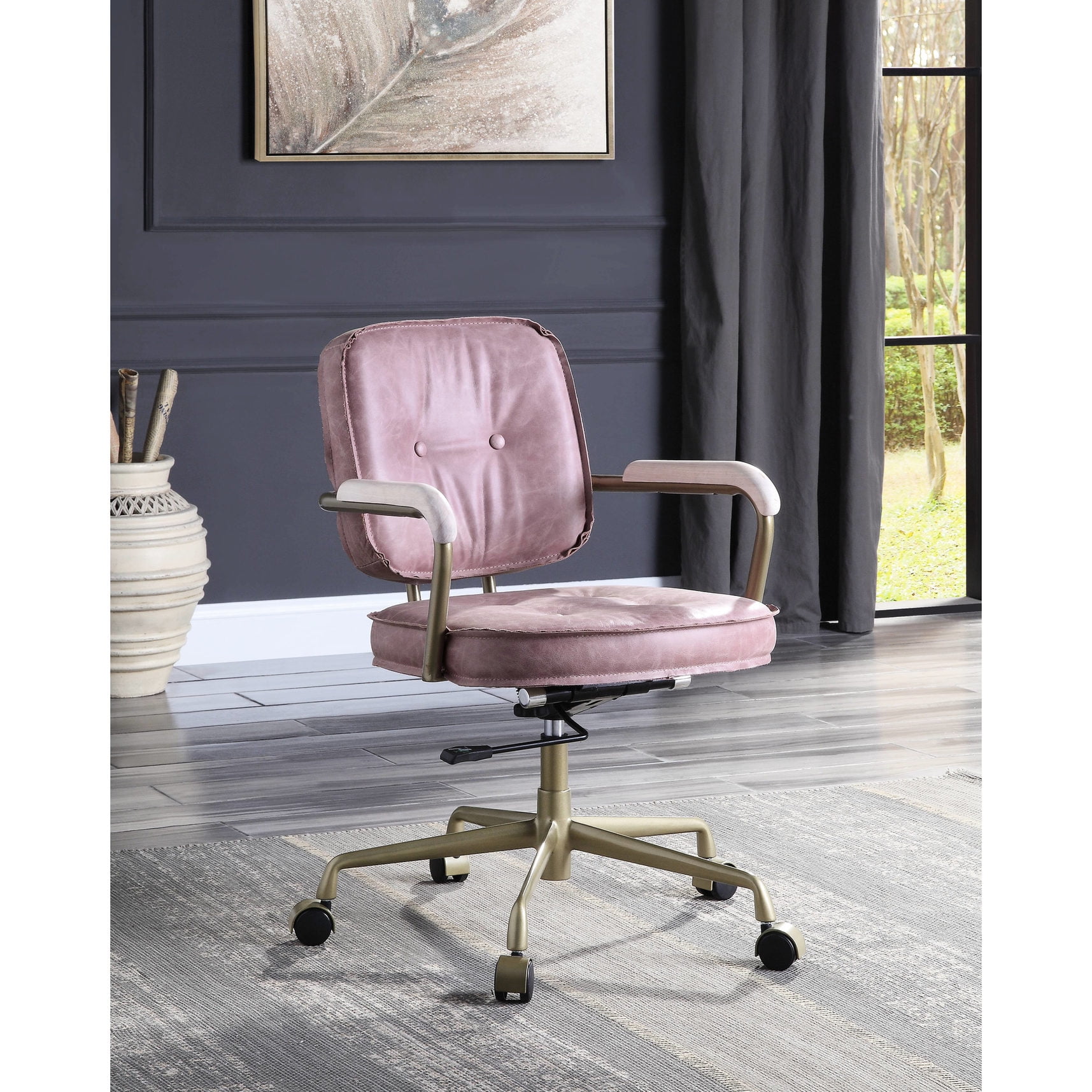

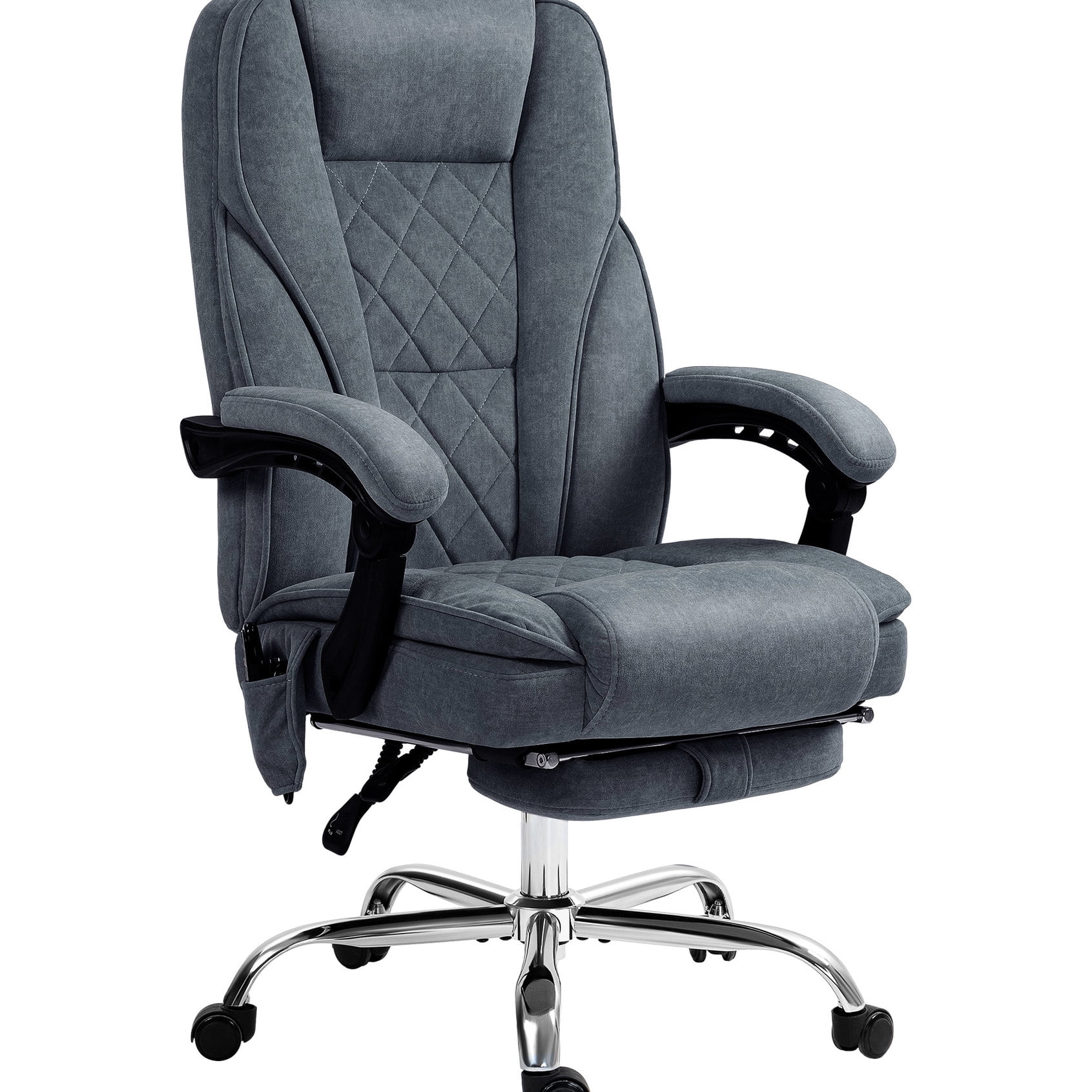
The Critical Role of a Good Office Chair for Long Hours
If your workday involves sitting at a desk for eight, ten, or even twelve hours, your office chair is not just a piece of furniture—it's your primary work tool and a key determinant of your physical well-being. A good office chair for long hours acts as a supportive foundation, much like a high-quality mattress does for a good night's sleep. It actively works to keep your body aligned, your muscles relaxed, and your focus sharp, transforming a potential source of chronic pain into a platform for sustained productivity.
Did you know? The average office worker sits for about 15 hours a day. Research in the journal "Annals of Internal Medicine" suggests that prolonged sitting is linked to health risks, but an ergonomic chair that promotes movement and good posture can significantly mitigate these effects by reducing spinal disc pressure by up to 40% compared to a standard, non-ergonomic chair.
Beyond Comfort: The Anatomy of a "Long-Haul" Chair
Finding the right chair is about understanding the specific demands of all-day sitting. It's not just about initial plushness; it's about sustained support. A chair that feels great for the first hour can become unbearable by the fifth. Here’s what to look for in a true long-hour companion:
- Seat Depth and Width: A "waterfall front" edge that curves down gently prevents pressure on the back of your thighs, promoting healthy blood circulation. The seat pan should be deep enough to support most of your thigh (about 2-3 fingers width between the back of your knee and the seat).
- Dynamic Lumbar Support: Static support isn't enough. You need a lumbar system that moves with you as you shift. Look for chairs with springs or a flexible backrest that allows the lumbar support to adapt to your movements, providing constant, gentle pressure on the right spots.
- Breathable Backrest: For long hours, a mesh backrest is often the winner. It allows heat to dissipate and air to circulate, preventing that sticky, sweaty feeling that can be a major distraction. High-end mesh is durable and provides excellent tensioned support.
- Adjustable Armrests (4D): Armrests that adjust in height, width, depth, and pivot angle are essential. They allow you to keep your shoulders relaxed and your elbows at a 90-degree angle, preventing neck and shoulder tension that builds up over a long day.
- Smooth-Rolling Casters: You should be able to move effortlessly around your workspace. For carpet, standard casters work; for hardwood floors, look for soft rubber or polyurethane casters that won't scratch and provide smooth gliding.
Material Showdown: Choosing Your Ally for the Long Day
The material of your chair dictates its breathability, maintenance, and feel over time. Here's a comparison to help you choose your long-hour partner:
| Material | Breathability | Comfort for Long Hours | Durability | Best For |
|---|---|---|---|---|
| Premium Mesh | Excellent | High (cool, supportive) | High (if well-made) | Warm climates, those who run hot, modern offices |
| Breathable Fabric | Good | High (soft, comfortable) | Medium-High | Those who prefer a softer feel, varied climates |
| High-Quality Leather | Low-Medium | Medium (can get warm/sticky) | Very High | Air-conditioned executive offices, traditional aesthetics |
| Faux Leather / PU | Poor | Low (often non-breathable, can peel) | Low | Not recommended for all-day sitting |
The 7-Point Checklist for Your 12-Hour Workday
Use this step-by-step guide when evaluating a chair. Don't just look at the features; test them out if possible.
- Check Seat Height Adjustability: Ensure the chair can be set so your feet are flat on the floor and your knees are at a 90-degree angle.
- Test Seat Depth: Sit with your back against the backrest. You should be able to fit 2-3 fingers between the back of your knee and the seat pan.
- Feel the Lumbar Support: Does it hit the curve of your lower back? Is it adjustable in and out? A simple push with your hand should reveal if it provides firm, not rigid, resistance.
- Adjust the Armrests: Can you set them so your shoulders are relaxed and your forearms are parallel to the floor?
- Test the Recline Tension: Lean back. Does the chair support your weight without snapping back? The tension should be adjustable to suit your body weight.
- Sit for 15-20 Minutes: Simulate work—type, reach for things, lean back. Notice any pressure points (tailbone, thighs, shoulder blades).
- Check the Build Quality: Tilt the chair, inspect the base (metal is best), and roll on the casters. Does it feel solid and stable?
Health Investment
A good chair pays for itself by preventing back pain, which is one of the most common reasons for missed workdays.
Productivity Boost
Discomfort is a major distraction. An ergonomic chair lets you focus on your work, not your aching back.
Energy Preservation
Proper support reduces muscle fatigue, leaving you with more energy at the end of your workday for personal activities.
Long-Term Durability
Chairs built for long hours use higher-grade components that withstand constant use, making them a better long-term value.
The "Goldilocks" Principle: Matching Chair to Your Body
There's no single "best" chair for everyone. The perfect good office chair for long hours is the one that fits *you*. Think of it like buying a quality pair of hiking boots—they need to be the right size and shape for your feet.
If you are taller than 6'2", you need a chair with a taller backrest and longer seat depth. If you are under 5'4", you need a chair with a shallower seat and armrests that go low enough. Many high-end chairs come in multiple sizes (like A, B, or C). This is a sign of a truly thoughtful design for all-day comfort. Pay attention to these size specifications, not just the "one-size-fits-all" marketing.
Frequently Asked Questions About Long-Hour Office Chairs
Conclusion: Your Chair, Your Foundation
Choosing a good office chair for long hours is one of the most important investments you can make for your professional life and personal health. It's the foundation upon which your productive workday is built. By prioritizing adjustability, breathable materials, and robust construction, you move beyond merely sitting to actively supporting your body's needs. Don't settle for a chair that just looks the part; find the one that works as hard as you do, hour after hour. Your back, your focus, and your overall well-being will thank you.