
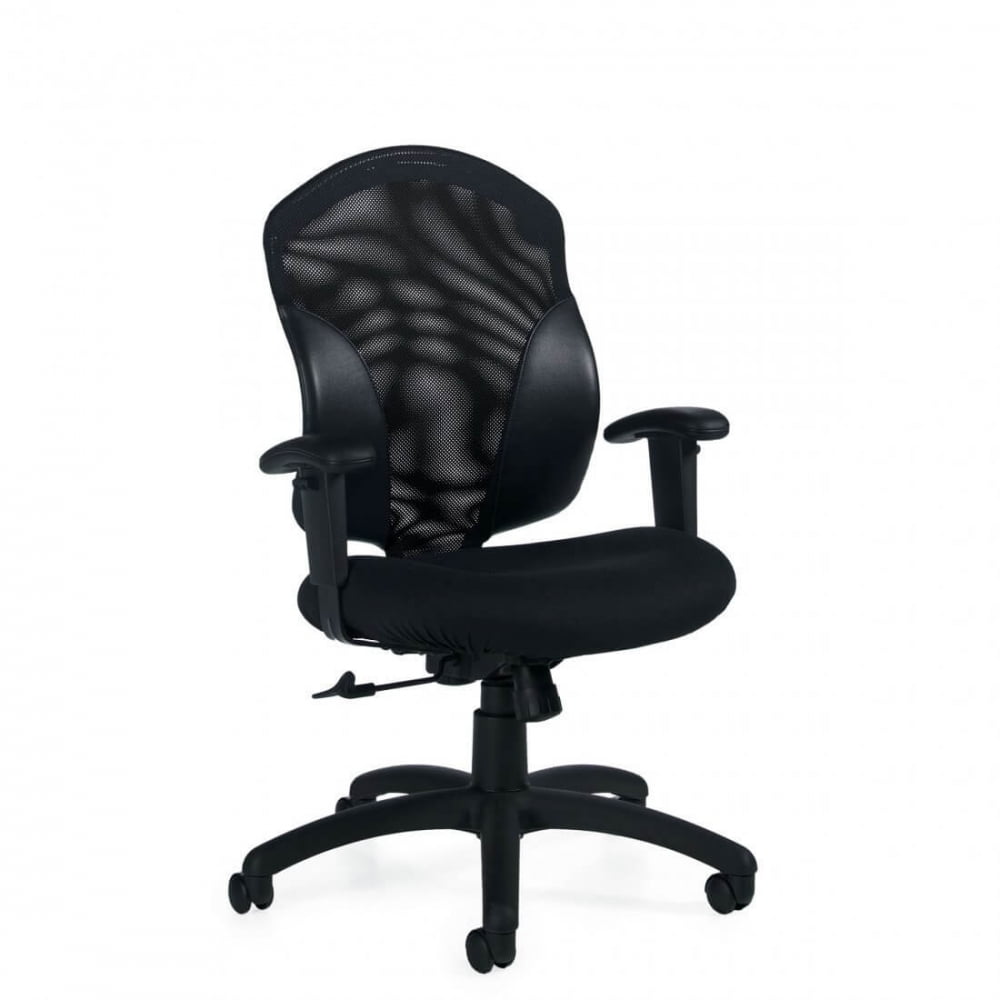
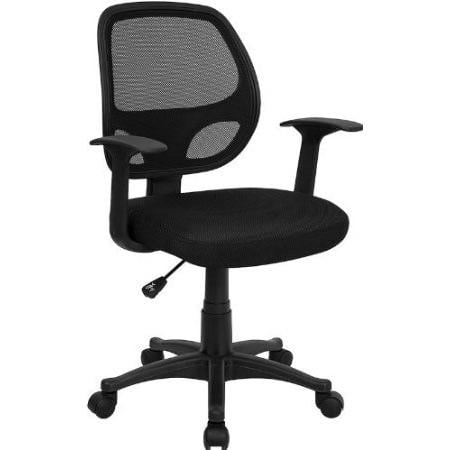
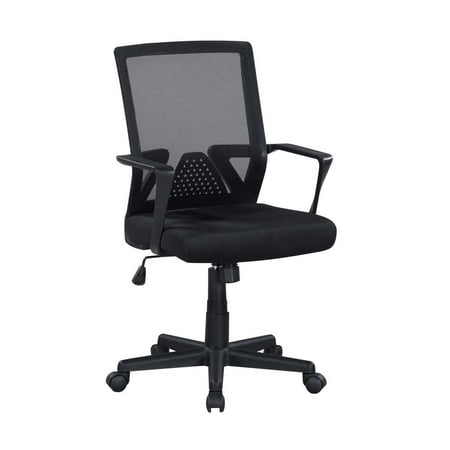
1. Introduction: The Rise of the Mid Back Mesh Office Chair
Imagine sitting in your office chair for hours on a warm afternoon. With a traditional padded or leather chair, you might start to feel sticky and uncomfortable, leading to constant fidgeting and lost focus. This is where the mid back mesh office chair acts like a breath of fresh air for your workspace. It’s the difference between wearing a winter coat on a spring day and a light, ventilated jacket.
Why Mesh Matters: According to a study on workplace comfort, maintaining a comfortable core body temperature can improve cognitive function by up to 10%. Mesh chairs are specifically engineered to prevent heat from getting trapped between your back and the chair, helping you maintain that ideal comfort zone.
These chairs have become a staple in modern offices and home workspaces, not just for their aesthetics, but for their practical benefits. They offer a unique combination of support and airflow that is hard to find in other materials. In this guide, we’ll explore everything you need to know about selecting the perfect mid back mesh office chair, ensuring your next purchase is an investment in both your comfort and productivity.
2. The Anatomy of a Mid Back Mesh Office Chair
Before diving into selection, it's helpful to understand what makes these chairs tick. Think of it like buying a car—you want to know about the engine, not just the paint job.
The Mesh Backrest: The Heart of the Chair
The mesh isn't just any fabric; it's usually a high-tenacity polyester or nylon weave. This material is chosen for its:
- Elasticity and Conformity: It stretches slightly to hug the natural curve of your spine, distributing pressure evenly. Unlike hard plastic or stiff foam, mesh creates a 'hammock effect' that cradles your back.
- Breathability: The open weave allows air to pass through freely. It's like having thousands of tiny windows on your backrest, preventing that sweaty-back feeling.
- Durability: Modern mesh is incredibly resilient and resistant to sagging, provided you choose a chair from a reputable manufacturer. It's designed to withstand years of tension and use.
Lumbar Support: More Than Just a Curve
On a mid back mesh office chair, lumbar support is critical. Because the mesh is flexible, many chairs incorporate a separate, adjustable lumbar mechanism. This can be:
- A built-in, adjustable pad that moves up and down.
- A tension-control dial that increases or decreases the curve of the mesh.
- A secondary, contoured plastic piece behind the mesh that pushes forward.
This adjustability is key. It ensures the support hits you right where you need it, filling the gap in your lower back and maintaining the spine's natural S-shape.
The Seat and Base: The Foundation
The seat pan is often made of molded foam, sometimes with a slight 'waterfall' edge to reduce pressure on the backs of your thighs. The base is typically a five-point star made of nylon or polished aluminum for stability. High-quality casters (wheels) are essential for smooth movement on your specific floor type—whether carpet or hardwood.
3. The Compelling Benefits of Mesh: Why Make the Switch?
Choosing a mid back mesh office chair offers a distinct set of advantages. Let's break them down:
1. Temperature Regulation
The primary superpower of mesh is its airflow. It actively dissipates body heat, keeping you cool and dry even during intense, stressful tasks.
2. Modern Aesthetic
Mesh chairs often have a sleek, professional, and minimalist look. They fit perfectly in contemporary, tech-forward, or home office environments.
3. Dynamic Support
Mesh flexes and moves with you. As you shift positions throughout the day, the backrest continues to provide support, promoting micro-movements that are healthy for your spine.
4. Clean and Low-Maintenance
Spills are less of a disaster on mesh. Liquids often bead up and can be wiped away. Dust doesn't get embedded as easily as in fabric, making it a more hygienic choice.
4. Your Step-by-Step Selection Guide
Choosing the right chair can feel overwhelming. Follow this systematic approach to find your perfect match.
Step 1: Assess Your Body and Work Style
- Measure Your Torso: A mid-back chair should support up to your shoulder blades. Sit against a wall and measure from the seat of a chair to just below your shoulder blades. Look for chairs with a back height in that range (typically 18-22 inches).
- Identify Your Heat Zones: If you're someone who naturally runs warm, mesh is your best friend. If you work in a cold office, a fabric or leather chair might feel cozier, but mesh will still prevent that clammy feeling.
- Movement Habits: Do you sit perfectly still, or do you shift and lean frequently? If you move a lot, the flexible support of a mesh back is ideal.
Step 2: Test the Lumbar Support
This is non-negotiable. When you sit in the chair, the lumbar support should fit snugly into the curve of your lower back.
- Adjust the lumbar mechanism up and down. Does it hit the right spot?
- If it has depth adjustment, push it in and out. Do you feel it providing firm, comfortable pressure, or is it poking you?
- Spend at least 10 minutes in the chair. Does your lower back start to ache, or does it feel supported?
Step 3: Evaluate Adjustability Features
A good mid back mesh office chair is an adjustable tool. Look for:
- Seat Height Adjustment: Your feet should rest flat on the floor, with thighs parallel to the ground.
- Tilt Tension and Lock: You should be able to recline smoothly and lock the chair in your preferred angle.
- Armrest Adjustability (4D is best): Armrests that move up/down, forward/back, and pivot in/out allow you to keep your shoulders relaxed and elbows at a 90-degree angle.
- Seat Depth Adjustment: You should be able to fit 2-3 fingers between the back of your knee and the seat edge. If the seat pan slides forward/back, you can achieve this perfect fit.
Step 4: Consider the Build Quality
- Mesh Tension: The mesh should be taut, not saggy. Sit in it and lean back; it should offer resistance without bottoming out.
- Base and Casters: A heavier, metal base indicates higher durability. Choose casters (soft vs. hard wheels) based on your floor type.
- Weight Capacity: Always check the manufacturer's stated weight capacity to ensure the chair is built for your body type. A higher capacity (e.g., 300 lbs) usually means a sturdier overall build.
5. Mesh vs. The World: A Quick Comparison
How does mesh stack up against other popular materials? Here’s a straightforward look:
| Feature | Mesh | Leather / Faux Leather | Fabric |
|---|---|---|---|
| Breathability | Excellent | Poor | Moderate |
| Maintenance | Easy (vacuum, wipe) | Easy (wipe clean) | Harder (stains, absorbs spills) |
| Comfort (Temperature) | Cool in summer, cool in winter | Cold in winter, hot/sticky in summer | Warm in winter, can be warm in summer |
| Durability (Backrest) | High (resists sagging if quality) | High (but can crack) | Moderate (can wear thin) |
| Aesthetic | Modern, clean, minimalist | Traditional, luxurious, executive | Casual, homey, wide variety |
6. Frequently Asked Questions (FAQ) About Mid Back Mesh Office Chairs
7. Conclusion: Making Your Choice
Selecting a mid back mesh office chair is a decision that prioritizes active comfort and a modern, breathable workspace. It's the ideal solution for anyone who values staying cool, maintaining focus, and wanting a chair that adapts to their movements rather than restricting them.
By focusing on the quality of the mesh, the adjustability of the lumbar support, and the overall build, you can find a chair that will serve you well for years. Remember, the best chair isn't just the one with the most features—it's the one that fits your body and supports your unique work style. Use the product grid above to start exploring top-rated options, and bring the gift of a cool, comfortable back to your daily work life.