
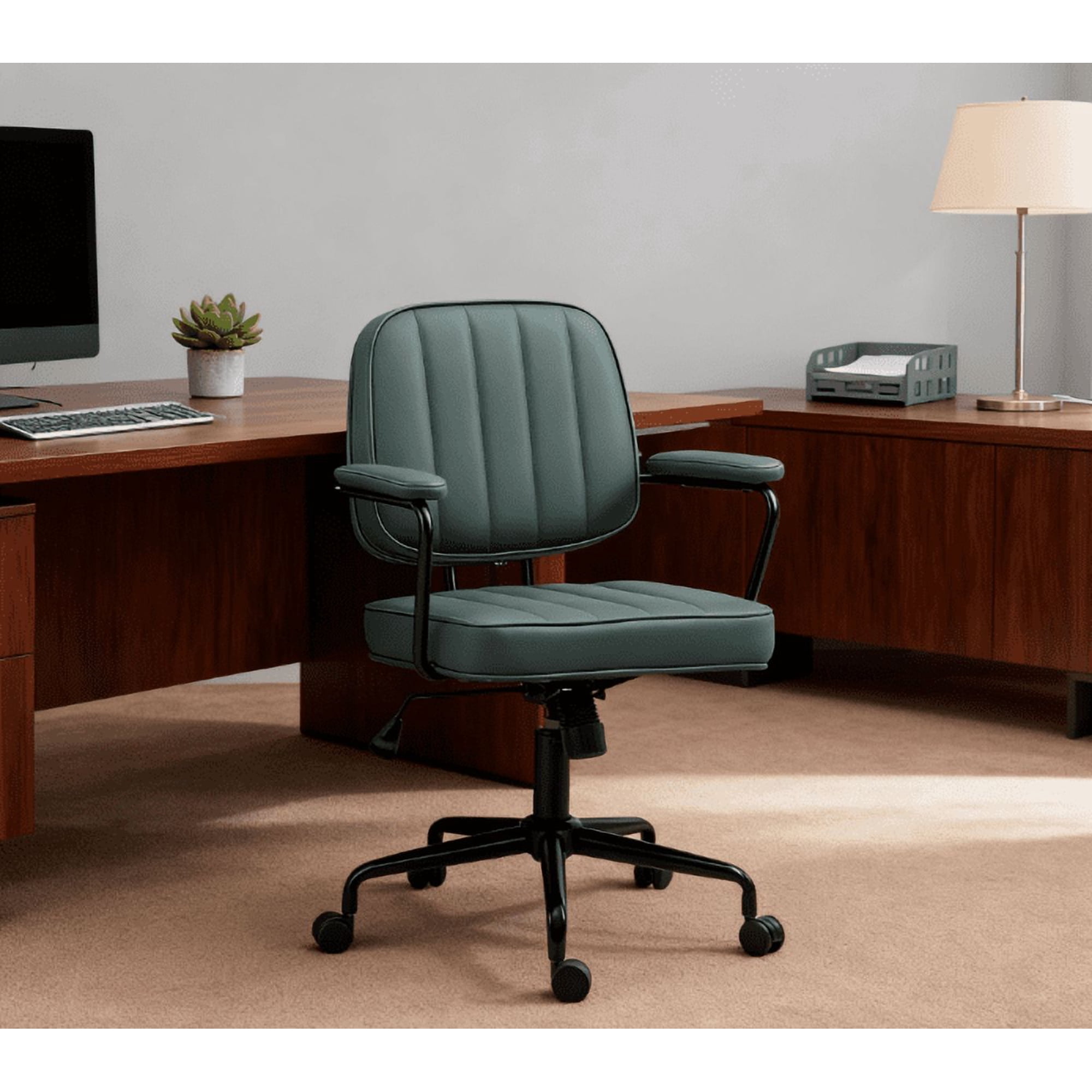
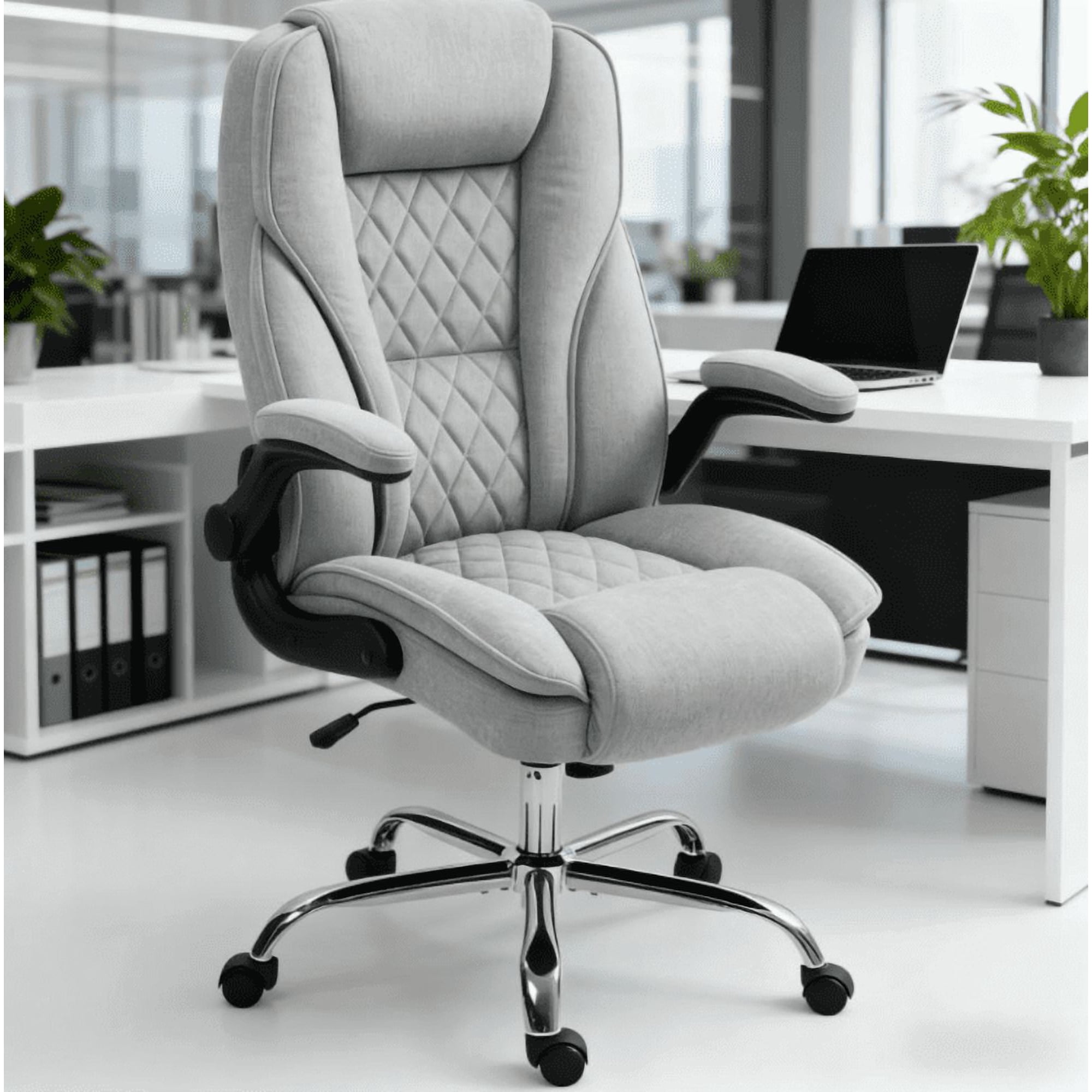

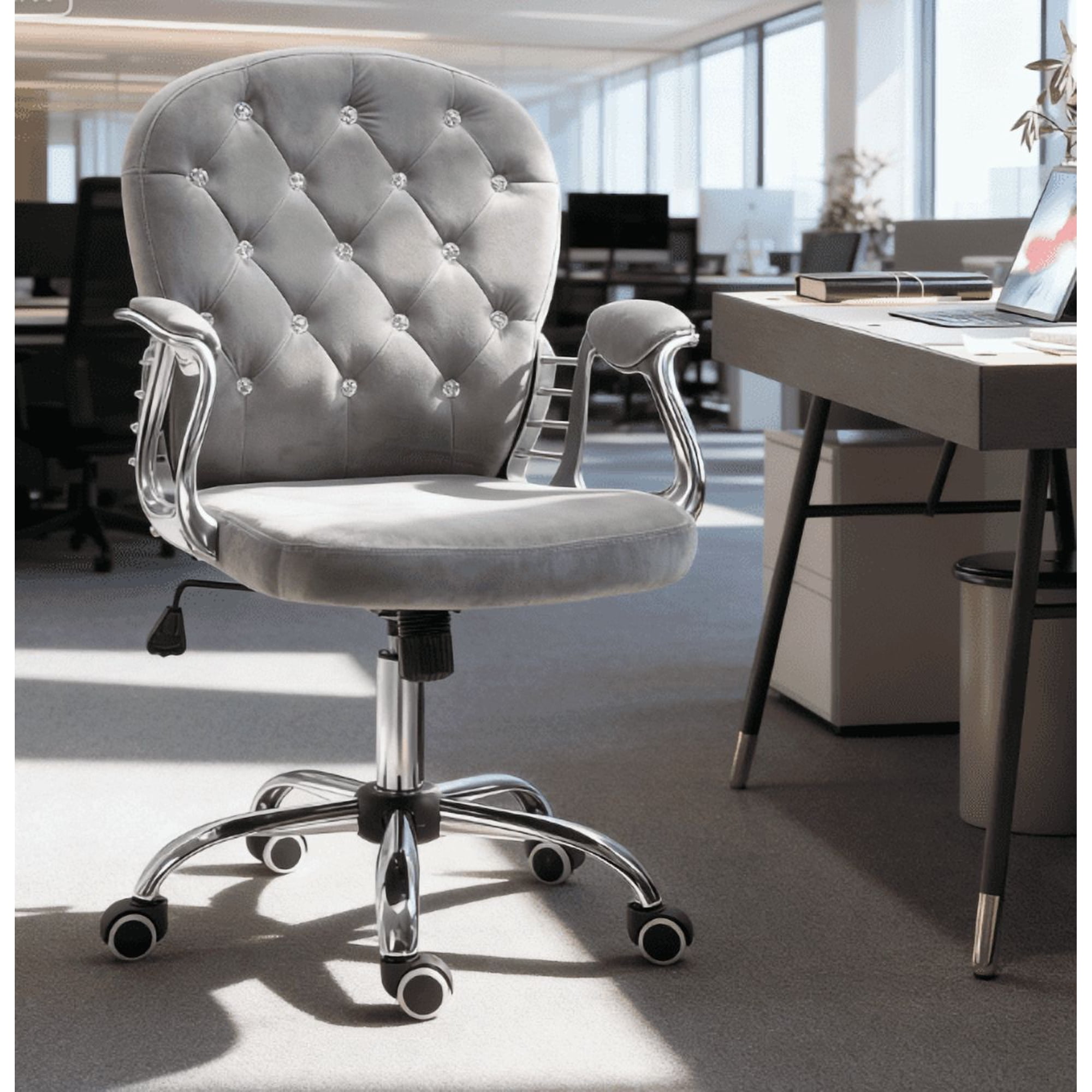
Redefining the Workspace: Why Style and Ergonomics Are Now Inseparable
Imagine walking into a beautifully designed home office. The lighting is warm, the desk is minimalist, and then you see it: a bulky, black mesh chair with exposed mechanisms, looking utterly out of place. It’s a common dilemma—prioritizing your back often meant compromising your room's aesthetic. But what if your chair could be the statement piece and the most comfortable seat in the house?
This is the promise of the ergonomic but stylish office chair movement. It’s no longer about hiding your chair in a corner. It’s about selecting a piece that reflects your taste while actively supporting your health during those long work hours. According to a recent workplace survey, 68% of remote workers admit they chose their chair based on looks, only to develop discomfort later. The solution isn't to abandon style, but to find the perfect fusion. This guide will walk you through exactly how to find that unicorn.
💡 The Analogy: Think of an ergonomic stylish chair like a tailored Italian suit. It fits you perfectly (ergonomic), but it also makes you feel confident and projects an image (stylish). One without the other leaves you either uncomfortable or underdressed.
The Anatomy of a Beautifully Supportive Chair
To truly understand this category, we need to look beyond the surface. The magic lies in what we call "invisible ergonomics"—support features cleverly integrated into a sleek silhouette. Here are the key pillars that define these dual-purpose masterpieces.
1. The Sculpted Shell: Support Hiding in Plain Sight
Gone are the days of bulky, external lumbar pads. Modern design uses the chair's very shape to provide support.
- Contoured backrests: Manufacturers now mold the frame to follow the spine's natural 'S' curve, offering passive lumbar support that’s built into the design.
- Integrated headrests: Instead of a separate, adjustable pillow, many stylish chairs feature a gentle, continuous curve from the back to the headrest, providing neck support without visual clutter.
- Waterfall seats: A staple of ergonomics, the curved front edge of the seat (to reduce thigh pressure) is now seamlessly blended into the overall form, often upholstered in matching premium materials.
This approach means the chair looks like a cohesive sculpture, not a machine bolted together.
2. Material Alchemy: From "Office Grade" to "Designer Grade"
The materials dictate both the comfort and the aesthetic. Here's how they pull double duty:
- Performance Fabrics: Think of upholstery that feels like luxurious wool or textured linen but is stain-resistant, durable, and breathable. Brands are using fabrics from furniture houses (like Kvadrat or Camira) that are both tactile and technical.
- Refined Mesh: Not the standard green mesh of the 90s. Today's designer mesh comes in fine weaves, neutral tones (charcoal, taupe), and even patterns. It’s translucent and light, adding an airy, modern feel.
- Eco-Leather & Soft-Touch Polymers: High-quality vegan leathers with a matte, rather than shiny, finish offer a sophisticated look. They are soft to the touch and often more breathable than traditional leather, making them ideal for a chic, minimalist office.
3. The Foundation: Bases and Arms as Design Elements
The "feet" of your chair are critical to its overall look.
Polished Aluminum or Matte Black: A five-star base can be a design feature. Sleek, polished aluminum reflects light and adds a premium, airy quality. Matte black or charcoal bases offer an industrial, grounded look that hides wear and tear. Even the casters are getting an upgrade—some now come in soft rubber with metallic hubs, rolling silently and looking great.
Arms as Accents: Instead of chunky plastic armrests, stylish chairs feature slim-line arms. They might be a continuation of the polished aluminum frame, or upholstered in a contrasting leather, acting like elegant jewelry on the chair.
4. The Palette: Moving Beyond Black and Gray
Color psychology plays a huge role in both style and perceived comfort.
- Earthy Neutrals: Warm sand, terracotta, and sage green bring a calming, biophilic element to your workspace.
- Jewel Tones: A deep emerald or sapphire blue chair can become a stunning focal point, projecting confidence and creativity.
- Two-Tone Designs: Combining a light shell with a darker seat, or a mesh back with a solid-colored frame, adds visual interest and depth, preventing the chair from looking like a monolithic block.
By thoughtfully choosing color, you ensure the chair complements your space rather than just occupying it.
Quick Concept Comparison: Traditional vs. Modern Stylish-Ergonomic
⚙️ Traditional Ergonomic
- Function-first, form-second
- Exposed mechanisms
- Limited colors (black, gray)
- Bulky padding
- Plastic components visible
✨ Stylish-Ergonomic
- Form and function in harmony
- Hidden or integrated adjustments
- Rich, curated color palette
- Sculpted, tailored padding
- Metal and premium finishes
Data from interior design blogs indicates that posts featuring "stylish home offices" with designer-looking ergonomic chairs receive 3x more engagement than those with purely utilitarian seating. It's clear: people crave a workspace that feels personal and professional.
Frequently Asked Questions: Bridging Style and Support
Conclusion: Invest in a Chair That Speaks to You and Supports You
The search for an ergonomic but stylish office chair is no longer a compromise. It's an exciting opportunity to curate a workspace that fuels your productivity and reflects your personal brand. By focusing on chairs that integrate support into their design, use premium and thoughtful materials, and offer a palette that excites you, you can create an office where you'll love to work—and where you'll work better.
Remember, your chair is where you spend a third of your day. It should be a source of comfort, not pain, and a source of pride, not an eyesore. Use the tips in this guide, explore the options below, and choose a seat that truly elevates your work-from-home experience.