
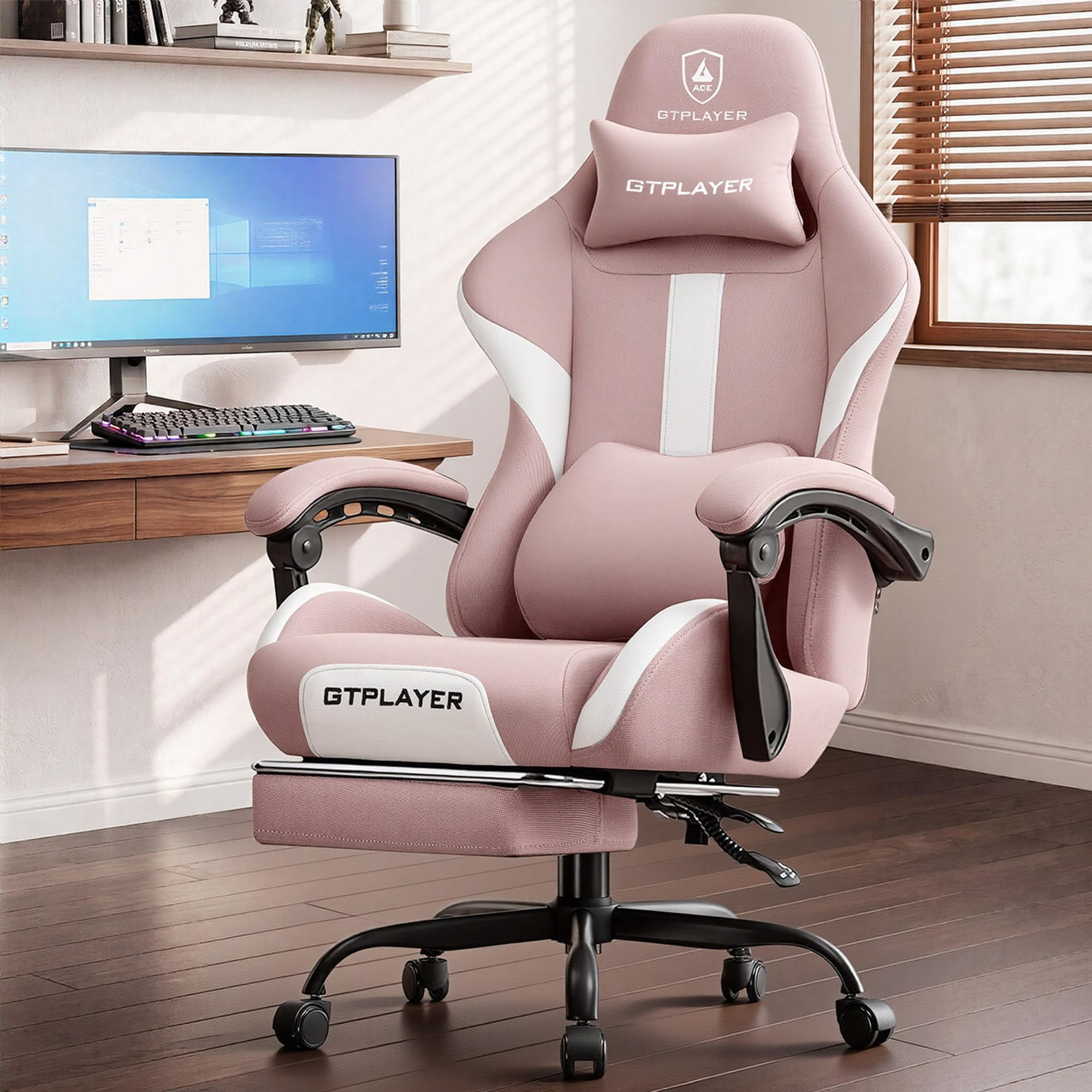
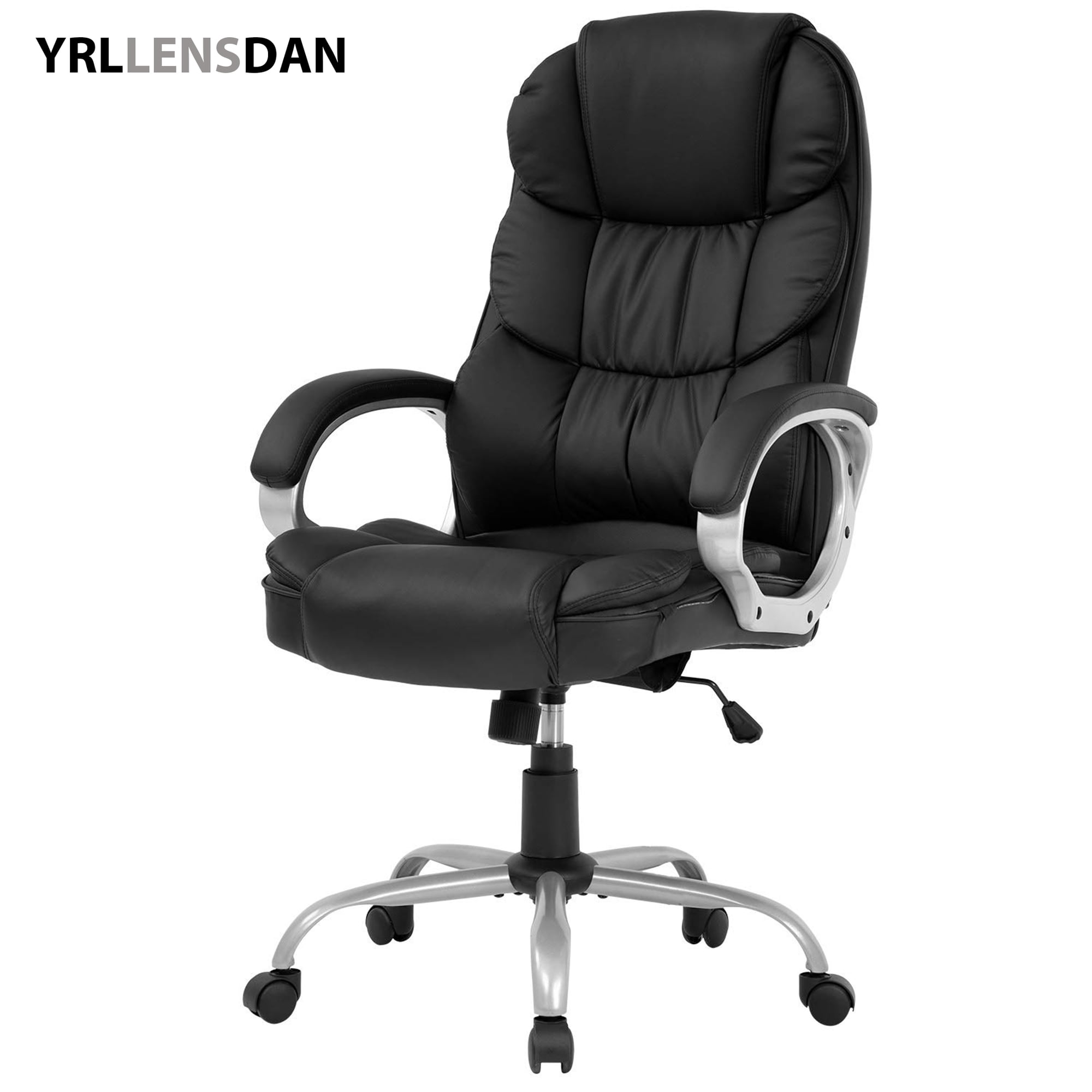
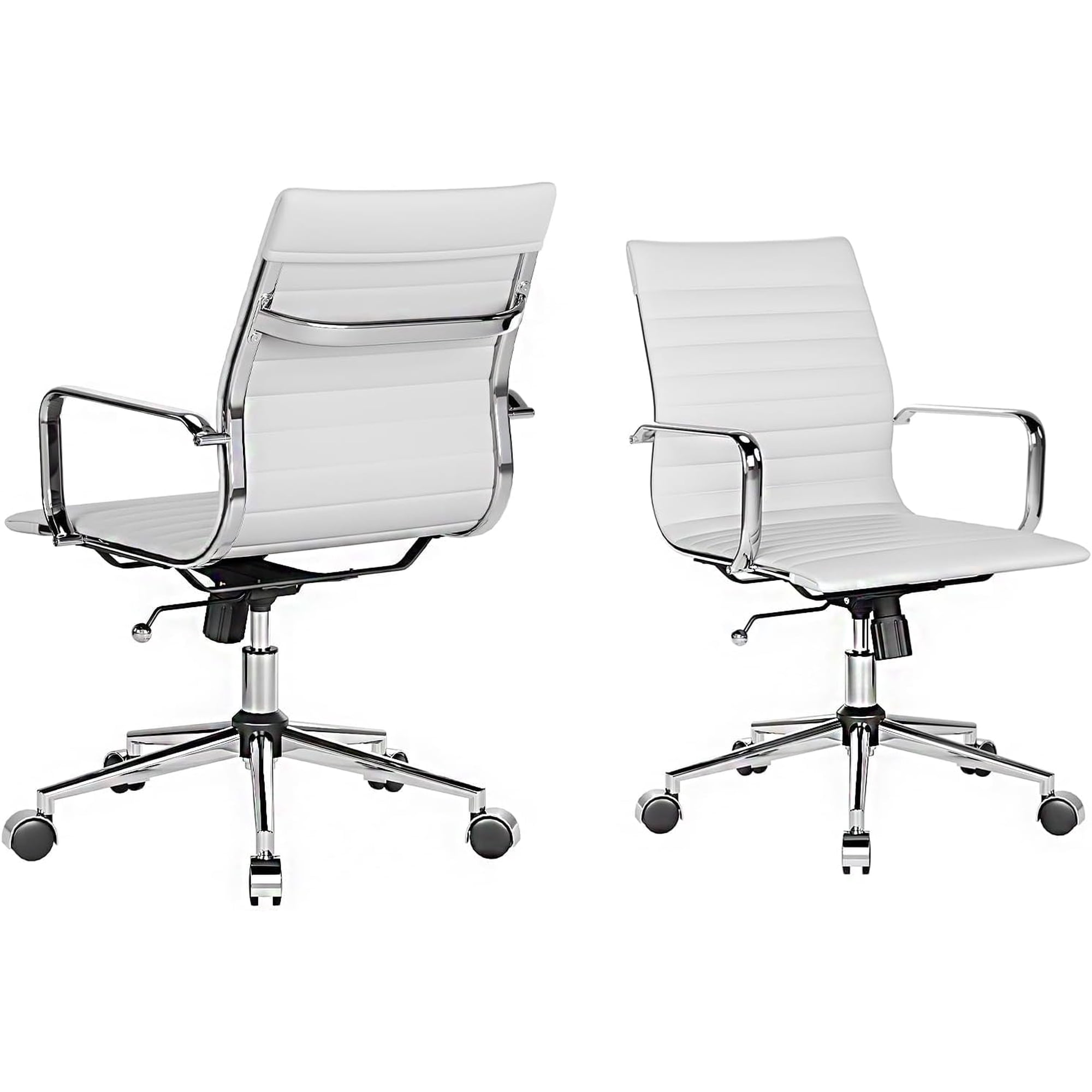
Why “Comfortable” Means More Than Just Padding for a Heavy Person
Imagine wearing a suit that’s two sizes too small—tight in the shoulders, restrictive when you move, and after eight hours, downright painful. That’s what sitting in an ill-fitting office chair feels like for many heavy individuals. A truly comfortable office chair for a heavy person isn't just about extra foam; it’s about an engineered ecosystem of support: a wider seat base that cradles without cutting off circulation, a backrest with lumbar support that stays where it should, and a gas cylinder that won’t fail after six months.
According to the National Institute for Occupational Safety and Health (NIOSH), workers who sit for prolonged periods in poorly fitted seating report 54% more lower back discomfort. For individuals over 250 lbs, the risk multiplies because standard chairs (often rated for 250–275 lbs) operate at their mechanical limit. This leads to premature wear—sagging cushions, squeaky mechanisms, and even catastrophic failure.
In this guide, we’ll dissect what makes a heavy-person office chair genuinely comfortable and durable. We’ll look beyond marketing claims and focus on metrics that matter: weight capacity, seat width, frame material, and long-term resilience. Whether you’re 300 lbs or 450 lbs, there’s a chair that will make you feel supported, not squeezed.
Anatomy of a Heavy-Duty Comfort Chair: 5 Critical Components
Selecting the right chair is like building a custom truck: you need a robust chassis, heavy-duty suspension, and a comfortable cabin. Here are the five pillars of a comfortable office chair for a heavy person, each explained with why it matters and what to look for.
1. Frame & Base: The Skeleton of Strength
Most standard office chairs use a plastic or lightweight aluminum base with a tubular steel frame. For heavy persons, this is a recipe for wobbling. You need:
- Reinforced steel frame: Not just thin tubing. Look for chairs that advertise "heavy-gauge" or "industrial-grade" steel. Some premium brands use robotically welded steel skeletons that withstand 500+ lbs of dynamic force.
- Base material: Nylon bases can crack under heavy loads over time. Opt for a polished aluminum or die-cast aluminum base. It’s lighter than steel but stronger than nylon and won’t corrode.
- Base diameter: A wider base (28–30 inches) provides a lower center of gravity, preventing tipping. Think of it as a wider stance—essential for stability when you lean back or swivel.
2. Seat Dimensions & Foam Density: The Cushion Myth
Thicker foam doesn’t always mean better. If the foam is low-density (soft), a heavy person will "bottom out" against the plywood or plastic seat pan within weeks, causing pressure points. The formula for lasting comfort:
- Seat width: Minimum 22 inches; for true comfort, look for 24–28 inches. Measure your hip width while seated—add 2 inches on each side for freedom of movement.
- Seat depth: 20–22 inches is standard, but ensure there’s a waterfall edge (the front curves down) to prevent thigh pressure. Adjustable seat depth is a premium feature that allows you to set 1–3 inches of slide.
- Foam type: High-resilience (HR) polyurethane foam with a density of 2.5–3.0 lbs/ft³ is ideal. Some manufacturers use a dual-layer system: firm base foam for support, soft top foam for comfort. Avoid "bonded leather" over cheap foam—it breaks down fast.
3. Weight Capacity: Reading Between the Numbers
Safety margin matters: If you weigh 350 lbs, a chair rated for 400 lbs gives you a 50 lb buffer. However, dynamic forces (like sitting down quickly or leaning) can momentarily double the load. That’s why many ergonomists recommend a chair rated for at least 100 lbs more than your body weight. For example, if you are 350 lbs, a 450–500 lb capacity chair will last longer and feel more solid.
- Class 4 or Class 5 gas lift: Standard chairs use Class 3 lifts (rated up to 250 lbs). Look specifically for Class 4 (up to 400 lbs) or Class 5 (500+ lbs) gas cylinders. They have thicker walls and a larger piston diameter.
- Test standards: Reputable brands test to BIFMA (Business and Institutional Furniture Manufacturers Association) standards, which include 100,000+ cycles of durability testing at the rated weight.
4. Lumbar Support & Backrest Design: Beyond One-Size-Fits-All
Back pain is the #1 complaint among office workers. For heavy persons, the lumbar support needs to be positioned correctly—often higher and more pronounced because of the natural curvature of a larger torso. Look for:
- Adjustable lumbar: Both height and depth adjustable. Some chairs use a tension knob that lets you increase the firmness of the lumbar support.
- High backrest: A backrest that reaches at least 26–30 inches high (from seat to top) ensures support for the entire thoracic spine. Shoulder blades should rest comfortably within the backrest.
- Recline mechanism with tension control: A heavy person needs a strong torsion spring that can be dialed up to support their weight. Look for "infinite lock" or "multi-position lock" so you can recline safely.
5. Armrests: The Often Overlooked Support
Armrests on standard chairs are often flimsy plastic attachments. For a heavy individual, they need to bear partial weight when you push yourself up. Key specs:
- Steel-reinforced arms: Not just plastic poles. They should be bolted into the frame.
- Width-adjustable: 4D armrests (up/down, left/right, forward/back, pivot) allow you to accommodate wider shoulders and keep elbows at a 90° angle, reducing neck tension.
- Padded surface: At least 2–3 inches wide and cushioned with soft rubber or foam to avoid pressure on forearms.
Step-by-Step Guide: How to Choose Your Ideal Heavy-Person Office Chair
Follow this systematic approach to avoid guesswork and ensure the chair you buy is a long-term investment in your well-being.
- Measure yourself and your space: Seat width (hips), seat depth (from back of knee to hip), and back height (shoulder to seat). Also measure your desk height to ensure the chair’s maximum height allows you to sit with thighs parallel.
- Set a minimum weight capacity: Add 100 lbs to your current weight as a safety buffer. If you are between 250–300 lbs, aim for 400 lbs minimum. If over 350 lbs, look for 500+ lbs.
- Identify must-have adjustments: For most heavy persons, seat depth adjustment and lumbar height adjustment are non-negotiable. Armrest width adjustment is a close second.
- Read reviews for “long-term” use: Filter reviews by "6 months" or "1 year" to see if users report sagging, squeaking, or hydraulic failure.
- Check the warranty: A company confident in its heavy-duty construction will offer at least 5 years on parts, 10 years on the frame. This protects your investment.
Material & Build Comparison for Heavy-Person Chairs
Choosing between leather, fabric, or mesh isn’t just about looks. Here’s how they perform for heavy users:
| Material | Durability (Heavy Use) | Breathability | Maintenance | Best For |
|---|---|---|---|---|
| Premium Fabric (e.g., twill, crypton) | Excellent – high abrasion resistance | Good – breathable | Vacuum; stain-resistant if treated | All-day comfort in climate-controlled offices |
| Top-Grain Leather | Very good – can last decades, but requires conditioning | Poor – can get sticky in heat | Wipe down; condition twice/year | Executive settings with A/C; luxurious feel |
| Bonded Leather / Faux Leather | Poor – tends to crack and peel under heavy weight | Poor | Easy to wipe but flakes over time | Avoid for heavy persons; not durable |
| High-Quality Mesh (reinforced) | Good – must have reinforced edges | Excellent – keeps you cool | Wipe frame; mesh can collect dust | Warmer environments; those who run hot |
Health Benefits of a Properly Fitted Heavy-Duty Chair
Investing in the right chair isn’t a luxury—it’s preventive healthcare. A comfortable office chair for a heavy person can:
- Reduce joint pain: By distributing weight evenly, it lessens pressure on hips and knees.
- Prevent "sciatic" flare-ups: Proper lumbar support reduces compression on the sciatic nerve.
- Improve circulation: A waterfall seat edge stops thighs from going numb.
- Increase productivity: A study from Cornell University found that ergonomic interventions reduced discomfort by 54% and improved work output.
Frequently Asked Questions About Comfortable Chairs for Heavy Persons
Final Verdict: Comfort Is Non-Negotiable
Finding a comfortable office chair for a heavy person is a journey, but it’s one your body will thank you for. Don’t settle for a chair that’s merely "okay" for a year. Invest in a model with a steel frame, high-density foam, Class 4 or 5 gas lift, and a warranty that backs it up. Whether you’re managing a team, coding, or crunching numbers, the right chair transforms your workday from endurance test to productive flow. Start with the options above—they represent the best balance of durability, ergonomics, and genuine comfort for heavy individuals.