
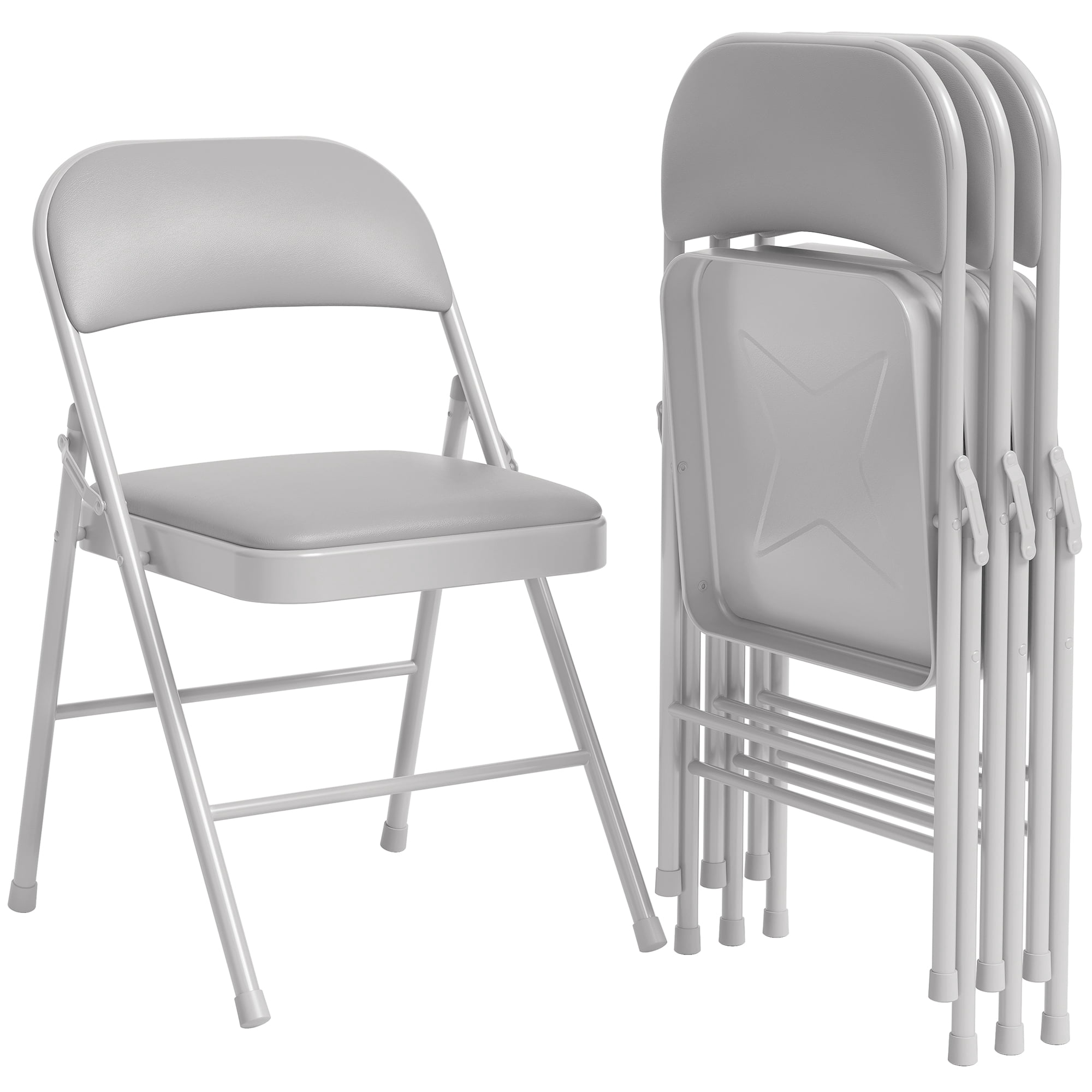
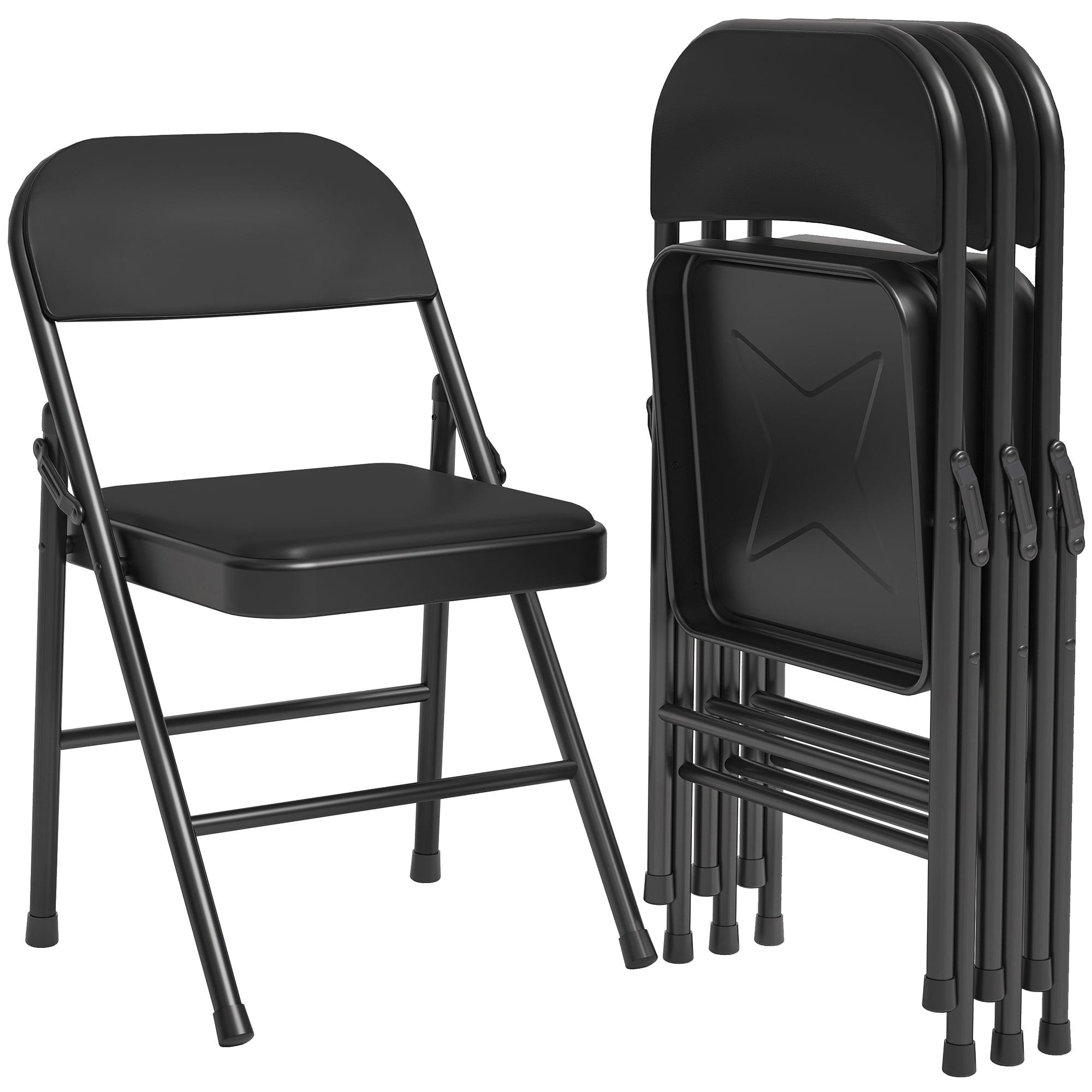
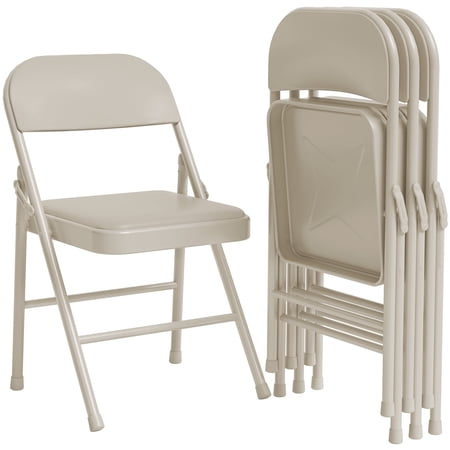
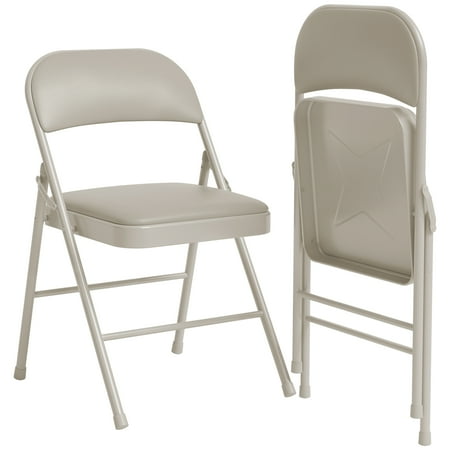
Redefining the Folding Chair: From Utility to Essential Comfort
For decades, folding chairs were synonymous with metal picnic tables and barely-there padding—a temporary seating solution you tolerated, not enjoyed. But the modern workspace has evolved, and so has the humble folding chair. Today's comfortable folding office chairs are engineered for the professional who needs flexibility without sacrificing spinal health or cushioning. Whether you're setting up a hybrid workspace in a studio apartment, accommodating extra team members, or needing a chair that tucks away after hours, the right folding chair is a game-changer.
Why it matters: According to a 2023 survey by the American Home Furnishings Alliance, 42% of remote workers use multi-purpose spaces (like dining rooms or bedrooms) as their office. In these environments, a chair that combines easy storage with ergonomic support isn't a luxury—it's a necessity for productivity and physical well-being.
Anatomy of Comfort: What Makes a Folding Office Chair Truly Comfortable?
Not all padded folding chairs are created equal. Many manufacturers use the term "comfortable" loosely. To help you distinguish between a glorified patio chair and a legitimate office seat, we break down the critical components.
1. The Cushion Conundrum: Density Over Depth
Think of a chair cushion like a mattress. A thick, plush top layer might feel great for five minutes, but if the foam beneath is low-density, you'll "bottom out" after an hour, feeling the hard frame underneath. For a folding chair used at a desk, look for high-resiliency (HR) foam with a density of at least 2.5 lbs per cubic foot. The ideal construction often features a firm base foam with a softer, conforming top layer.
- Seat Thickness: Aim for a minimum of 3 inches of total padding. Anything less and your sitting bones (ischial tuberosities) will protest after 45 minutes.
- Waterfall Edge: A seat front that curves gently downward is crucial. It prevents the edge of the chair from digging into the back of your thighs, maintaining healthy blood circulation during long tasks.
- Cover Material: Breathable fabric or high-quality mesh prevents heat buildup. Bonded leather can look sleek but may become sticky in warmer climates.
2. Back Support: The Lumbar Litmus Test
The biggest compromise in folding chairs has historically been the backrest—often a flat, unforgiving slab. Today's comfortable folding office chairs incorporate ergonomic curves. A proper backrest should mimic the spine's natural S-shape.
- Check for a defined lumbar curve: Sit in the chair and slide your hand behind your lower back. There should be a noticeable inward curve supporting that area, not a gap.
- Evaluate the height: For all-day use, the backrest should reach at least mid-back (around the shoulder blade level). Chairs with high backs that support the entire back offer superior comfort for taller individuals.
- Mesh vs. Padded Backs: A padded back offers a "hugging" comfort, while mesh provides ventilation. Some premium folding chairs now combine both: a padded lumbar zone with a mesh upper.
3. The Frame and Stability Factor
A wobbly chair is an uncomfortable chair—both physically and psychologically. The frame is the unsung hero of comfort. Steel frames with a powder-coated finish provide the best stability-to-weight ratio. Look for reinforced cross braces and a locking mechanism that prevents the chair from accidentally folding while you're leaning back.
Data point: A study from the Occupational Safety and Health Administration (OSHA) suggests that chair instability contributes to 15% of workplace "micro-movements" (constant shifting to find balance), which leads to fatigue. A stable base minimizes this energy drain.
4. Armrests: The Overlooked Ergonomic Ally
Many folding chairs skimp on armrests or offer flimsy, plastic ones. For office work, armrests are vital. They support the weight of your arms, reducing strain on your shoulders and neck. Look for chairs with padded armrests that are wide enough (at least 2 inches) and set at a height that allows your elbows to rest at a 90-degree angle while typing. Some higher-end folding models even offer "fold-down" armrests, allowing you to tuck the chair under a desk when not in use, while still providing support during work.
Who Benefits Most from a High-Quality Folding Office Chair?
The beauty of the modern folding chair is its versatility. It's not just for the dorm room anymore. Here's a snapshot of the modern user:
The Hybrid Professional
Works from home 2-3 days a week and needs a chair that doesn't dominate the living room aesthetic when guests arrive.
The Small Business Owner
Runs a boutique office with limited square footage. Needs comfortable overflow seating for meetings that can be stored away.
The Student
Lives in a small apartment and requires a functional desk chair that can be moved aside to create space for study groups or relaxation.
The Creative Consultant
Often works in different zones—the desk, a drafting table, or a collaboration corner. A lightweight, comfortable folding chair can move with them.
Material Face-Off: Folding Chair Upholstery
Choosing the right material affects longevity, comfort, and maintenance. Here’s a quick guide tailored for folding office chairs:
Breathable Mesh
- Ideal for long hours in warm environments.
- Easy to wipe clean; doesn't trap odors as much.
- Often paired with a lumbar tension adjuster.
Mesh Considerations
- Can feel less "cushiony" if the mesh isn't tensioned properly.
- Frame is more visible; design matters.
Thick Fabric/Chenille
- Feels warm and plush; excellent for short to medium sessions.
- Available in various colors to match decor.
- Often hides dirt well.
Fabric Considerations
- Can stain; requires occasional deep cleaning.
- May retain heat if not breathable.
Bonded/PU Leather
- Upscale look; easy to wipe spills.
- Good for short-term guest seating.
Leather Considerations
- Can peel over time; less breathable.
- Sticky in summer, cold in winter.
Frequently Asked Questions About Comfortable Folding Office Chairs
Conclusion: The Smart Choice for Modern Flexibility
The era of the flimsy, back-breaking folding chair is over. Today's comfortable folding office chairs are thoughtfully designed pieces of furniture that respect both your space and your body. By focusing on high-density foam, ergonomic back contours, and a stable steel frame, you can find a folding chair that stands up to a full workday and then discreetly disappears when you need the room back. Whether you're optimizing a tiny home office or preparing a flexible workspace for a growing team, investing in a quality folding chair ensures you never have to compromise comfort for convenience.