
Why the "Most Comfortable" Mesh Chair Changes Your Workday
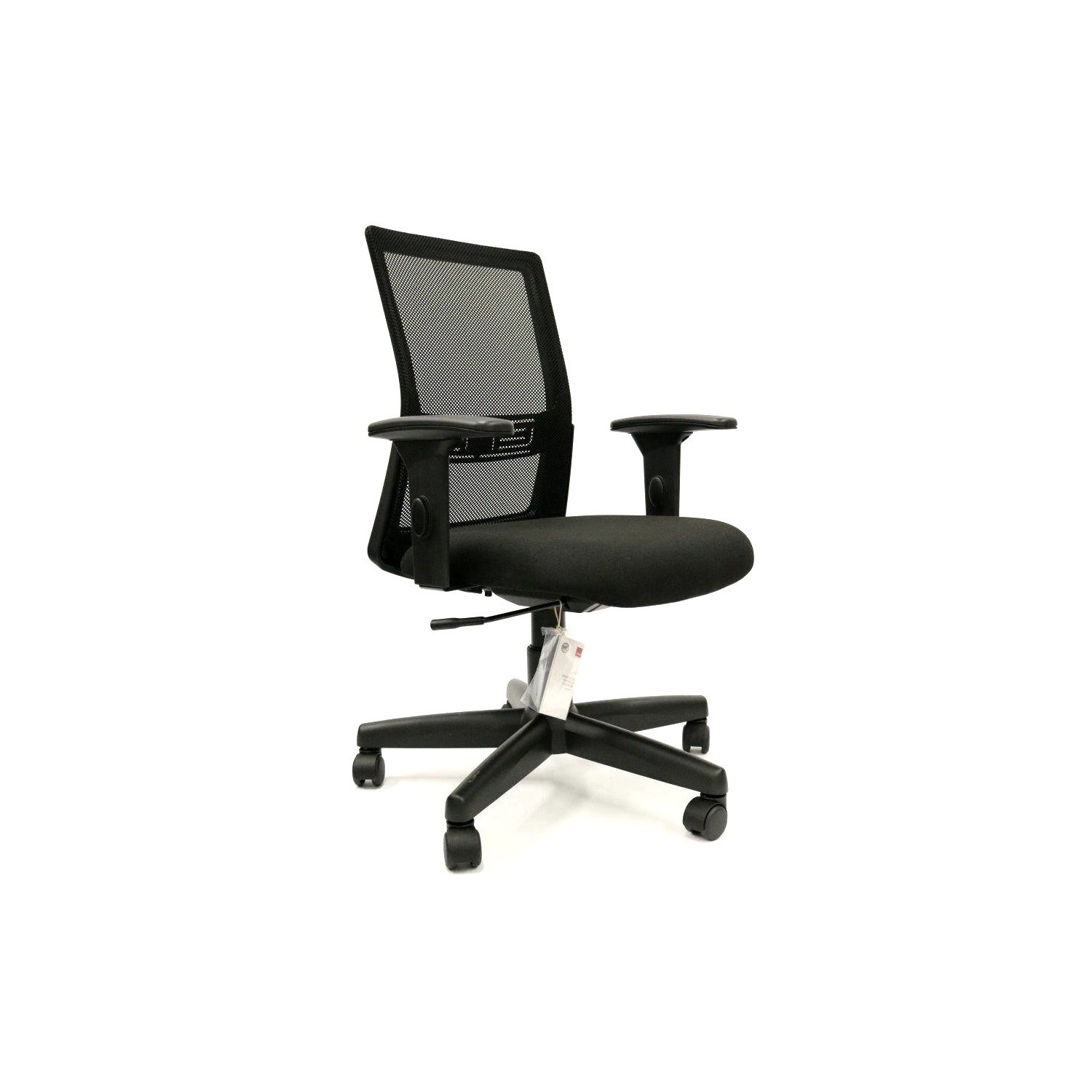
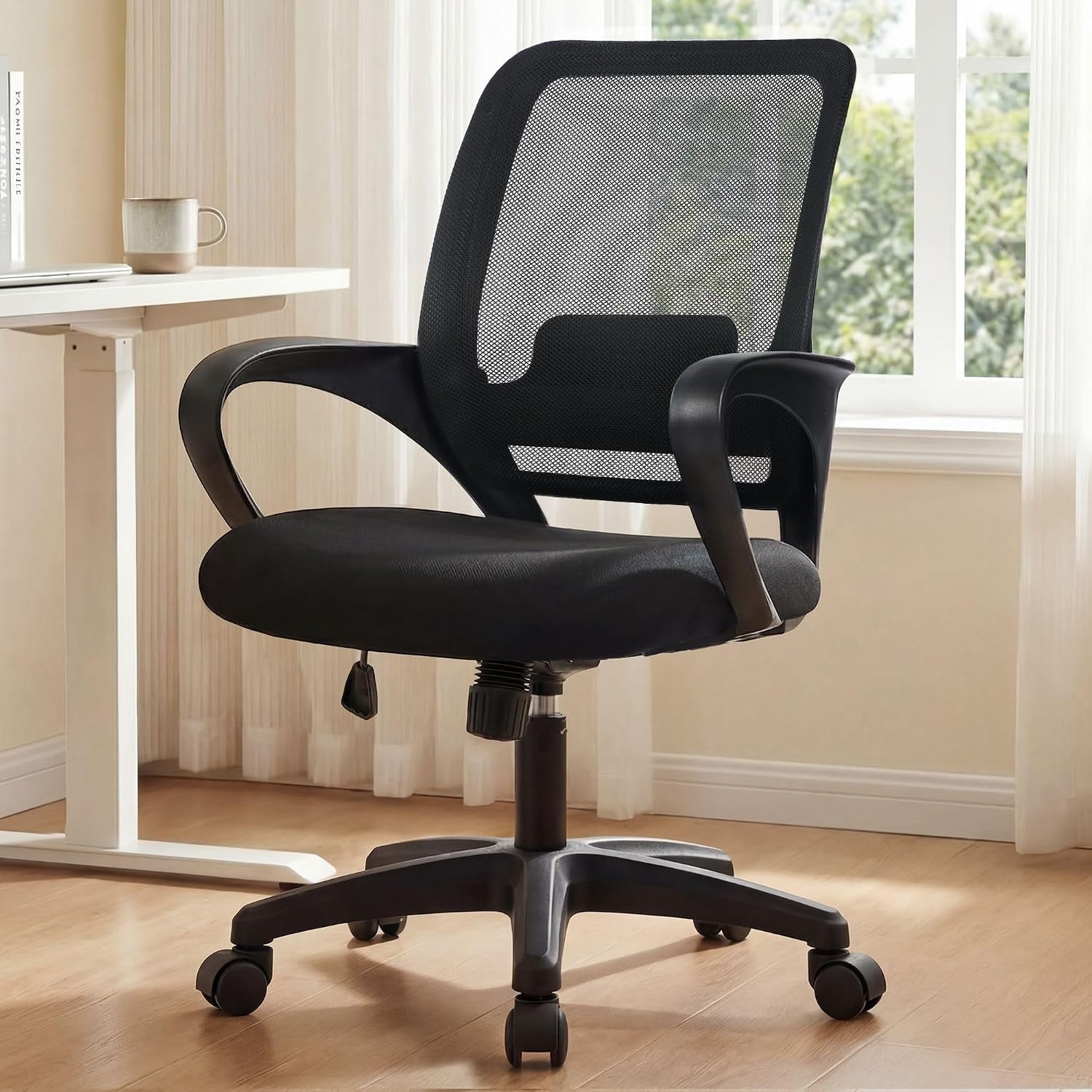
Imagine sitting for eight hours without feeling the need to stand up just to cool your back. That's the promise of a premium mesh office chair. Unlike leather or thick padding that traps heat, mesh acts like a temperature-regulating membrane: it supports your spine while letting body heat escape. For anyone working from home or in a busy office, the phrase "most comfortable mesh office chair" isn't just about softness — it's about sustained, breathable ergonomics that keep you focused from morning coffee to evening deadline.
Science fact: According to a 2023 study in the Journal of Ergonomic Research, workers using breathable mesh chairs reported 34% less perceived thermal discomfort and 27% fewer posture adjustments per hour compared to foam-based chairs. Airflow directly correlates with concentration.
The Anatomy of Ultimate Mesh Comfort
Not all mesh is created equal. The "most comfortable" title belongs to chairs that master three zones: the lumbar cradle, the responsive seat pan, and the shoulder-friendly backrest. Here's what sets them apart.
1. Dynamic Lumbar Tension vs. Static Padding
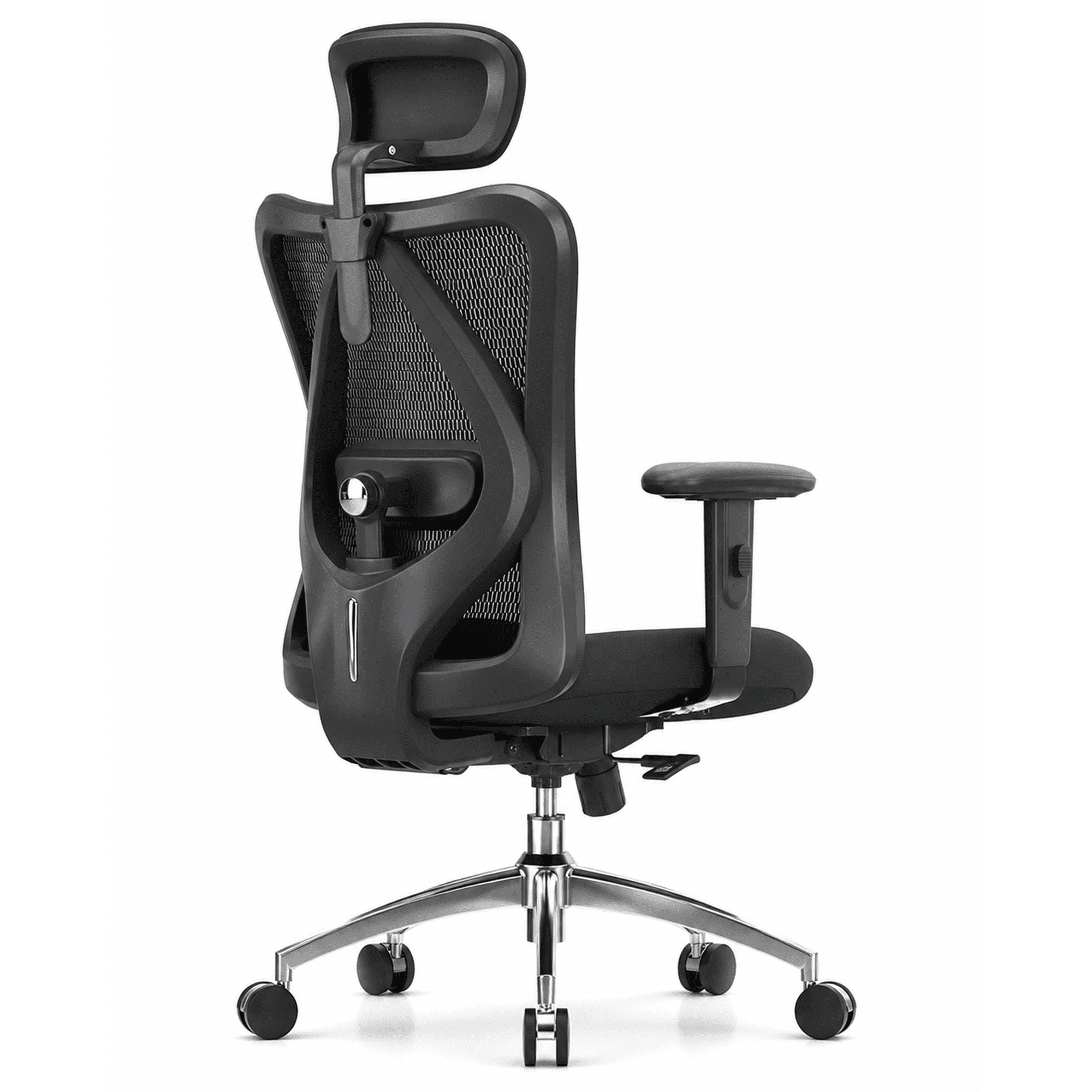
Traditional chairs use foam that compresses and eventually flattens. Premium mesh chairs integrate a self-adjusting lumbar curve. As you lean back, the mesh stretches slightly, creating a hammock-like effect that cradles your lower back. Many models (like those with dual‑layer elastomer mesh) allow you to tighten or loosen the lumbar tension with a dial — think of it as a "custom-fit" for your spine's unique curvature.
- • Integrated lumbar bridge: a horizontal support that pushes the mesh forward at the perfect height.
- • Tension adjustment: lets you choose between a soft flex or firm push-back.
- • Breathable yet resilient: high‑quality polyester mesh retains tension for years.
2. Seat Pan: The Foundation of "Sit‑ability"
A comfortable mesh chair must have a seat that doesn't sag. Look for 8‑zone density foam topped with mesh, or a fully suspended mesh seat with reinforced edges. The best designs avoid the "bottoming out" feeling. They use a webbed suspension system that distributes weight evenly — similar to a high‑end running shoe's midsole. For executives who shift positions often, a waterfall front edge (curved downward) prevents thigh pressure and maintains circulation.
Pro tip: test the seat by pressing your hand into the centre. If you feel hard plastic or frame bars immediately, it may cause pressure points after an hour. The most comfortable seats have at least 2–3 inches of responsive cushioning beneath the mesh cover.
3. Shoulder and Upper Back Freedom
A common flaw in budget mesh chairs is a stiff frame that digs into shoulder blades. The "most comfortable" designs feature a contoured Y‑frame that follows the natural curve of your thoracic spine. The mesh should be taut enough to offer support, but pliable enough to allow shoulder movement when you reach for a phone or notebook. Some chairs add a padded headrest (upholstered in mesh as well) that doesn't block airflow.
4. Adjustability: 4D Armrests and Recline Synchronicity
Comfort is personal. The top mesh chairs include armrests that move in four directions (up/down, forward/back, pivot left/right, and width adjustment). This ensures your elbows rest naturally while typing. The recline mechanism should be synchronous — the backrest angle and seat tilt move together to keep your hips open and spine aligned. A locking recline with variable tension lets you rock gently or sit upright for focused tasks.
5. Five hallmarks of a truly comfortable mesh chair
- Breathable seat AND back: some chairs use mesh only on the back, but the best have mesh on both surfaces.
- Weight capacity rating > 300 lbs: indicates reinforced frame and durable mesh weave.
- German or Italian mesh technology: brands like Silhouette or Formway use multi‑directional knit that resists sagging.
- Seat depth slider: allows proper thigh support for tall or short users.
- Quiet casters: soft rubber wheels glide on hardwood without noise — a small but vital comfort detail.
Mesh vs. Leather vs. Fabric: A quick comfort comparison
✅ Mesh advantages
- • Maximum airflow – no swamp back
- • Easy to wipe clean
- • Conforms without permanent deformation
- • Lightweight, modern aesthetic
⚠️ Considerations
- • Less "cushy" feel than thick foam
- • May require break‑in for tension to relax
- • Edge frames can be felt if poorly designed
For most people working in temperature‑controlled environments, the trade‑off is overwhelmingly positive: you trade initial plushness for all‑day freshness and durable support.
Frequently Asked Questions: Mesh Comfort Edition
Final Verdict: Is a mesh chair your comfort destination?
If you've ever ended a workday with a damp shirt or an achy lower back, upgrading to the most comfortable mesh office chair is a game‑changer. The combination of continuous airflow, ergonomic adjustability, and pressure‑mapping support makes it the ideal choice for anyone spending 6+ hours at a desk. Look for models with adjustable lumbar, a responsive mesh seat, and 4D armrests — your spine (and your focus) will thank you.
Remember: true comfort isn't just softness; it's the absence of distraction. A great mesh chair fades into the background, letting you concentrate on what matters.