
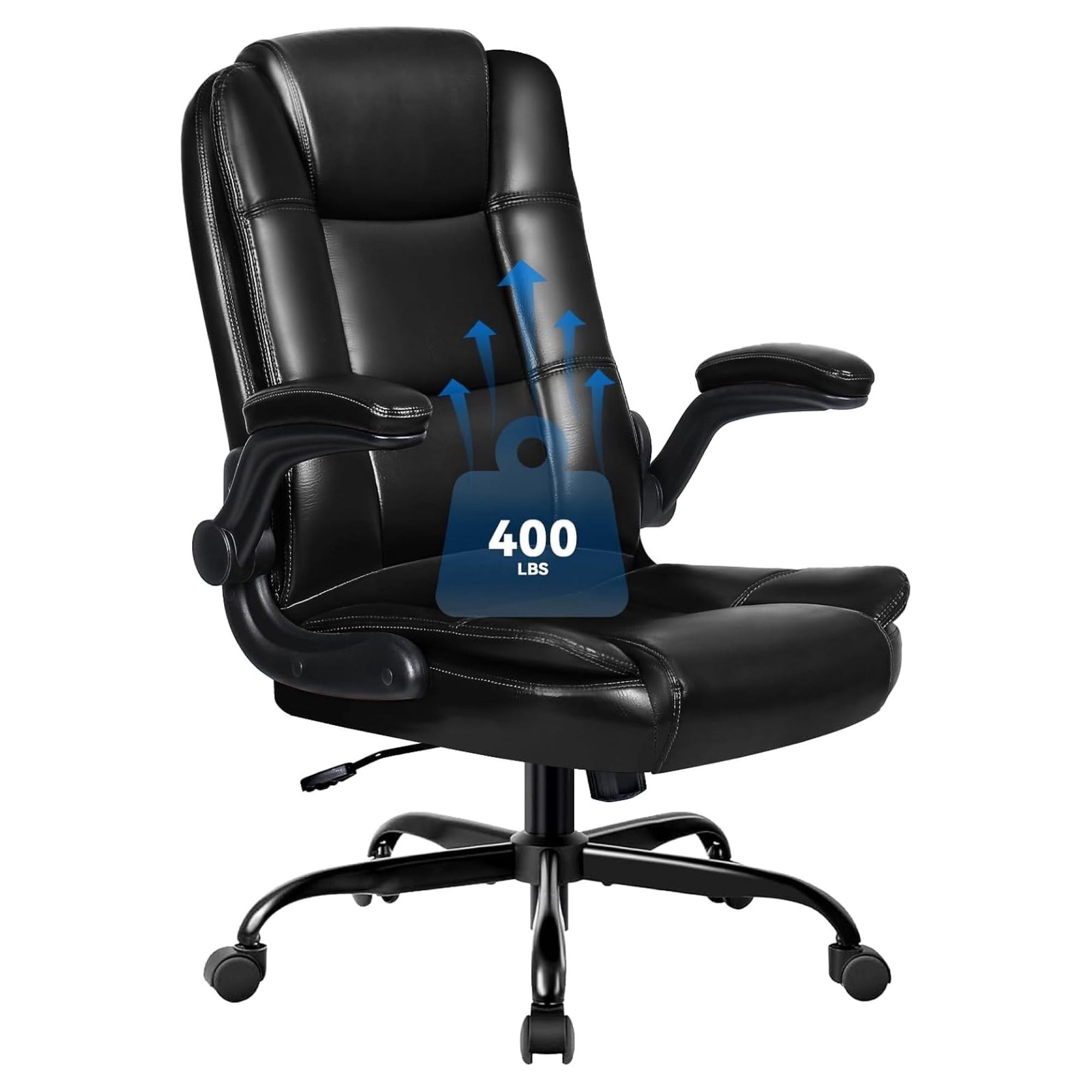
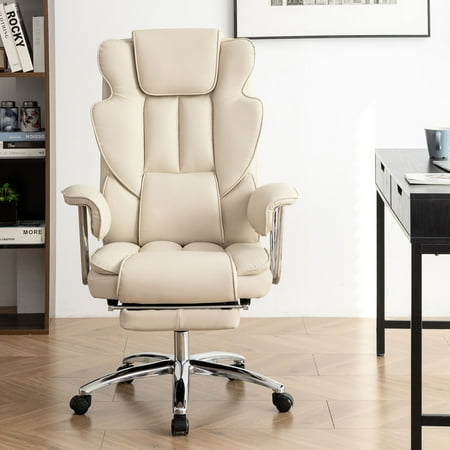
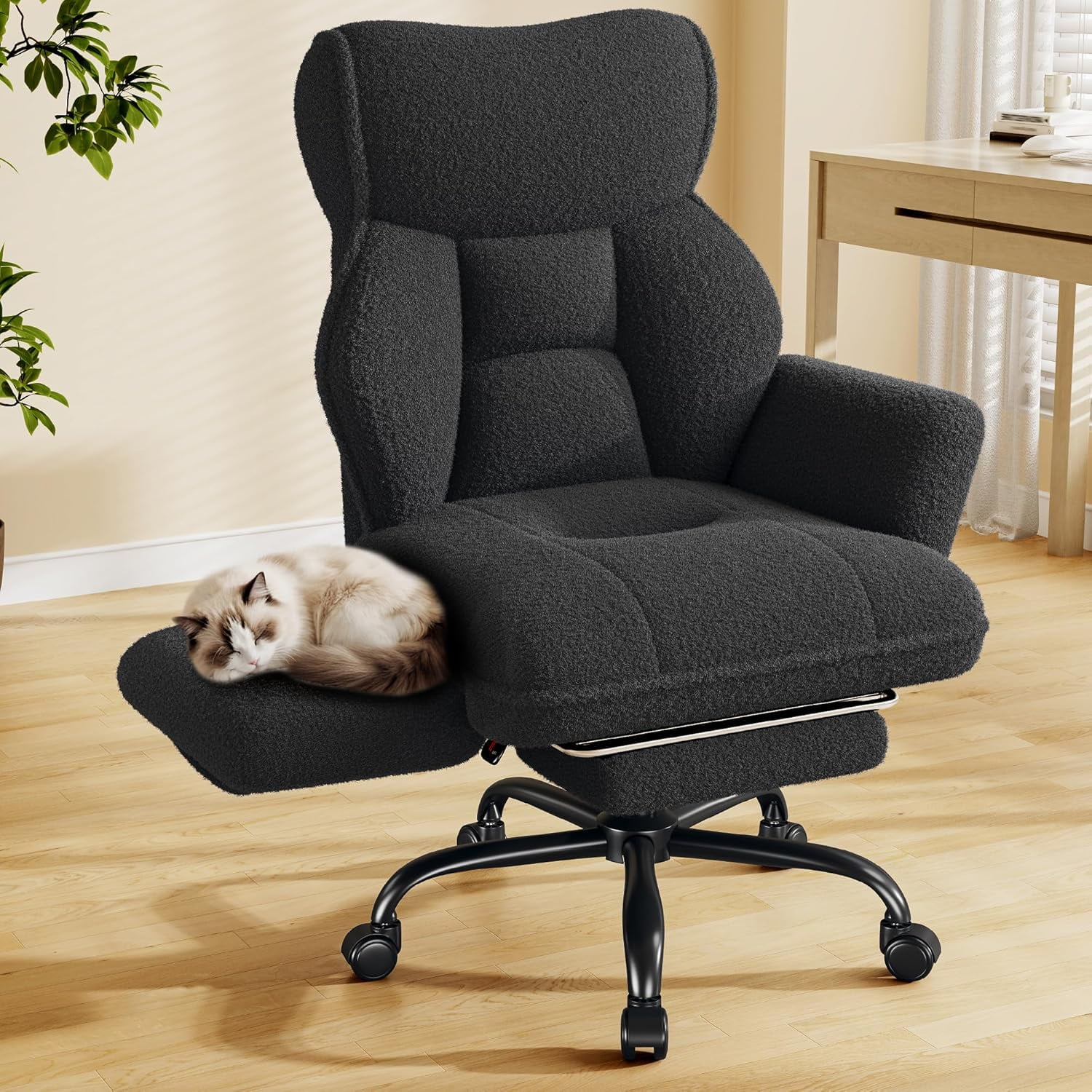
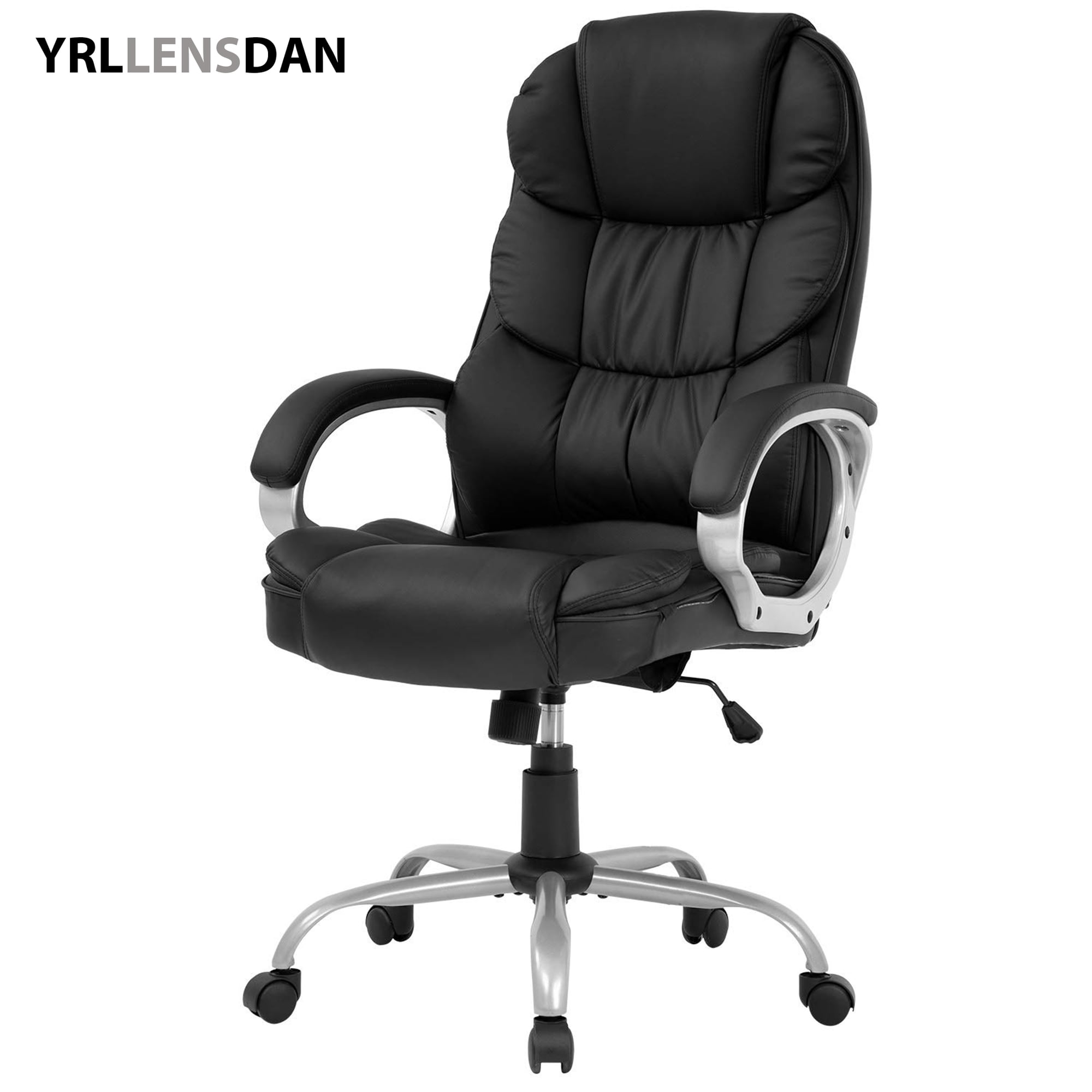
Introduction: Why Standard Chairs Fail Big & Tall Users
Finding the most comfortable office chair for big and tall individuals is not just about preference—it's a necessity for health and productivity. Standard office chairs are typically designed for an "average" user weighing up to 250 pounds. If you're taller (over 6'2") or carry more weight, these chairs become a source of pain: seat cushions bottom out, armrests dig into sides, and the backrest offers inadequate lumbar support.
According to a study by the National Institute for Occupational Safety and Health (NIOSH), workers in ill-fitting chairs are 78% more likely to report lower back pain. For big and tall professionals who spend 8+ hours seated, investing in a chair built for your dimensions is as critical as a good mattress. This guide will walk you through every feature you need, from weight ratings to seat depth, ensuring you find a throne that supports you royally.
Ergonomic Insight: The ideal big and tall chair should support your body like a well-fitted suit—no pinching, no pressure points, and plenty of room to move. We'll break down the specs that matter.
Anatomy of Comfort: What Makes a Chair Truly Comfortable for Larger Frames?
Comfort isn't just about softness; it's about engineering. A chair that feels great at first might cause pain after an hour if it lacks proper support. Here are the non-negotiable elements for big and tall comfort.
1. Weight Capacity and Frame Construction
The foundation of any big and tall chair is its frame. Look for chairs tested and certified for at least 400 lbs, with many premium models supporting 500 lbs or more. The frame should be constructed from reinforced steel or heavy-gauge aluminum. Avoid chairs with plastic frames, as they can flex and break under sustained pressure.
- Base: A sturdy nylon or aluminum five-star base is essential. For weights over 350 lbs, an all-metal base provides maximum stability.
- Gas Lift: Class 4 or Class 5 gas lifts are standard for heavy-duty chairs. They ensure smooth height adjustment without sudden drops.
- Casters: Large, dual-wheel casters (often 3 inches) distribute weight better and roll smoothly on carpets or hard floors. Look for "heavy-duty" or "industrial" rated casters.
2. Seat Dimensions: Width and Depth That Fit
A chair that's too narrow feels like a vise; too shallow and your thighs lack support. Here’s what to measure:
- Seat Width: Look for a seat pan that is 22 to 30 inches wide. Standard chairs are around 19-20 inches, which is often too tight. Measure the widest part of your hips or thighs to ensure you have 1-2 inches of space on each side.
- Seat Depth: For tall individuals with longer femurs, a seat depth of 20 to 22 inches is ideal. You should be able to fit 2-3 fingers between the back of your knee and the seat edge. Adjustable seat depth (seat slider) is a premium feature that allows customization.
3. Cushion Density and Material
The "sink-in" feeling fades fast if the foam isn't dense enough. For big and tall users, high-density foam (2.5 lbs per cubic foot or higher) is crucial to prevent "bottoming out" where you feel the hard seat pan.
- Memory foam can be comfortable but may retain heat; gel-infused foam offers cooling.
- Hybrid designs combine a firm foam core with a softer top layer for initial comfort and long-term support.
- Upholstery: Breathable mesh backs are excellent for airflow. For seats, durable fabric (like heavy-duty polyester) or high-quality leather (not bonded) offers longevity. Avoid faux leather as it can crack under stress.
4. Backrest Height and Lumbar Support
Tall individuals need a backrest that reaches the shoulders or even includes a headrest. Look for a high-back chair (at least 27 inches tall from seat to top). Adjustable lumbar support is not a luxury—it's a necessity.
- Lumbar Adjustment: The best chairs allow you to move the lumbar support up/down and increase/decrease its depth (how much it pushes into your back). This ensures the curve of the chair matches your spine's curve.
- Headrest: An adjustable headrest (height and angle) supports the neck, especially during breaks or reclining. For those over 6'4", ensure the headrest can go high enough.
5. Armrest Adjustability
Armrests that are too narrow can force you to hunch. For big and tall users, 4D armrests (adjustable up/down, forward/back, left/right, and pivot) are game-changers. They allow you to widen the distance between armrests to accommodate broader shoulders and support your arms in a natural, relaxed position, reducing neck and shoulder strain.
Quick Comparison: Must-Have Features at a Glance
| Feature | Minimum Requirement | Recommended for Optimal Comfort |
|---|---|---|
| Weight Capacity | 350 lbs | 400 - 500+ lbs |
| Seat Width | 20 inches | 24 - 28 inches |
| Seat Depth | 19 inches | 20 - 22 inches (with slider) |
| Backrest Height | 25 inches | 28 - 32 inches (with headrest) |
| Gas Lift Class | Class 3 | Class 4 or 5 |
| Base Material | Reinforced Nylon | Steel or Aluminum |
6. Recline Mechanism and Tilt Tension
A good recline allows you to change positions throughout the day, relieving pressure. For heavier users, the tilt tension mechanism must be robust enough to support your weight without feeling too loose or too stiff. Look for chairs with a weight-activated tilt or a heavy-duty tension knob. A "lock-in-place" recline is useful for focused work, while a "rocker" or "multi-function" mechanism allows for dynamic sitting.
7. Durability and Warranty
A truly comfortable chair is one you don't have to replace every two years. Check the warranty: a minimum 10-year warranty on the frame and 5 years on mechanical parts and foam indicates manufacturer confidence. Read reviews focusing on long-term use—look for comments about sagging cushions or gas lift failure after a year.
The Goldilocks Principle: Just like finding the perfect mattress, the most comfortable office chair for big and tall users is the one that's "just right"—not too soft, not too hard; wide enough but not oversized; supportive but not restrictive. It's a personalized fit.
Debunking Myths About Big and Tall Office Chairs
Myth 1: "A higher weight capacity means it's indestructible."
While a 500 lb rating is great, it doesn't guarantee comfort. Always pair capacity with the ergonomic features listed above.
Myth 2: "You need a massive, bulky chair."
Many modern designs are sleek yet strong. You don't have to sacrifice aesthetics for support.
Myth 3: "Mesh backs are too flimsy for big guys."
Premium mesh (like that used in high-end ergonomic chairs) is incredibly durable and provides excellent tension. Always check the mesh quality and warranty.
Step-by-Step Guide to Testing Your Future Chair
- Measure yourself: Know your seated hip width, thigh length, and shoulder height.
- Check specs online: Filter for weight capacity > 350 lbs and seat width > 22 inches.
- Read verified reviews: Look for feedback from users with similar body types.
- Test in person if possible: Sit for 15-20 minutes. Adjust all settings. Ensure the seat doesn't bottom out and the backrest supports your lumbar curve.
- Assemble and adjust at home: When your chair arrives, take time to adjust every lever correctly. Many comfort issues arise from incorrect setup.
Frequently Asked Questions About Big & Tall Office Chairs
Conclusion: Invest in Your Daily Comfort
Finding the most comfortable office chair for big and tall individuals is an investment in your health, focus, and professional longevity. Don't settle for a chair that pinches, sags, or leaves you aching by mid-afternoon. Prioritize chairs with robust weight capacities, generous seat dimensions, and advanced adjustability—especially in lumbar support and armrests.
Remember, the most expensive chair isn't always the best for your body. Use the checklist and feature comparisons above to make an informed decision. Whether you're managing a team, coding, or handling executive tasks, a chair that truly fits will make every workday better. Explore the top-rated options in our product grid above and take the first step toward pain-free sitting.
Final Thought
Your office chair is your home base. Make it a place of support, not struggle. A well-chosen big and tall chair pays dividends in comfort and productivity for years to come.