
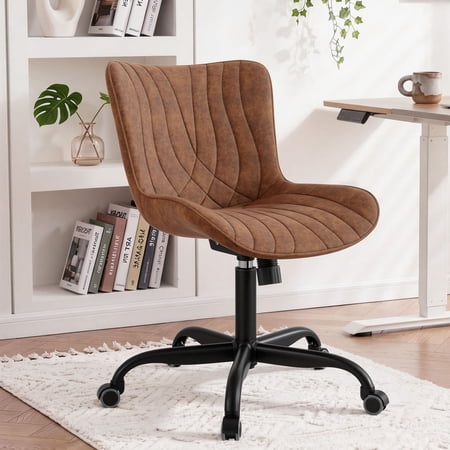
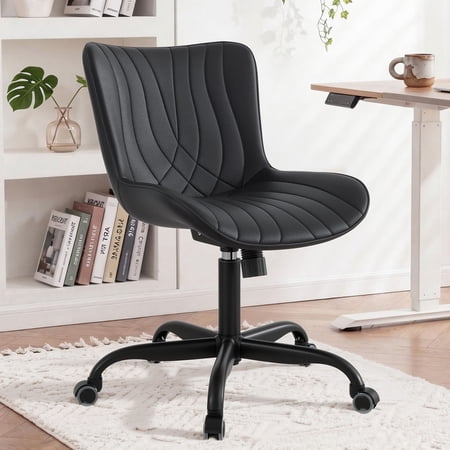
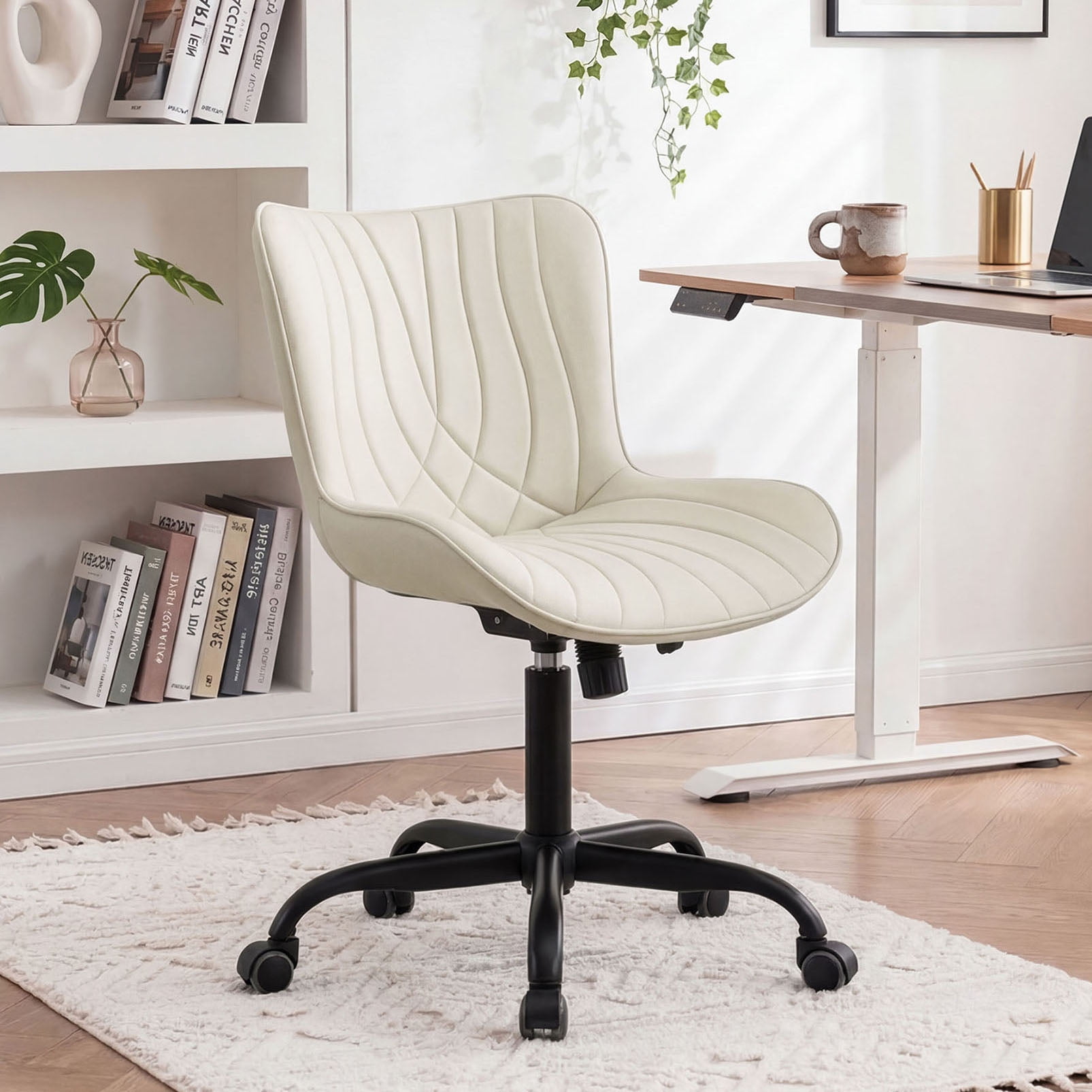
Imagine sinking into your chair after a long day, and instead of feeling stiff boards or sagging cushions, you're met with a gentle, supportive embrace. That's the promise of a truly most comfortable leather office chair. It’s not just a piece of furniture; it’s your command center, your thinking spot, and often, where you spend the majority of your waking hours. But with so many options claiming to be 'plush' or 'ergonomic,' how do you separate marketing fluff from genuine, sit-all-day comfort? This guide dives deep into what defines the pinnacle of leather chair comfort, ensuring your next purchase is an investment in your well-being.
The 'Cloud 9' Factor: Studies show that perceived comfort is directly linked to productivity. A 2023 survey by the Spine Health Institute found that workers with 'highly comfortable' seating reported a 38% higher focus level compared to those with basic task chairs. Finding the right leather chair is about creating a workspace you never want to leave.
Deconstructing Comfort: The Anatomy of a Supreme Leather Chair
Forget the jargon for a moment. Let's look at a leather office chair like a high-performance car seat. It needs to be firm enough for control, yet soft enough for a long journey. Here’s what separates the 'good' from the 'most comfortable'.
1. The Foundation: Foam Density & Resilience
The seat is your foundation. Many budget chairs use low-density polyurethane foam that feels soft in the store but compresses permanently within months—a phenomenon known as 'bottoming out.' The most comfortable leather chairs use high-resilience (HR) cold-molded foam. Think of it like a memory foam mattress topper, but with more bounce-back. It should contour to your sit bones without letting you sink to the hard base. Look for specifications mentioning foam density; a density of 50 kg/m³ or higher is a good indicator of longevity and sustained comfort.
- High-Resilience Foam: Retains shape for years, providing consistent support.
- Multi-Layer Padding: Some premium chairs combine a firm foam core with a softer top layer (like latex or gel-infused foam) for immediate plushness with deep support.
- Waterfall Seat Edge: This isn't just about foam; it's about design. A curved front edge relieves pressure on the back of your thighs, preventing numbness and promoting better circulation.
2. The Canvas: Leather Grades and Their Feel
Leather isn't a single material. It's a spectrum. The 'feel' of the leather drastically impacts your comfort experience.
- Full-Grain Leather: The pinnacle. It retains the natural grain, making it incredibly durable. It feels firm initially but softens and molds to your body over time, like a well-worn baseball glove. It breathes, so you won't stick to it on warm days.
- Top-Grain Leather: Sanded and finished for uniformity. It's softer to the touch out of the box than full-grain but slightly less breathable. It offers a great balance of luxury feel and durability.
- Bonded Leather: Made from leather scraps and polyurethane. It feels plasticky, doesn't breathe, and can peel. Avoid this if 'most comfortable' is your goal—it often feels hot and sticky.
For the ultimate comfort, seek chairs with at least top-grain leather on all contact surfaces (seat, back, armrests). The leather should feel supple, not like a plastic cover.
3. The Suspension: Ergonomic Support Systems
Comfort without support is just a soft couch—and you can't work efficiently on a couch. The 'most comfortable' chairs integrate support invisibly.
🌀 Independent Lumbar Support
Not just a built-in curve. A separate, adjustable pad (either via a knob or a lever) that moves to fill the small of your back. This is crucial for preventing slouching.
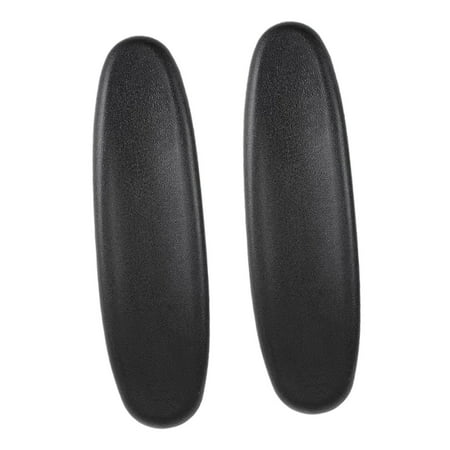
🔄 4D Armrests
Comfort for your shoulders and arms. Armrests that adjust in height, width, depth, and pivot allow you to keep your elbows at a 90-degree angle, preventing shoulder tension.
⚖️ Synchronous Tilt Mechanism
This lets the seat and back move at a ratio (often 2:1 or 3:1) as you recline. It keeps you supported and your feet on the floor in any position, avoiding the 'feet dangling' discomfort of old-school tilt chairs.
4. The Climate Control: Breathability Factors
A common myth is that all leather is hot. Premium leather breathes. However, for the 'most comfortable' experience, especially if you're in a warmer climate or tend to run hot, look for chairs with perforated leather inserts. These tiny holes allow air to circulate, wicking away heat and moisture. Some high-end models even integrate quiet, ultra-low-speed fans within the seat and back—a feature borrowed from luxury cars—but for most, high-quality perforated leather is the sweet spot for year-round comfort.
💡 Comfort Insight: Think of your chair like a tailored suit. The perfect fit is everything. A chair with adjustable seat depth allows you to shorten or lengthen the pan so there's a 2-3 finger gap between the back of your knee and the seat edge. This single adjustment can be the difference between a comfortable afternoon and constant fidgeting.
| 📊 Comfort Impact of Key Features | |
|---|---|
| Adjustable Lumbar Support | Reduces lower back pressure by up to 35% (Ergonomics Journal, 2022) |
| High-Density Foam (>50 kg/m³) | Increases cushion lifespan by 400% vs. low-density foam |
| 4D Adjustable Armrests | Decreases reported shoulder and neck pain by 42% |
Your Questions Answered: The Path to Leather Chair Comfort
Conclusion: Invest in the Seat You Deserve
The search for the most comfortable leather office chair is a personal journey, but the destination is always the same: a chair that disappears beneath you, allowing you to focus entirely on your work. By prioritizing foam quality, genuine leather, and targeted ergonomic features, you move beyond a simple purchase and into a long-term investment in your physical comfort and professional performance. Don't settle for a chair that just looks the part. Find the one that feels like it was built just for you. Your back—and your productivity—will thank you.