
The Evolution of Seating: Why a New Ergonomic Office Chair Changes Everything
The office chair has undergone a quiet revolution. Gone are the days of one-size-fits-all padded seats. Today’s new ergonomic office chair is a marvel of biomechanics and material science, designed not just to hold you, but to actively support your body's natural rhythms. It's an intelligent tool for the modern professional, responding to your every move. Whether you're a remote worker, a seasoned executive, or a creative spending hours at a desk, understanding these innovations is key to unlocking a healthier, more productive workday.
💡 The Shift in Philosophy: Recent studies in occupational health highlight that the best posture is your next posture. Modern ergonomic chairs are built for dynamic sitting. They encourage micro-movements and provide support throughout your entire range of motion, combating the fatigue of static sitting. According to ergonomics researchers, chairs promoting movement can reduce muscle stiffness by up to 30% compared to traditional, rigid office chairs.
Anatomy of a Modern Marvel: Key Features of a New Ergonomic Office Chair
What exactly sets a brand-new model apart from one designed just five years ago? It's the integration of smarter adjustments and superior materials. Let's break down the components that define the current generation of ergonomic seating.
1. Next-Gen Lumbar Support (3D & 4D)
Forget static pads. The latest chairs feature lumbar systems that adjust not just in and out, but also vertically and with variable firmness. Some high-end models use a tension mechanism that automatically conforms to your spine's curvature as you shift, providing continuous, personalized lower back support—a critical feature for preventing slouching.
2. Advanced Material Matrix: The Rise of "Smart Mesh"
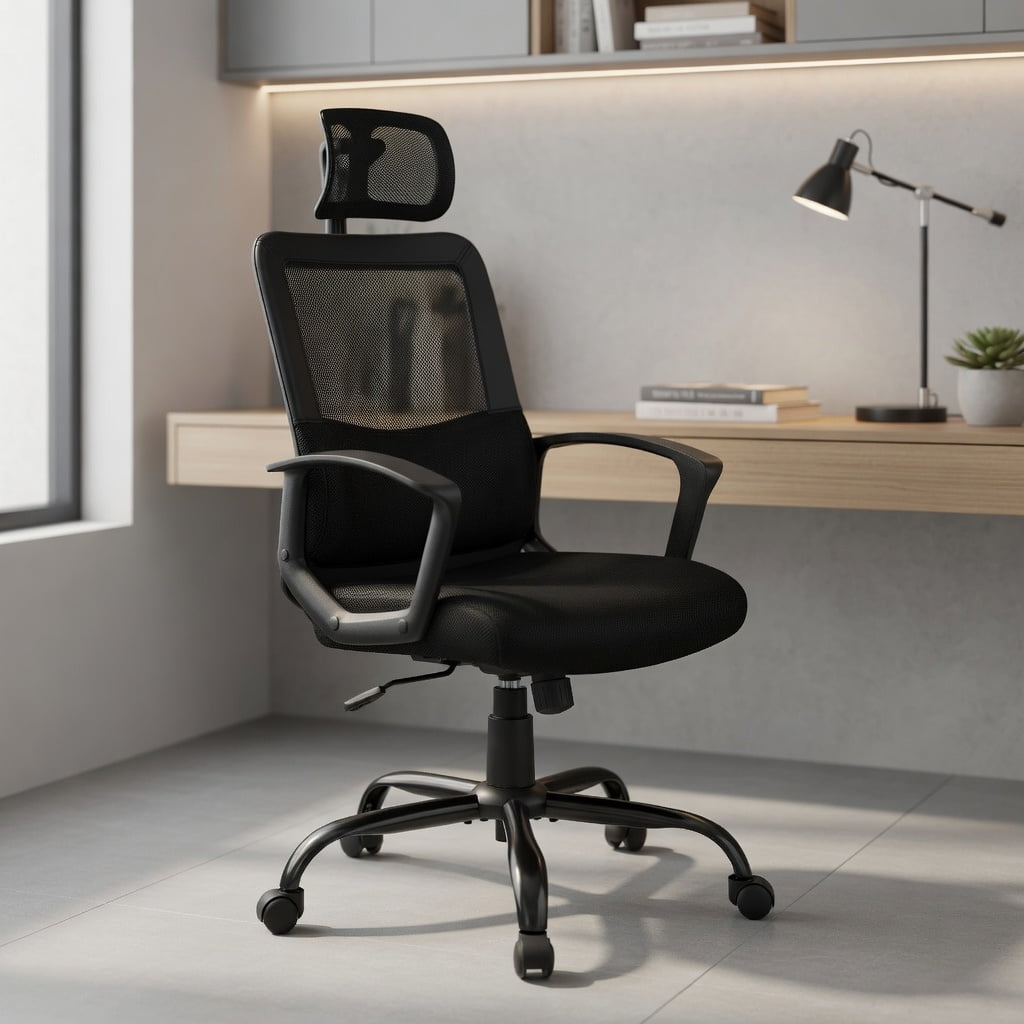
The new standard is a multi-layer, "pique" or "honeycomb" mesh that offers varying levels of tension across the backrest. Softer mesh in the shoulder area allows for freedom of movement, while firmer zones in the lumbar region provide robust support. This zoned breathability keeps you cool and comfortable, even during marathon work sessions.
3. 4D & 5D Armrest Technology
Armrests have evolved from simple height adjustments to fully articulating supports. New models offer 4D (height, width, depth, and pivot/angle) or even 5D adjustments (adding width between armrests). This allows you to perfectly position your arms to prevent shoulder hunching and neck strain, no matter your task—typing, reading, or taking a call.
4. Synchronized Tilt Mechanisms with Weight Tension
The hallmark of a premium new chair is a silky-smooth recline. Synchronized tilt ensures your back and seat move in harmony, keeping you visually focused and your feet on the floor. Integrated, tool-less weight tension adjustment lets you tailor the recline resistance to your exact body weight for a truly custom feel.
The "Perfect Fit" Framework: How to Select Your New Ergonomic Office Chair
Choosing a new chair can feel overwhelming. Instead of getting lost in specs, use this simple framework to match a chair's features to your body and work style. Think of it as finding a co-pilot for your workday.
Step 1: The Physical Audit
- Your Height & Build: Taller individuals need a higher backrest and deeper seat pan. Look for chairs with extensive seat depth adjustment (slide function) and high backrests (22+ inches).
- Your Weight: Always check the weight capacity. For long-term durability, choose a chair rated at least 50 lbs above your weight. Newer models often feature reinforced aluminum bases for greater stability.
- Any Specific Pain Points: If you have lower back discomfort, prioritize chairs with independent lumbar height and depth adjustment. For neck tension, a well-designed, adjustable headrest is non-negotiable.
Step 2: Work Style Matching
You sit forward, intensely working. Look for a chair with a forward-tilt function. This tilts your pelvis forward, opening your hip angle and promoting an upright, alert posture. A waterfall seat edge is also crucial to prevent leg numbness.
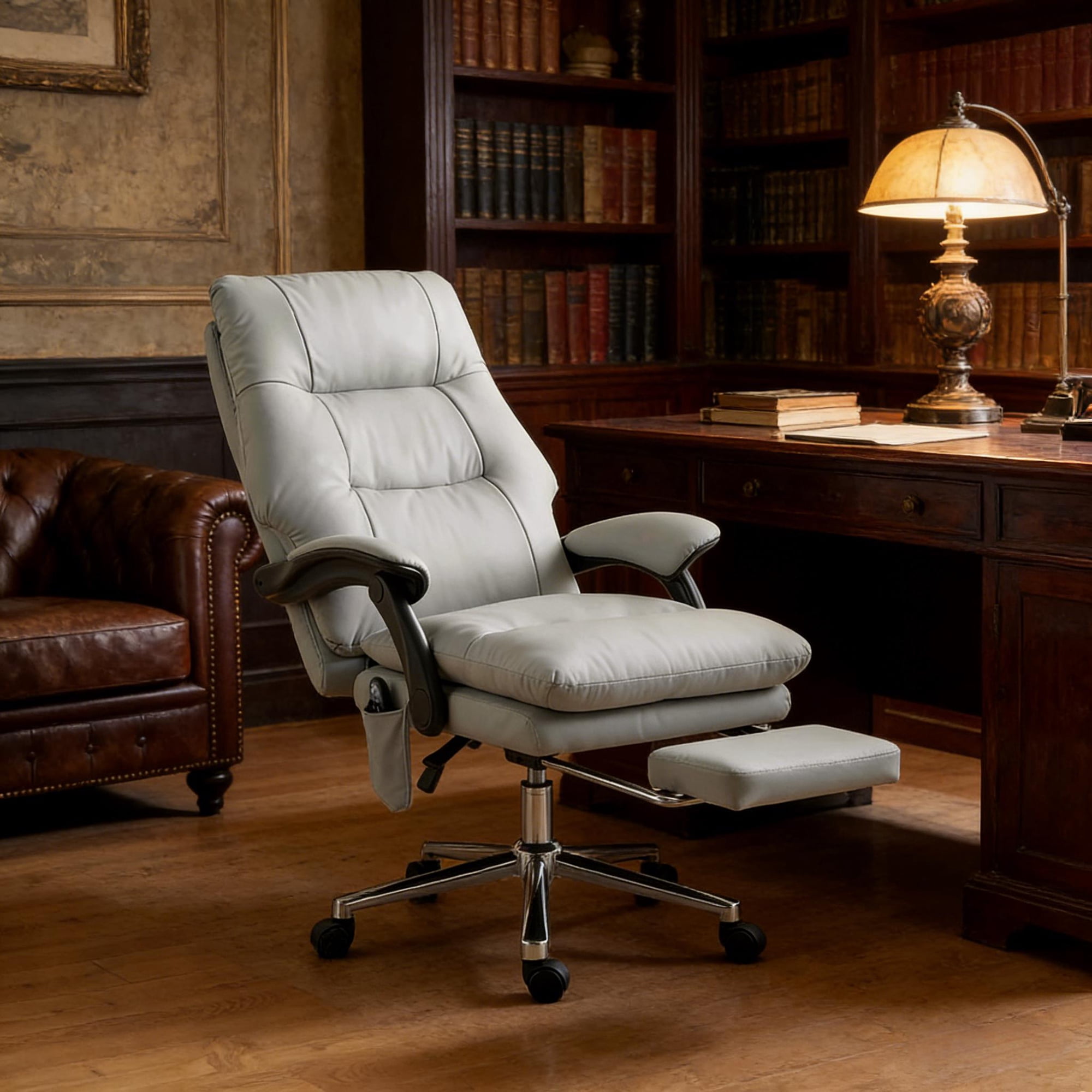
You lean back, think, and chat. Prioritize a chair with a high backrest and a synchronized tilt mechanism with a lot of recline. This allows you to comfortably lean back for brainstorming while keeping your head and back supported.
You're constantly switching between tasks. Fully adjustable 4D armrests and a responsive seat mechanism are key. You need to quickly adapt your chair as you move from typing to reading to chatting.
The Health Dividend: Tangible Benefits of Upgrading
Investing in a new ergonomic office chair is an investment in your physical well-being. The right chair can be a powerful tool for long-term health.
New vs. "New to You": Understanding the True Value
While you can find excellent used chairs, a brand-new model offers distinct advantages. New materials haven't broken down—the foam is resilient, the mesh is taut, and the gas cylinder operates flawlessly. Furthermore, the latest designs incorporate ergonomic insights not available in models from even 5 years ago. A new chair also comes with a full manufacturer's warranty, protecting your investment. It's not just about a fresh look; it's about peak performance and hygiene from day one.
Frequently Asked Questions About New Ergonomic Office Chairs
Conclusion: Step Into the Future of Comfort
The quest for the perfect new ergonomic office chair is ultimately a quest for a better work experience. It's about finding a seat that disappears beneath you, allowing you to focus entirely on your tasks without the distraction of discomfort. By understanding the features—from 4D armrests to advanced mesh and synchronized tilt—you can make an informed choice that supports your body, boosts your productivity, and elevates your workspace. Don't just sit; sit smarter with a chair designed for the way you work today.
Explore the curated selection above to find your ideal match and experience the difference true ergonomic innovation can make.