
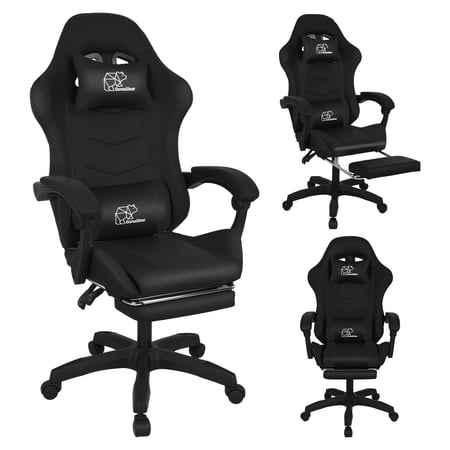
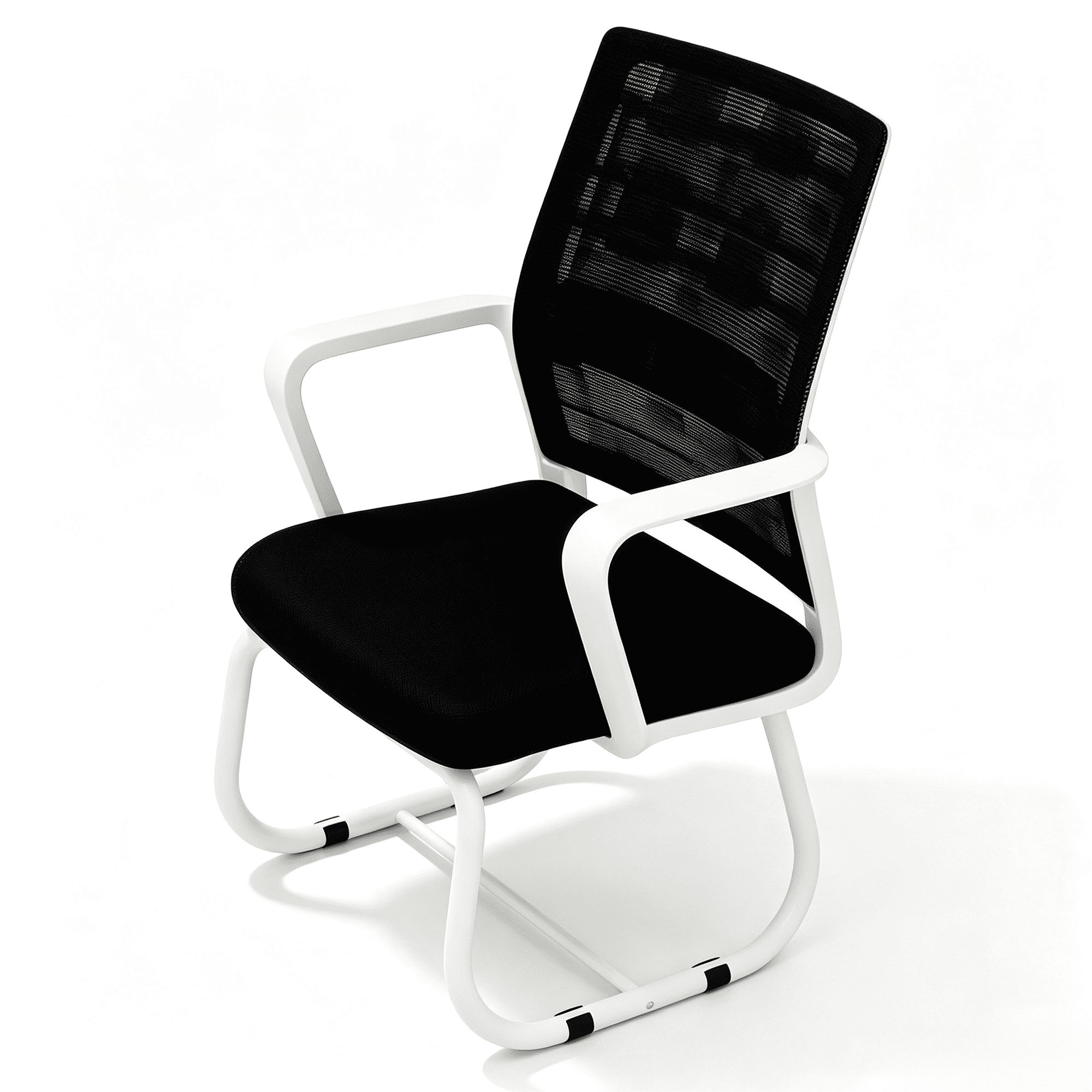
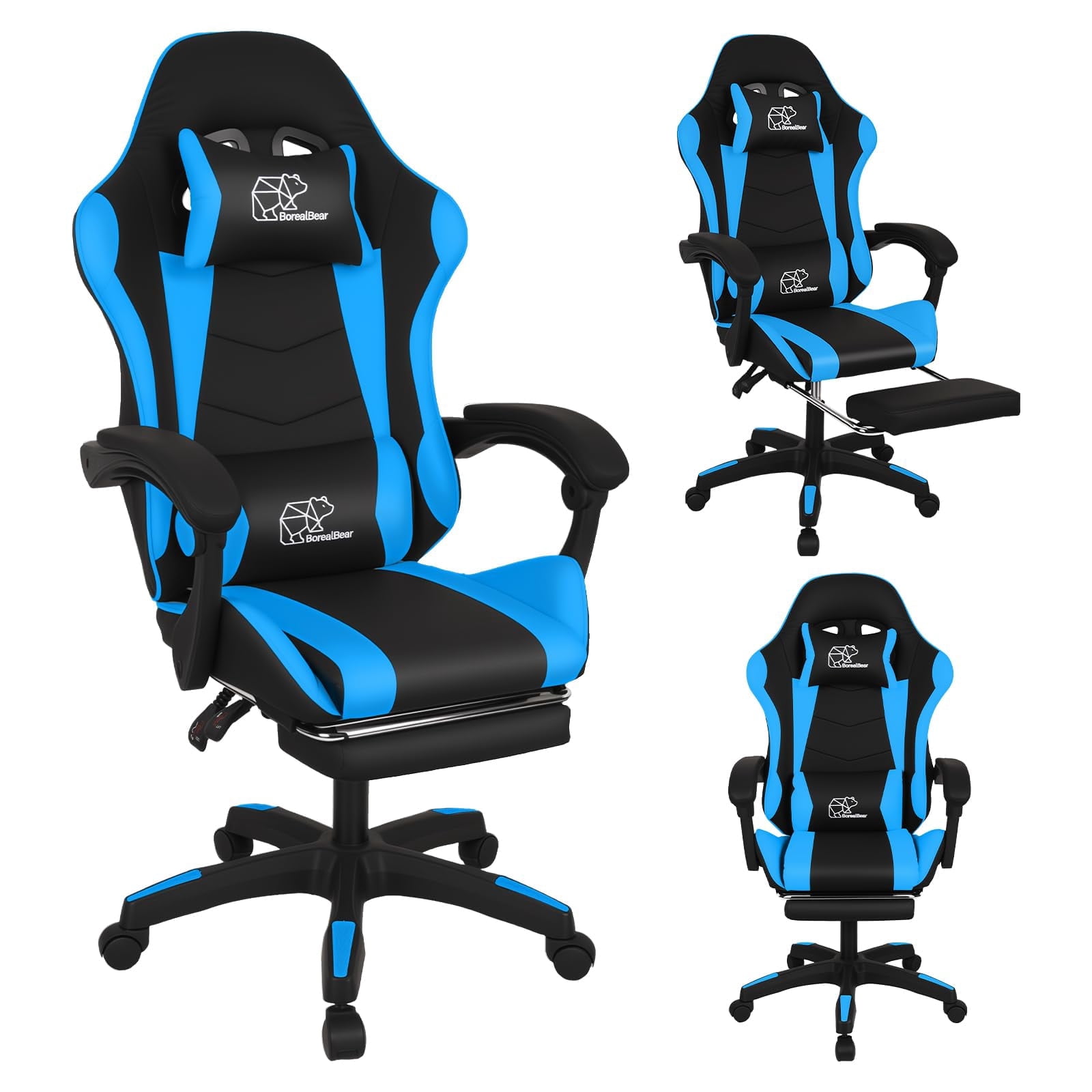
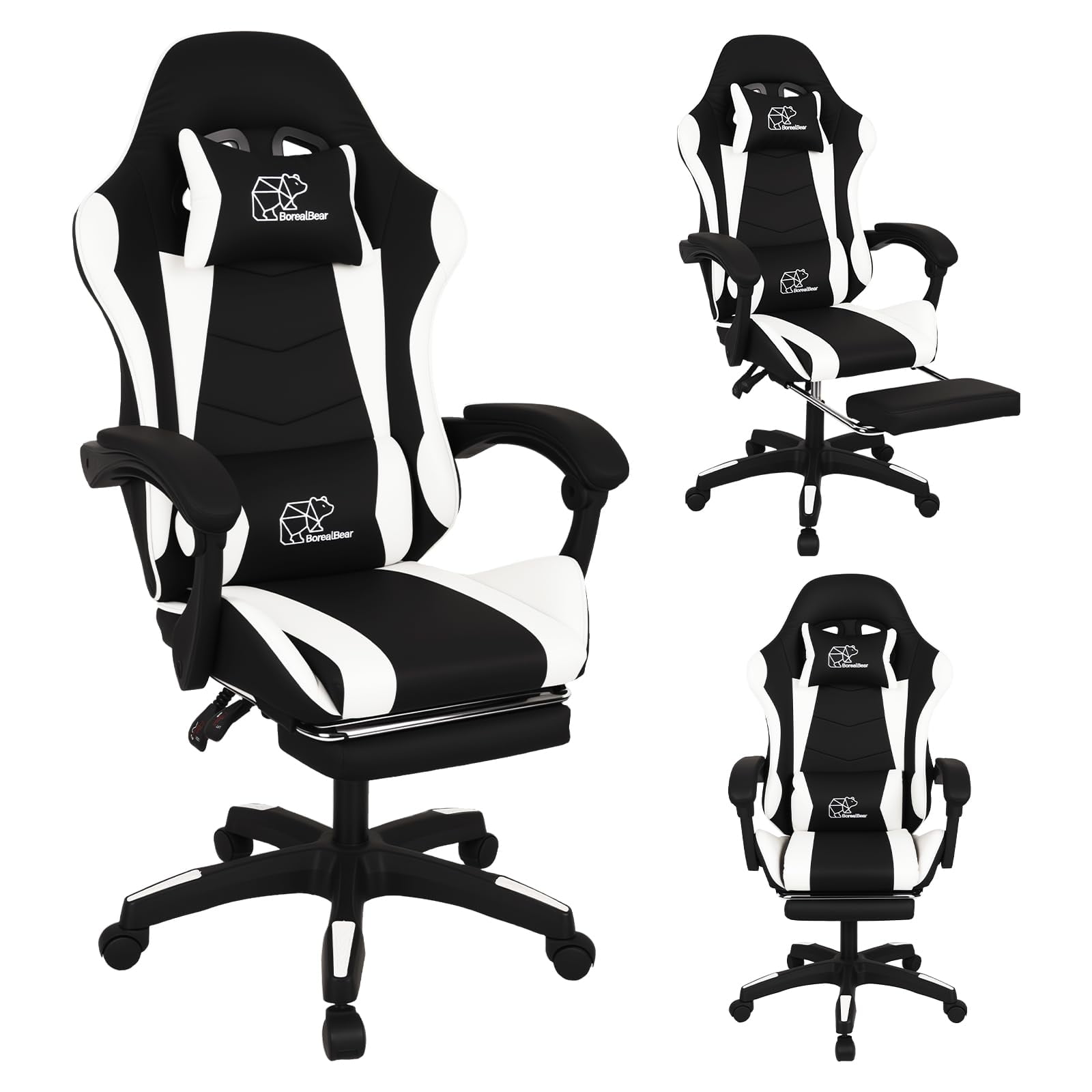
Why “More Comfortable” Is the New Standard for Office Chairs
Sitting for 8+ hours a day shouldn’t feel like a endurance test. The phrase “more comfortable office chair” goes beyond soft cushions — it’s about intelligent design that adapts to your body, reduces pressure, and keeps you focused. Studies from the Journal of Workplace Health Management indicate that ergonomic comfort upgrades can boost productivity by up to 24% and reduce absenteeism related to back pain.
🔍 Did you know? 78% of remote workers report that a more comfortable office chair directly improved their work satisfaction and reduced afternoon fatigue. Your chair is the foundation of your workspace.
The Anatomy of a Truly Comfortable Office Chair
To find a chair that feels “more comfortable,” you need to look beyond surface-level plushness. Here are the core components that separate mediocre chairs from exceptional ones:
✔ Dynamic Lumbar Support
Adjustable or self-adjusting lumbar that moves with you. Avoid chairs with fixed, hard bumps — instead seek height and depth adjustable lumbar or active spring mechanisms.
✔ High-Density Seat Foam
Foam density of 4–6 lb/ft³ ensures the cushion doesn’t bottom out after months of use. Look for molded foam that retains shape and distributes weight evenly.
✔ Multi-Directional Armrests
4D armrests (height, width, pivot, depth) let you rest elbows comfortably, reducing shoulder strain — crucial for keyboard-heavy work.
✔ Seat Depth & Tilt Adjustability
Waterfall front edge and seat slider (2–3 inches) accommodate different leg lengths and prevent circulation issues.
Material Showdown: What Delivers Lasting Comfort?
Choosing materials affects both immediate feel and long-term satisfaction. Use this comparison to guide your decision:
| Material Type | Comfort Factor | Durability | Ideal User |
|---|---|---|---|
| Memory Foam + Fabric | ⭐⭐⭐⭐⭐ (Contouring, soft) | Good (5-8 yrs) | Users who prefer a plush, hugged feel |
| High-Resilience Foam + Mesh Back | ⭐⭐⭐⭐ (Firm yet adaptive) | Excellent (8-12 yrs) | Hot climates, breathability seekers |
| Gel-Infused Foam + Leather | ⭐⭐⭐⭐⭐ (Cooling + soft) | Very Good (7-10 yrs) | Executives, luxury home offices |
| Pure Mesh (seat + back) | ⭐⭐⭐ (Supportive but firm) | Good (6-9 yrs) | Minimalist, high-airflow preference |
5 Science-Backed Benefits of Upgrading to a More Comfortable Office Chair
- Reduced Musculoskeletal Disorders: Ergonomic seating lowers risk of chronic neck and lower back issues by up to 55% (OSHA data).
- Enhanced Concentration: When your body isn’t distracted by discomfort, cognitive performance improves by an average of 18%.
- Better Posture Automation: A well-designed chair encourages a neutral spine position without conscious effort.
- Increased Energy Levels: Proper circulation and pressure relief mean less afternoon slump and fatigue.
- Long-Term Cost Savings: Investing in a durable comfortable chair prevents medical expenses and frequent replacements.
How to Choose: Step-by-Step Comfort Selection Guide
Step 1: Identify Your Pain Points
- Lower back ache? → Prioritize active lumbar support.
- Neck stiffness? → Look for an adjustable headrest.
- Thigh numbness? → Waterfall seat edge and seat depth adjustment are essential.
Step 2: Test Cushion Resilience
If shopping in-store, press firmly on the seat. It should compress slightly but return quickly. Avoid chairs that compress completely or feel hard like concrete.
Step 3: Check Adjustment Range
The more comfortable office chair should have at least: seat height, armrest width/height, tilt tension, and seat depth. Bonus: synchronous tilt mechanism.
Step 4: Verify Weight Capacity & Build
A chair rated for 275–400 lbs typically uses stronger gas lift and a wider base, which translates to long-term stability and comfort for all body types.
Common Myths About Comfortable Office Chairs
- Myth: “Softest seat equals most comfortable.” Truth: Excessively soft foam lacks support and can cause poor posture. Balanced medium-firm with contour is optimal.
- Myth: “Expensive chairs are always more comfortable.” Truth: Price often reflects materials and warranty, but many mid-range chairs ($400–$800) offer excellent ergonomics and comfort.
- Myth: “Mesh chairs aren’t comfortable.” Truth: High-end mesh with tension control and padded seat edges can be extremely comfortable and breathable.
Real-World Usage Scenarios: Matching Chair to Your Routine
📊 Data Analysts / Programmers
Need: Lumbar support, armrests with pivot, recline for thinking. Recommendation: High-back with adjustable lumbar and seat depth.
📞 Call Center / Customer Support
Need: Breathable fabric, durable foam, easy swivel. Recommendation: Mesh-back with thick seat padding and adjustable arm height.
🏢 Executives & Managers
Need: Premium materials, high adjustability, sophisticated look. Recommendation: Leather or high-end fabric executive chair with memory foam.
💻 Hybrid Workers
Need: Versatile, stylish, compact yet comfortable. Recommendation: Mid-back ergonomic chair with 4D arms and seat slider.
Frequently Asked Questions About More Comfortable Office Chairs
Conclusion: Elevate Your Daily Work Life with a More Comfortable Office Chair
Your chair is more than furniture—it’s a wellness tool. A more comfortable office chair combines ergonomic intelligence, premium cushioning, and personalized adjustability to keep you energized and pain-free. By investing in a chair that fits your body and work style, you’re investing in long-term health, productivity, and workplace satisfaction.
Browse our curated selection above to find the model that matches your needs. Whether you prioritize breathable mesh, plush memory foam, or executive style, there’s a perfect fit waiting. Make the switch today and experience the difference that true comfort makes.