
Why Standard Office Chairs Fail — And How Heavy-Duty Ergonomic Chairs Excel
If you’ve ever felt pinched armrests, a seat that’s too narrow, or heard worrying creaks from your chair, you’re not alone. Traditional office chairs are often designed for an average body type, leaving larger individuals struggling with discomfort, poor posture, and even safety risks. The most comfortable office chair for obese individuals isn’t just about width — it’s about engineering that respects your body’s unique needs.
Key Insight: According to ergonomic studies, using a chair with insufficient weight capacity can increase pressure on the spine by up to 45%. A properly rated bariatric chair (400–800 lbs capacity) distributes your weight evenly across a reinforced frame, reducing fatigue and preventing long-term musculoskeletal issues.
Critical Features That Define True Bariatric Comfort
When searching for the perfect heavy-duty office chair, focus on these non-negotiable elements. Each feature directly impacts your daily comfort and the chair’s longevity.
- High Weight Capacity (400 lbs and above): A certified weight rating ensures the gas lift, base, and mechanism are built for sustained heavy use. Look for chairs that specify “bariatric,” “heavy-duty,” or “big & tall.”
- Extra-Wide Seat (22–30 inches): Width isn’t just about fitting; it’s about freedom. A wider seat allows you to shift positions, reduces pressure on hips, and eliminates the feeling of being “boxed in.”
- Reinforced Steel Frame & Base: A 5-star steel base (not plastic) provides stability and prevents wobbling. Some premium models use dual-reinforced welding for added safety.
- Adjustable Lumbar Support: Obesity often accentuates lower back strain. An adjustable lumbar mechanism (height and depth) maintains the natural S-curve of your spine, reducing lower back pain significantly.
- High-Density Foam Cushioning: Avoid quick-sinking foam. Look for high-density, cold-cured foam that retains its shape and provides consistent support even after years of use.
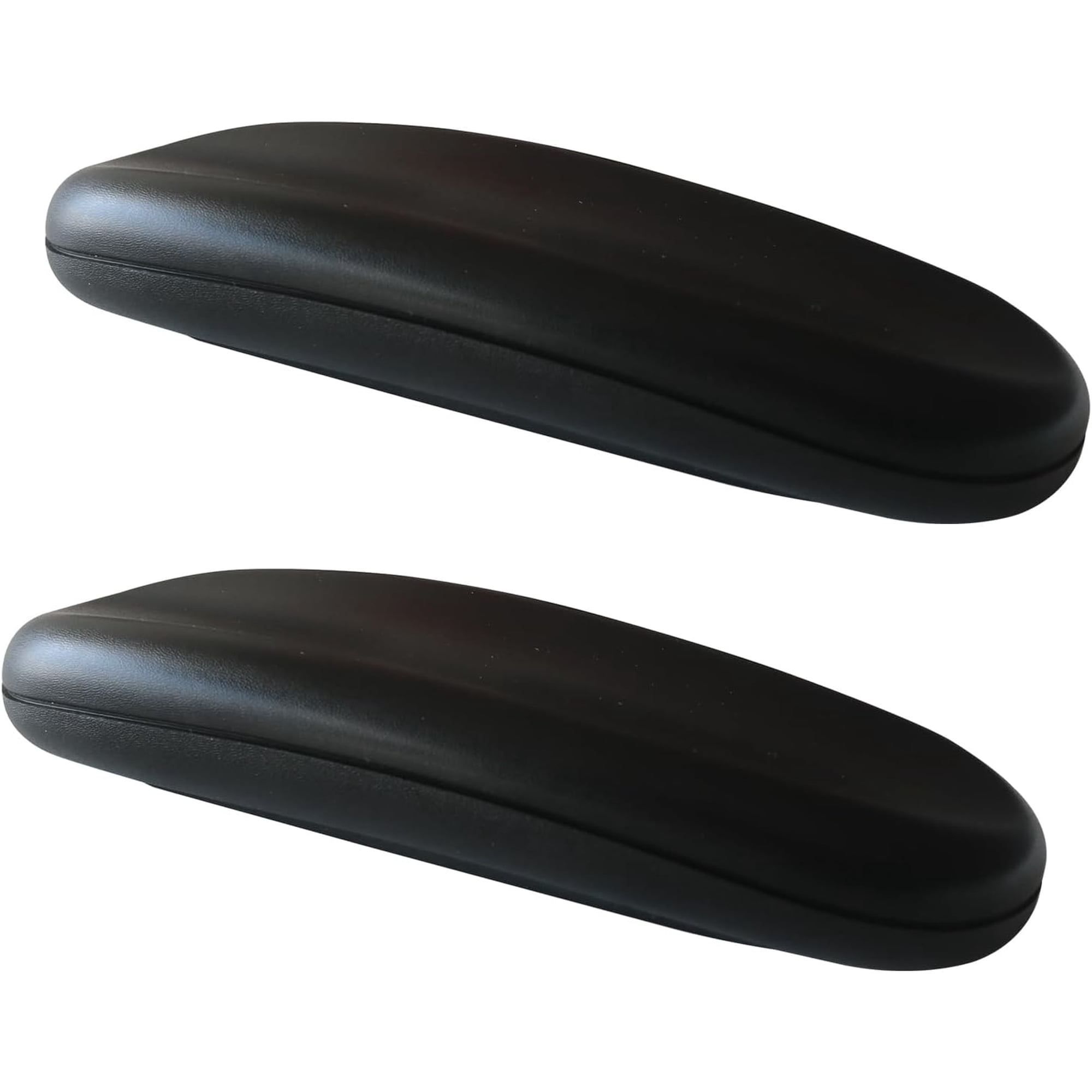
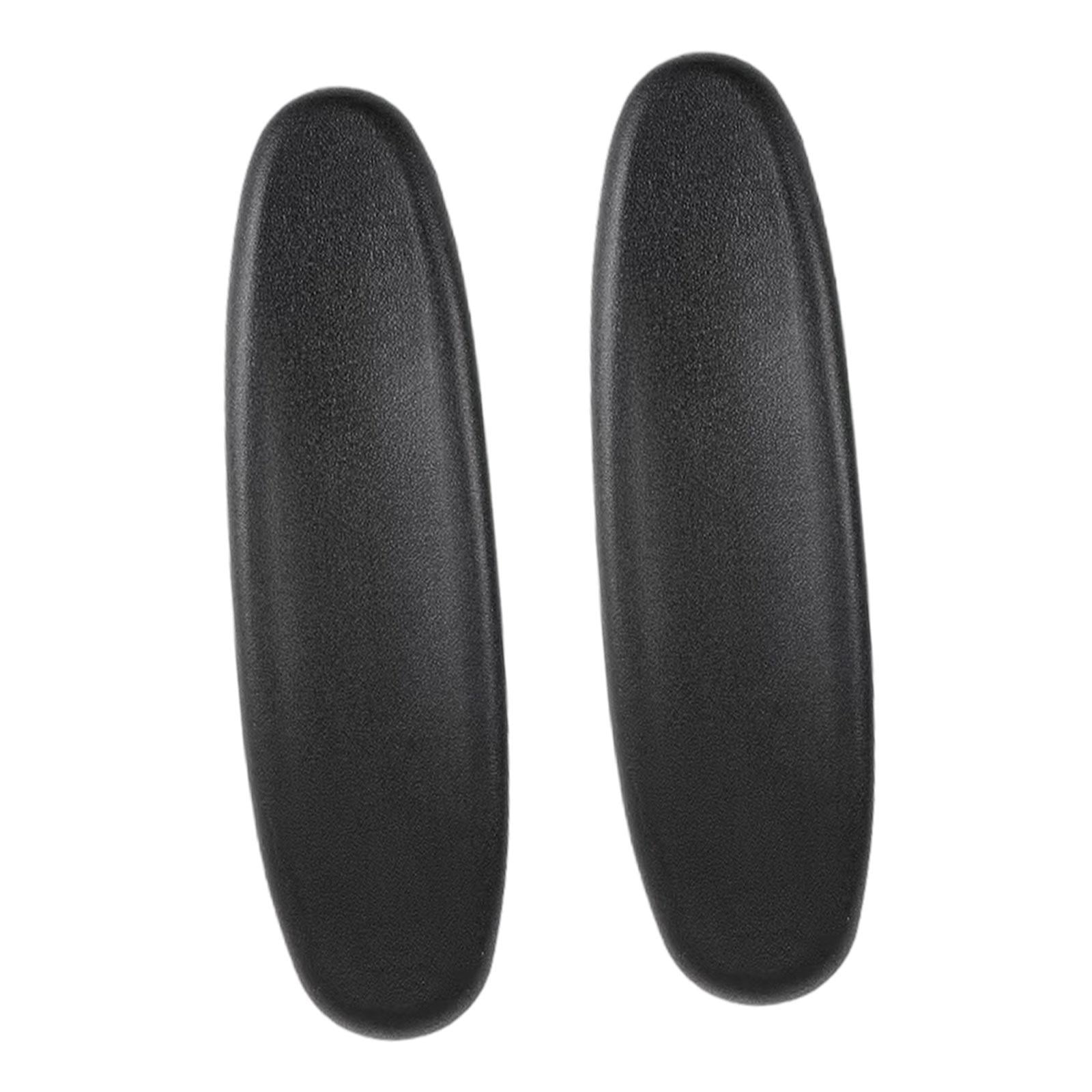
- Wide, Adjustable Armrests: Armrests should pivot outward or be wide enough to accommodate larger frames, offering proper elbow support and reducing shoulder tension.
Material Showdown: Leather vs. Mesh vs. Fabric for Heavy-Duty Users
Choosing the right upholstery can make or break your comfort, especially if you spend 8+ hours seated. Here’s how each material performs for plus-size individuals.
Premium Mesh
Best for: Hot climates & all-day breathability. High-quality mesh (like those used in executive bariatric chairs) offers excellent airflow, preventing sweat buildup. It also provides firm yet flexible back support.
Drawback: Some users miss plush padding. Look for models with a padded seat and mesh back for the ideal hybrid.
Top-Grain/Bonded Leather
Best for: Professional aesthetics and easy cleaning. Leather is durable and easy to wipe down. High-density foam under leather offers a luxurious feel.
Drawback: Can get warm; requires occasional conditioning to prevent cracking over time.
Heavy-Duty Fabric
Best for: Softness & affordability. Modern performance fabrics are stain-resistant and breathable. They often come in vibrant colors to match your office decor.
Drawback: May show wear faster than leather; can trap allergens if not cleaned regularly.
Anatomy of a Perfect Bariatric Office Chair: What to Inspect Before Buying
To help you make an informed decision, let’s break down the essential components that separate a standard chair from a true heavy-duty solution.
| Component | Why It Matters for Obese Users | Ideal Specification |
|---|---|---|
| Gas Lift / Cylinder | Supports weight and ensures smooth height adjustment without sudden drops. | Class 4 or industrial-grade cylinder (tested for 350+ lbs minimum). |
| Seat Depth | Prevents pressure behind the knees and supports full thigh length. | Adjustable depth from 19 to 22 inches, or fixed deep seat (21+ inches). |
| Tilt Mechanism | Allows dynamic sitting, reducing spinal compression during long hours. | Multi-lock tilt with adjustable tension; synchro-tilt preferred. |
| Casters (Wheels) | Heavy-duty casters prevent floor damage and provide smooth rolling under higher weight. | Oversized 2.5-inch or dual-wheel casters, rated for heavy loads. |
| Backrest Height | Taller backrest offers better upper back and shoulder support for plus-size frames. | High-back (28 inches or more) with adjustable headrest optional. |
💡 Pro Tip: The 20-Minute Test
Whenever possible, sit in the chair for at least 20 minutes. Pay attention to how the seat foam responds — does it bottom out? Check if the armrests allow your shoulders to relax, and ensure the lumbar support hits the curve of your lower back. A truly comfortable bariatric chair should make you feel supported, not squeezed.
Ergonomics & Health: How the Right Chair Transforms Your Workday
Investing in a specialized office chair goes beyond comfort — it’s a proactive health decision. Studies indicate that individuals carrying excess weight are more prone to sciatica, chronic back pain, and poor circulation. A high-quality heavy-duty chair actively counters these issues:
- Spinal Alignment: Adjustable lumbar and proper seat depth reduce the exaggerated curve of the lower spine, alleviating lower back stress.
- Improved Circulation: A waterfall seat edge (curved front) prevents pressure on the back of the thighs, promoting healthy blood flow.
- Reduced Joint Pressure: Wide, cushioned seats and soft armrests minimize pressure on hips, knees, and elbows.
- Increased Productivity: Discomfort is a major distraction. When you’re physically at ease, mental focus improves by up to 30%.
Budget Considerations: Finding Value Without Compromising Safety
Heavy-duty office chairs range from $250 to over $1,500. While it’s tempting to choose the cheapest option, remember that a bariatric chair is a long-term investment in your health.
- Entry-Level ($200–$400): Basic heavy-duty models with 300–350 lb capacity, limited adjustability. Suitable for occasional use or smaller budgets.
- Mid-Range ($400–$800): This sweet spot offers 400–500 lb capacity, reinforced steel base, better foam, and multiple ergonomic adjustments (lumbar, seat angle, armrests).
- Premium ($800–$1,500+): Commercial-grade durability, 500–800 lb capacity, premium materials, extensive warranties (10+ years), and advanced ergonomic features like 4D armrests and memory foam.
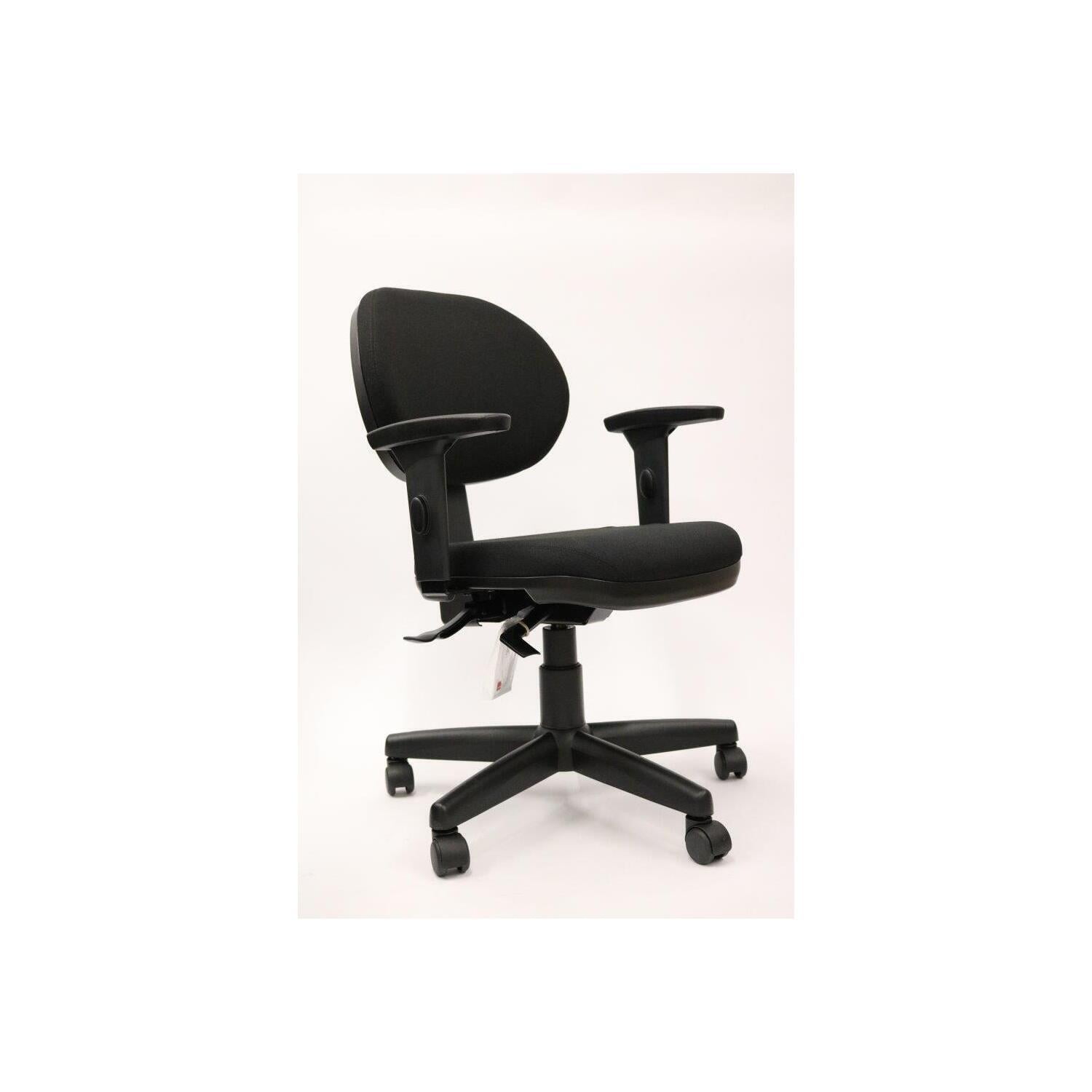
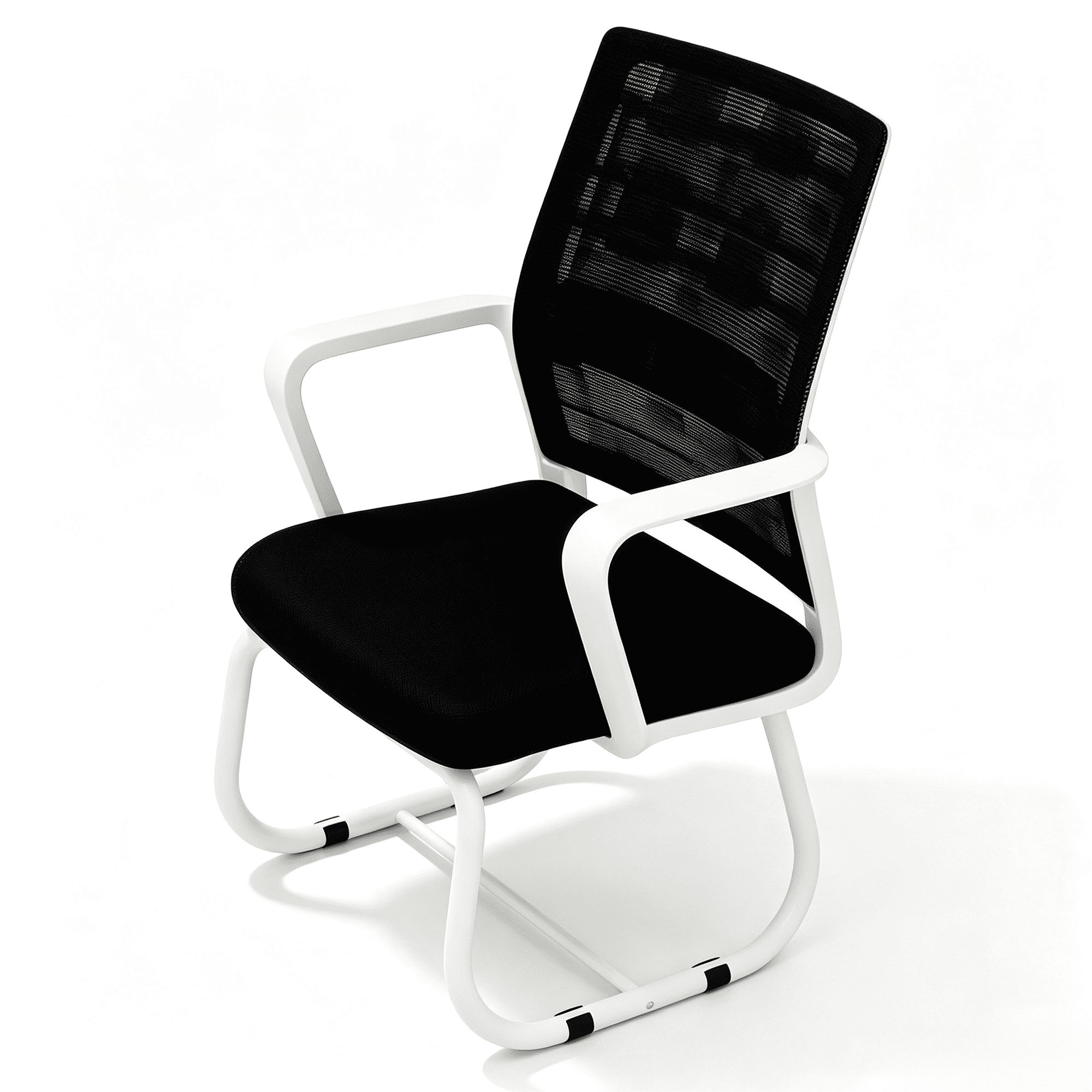
Our featured products above are carefully selected from trusted manufacturers, balancing durability, ergonomic design, and value for money.