
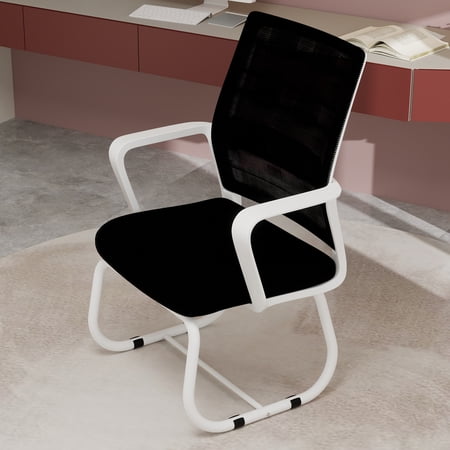
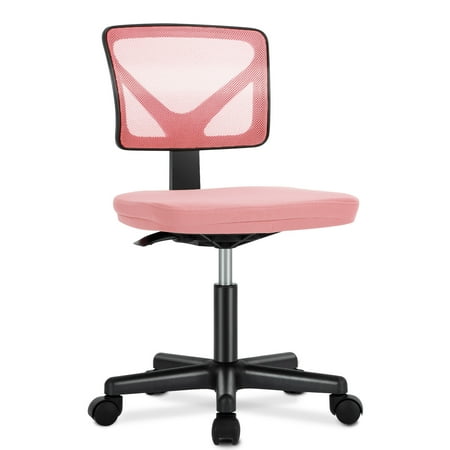
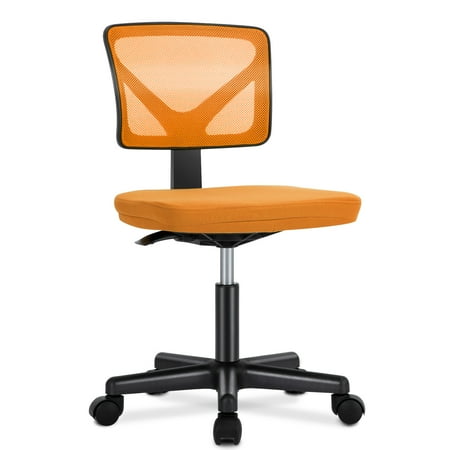
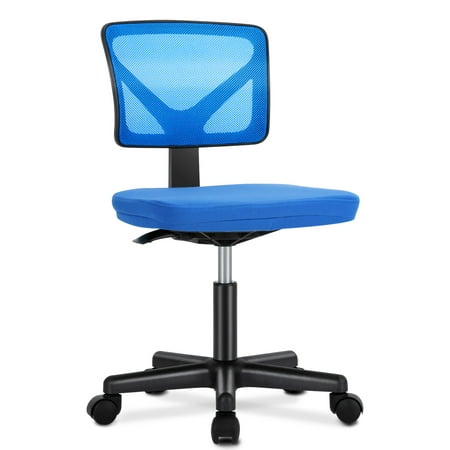
Why “I Need a Comfortable Office Chair” Is the Most Important Realization for Your Health
If you’ve ever uttered the phrase “I need a comfortable office chair,” you’re not alone. The average professional spends over 2,000 hours per year seated. Yet most office chairs are designed with style in mind, not the human body. A truly comfortable chair isn’t a luxury—it’s a productivity tool and a shield against chronic pain. This guide reveals how to choose, test, and invest in the right chair that feels like a custom fit from day one.
💡 Did you know? According to a 2023 ergonomics study by Cornell University, using a chair with dynamic lumbar support can increase concentration by 28% and reduce fatigue by 34% after 6 hours of continuous work. The right chair pays for itself in avoided healthcare costs and boosted performance.
What Defines a “Comfortable” Office Chair?
Comfort is subjective, but ergonomic science has identified key pillars that universally create a pain-free seating experience. A comfortable office chair is one that:
- Promotes Neutral Posture: Your spine maintains its natural S-curve, with shoulders relaxed and feet flat on the floor.
- Distributes Weight Evenly: High-density foam or contoured mesh prevents pressure points on hips and thighs.
- Adapts to Your Movements: Recline tension, seat slide, and adjustable armrests let the chair move with you, not against you.
- Stays Breathable & Cool: No one feels comfortable sweating after an hour. Breathable materials are essential for long sessions.
The 5 Non-Negotiable Features for Ultimate Comfort
Checklist for Your Next Comfortable Chair:
- Adjustable Lumbar Support: Not just a pillow — look for height and depth adjustment to target the small of your back precisely.
- Seat Depth Adjustment: A seat that’s too short won’t support thighs; too long cuts off circulation. Aim for 2–4 fingers of space between the seat edge and your knees.
- 4D Armrests: Arms should adjust up/down, pivot, slide forward/back, and sometimes width. This reduces shoulder and neck tension.
- Multi-Function Recline Mechanism: A tilt-lock and tension control allow you to rock or lock at your ideal angle, reducing spinal disc pressure.
- High-Quality Padding + Material: Memory foam or high-resiliency polyurethane foam with breathable mesh or premium fabric prevents bottoming out after months of use.
Material Deep Dive: Which One Feels Best for Long Hours?
✔️ Premium Mesh
- Excellent air circulation — no sweaty back
- Conforms to body shape without sagging
- Lightweight and modern aesthetic
- Ideal for warm offices or hot climates
✔️ High-Density Fabric
- Soft, cozy, and warm feel
- Wide range of colors and textures
- Quiet operation (no leather squeaks)
- Often more affordable but may require spot cleaning
✔️ Top-Grain Leather
- Luxurious feel that molds to your body over time
- Extremely durable (10+ years with care)
- Easy to wipe clean; professional appearance
✔️ Breathable Hybrid (Fabric+Mesh)
- Best of both worlds: soft seat with ventilated back
- Good temperature regulation and support
- Great for multi-season comfort
Step-by-Step Guide to Finding Your Perfect Comfort Chair
Step 1: Measure Your Space & Body
- Height & Weight: Determine if you need a standard, tall, or big & tall model. Weight capacity should exceed your weight by at least 20% for longevity.
- Desk Height: Standard desks are 29-30 inches tall. Your chair should allow your elbows to rest at 90° while typing.
- Room Constraints: Swivel radius and arm width clearance matter, especially in compact home offices.
Step 2: Prioritize Adjustability Over Aesthetics
A beautiful chair that doesn’t adjust will become uncomfortable within weeks. Ensure your candidate offers at least: seat height, back angle tension, seat depth, and armrest adjustments. The more micro-adjustments, the better the chair can be personalized.
Step 3: Test the “Real-World” Comfort
If possible, sit in the chair for at least 20 minutes. Simulate your work tasks: typing, leaning back to think, swiveling to a second monitor. Check for pressure under thighs, support in the lumbar curve, and whether the armrests interfere with desk access.
Step 4: Check Warranty & Return Policy
Reputable brands offer 5-12 year warranties. Since comfort is personal, choose a retailer with a risk-free return policy (at least 30 days). This allows you to test the chair in your actual workspace.
Health Benefits: Why Comfort Translates to Wellbeing
🪑 Reduces Chronic Back Pain
Ergonomic seating reduces muscle fatigue and prevents disc degeneration by maintaining lordosis.
❤️ Boosts Circulation
Seat depth and waterfall edge design eliminate pressure behind knees, improving blood flow.
🧠 Enhances Focus
When your body isn’t distracted by discomfort, cognitive performance can improve by up to 20%.
🛡️ Prevents Long-Term Injuries
Proper posture reduces the risk of musculoskeletal disorders, carpal tunnel, and chronic neck strain.
Common Mistakes When Choosing a Comfortable Office Chair
- Overlooking Seat Width: If you’re broader or like to sit cross-legged, choose a seat width of at least 20 inches.
- Ignoring Tilt Mechanism: A chair that doesn’t recline forces static posture — dynamic sitting is healthier.
- Sacrificing Adjustability for Price: Fixed chairs may seem cheaper initially but often lead to discomfort and premature replacement.
- Not Considering Floor Type: Hardwood floors require soft casters to avoid scratches and smooth rolling; carpets need sturdy wheels.
Pro Tip: If you often work long hours, invest in a chair with a built-in adjustable headrest. This supports the cervical spine during reclined thinking sessions or video calls, preventing tech neck.
Frequently Asked Questions About Comfortable Office Chairs
Conclusion: Your Journey to Comfort Starts Now
Answering “I need a comfortable office chair” is the first step to transforming your work life. A chair that fits your body, supports your spine, and adapts to your workflow isn't an expense—it's an investment in daily well-being. Whether you choose breathable mesh for hot days, luxurious leather for a classic executive vibe, or a hybrid that blends both, remember: adjustability and material quality are the real heroes.
Take your time, test features, and prioritize ergonomics over flashy design. Your future self—free from back pain and fatigue—will thank you. Explore our curated selection above to discover chairs that combine scientific ergonomics with true comfort.
🔍 Next Step: Bookmark this guide and refer back when comparing models. The right chair can last a decade, so making an informed choice today pays dividends tomorrow.