
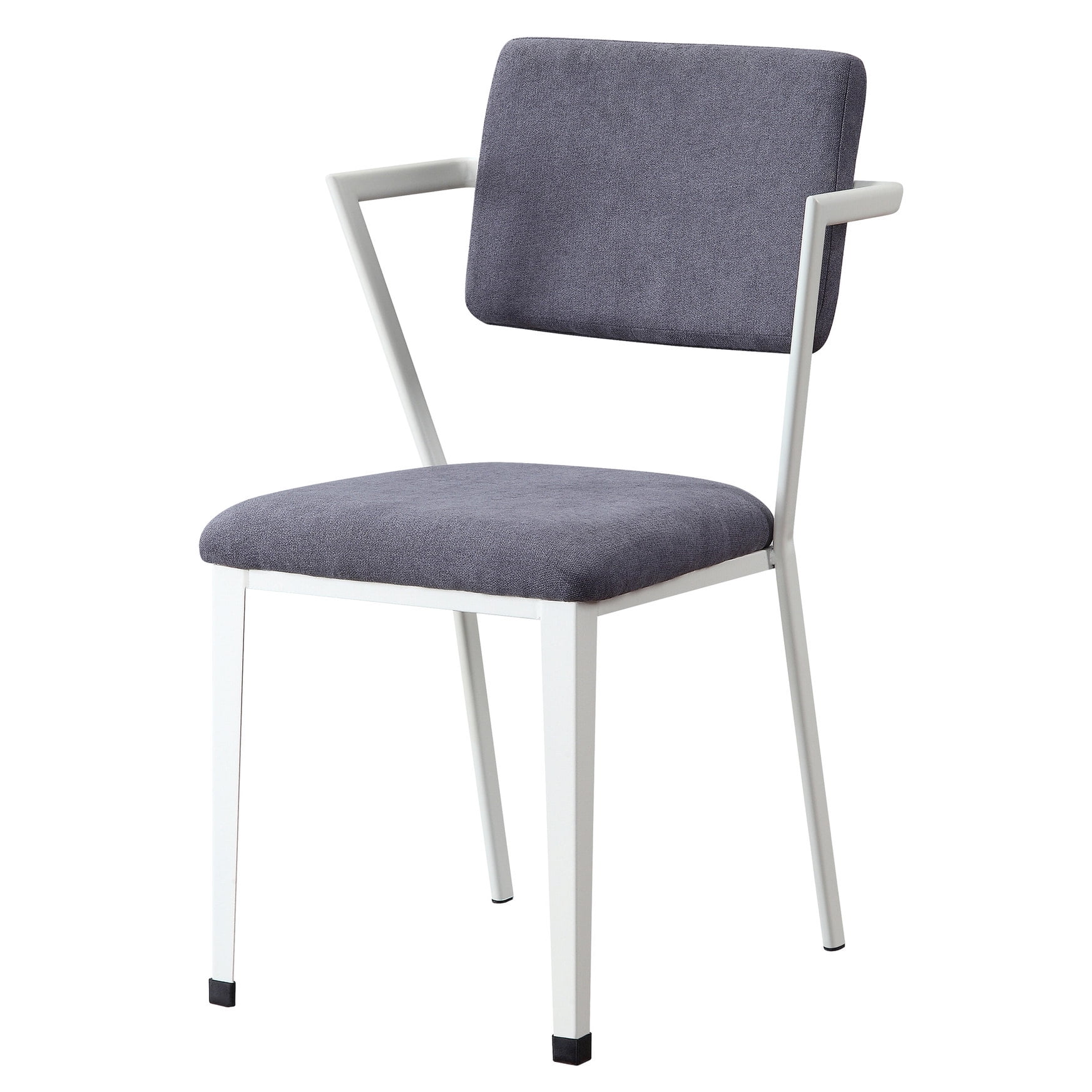
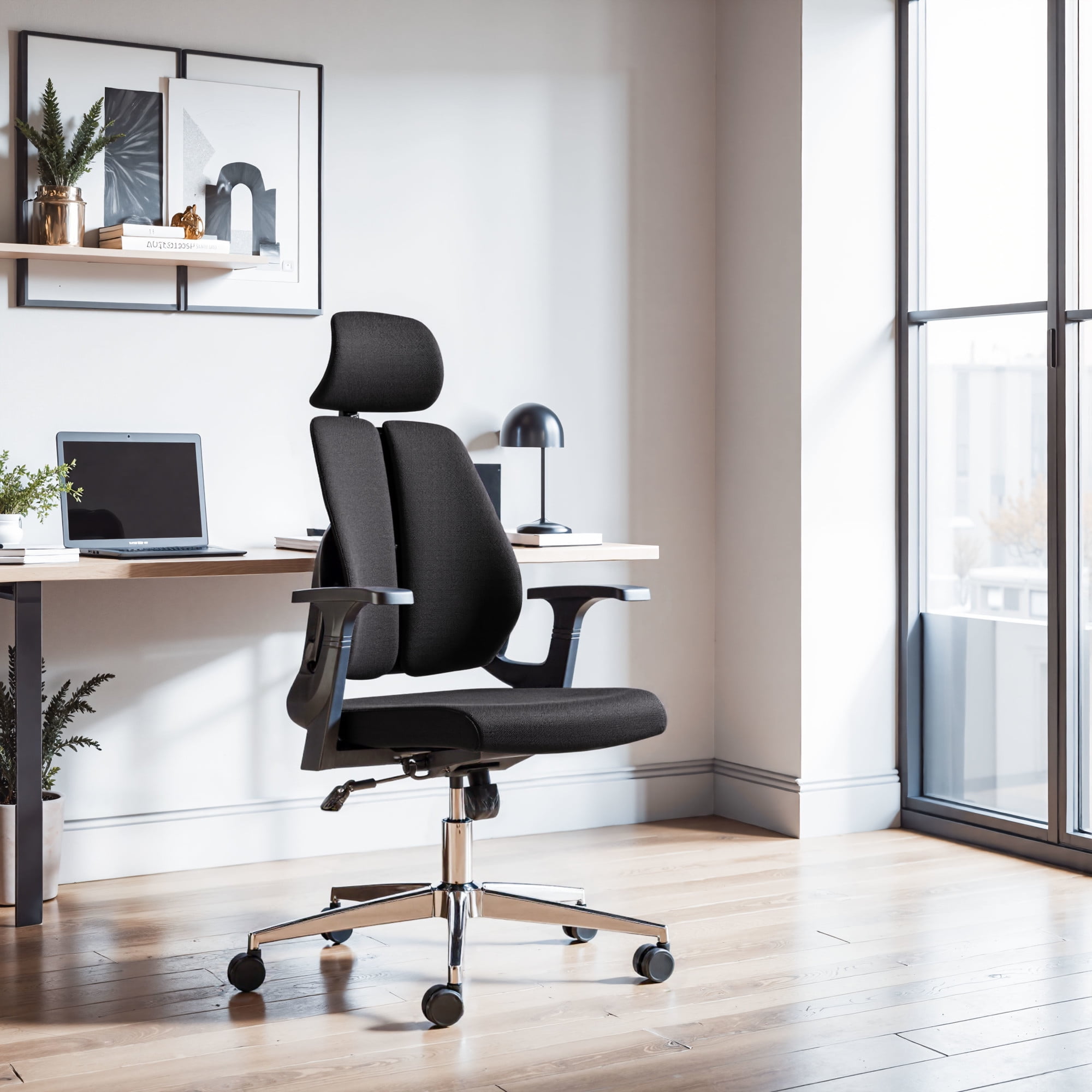
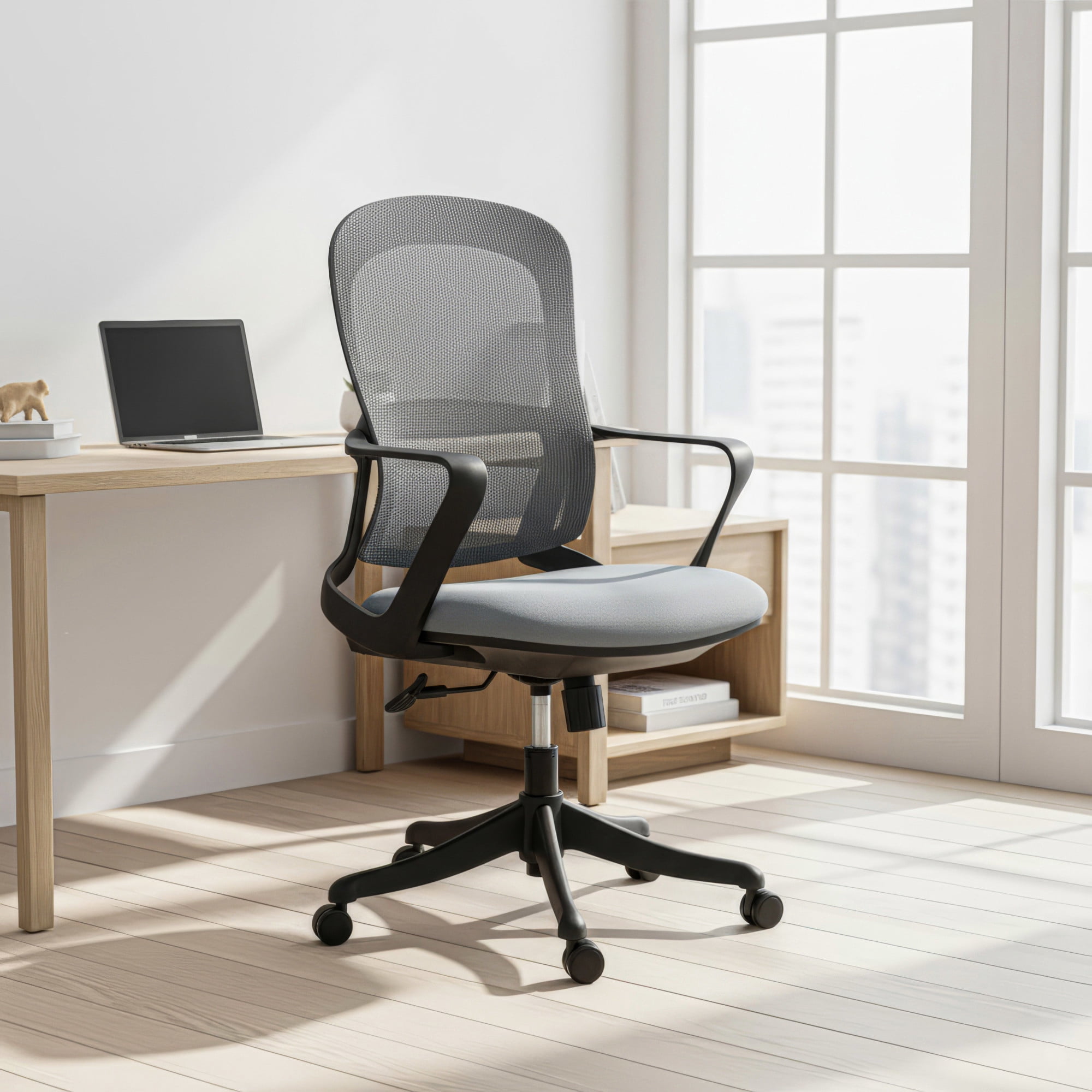
The Allure of the Retro Style Office Chair
In an age of sleek, minimalist, and often impersonal office furniture, the retro style office chair stands out as a beacon of personality and timeless design. It’s more than just a place to sit; it's a statement piece that infuses your workspace with character, warmth, and a touch of nostalgia. Whether you're outfitting a creative home office or looking to add a distinguished accent to an executive suite, a vintage-inspired chair bridges the gap between the past's aesthetic charm and the present's ergonomic demands.
Design Meets Function: A survey by the American Society of Interior Designers found that 68% of employees feel that office design significantly impacts their productivity and job satisfaction. A retro chair does double duty—it enhances the visual appeal of your space while providing a functional and comfortable seat for hours of work.
Defining the Retro Aesthetic: Key Design Elements
What exactly makes an office chair "retro"? The term often refers to designs inspired by the mid-20th century, particularly the 1950s, 60s, and 70s. These chairs are characterized by a few key visual elements:
- Sleek, Clean Lines: Unlike the bulky, overstuffed executive chairs of the 80s and 90s, retro designs often feature streamlined silhouettes. Think of the iconic Eames styling—simple, elegant, and purposeful.
- Organic Curves and Shapes: From the curved backrest that follows the spine's natural contour to the waterfall seat edge that reduces pressure on the legs, these chairs embrace ergonomic shapes that also happen to be visually pleasing.
- Rich Material Palette: The magic is in the mix. You'll commonly find:
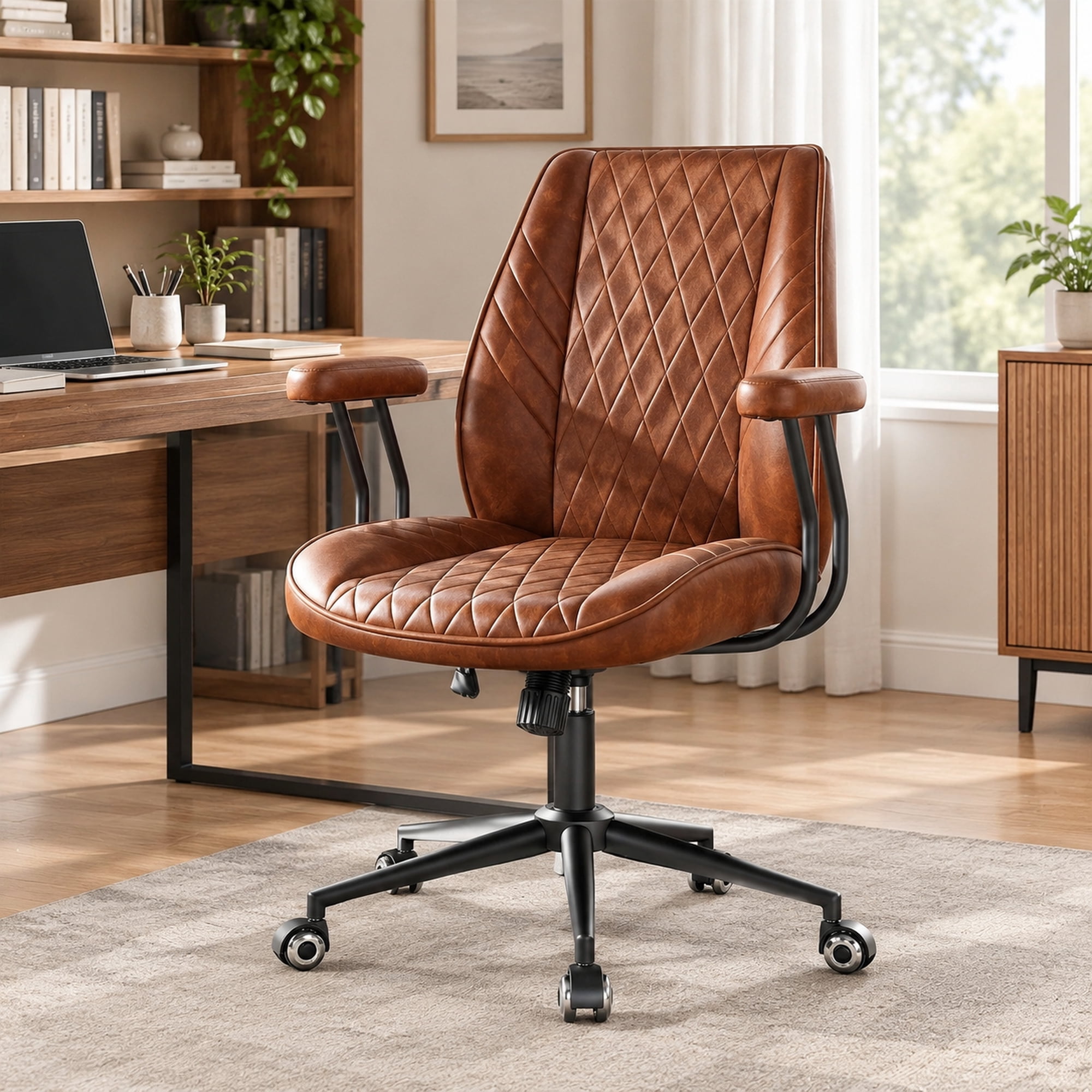
- Upholstery: High-quality vinyl, bonded leather, or textured fabric in colors like cognac brown, mustard yellow, olive green, or classic black.
- Wood Accents: Exposed arms or bases in warm woods like walnut, teak, or oak provide a natural, grounded feel.
- Polished Metal: Chrome or brass bases and armrests add a touch of industrial sophistication and a period-correct shine.
- Button Tufting: Often seen on the backrest, diamond or channel tufting adds a layer of texture and luxury, harkening back to classic club chairs and automobile interiors of the era.
Beyond Looks: Modern Ergonomics in a Vintage Package
The biggest misconception about retro style furniture is that it's all form and no function. Today's retro style office chairs are engineered for the modern worker. Manufacturers have cleverly integrated contemporary comfort features without compromising the classic aesthetic. Here’s what to look for:
- Pneumatic Height Adjustment: The classic lever that allows you to adjust the seat height to fit your desk perfectly. A non-negotiable feature for proper ergonomics.
- 360-Degree Swivel and Smooth Casters: Just like any modern task chair, a good retro chair allows you to move freely and glide across the floor, whether you have hardwood or carpet.
- High-Density Foam Cushioning: Forget the flat, unforgiving seats of the past. Quality retro chairs use thick, resilient foam that provides support and comfort for extended sitting sessions without bottoming out.
- Integrated Lumbar Support: Many designs now incorporate subtle but effective lumbar support within the curved backrest to promote healthy spinal alignment.
- Tilt Mechanism: Some models include a rocking or tilt function, allowing you to lean back and relax during moments of deep thought or while on the phone.
Five Reasons to Choose a Retro Style Chair for Your Office
Still on the fence? Consider these compelling benefits of adding a vintage-inspired seat to your workspace:
- Unmatched Personality: It instantly makes your office feel less like a generic corporate box and more like *your* space.
- A Timeless Investment: Unlike fleeting modern trends, good design is forever. A well-made retro chair will look stylish for decades.
- A Conversation Starter: It’s a fantastic way to express your taste and create a welcoming atmosphere for clients and colleagues.
- Surprisingly Versatile: A retro chair can complement a wide range of interior styles, from industrial lofts and minimalist studios to traditional wood-paneled libraries.
- Ergonomic Foundation: Many retro designs were pioneers of ergonomics. Modern iterations build on this foundation for genuine, all-day comfort.
Material Deep Dive: Leather vs. Fabric in Retro Design
The choice of upholstery dramatically changes the chair's look, feel, and maintenance. Both leather and fabric are popular in the retro category, each with its own set of characteristics.
Leather & Vinyl Advantages
- Authentic Look: Cognac or distressed leather is the quintessential retro material, evoking a sense of heritage and luxury.
- Easy to Clean: Spills can be quickly wiped away, making it a practical choice for a workspace.
- Develops Patina: High-quality leather will develop a beautiful patina over time, adding to its character.
- Durability: With proper care, a leather retro chair can last for many years.
Leather & Vinyl Limitations
- Temperature Sensitivity: Can feel cold in winter and sticky in summer without climate control.
- Less Breathable: Can lead to discomfort during long, warm days.
- Price: Genuine leather is significantly more expensive than fabric or high-quality vinyl.
Fabric Advantages
- Color & Texture Variety: Fabric opens up a world of color (mustard, teal, rust) and texture (tweed, wool, boucle) for a bold statement.
- Breathability: Natural and synthetic fabrics are generally more breathable than leather, enhancing comfort.
- Warm & Inviting: Fabric feels softer and warmer to the touch, contributing to a cozier office atmosphere.
- Often More Affordable: High-quality fabric chairs can be a great value compared to premium leather.
Fabric Limitations
- Stain Susceptibility: Fabric is more prone to staining and may require professional cleaning.
- Wear and Tear: Can show signs of wear like pilling or fading over time, especially in high-use areas.
- Allergens: Can trap dust, pet dander, and other allergens if not cleaned regularly.
How to Choose the Perfect Retro Office Chair
Selecting the right chair involves more than just falling in love with a photo. Use this step-by-step guide to make a choice you'll be happy with for years.
Step 1: Assess Your Workspace Style
Look at your current office decor. Do you have a lot of wood (warm tones) or metal/glass (cool tones)? For a warm space, choose a chair with wood arms and cognac leather. For a cooler, industrial space, a chrome base with black vinyl or a bold fabric might be perfect.
Step 2: Prioritize Comfort Features
Make a list of ergonomic must-haves. Do you need adjustable height? (Yes, almost always). What about a tilt function? Is a higher weight capacity important? Match these needs against the chair's specifications.
Step 3: Measure Your Space
Retro chairs can vary in size. Measure the width of your desk knee hole and the space where the chair will sit. Ensure the chair's dimensions, especially if it has wide wooden arms, will fit comfortably without feeling cramped.
Step 4: Read Reviews for Long-Term Comfort
Look for reviews that mention comfort after several hours of use. Pay attention to comments about the cushion density and the back support. This real-world feedback is invaluable.
Step 5: Choose a Reputable Brand
Invest in a chair from a known manufacturer or a well-reviewed retailer. This ensures better quality materials, construction, and customer service if issues arise.
Frequently Asked Questions About Retro Style Office Chairs
Conclusion: Make a Statement with Timeless Style
Choosing a retro style office chair is an opportunity to break free from the monotony of standard office furniture. It's a chance to infuse your daily work life with beauty, personality, and a connection to the enduring principles of great design. By carefully considering the materials, ergonomic features, and how the chair fits your personal space, you can find a piece that not only supports your body but also inspires your mind. Whether you lean towards the warm richness of cognac leather or the vibrant pop of a mustard fabric, a retro chair is more than a seat—it's an investment in a workspace you'll love coming to every day.
The Perfect Blend for the Modern Professional
The ideal retro office chair successfully marries the undeniable charm of the past with the functional requirements of the present. It proves that you don't have to sacrifice comfort for style or durability for design. It's a choice that reflects confidence and a curated personal aesthetic.