

Your Complete Guide to Office Furniture Reception Chairs
The reception area is the handshake of your office. It’s the first physical interaction a client, partner, or job candidate has with your company. While the design, lighting, and branding are crucial, the seating—the office furniture reception chairs—plays a silent but powerful role in conveying your company’s values. Are you modern and agile? Traditional and stable? Creative and relaxed? Your choice of guest seating answers these questions before a single word is spoken. This guide will walk you through everything you need to select the perfect reception chairs that balance aesthetics, durability, and visitor comfort.
Did you know? According to a study by the Journal of Interior Design, 68% of visitors form an opinion about a company within the first 30 seconds of entering the reception area. Comfortable and well-maintained seating positively influences that perception, making clients feel valued and at ease.
Beyond Just a Seat: Understanding the Role of Reception Chairs
Reception chairs are not merely smaller versions of task chairs. They are designed for a different purpose: temporary, comfortable seating for guests. Unlike an executive chair that supports 9+ hours of work, a reception chair needs to be inviting for short durations, easy to move, and exceptionally durable. Think of them as the "first impression ambassadors" of your office furniture.
Key Categories of Reception Area Seating
To choose wisely, it's helpful to understand the common types of guest chairs available. Each serves a different aesthetic and functional purpose.
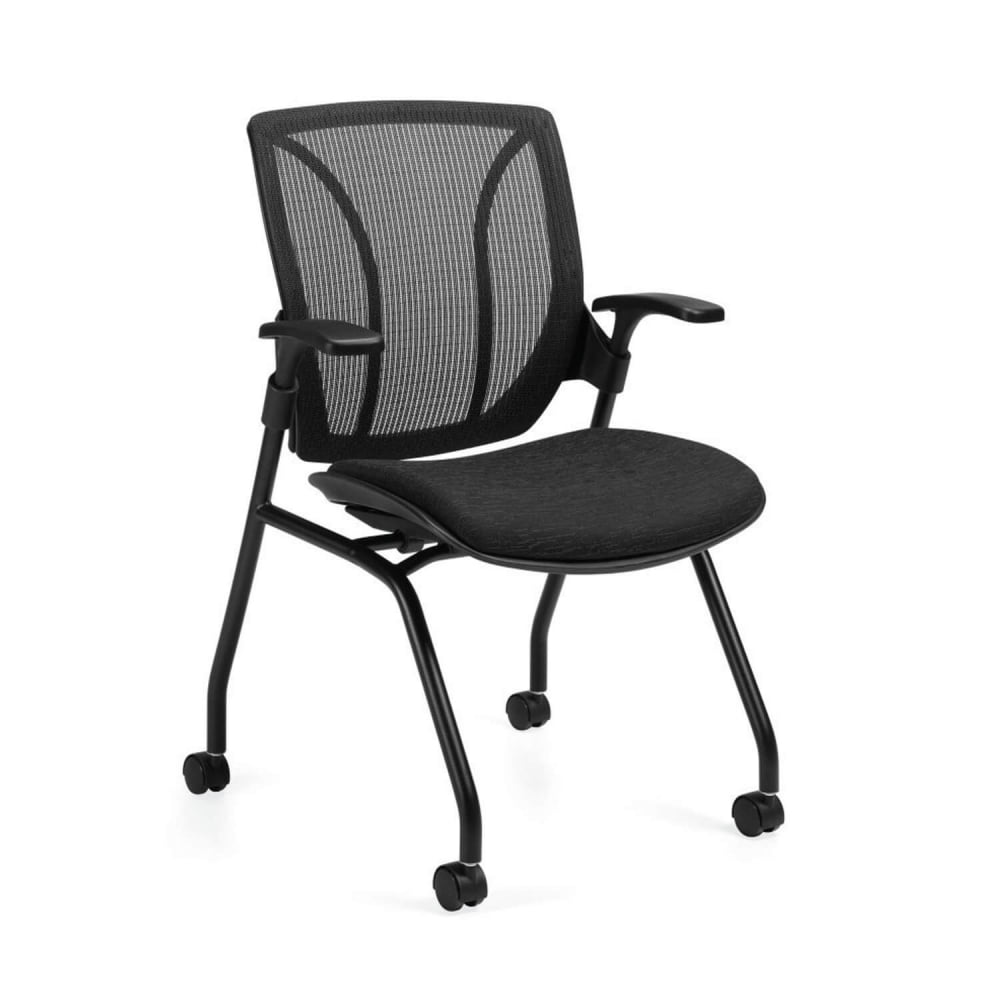
- Side Chairs (Armless): These are sleek, space-saving, and often the most versatile. They allow visitors to slide in from the side and are easy to tuck away. Perfect for smaller waiting areas or as occasional seating.
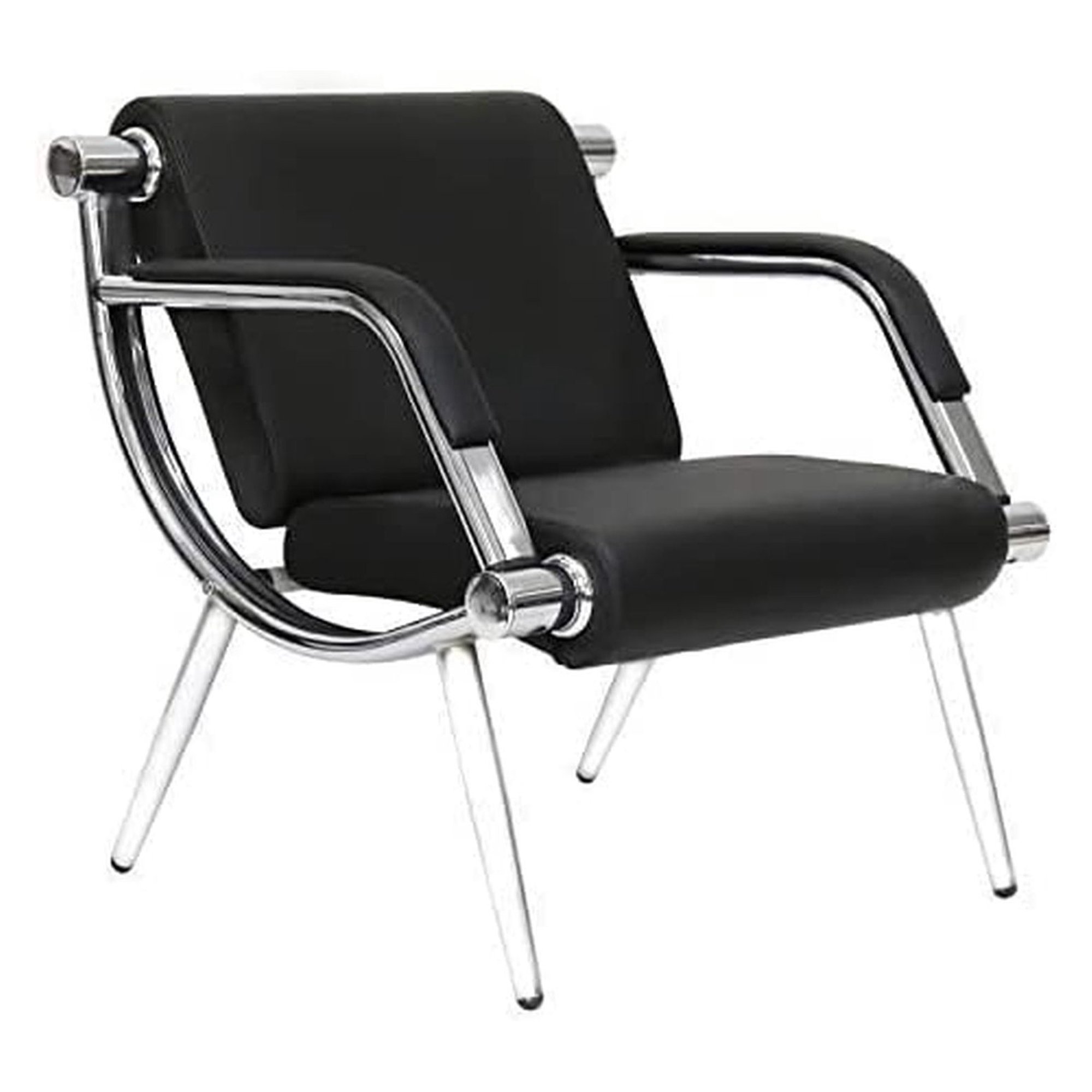
- Lobby Chairs with Arms: Offering a bit more support and a sense of personal space, these are ideal for longer wait times. Arms provide a place to rest and help visitors feel more settled.
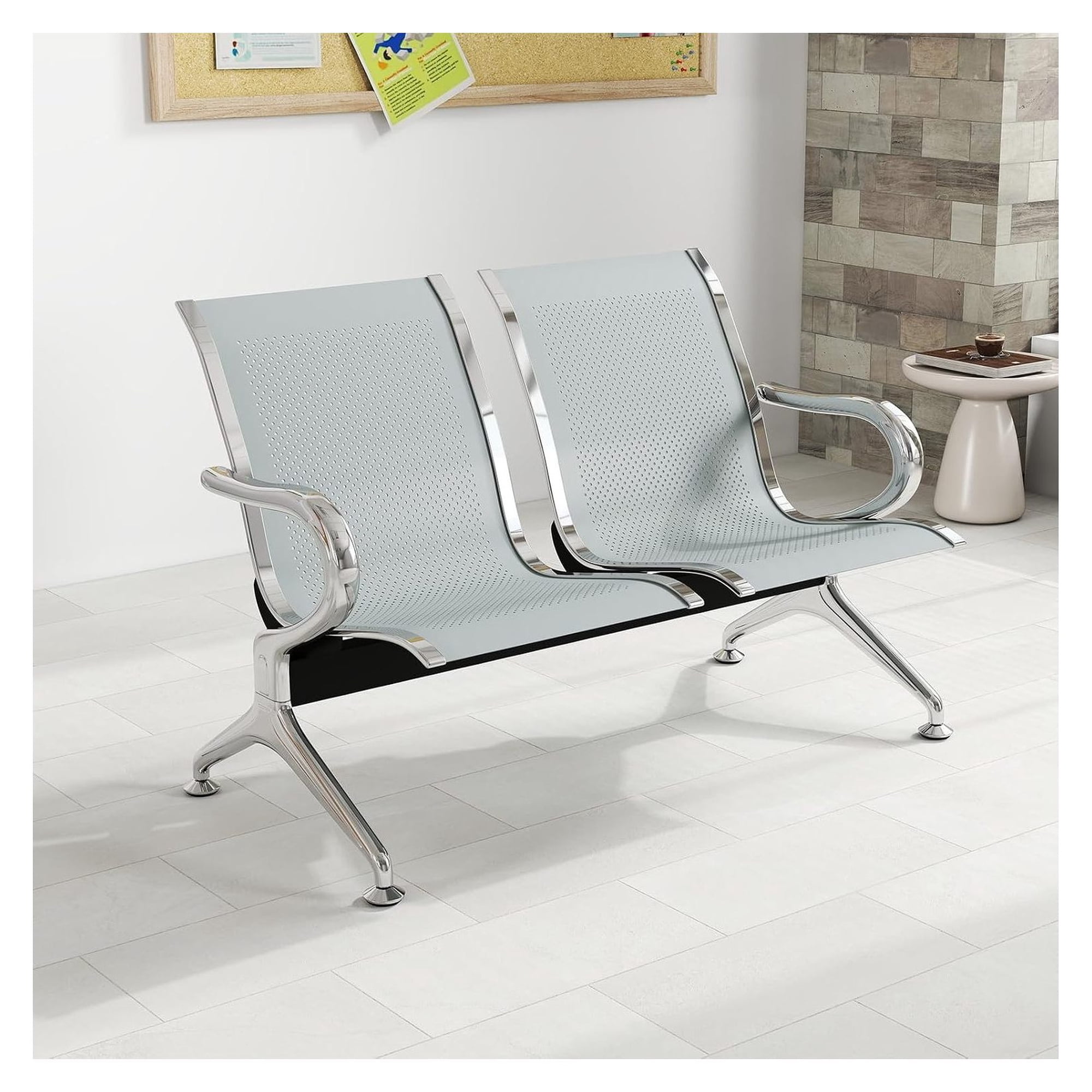
- Modular Seating / Reception Sofas: A modern trend, these are sectional pieces that can be configured into curves, straight lines, or even separate seats. They foster a more collaborative and relaxed vibe, perfect for creative industries or open-plan lobbies.
- Stackable Guest Chairs: For multi-purpose spaces or conference rooms that need to be reconfigured, stackable chairs are a practical and space-saving solution. They store neatly when not in use.
- Bariatric / Wide Guest Chairs: Inclusivity is key. Having at least one wider, reinforced chair ensures comfort for visitors of all sizes and demonstrates attention to diverse needs.
Material Matters: Durability Meets Design
The material of your reception chairs is the frontline defense against wear and tear. It's also a major component of your office's aesthetic. Let's break down the most common options for office furniture reception chairs.
Commercial-Grade Fabric
Best for: Warm, welcoming environments.
Look for fabric with a high "Wyzenbeek Double Rub" rating (30,000+ for heavy traffic). It’s comfortable, comes in endless colors, and modern stain-resistant treatments make it surprisingly practical. However, it can absorb spills if not treated.
Vinyl / PU Leather
Best for: High-traffic areas, medical offices, easy cleaning.
Vinyl is the workhorse of commercial seating. It’s durable, easy to wipe down, and resists stains. High-quality "bicast" or "PU" leather looks premium but offers the practicality of vinyl. Can be less breathable than fabric.
Mesh
Best for: Modern, tech-forward lobbies, warmer climates.
Mesh is incredibly breathable and provides a sleek, contemporary look. It’s less common for full guest chairs but often used for backs to create an airy feel. Frames are typically lightweight but sturdy.
Wood / Metal Frame Finishes
Best for: Aesthetic anchoring.
The frame material matters too. Powder-coated metal offers industrial durability, while wood (like oak or walnut) adds warmth and a classic touch. Consider the overall office design when choosing frame finishes.
Ergonomics for the Guest: It's Not Just for Employees
While guests don't sit for 8 hours, their comfort is paramount. Poorly designed seating can make a 10-minute wait feel like an hour. Here’s what to look for:
- Seat Height & Depth: The standard 18” seat height works for most. Depth should allow most people to sit back with their back against the chair while their feet rest flat. A "waterfall" front edge reduces pressure on thighs.
- Backrest Angle & Support: A slight recline (5-10 degrees) is more comfortable for waiting than a rigid 90-degree angle. Lumbar support is still important—look for a gentle curve that supports the lower back.
- Armrest Height: If choosing chairs with arms, ensure they are at a height (7-9 inches from seat) that allows shoulders to relax.
Layout and Space Planning for Your Reception
How you arrange your office furniture reception chairs is as important as the chairs themselves. A cramped or chaotic layout creates a negative first impression.
Step-by-Step Guide to Selecting Your Reception Chairs
Step 1: Audit Your Space and Traffic
Measure your waiting area. Sketch a floor plan. Count the average number of visitors you have at peak times. Is it 5 or 50? This dictates how many seats you need and whether modular or individual chairs work best.
Step 2: Define Your Aesthetic & Brand Image
What story do you want to tell? A law firm might lean towards classic, upholstered wingback chairs or rich leather. A startup might choose colorful, modular sofas and quirky side chairs. Create a mood board.
Step 3: Prioritize Materials Based on Traffic
Use the material guide above. If you have a high-turnover medical or dental office, vinyl or easily cleanable fabric is non-negotiable. For a low-traffic executive suite, premium fabric or leather is a wonderful choice.
Step 4: Test for Comfort (The "30-Minute" Test)
Before buying in bulk, try to source a sample or visit a showroom. Sit in the chair for at least 10-15 minutes. Is the seat cushion supportive? Does the backrest feel right? Ask colleagues of different heights to test it too.
Step 5: Consider Practicality & Maintenance
Check if the chair covers are removable and washable (for fabrics). Ask about replacement parts. Chairs with replaceable cushions or glides will have a longer lifespan.
Benefits of Investing in Quality Reception Seating
Enhanced Brand Perception
Quality seating signals professionalism and attention to detail, building trust before a meeting starts.
Improved Visitor Comfort
Comfortable guests are more relaxed and patient, leading to more positive interactions with your reception staff.
Long-Term Cost Savings
Commercial-grade chairs last 5-10+ years, avoiding the frequent replacement costs of cheap, residential-grade furniture.
Space Optimization
Modular and well-designed chairs can make a small waiting area feel larger and more organized.
Frequently Asked Questions About Reception Area Chairs
Final Thoughts: Welcoming with Comfort and Style
Selecting the right office furniture reception chairs is an investment in your company's image and your visitors' experience. It's about finding the perfect balance between form and function. By considering traffic flow, material durability, ergonomic comfort, and your unique brand identity, you can create a reception area that is not only beautiful but also genuinely welcoming.
Remember, your reception is the prelude to every business interaction. Make it a positive one.