
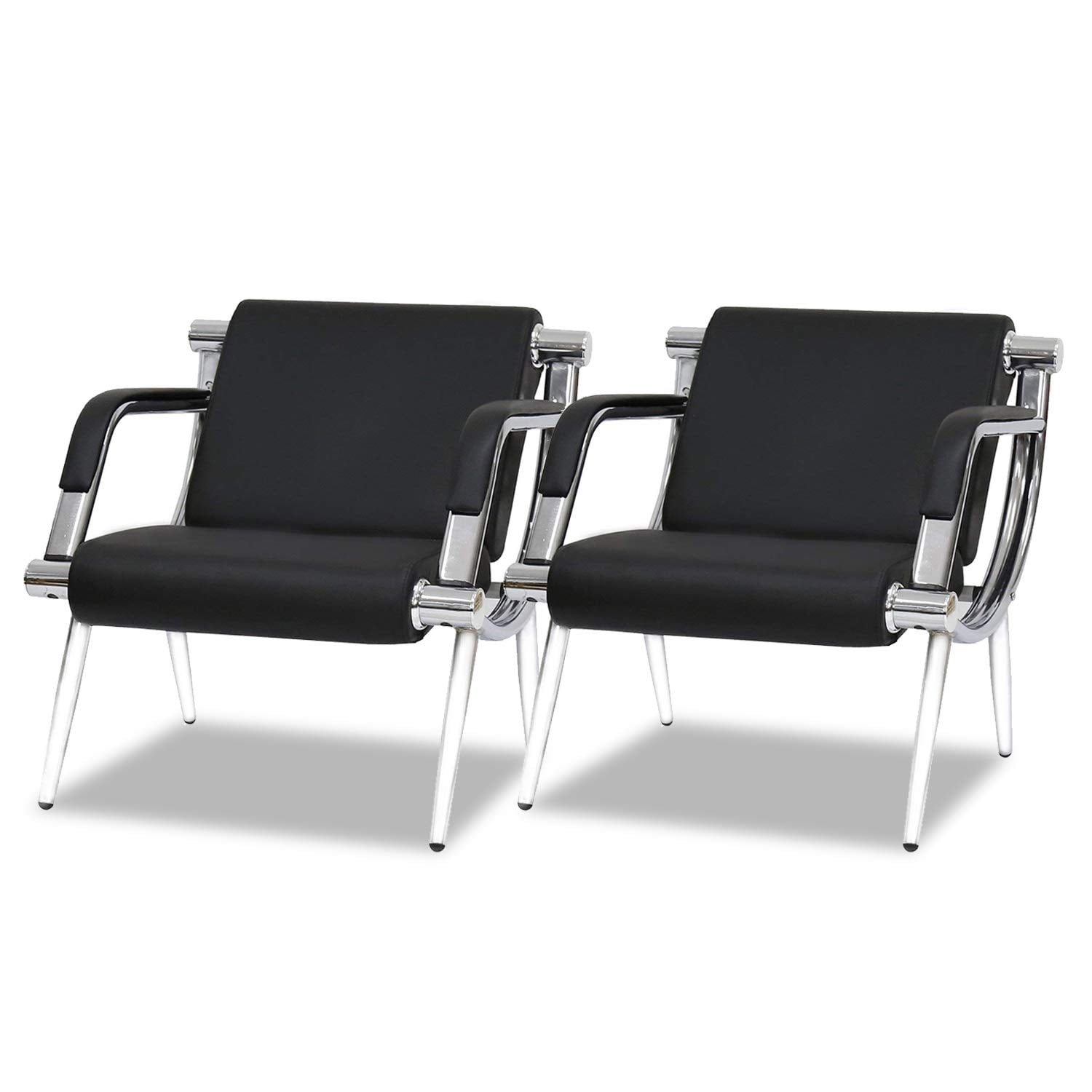
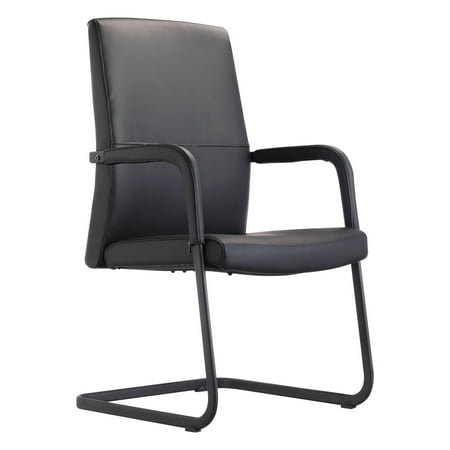
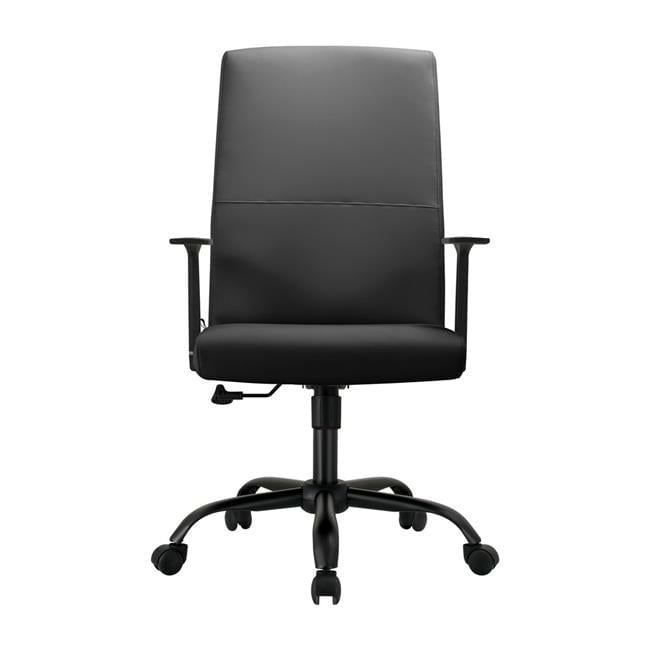
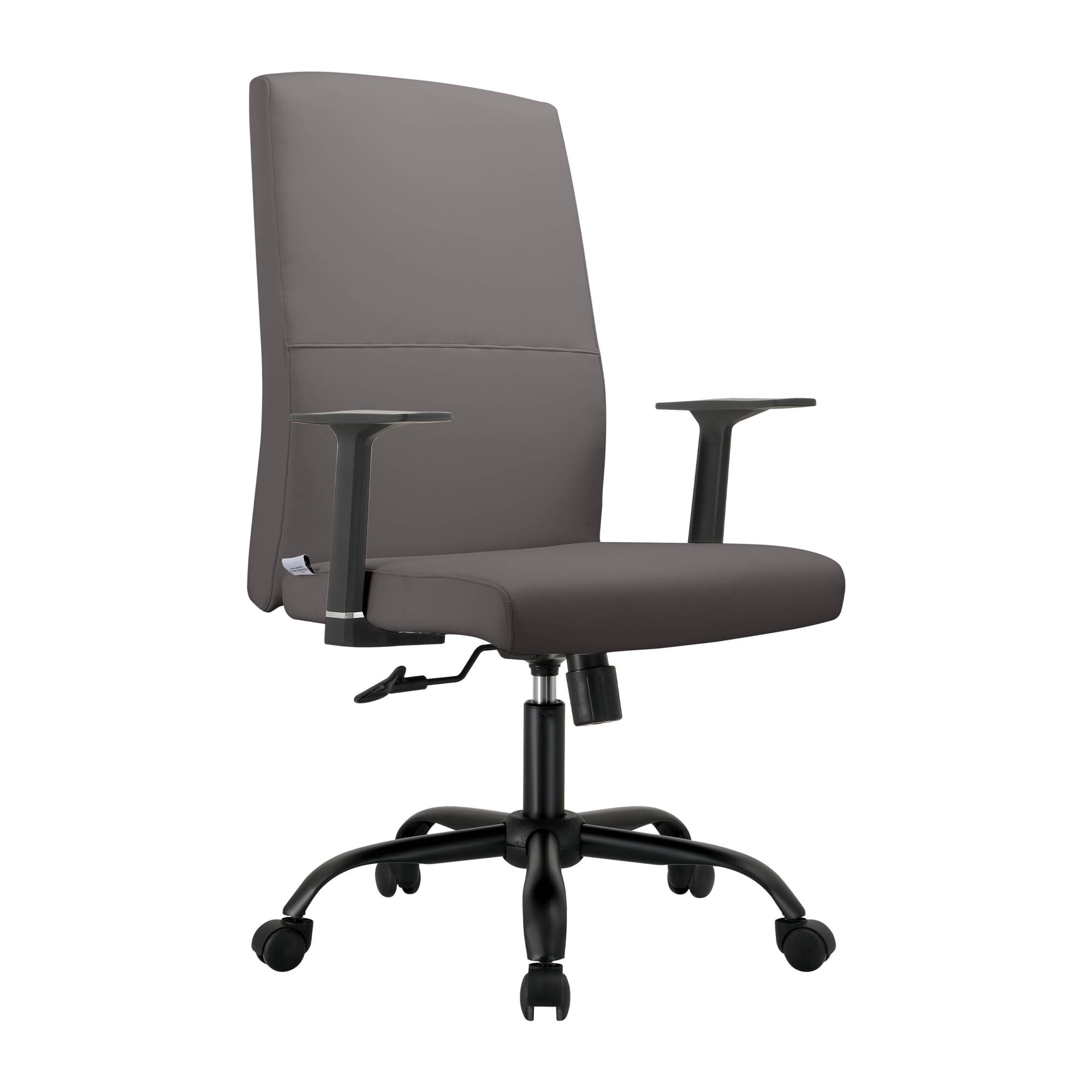
The Essential Role of the Leather Office Guest Chair
In the world of business, first impressions are paramount. While the executive's chair signifies authority, the leather office guest chair speaks volumes about how you value the people who walk through your door. It’s a subtle yet powerful statement of respect, comfort, and professionalism. Whether it's a client waiting in a reception area, a candidate in an interview, or a colleague in a meeting, the seating you provide directly influences their perception of your organization.
Industry Insight: Environmental psychology suggests that comfortable, aesthetically pleasing seating can increase a visitor's positive perception of a business by up to 30%. A well-chosen leather guest chair isn't just furniture; it's a tool for building trust and rapport.
Why Choose Leather for Your Guest Seating?
Leather is more than just a material; it's an investment in longevity and image. Unlike fabric, which can stain and wear, high-quality leather develops a rich patina over time, becoming more attractive. It's naturally hypoallergenic, resistant to dust mites, and incredibly easy to clean—a simple wipe-down is often all it takes to keep it looking pristine. For high-traffic areas like waiting rooms and conference rooms, this durability is invaluable.
Key Features to Look for in a Leather Guest Chair
Selecting the perfect leather guest chair involves more than just picking a style you like. Consider these essential features to ensure you're making a smart, long-term investment:
- Leather Grade & Quality: Understand the difference. Top-grain leather is the highest quality, offering unmatched durability and a natural feel. Genuine leather provides a great balance of quality and value. Bonded leather is less durable but more budget-friendly. For guest chairs that see daily use, genuine or top-grain is recommended.
- Frame Construction: A sturdy frame is the backbone of the chair. Look for frames made from hardwood (like oak or maple) or metal. These materials resist warping and ensure the chair remains stable for years. Avoid chairs with frames made from particleboard or plastic.
- Cushioning & Support: Comfort during meetings is crucial. High-density foam cushions retain their shape and provide consistent support, preventing that "sinking" feeling. The backrest should offer ergonomic contouring to support the natural curve of the spine, even for short periods.
- Base & Floor Protection: Consider the base. Guest chairs typically come with either a stationary base or casters (wheels). For a reception area, a stationary base or glides might be preferable to keep chairs in place. If you have hardwood floors, ensure the chair has felt glides or non-marking casters to prevent scratches.
- Aesthetics & Design: The chair should complement your office's existing decor. From classic tufted designs to modern, minimalist profiles, the style of the chair contributes to your brand's narrative. Consider color as well—black and brown are timeless, but a tan or cognac leather can add a touch of modern warmth.
Understanding Leather Types: A Closer Look
To truly appreciate a leather guest chair, it helps to understand the material's origins. Think of leather like a fine piece of wood. The top layer, or "top-grain," is like the solid hardwood—strong, beautiful, and durable. Here's a simple breakdown:
Top-Grain Leather
- The Premium Choice: Made from the top layer of the hide, it retains the natural grain and is extremely strong.
- Develops Patina: Ages beautifully, becoming softer and more characterful over time.
- Best for: Executive suites, high-profile meeting rooms, areas where image is critical.
Genuine Leather
- The Workhorse: Made from the layers underneath the top-grain. It's still real leather and very durable.
- Consistent Look: Often has a more uniform, corrected grain, making it easy to match.
- Best for: General waiting areas, conference rooms, and high-traffic guest seating.
While bonded leather is an option, it's essentially a composite material made from leather fibers bonded with polyurethane. It's a budget-friendly choice but won't offer the longevity or prestige of genuine or top-grain leather.
Tangible Benefits of Quality Guest Seating
Enhanced Brand Image
Leather seating conveys success, stability, and attention to detail, reinforcing your brand's credibility.
Superior Durability
A well-made leather chair can last 10-15 years, even with daily use, making it a cost-effective choice.
Client Comfort
Comfortable guests are more relaxed and receptive, leading to more productive meetings and positive interactions.
Easy Maintenance
Leather resists spills and stains, and a quick wipe is often all that's needed to keep it looking new.
Your 3-Step Guide to Choosing the Perfect Leather Guest Chair
Step 1: Assess Your Space & Traffic
- Measure your area: How much space do you have? Will chairs be lined against a wall or around a table? For tight spaces, consider armless designs that are easier to tuck away.
- Estimate traffic volume: A high-traffic waiting room requires the durability of top-grain or genuine leather with a hardwood frame. A private office with occasional visitors can afford more delicate designs.
- Consider mobility: Do you need chairs to be easily moved for cleaning or reconfiguration? If so, lighter models with casters are ideal. For a stable, permanent setup, choose chairs with glides.
Step 2: Match Style with Function
The chair's design should serve a purpose beyond aesthetics. Here’s a quick matrix:
Prioritize durability and easy cleaning. Slightly larger, more "lounge-like" chairs can make waiting feel less like a chore.
Focus on ergonomics and a consistent, professional look. Chairs should be comfortable for 1-2 hour meetings and have armrests for support.
Style can be more personalized. A classic tufted leather chair or a sleek modern design can complement the executive's desk and personal brand.
Comfort is key to putting candidates at ease. Choose chairs with good cushioning and supportive backrests to reduce anxiety.
Step 3: Set Your Quality & Budget Thresholds
Think of a leather guest chair not as an expense, but as a long-term asset. Here are general tiers:
Value
Bonded or split leather, standard foam, good for light use.
Professional
Genuine leather, hardwood frame, high-density foam. The sweet spot for most offices.
Premium
Top-grain leather, superior craftsmanship, exceptional design and longevity.
Frequently Asked Questions About Leather Office Guest Chairs
Conclusion: Making a Lasting Impression
Investing in a high-quality leather office guest chair is a decision that pays dividends in client perception, employee morale, and overall office aesthetics. It's a reflection of your commitment to quality and comfort. By considering the factors outlined in this guide—from leather grade and frame construction to the specific needs of your space—you can select seating that not only looks impressive but also provides enduring value and comfort for years to come.
"The details are not the details. They make the design." – Charles Eames. Let your choice of guest seating be a detail that speaks volumes about your professional world.