
The Executive Waiting Room: Why Guest Chairs Matter
When a client or partner walks into your office, the first thing they interact with—after a handshake—is the seat you offer them. Executive office guest chairs are more than just places to sit; they are a statement of your company's values, attention to detail, and respect for the people you do business with. Unlike standard side chairs, these pieces are designed to bridge the gap between aesthetic appeal and functional comfort, ensuring that every visitor feels valued from the moment they arrive.
Industry Insight: A study by the International Interior Design Association (IIDA) suggests that well-designed reception and meeting areas can positively influence a client's perception of a company's credibility and professionalism by up to 30%. The choice of seating plays a pivotal role in this impression.
Key Design Elements of Executive Guest Chairs
Executive guest chairs differ from task chairs or sofas in several fundamental ways. They are optimized for intermittent but impactful use. Here are the critical design aspects to consider:
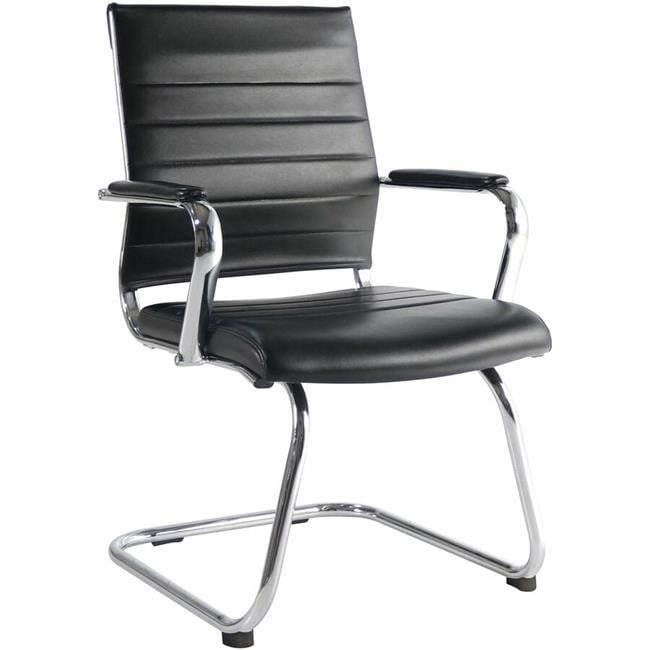
- Proportional Frame: Guest chairs are typically stationary or have a light swivel function. Their frames are designed to complement executive desks and conference tables without overwhelming the space.
- Material Durability: Since these chairs see varied use, materials must resist wear from different body types and clothing. High-quality bonded leather, breathable mesh, or solution-dyed fabric are common choices.
- Comfort for Conversations: The seat depth and backrest angle are calibrated for an upright, engaged sitting posture—ideal for conversations, not lounging. A slight recline can offer relief during longer meetings without appearing too casual.
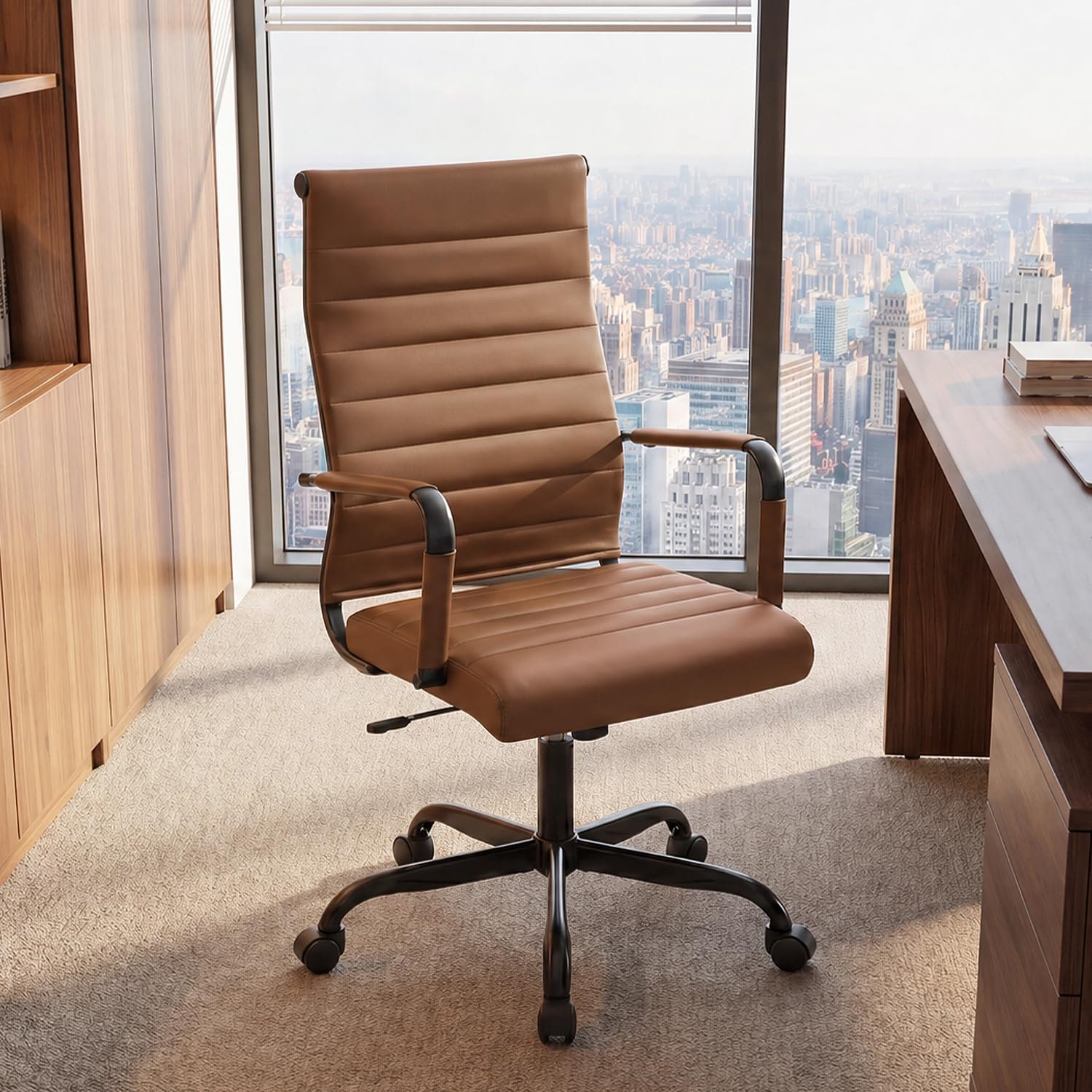
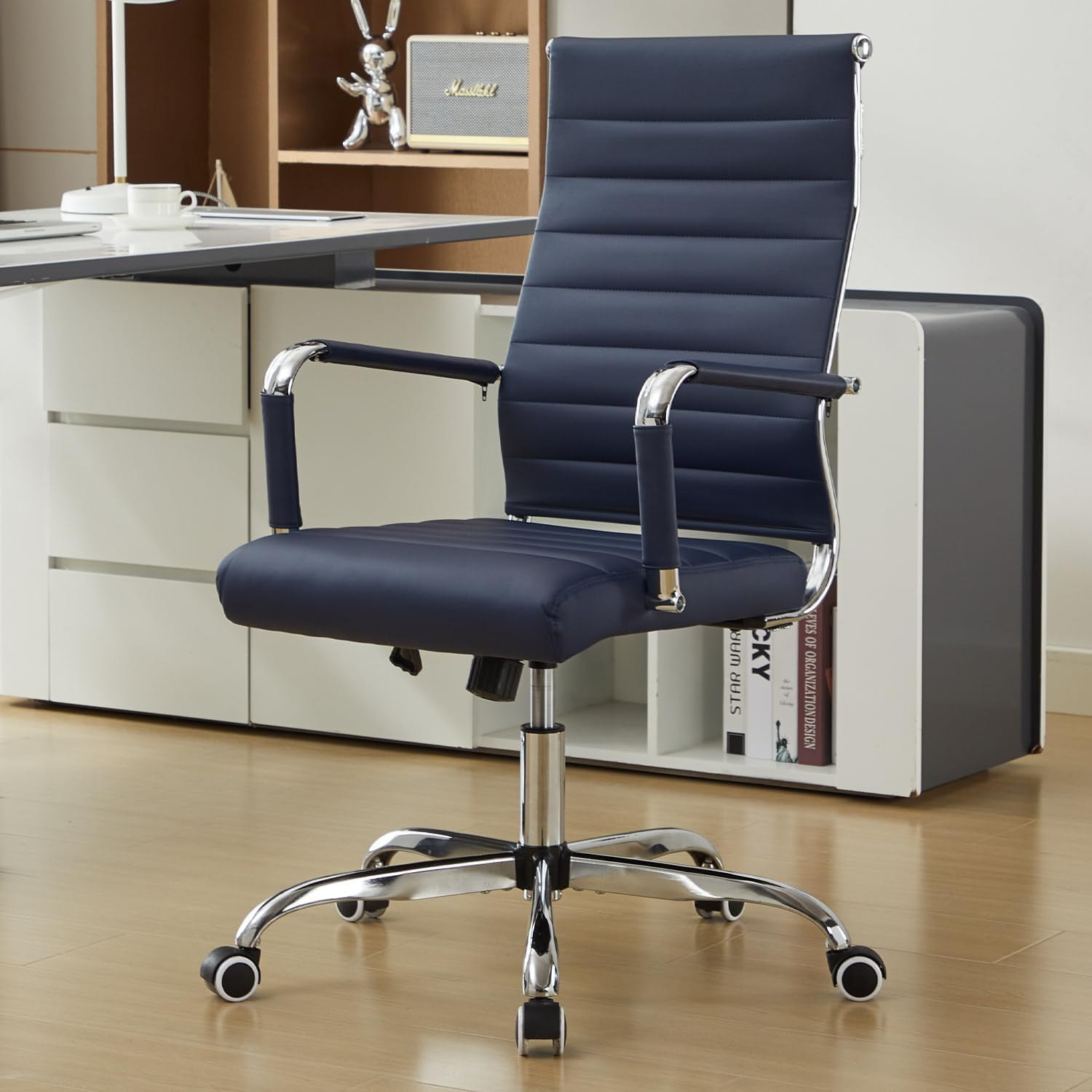
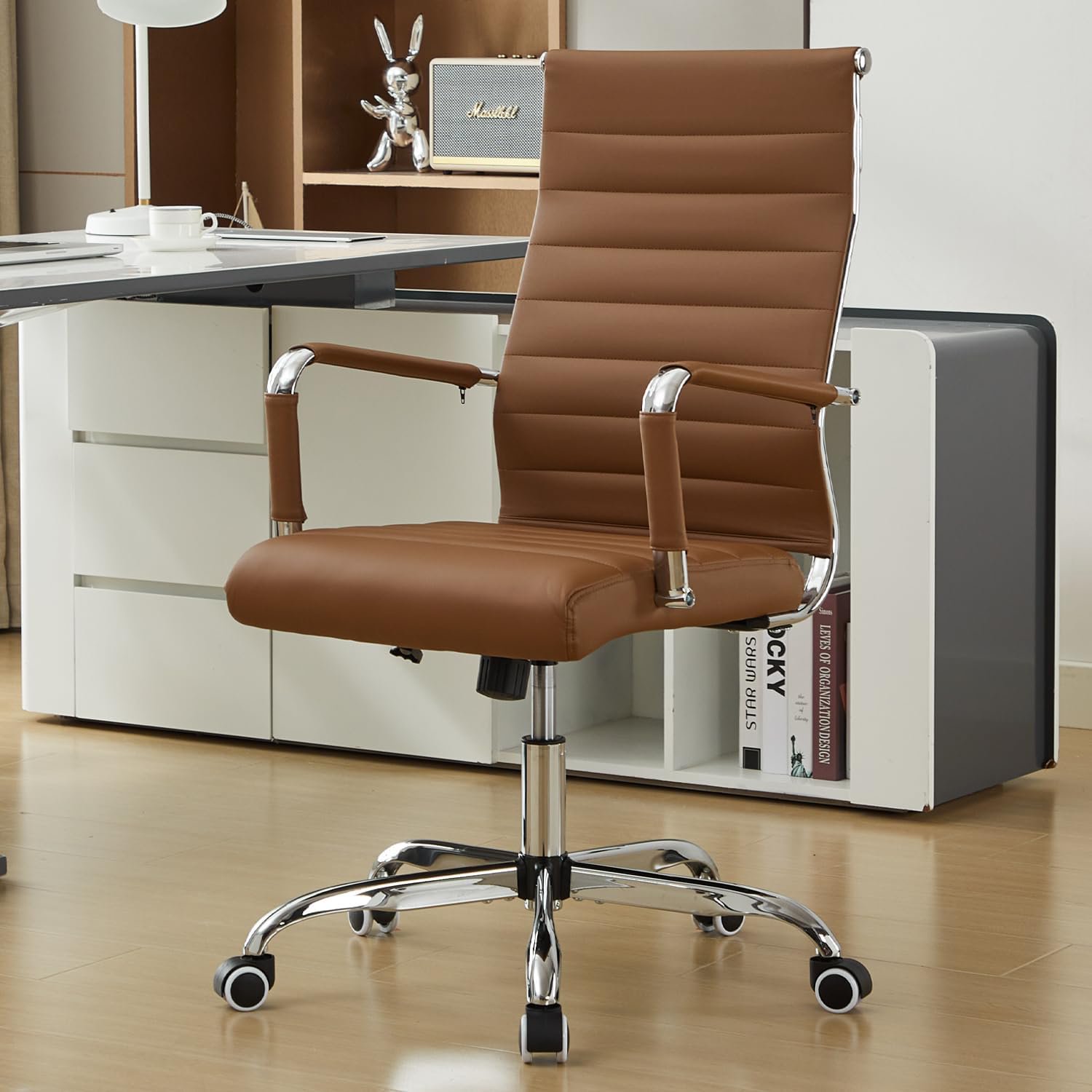
- Aesthetic Harmony: They often feature design cues from the executive's own chair, such as stitching patterns, wood finishes, or chrome accents, creating a cohesive and curated office look.
Leather vs. Fabric vs. Mesh: Choosing the Right Upholstery for Guest Seating
The debate over materials is even more critical for guest chairs because they are subject to public view and use. Let's break down the best applications for each:
Leather & Faux Leather
- Best For: Executive suites, law firms, financial advisors.
- Advantages: Projects immediate luxury and authority. Extremely easy to wipe clean. Develops a rich patina over time (genuine leather).
- Consideration: Can be warm; requires conditioning in dry climates. Faux leather options are budget-friendly but may peel after several years.
High-Performance Fabric
- Best For: Creative agencies, tech startups, general waiting areas.
- Advantages: Available in a vast array of colors and patterns to match brand identity. Highly breathable and comfortable. Modern stain-resistant treatments make cleaning easier than ever.
- Consideration: Can absorb odors and may show wear patterns faster than leather in extremely high-turnover areas.
Premium Mesh
- Best For: Modern conference rooms, tech offices, warm climates.
- Advantages: Offers a sleek, contemporary look. Exceptional breathability prevents guests from feeling too warm. Often lighter in weight and easy to move.
- Consideration: May not convey the same level of traditional "executive" weight as leather. Cleaning requires gentle vacuuming to remove dust from mesh pores.
Functional Features to Look For
While guest chairs lack the complex mechanisms of an ergonomic task chair, they still possess features that enhance the user experience. When evaluating options, consider this checklist:
- Frame Construction: Look for kiln-dried hardwood or reinforced metal frames. A sturdy frame prevents wobbling and ensures the chair lasts for years.
- Seat Cushion Density: High-density foam (2.5 lbs or higher) resists sagging and maintains its shape even after hundreds of sittings. This is a hallmark of a commercial-grade guest chair.
- Armrest Style: Continuous arms that flow into the backrest offer a sleek look, while padded arm caps add comfort. Ensure the height allows guests to sit comfortably at a 30-inch high conference table.
- Base Options: Guest chairs typically come with four legs (often with nylon glides to protect floors) or a simple swivel base. Swivel bases add a touch of flexibility for guests to turn towards a speaker.
The Psychology of Seating: Making Guests Feel Welcome
Believe it or not, the physical characteristics of a guest chair can subconsciously affect how a visitor perceives your hospitality. A chair that is too low can make a person feel small or childlike. A chair with a very hard seat may unconsciously rush a conversation. Executive guest chairs are designed with a "Goldilocks" principle in mind: the seat height should be around 18-19 inches from the floor, allowing most people to sit with their feet flat. The seat depth (typically 18-20 inches) should support the thigh without pressing behind the knee. This neutral, supportive posture puts guests at ease, fostering better communication and a more positive association with your business.
Integrating Guest Chairs into Different Office Zones
The role of a guest chair changes depending on where it's placed. Here’s how to tailor your choice for specific environments:
Long-Term Value: Commercial vs. Residential Grade
When shopping for executive guest chairs, one of the most important distinctions is the grade of construction. Residential-grade chairs are fine for a home office but will likely fail under the constant use of a corporate environment. Commercial-grade guest chairs are built to withstand heavy use, passing rigorous ANSI/BIFMA standards for safety and durability. These standards test for things like stability, strength, and the durability of the upholstery. Investing in BIFMA-certified chairs ensures that your seating solution is an asset, not a recurring expense.
Frequently Asked Questions About Executive Office Guest Chairs
Conclusion: Elevating the Guest Experience
Choosing the right executive office guest chairs is a strategic decision that blends aesthetics, comfort, and durability. It's an investment in your brand's image and the comfort of the people who matter most to your business—your clients, partners, and team members. By prioritizing quality construction, appropriate materials, and ergonomic support, you create an environment that speaks volumes about your professionalism and attention to detail. Whether you opt for the timeless elegance of leather or the modern breathability of mesh, the perfect guest chair is out there waiting to welcome your next visitor.