
Why Choose an Office Chair with a Long Back?
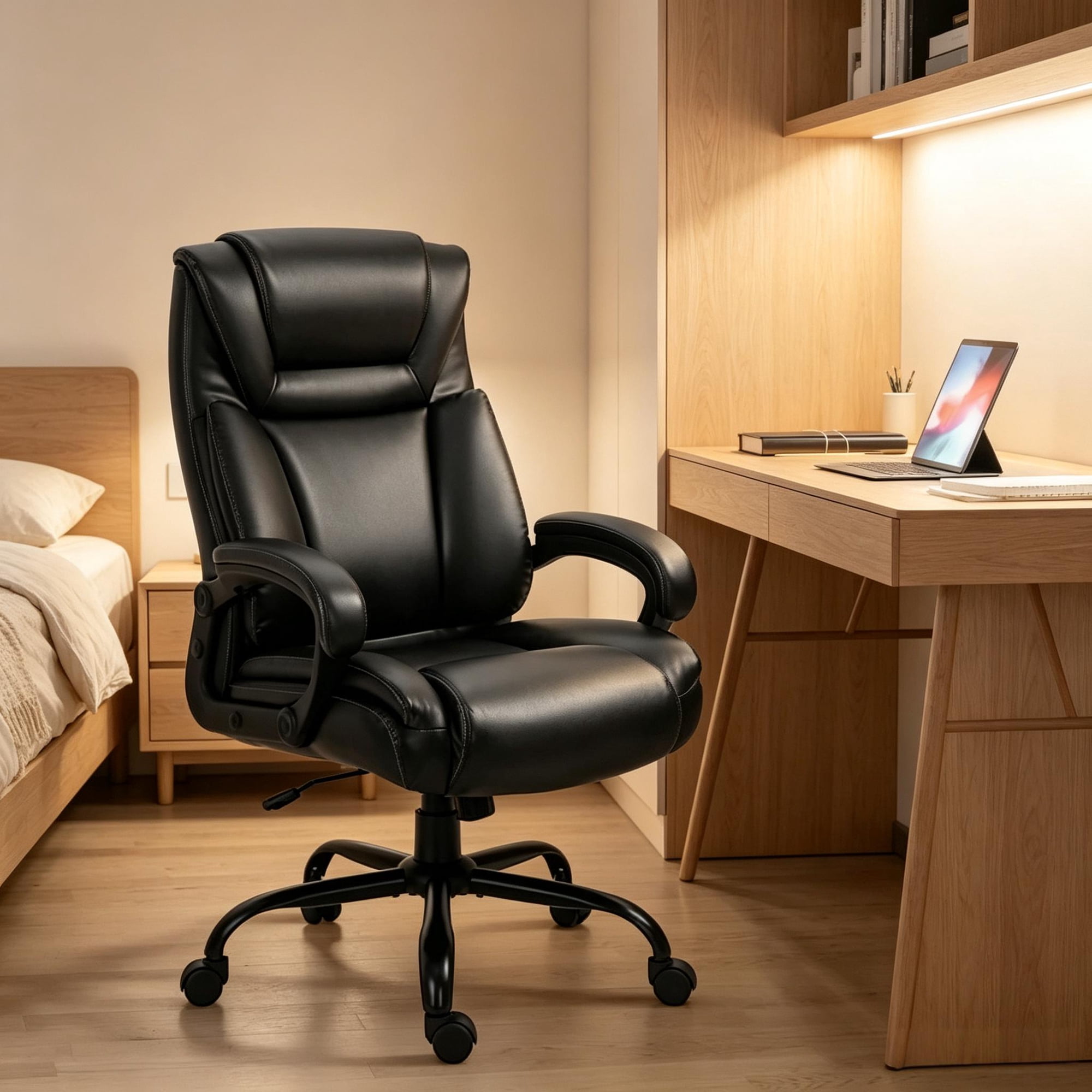
Imagine your spine as a chain: if one link is out of alignment, the whole structure weakens. Standard office chairs often support only the lower back, leaving the upper back and neck to fend for themselves. An office chair long back acts like a full-chain support system, cradling your entire posterior chain from pelvis to shoulder blades—and often your head too. According to ergonomic studies from the National Institutes of Health, supporting the thoracic spine (upper back) can reduce shoulder tension by up to 30% and improve overall sitting posture.
For professionals spending 8+ hours at a desk, a long-back chair isn't a luxury—it's a tool for sustained energy and focus. It provides a continuous surface that encourages your spine to maintain its natural S-curve, preventing the dreaded afternoon slump.
The Anatomy of a Quality Long-Back Office Chair
Not all high-back chairs are created equal. A true "office chair long back" incorporates specific design elements:
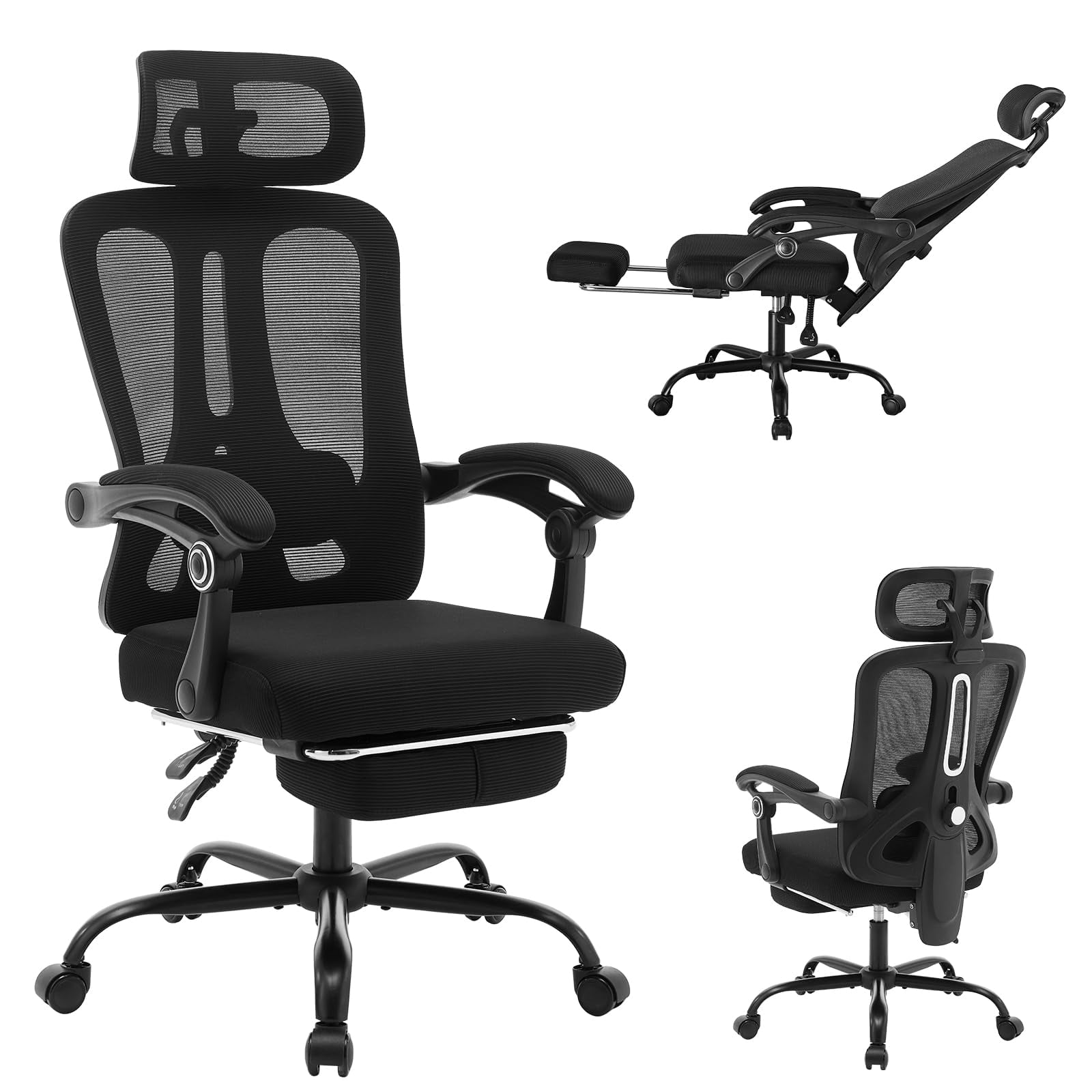
- Extended Backrest Height: Typically 22 inches or more from seat to top, ensuring support for shoulders even for users over 6 feet tall.
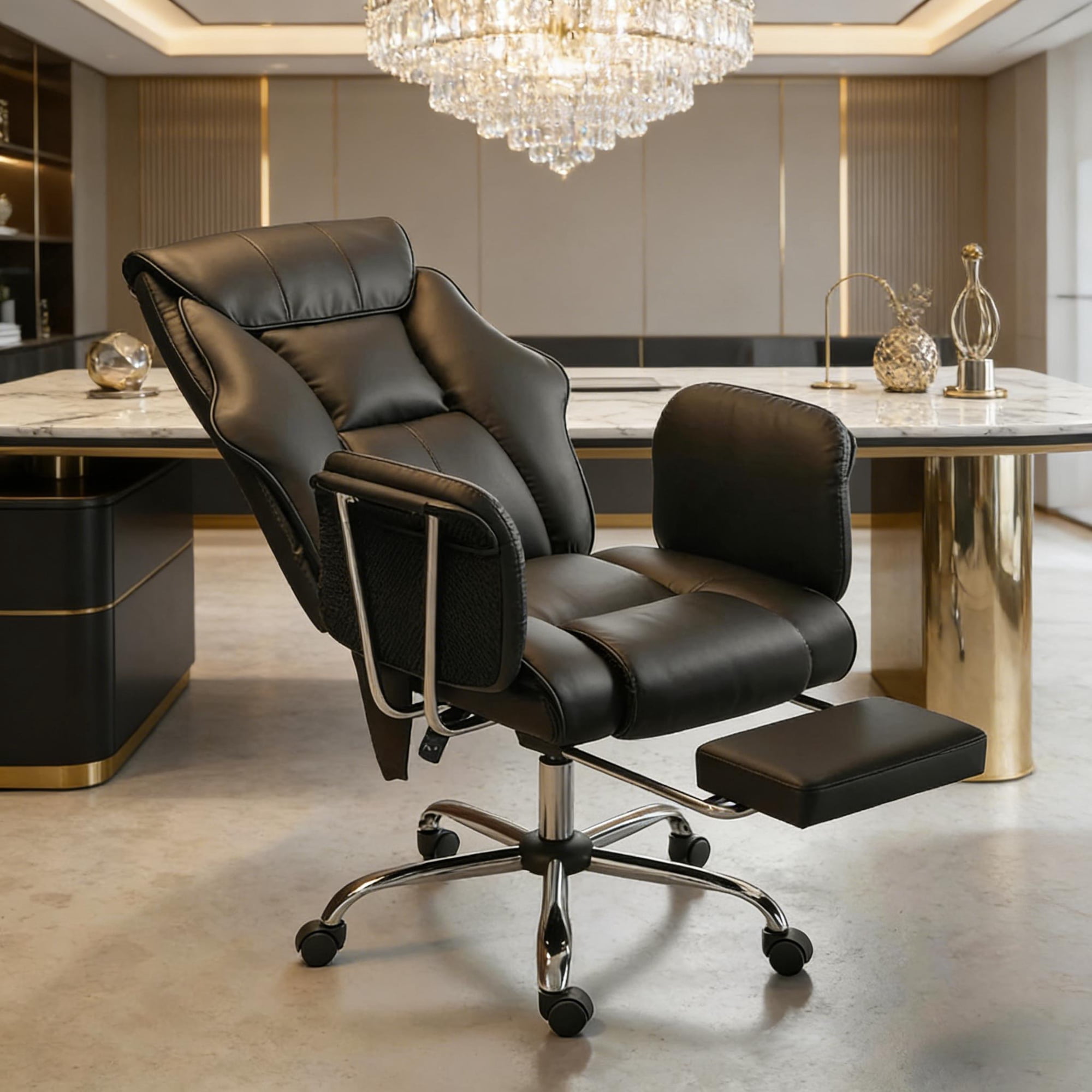
- Integrated Headrest (adjustable): Crucial for neck relief during micro-breaks or when reclining.
- Dual or Triple Lumbar Zones: Some advanced models have separate adjustments for lower and upper back curvature.
- Reinforced Frame: Because the taller back experiences more leverage, a steel or heavy-duty composite frame is essential for durability.
Who Needs a Long Back? (It’s Not Just for Tall People)
While tall individuals often require a long back to avoid the chair ending mid-shoulder blade, many average-height users prefer them. Here’s a quick self-assessment:
- • Do you experience neck stiffness by midday?
- • Do you find yourself wishing for something to rest your head on while thinking?
- • Do you sit in a cross-legged position occasionally? (A long back keeps you upright).
- • Is your current chair’s backrest shorter than your upper torso?
If you answered "yes" to any, a long-back chair could be your ergonomic match.
Long Back vs. Mid Back: A Clear Comparison
| Feature | Long-Back Chair | Mid-Back Chair |
|---|---|---|
| Spine support | Full spine (including upper back) | Lumbar to mid-back only |
| Headrest | Usually included or optional | Rarely compatible |
| Ideal for | Long hours, neck/shoulder issues, tall users | Task work, shorter durations, users who move a lot |
| Recline comfort | Excellent (supports head during recline) | Good but head may be unsupported |
Material Matters: Mesh vs. Leather vs. Fabric in Long-Back Chairs
The material of a long back affects breathability and maintenance. Because the back is larger, heat buildup can be an issue. Here’s how they compare:
Mesh Long Back
- ✓ Maximum airflow – keeps you cool
- ✓ Conforms to spine shape
- ✓ Lightweight, modern look
- ⚠ May offer less cushioning for upper back
Leather / Faux Leather
- ✓ Premium executive appearance
- ✓ Easy to wipe clean
- ✓ Durable if quality leather
- ⚠ Can get hot; look for perforated versions
Fabric Long Back
- ✓ Soft, cozy feel
- ✓ Good breathability (depends on weave)
- ✓ Color variety
- ⚠ May stain and require professional cleaning
5 Critical Adjustments for a Perfect Fit
To truly benefit from a long-back chair, adjustability is key. Use this checklist when evaluating options:
- Headrest height & angle: Should support the curve of your neck, not push your head forward.
- Lumbar depth: Ability to increase or decrease the curve that pushes into your lower back.
- Backrest height: Some chairs allow you to raise/lower the entire back relative to the seat.
- Seat depth: Ensures you can sit with 2-3 finger gaps behind your knees.
- Tilt tension & lock: Long-back chairs need robust tilt mechanisms to handle the higher center of gravity.
Health Benefits Backed by Data
A study published in Applied Ergonomics (2022) indicated that participants using high-back chairs with head support reported 27% less neck discomfort at the end of the work week compared to those using standard mid-back chairs. The continuous support reduces the static load on trapezius muscles. Additionally, the long back acts as a physical prompt to maintain a neutral spine, reducing the risk of thoracic kyphosis (excessive rounding) over time.
Long Back Chairs and Sciatica/Back Pain
While lumbar support is critical for sciatica, a long back adds stability. Think of it like this: the long back is the frame of a window, and your spine is the glass. The frame keeps the glass from bending. For individuals with herniated discs or general back sensitivity, the extra surface area distributes pressure more evenly, reducing focal points of strain.
Frequently Asked Questions About Long-Back Office Chairs
Conclusion: Invest in Your Spine's Future
Choosing an office chair long back is a decision to prioritize long-term health over short-term cost. It’s about recognizing that your spine deserves support from top to bottom. Whether you’re a CEO pulling 10-hour days, a developer deep in code, or a hybrid worker shifting between tasks, a high-quality long-back chair pays dividends in comfort and reduced fatigue.
Remember to pair your chair with proper desk ergonomics: monitor at eye level, feet flat on the floor, and take movement breaks. Your chair is the foundation—build your healthy workspace upon it.
Final tip: When testing a long-back chair, sit in it for at least 15 minutes. Feel if the top of the backrest hits your shoulder blades comfortably. Check if the headrest (if any) supports your neck without jutting forward. A great long-back chair should feel like a supportive hug, not a constraint.