
Why a High Top Office Chair Might Be Your Best Ergonomic Move
Imagine trying to conduct an orchestra while sitting on a child’s stool—your knees would hit the music stand, your back would curve, and you'd lose all rhythm. That's exactly what happens when you use a standard office chair with a standing desk or when you're taller than average. A high top office chair (often called a drafting chair or tall office chair) is the solution. It bridges the gap between standing and sitting, allowing you to maintain proper ergonomics regardless of your desk height.
According to ergonomics data from the Human Factors and Ergonomics Society, mismatched seat height is a leading cause of shoulder and neck strain among office workers. For every 2 inches a chair is too low, spinal disc pressure increases by nearly 15%. High top chairs eliminate this gap. They're not just taller—they're engineered with extended pneumatic cylinders, reinforced bases, and often include adjustable footrings to support your legs at higher elevations.
Key Insight: The global standing desk market has grown by 40% in the last three years, yet many users revert to sitting because standard chairs feel wrong. A high top office chair is the missing link that makes sit-stand work sustainable.
Anatomy of a High Top Chair: Beyond Just a Taller Gas Lift
It’s easy to think a high top chair is just a regular chair with a longer cylinder. But quality manufacturers redesign nearly every component to ensure safety and comfort at height. Let’s dissect the key elements.
1. The Gas Lift Classification
Standard office chairs use Class 2 or 3 gas lifts, providing 4–6 inches of adjustment. High top chairs utilize Class 4 or 5 extra-tall lifts that offer 8–12 inches of travel. These lifts are built with thicker steel walls to prevent buckling under load when fully extended. Look for lifts certified by BIFMA (Business and Institutional Furniture Manufacturers Association)—this ensures they've passed rigorous stability tests.
- Seat height range: Typically 20" to 32" from floor to seat (compared to 16"–21" for standard chairs).
- Lift class: Class 4 supports up to 330 lbs; Class 5 supports up to 450 lbs at full extension.
- Testing standard: BIFMA X5.1 requires 100,000 cycle tests for gas lifts used in high-top configurations.
2. Base Dimensions & Stability Physics
A taller chair acts like a longer lever. To prevent tipping, the base must be wider. Think of a racing bicycle versus a tall beach cruiser—the cruiser has a wider wheelbase for stability. Quality high top chairs feature 26" to 28" diameter bases (standard chairs are 24"-25"). The material matters too: polished aluminum bases are lightweight yet strong, while nylon bases with metal reinforcement offer budget-friendly durability.
3. The Footring: Your Third Point of Contact
At elevated heights, your feet may dangle, cutting off circulation and stressing your thighs. An adjustable footring solves this. It provides a place to rest your feet, maintaining the 90-90-90 ergonomic posture (feet flat, knees at 90°, hips at 90°). Some advanced models offer 360-degree rotating footrings or flip-up designs so you can tuck them away when using the chair at standard height.
4. Caster Size and Floor Protection
Taller chairs often come with larger casters (3" instead of 2") to make rolling smooth and stable. For standing desk users who frequently transition from sitting to standing, locking casters are a game-changer—they prevent the chair from rolling away when you stand up. Dual-wheel casters are preferred for carpet, while soft rubber casters protect hardwood floors.
When evaluating a high top chair, follow this quick checklist:
- Measure your desk height at its highest setting. Add 10–12 inches to estimate required seat height.
- Check the chair’s max seat height—ensure it exceeds your desk height by at least 2 inches for comfortable arm positioning.
- Verify the footring adjustment range—it should align with your seated knee height.
- Look at the warranty on the gas lift—5 years or more indicates confidence in durability.
High Top vs. Standing Desk Mats: A Quick Note
Many users pair their high top chair with an anti-fatigue mat. While the mat is great for standing, ensure your chair's casters roll smoothly over it. Hard casters can get stuck on thick mats; softer polyurethane casters glide better. Some premium high top chairs offer "brake" casters that lock when weight is applied, ideal for use on mats.
According to a 2023 survey by the Ergonomic Trends Institute, 68% of standing desk users who switched to a high top chair reported a 50% reduction in lower back discomfort within two weeks. The key factor was the ability to maintain a neutral spine while working at elevated surfaces.
Frequently Asked Questions About High Top Office Chairs
Elevate Your Workspace, Elevate Your Comfort
Choosing a high top office chair is an investment in your long-term physical comfort and productivity. It's not merely about reaching a higher desk; it's about maintaining proper posture, reducing strain, and seamlessly transitioning between sitting and standing throughout your workday. Just as a professional driver wouldn't use a car with a seat that doesn't adjust, you shouldn't compromise on the foundation of your workspace.
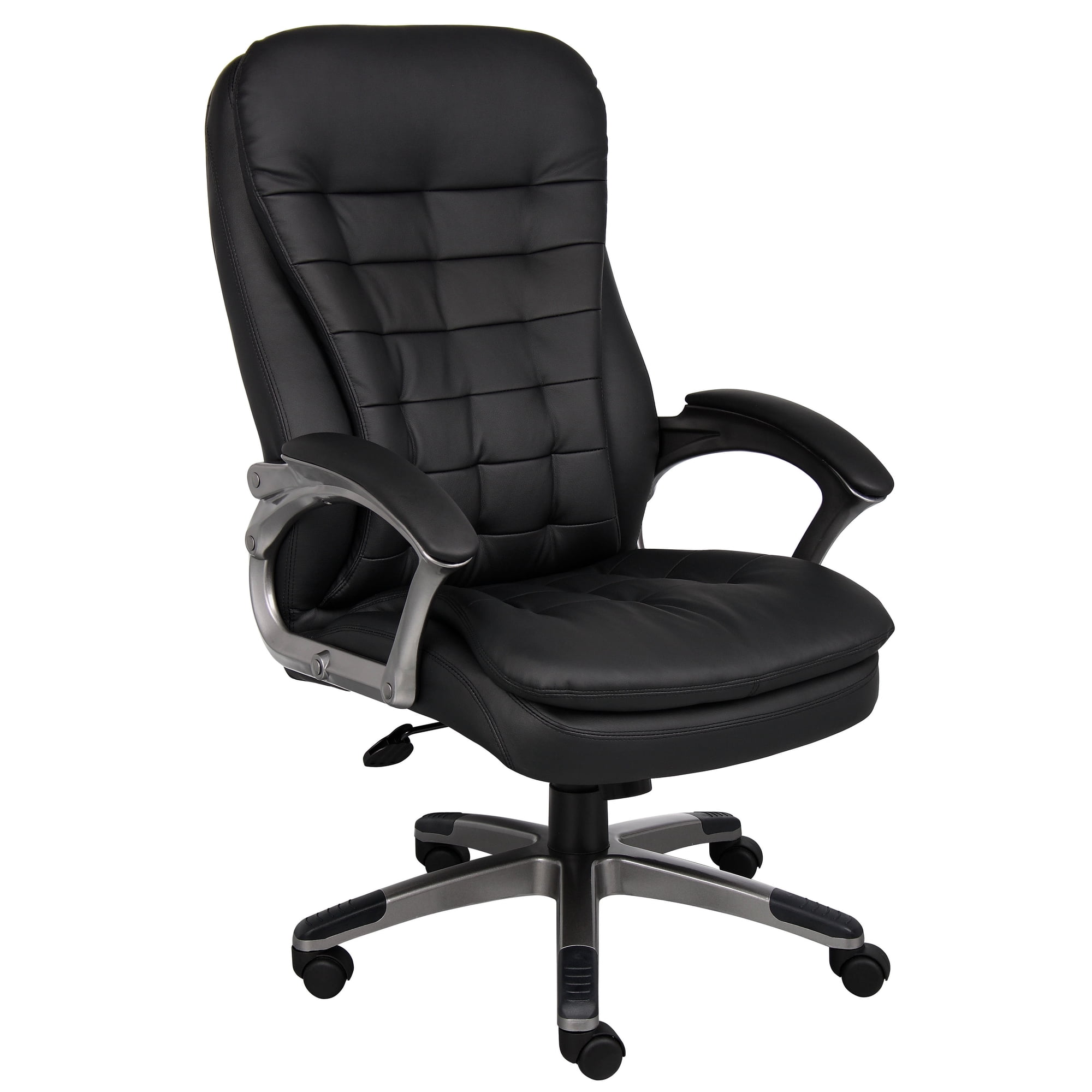
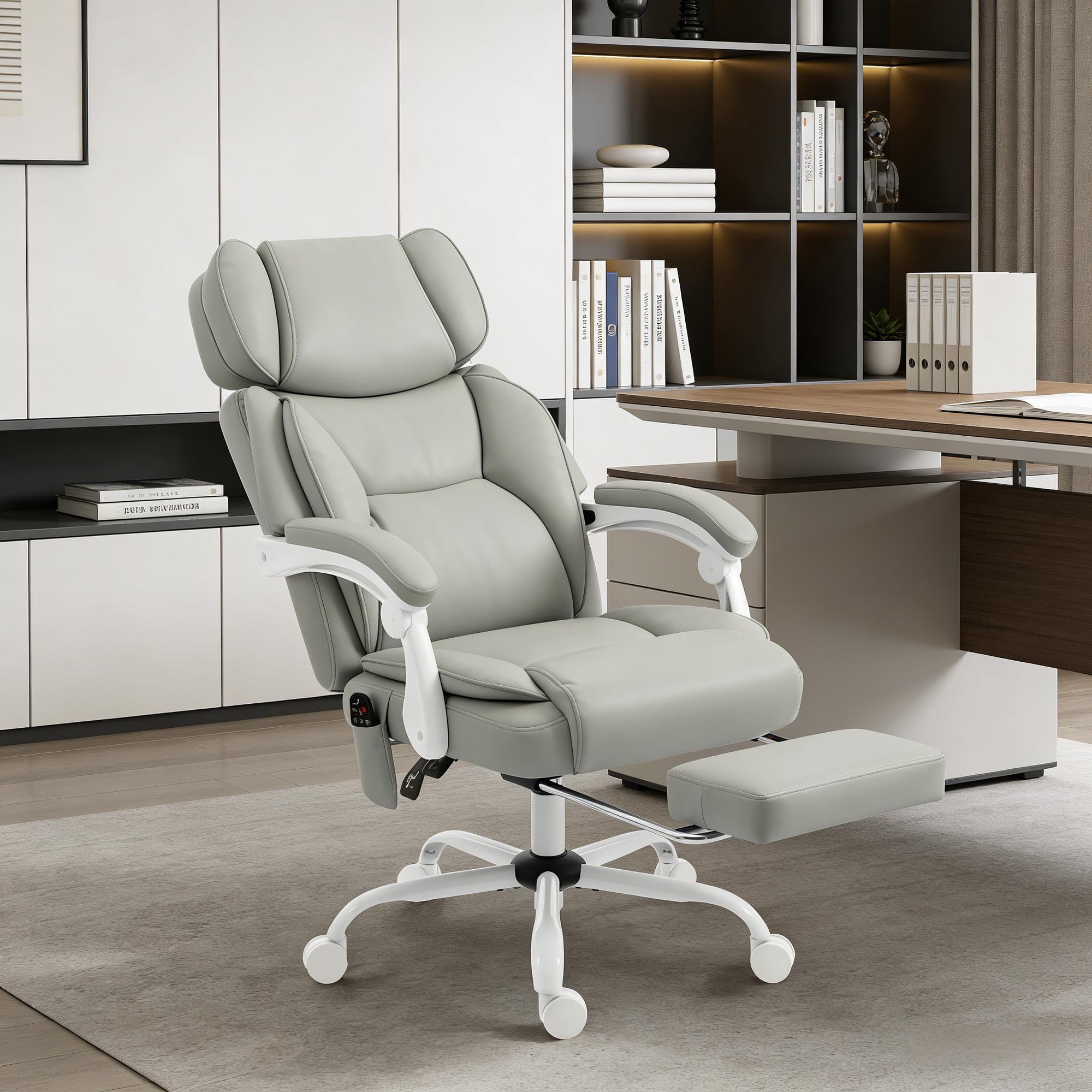
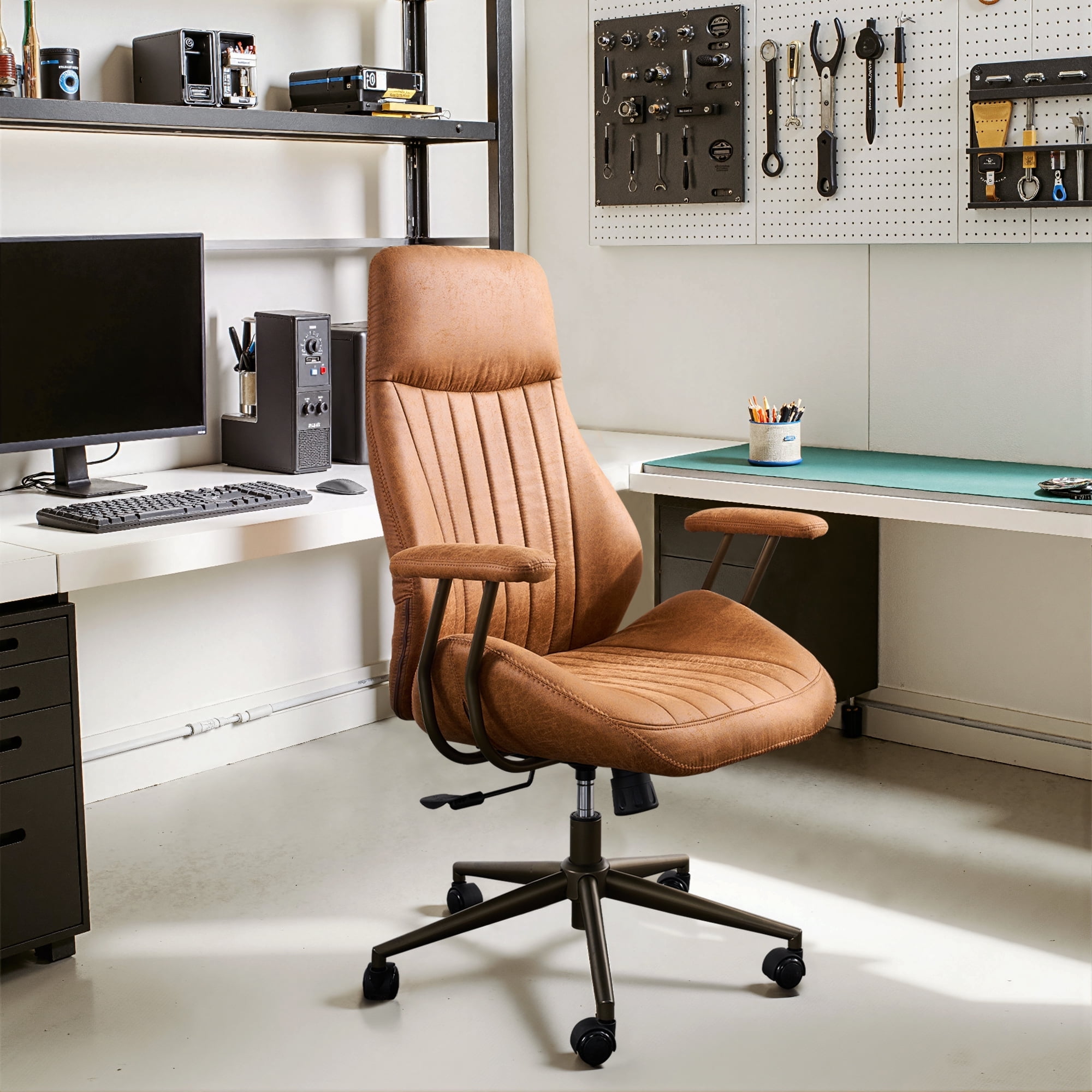
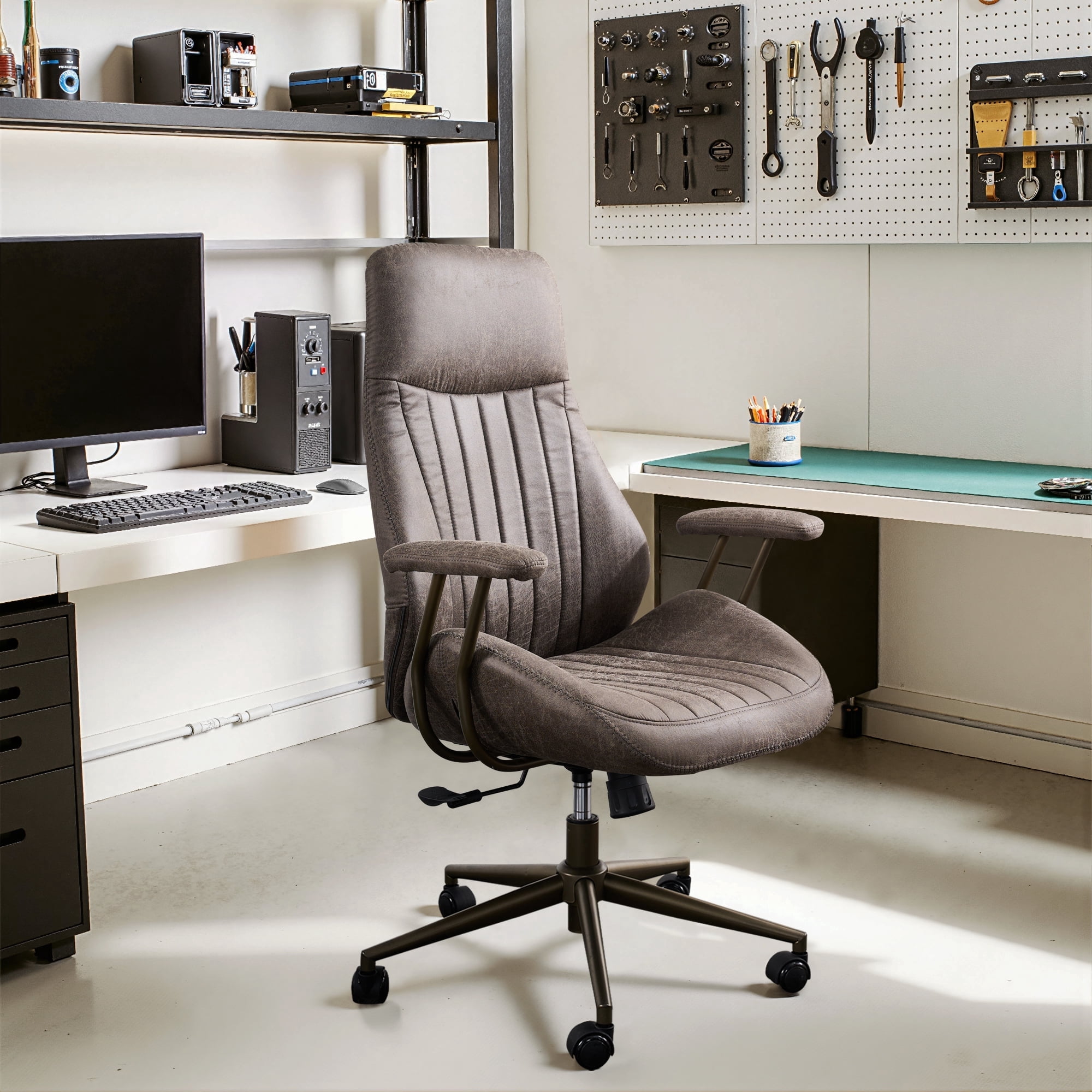
Start by identifying your needs: measure your standing desk height, consider your own height, and prioritize features like a sturdy footring and a BIFMA-certified gas lift. The models you see above represent the market's best—combining style, safety, and ergonomic innovation. Remember, a well-chosen high top chair will serve you for years, making every work session more focused and comfortable.