
The Tall Person's Dilemma: Why Standard Chairs Don't Work
Imagine buying a suit where the sleeves stop three inches above your wrist. That's the daily reality for tall individuals in standard office chairs. The backrest ends mid-spine, the seat feels like a stool, and the headrest—if there is one—prods the back of your head, forcing your chin toward your chest. According to a study in the journal Applied Ergonomics, users over 6 feet tall report 73% more discomfort in standard seating compared to average-height users. This isn't just about feeling cramped; it's about long-term spinal health. When your chair doesn't fit, your body compensates by slouching, hunching, or perching on the edge—all recipes for back pain, neck strain, and fatigue. This guide is dedicated to finding a tall office chair that fits you, not the other way around.
The Critical Dimensions: What 'Tall' Really Means for a Chair
A "tall office chair" isn't just a marketing label; it's a specific set of dimensional changes. Here's what you need to measure and look for.
1. Backrest Height: The Spine's Full Support
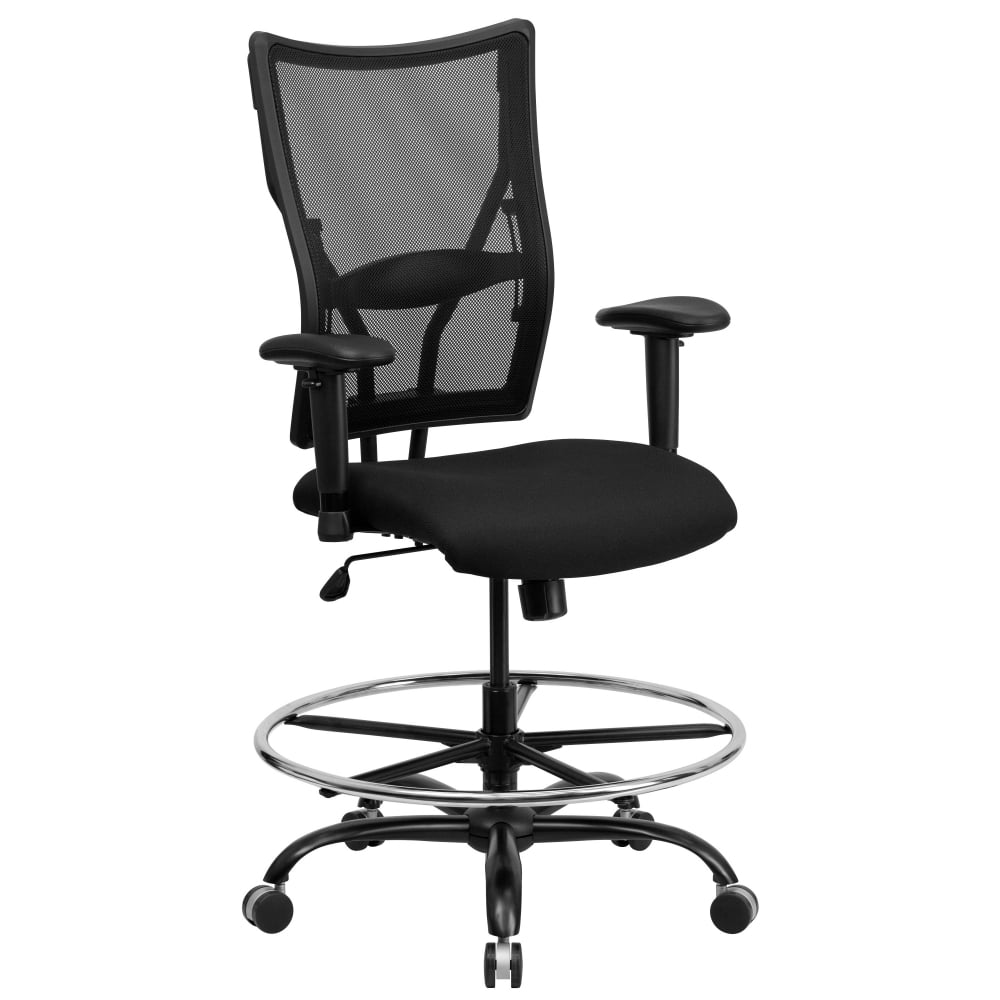
This is the most critical feature. Standard backrests are typically 20-22 inches tall. For a tall user (over 6'2"), this places the top edge somewhere in the middle of your shoulder blades, creating a painful pressure point and offering zero support for your upper back. Look for a backrest height of at least 24 inches, ideally 26-30 inches. This ensures the chair supports your entire thoracic spine, allowing your shoulders to relax back naturally. Some chairs specify "back height" as the distance from the seat pan to the top of the backrest—this is the number you need.
2. Seat Depth: Thigh Support Without Pressure
Taller individuals typically have longer femurs (thigh bones). A standard seat depth of 17-19 inches often leaves the thighs unsupported, forcing you to sit forward. Conversely, a seat that's too long can press against the back of your knees. The ideal for tall users is a seat depth of 20-22 inches. The gold standard is adjustable seat depth, which allows you to slide the seat pan forward or back to achieve the perfect 2-3 finger gap behind your knee, ensuring full thigh support without impairing circulation.
24" - 30"+
Measured from seat pan. Supports entire back, prevents shoulder blade pressure.
20" - 22"
Provides proper thigh support. Adjustable depth is the premium feature to seek.
19" - 23"+
Higher max height allows tall users to have thighs parallel to the floor.
3. Headrest: The Neck's Best Friend
A headrest on a standard chair is often useless—or even detrimental—for a tall person. It hits you in the wrong spot. For a tall office chair, the headrest must be adjustable in height and angle. You need to be able to raise it so it cradles the back of your head (the occipital bone), not your neck or the top of your shoulders. This allows you to lean back occasionally and relax your neck muscles, a crucial feature for preventing tech neck and tension headaches.
Anatomy of a Tall User's Posture
Your 4-Step Tall Office Chair Buying Checklist
Don't rely on marketing photos. Use this checklist to vet the specifications of any chair you consider.
- Check the Backrest Height Spec: Look for the exact measurement from seat to top. 24" is the minimum; 26"+ is ideal for users over 6'4".
- Verify Seat Depth Range: If adjustable, what are the min and max depths? For fixed depth, is it at least 20 inches?
- Look at Maximum Seat Height: The chair should adjust high enough so your knees are at 90 degrees with feet flat. Aim for a max of 21-23 inches.
- Examine the Headrest Adjustment: Does it move up/down and tilt? Can you position it to support the back of your head, not your neck?
The Tall, Slim Challenge: Not Just 'Big and Tall'
Many chairs marketed for larger individuals also offer high backrests, but they come with very wide seats (24+ inches). If you're tall but have a slim build, a wide seat can feel like a bench, reducing support and making it hard to reach the armrests comfortably. Seek out chairs specifically designed for "tall" or "extra tall" rather than just "big and tall," or look for models where the seat width is in the standard range (20-22 inches) but the back is extended.
Ergonomic Adjustments: Fine-Tuning for Your Body
Once you have a chair with the right dimensions, proper adjustment is key.
- Lumbar Support: Even with a tall back, the lumbar curve needs to hit your lower back. Ensure it's adjustable in height so you can move it to fit your spine's natural curve.
- Tilt Tension: Tall users have a higher center of gravity. You may need to adjust the tilt tension to be slightly firmer to feel stable when leaning back.
- Armrests: 4D armrests (height, width, depth, pivot) are incredibly valuable for tall users to find a comfortable position that supports elbows without lifting shoulders.
Long-Term Benefits of a Properly Fitted Chair
Investing in a tall office chair is an investment in your career longevity. A 2019 survey by the American Chiropractic Association found that 80% of the population will experience back pain at some point, with poor ergonomics being a leading contributor. For tall individuals, the risk is magnified. A chair that fits correctly promotes better circulation, reduces muscle fatigue, and allows you to focus on your work instead of your aching shoulders. It's not a luxury; it's a necessity for maintaining physical health during decades of desk work.
Frequently Asked Questions About Tall Office Chairs
Conclusion: Find Your Fit, Find Your Comfort
Finding the right tall office chair is about reclaiming your comfort and protecting your health. It's about moving from a world of one-size-fits-none to a world of personalized support. Remember the three pillars: an extended backrest (24"+), adequate seat depth (20"+), and an adjustable headrest. Don't settle for a chair that leaves you slouching, perching, or in pain. Use the checklist, scrutinize the specifications, and invest in a chair that recognizes and supports your full height. Your spine, shoulders, and focus will thank you for it.