
The Enduring Legacy of Brown Leather in the Executive Suite
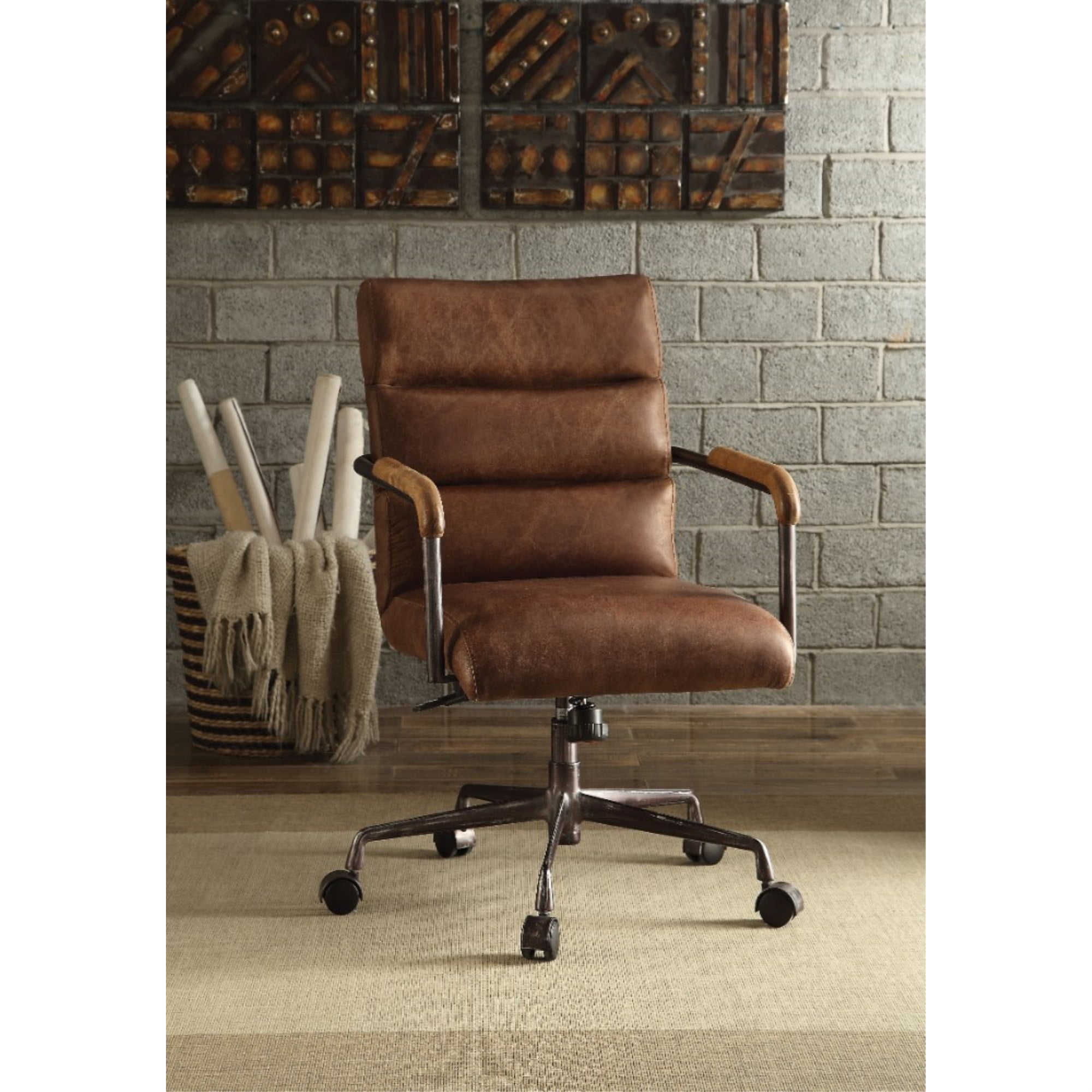
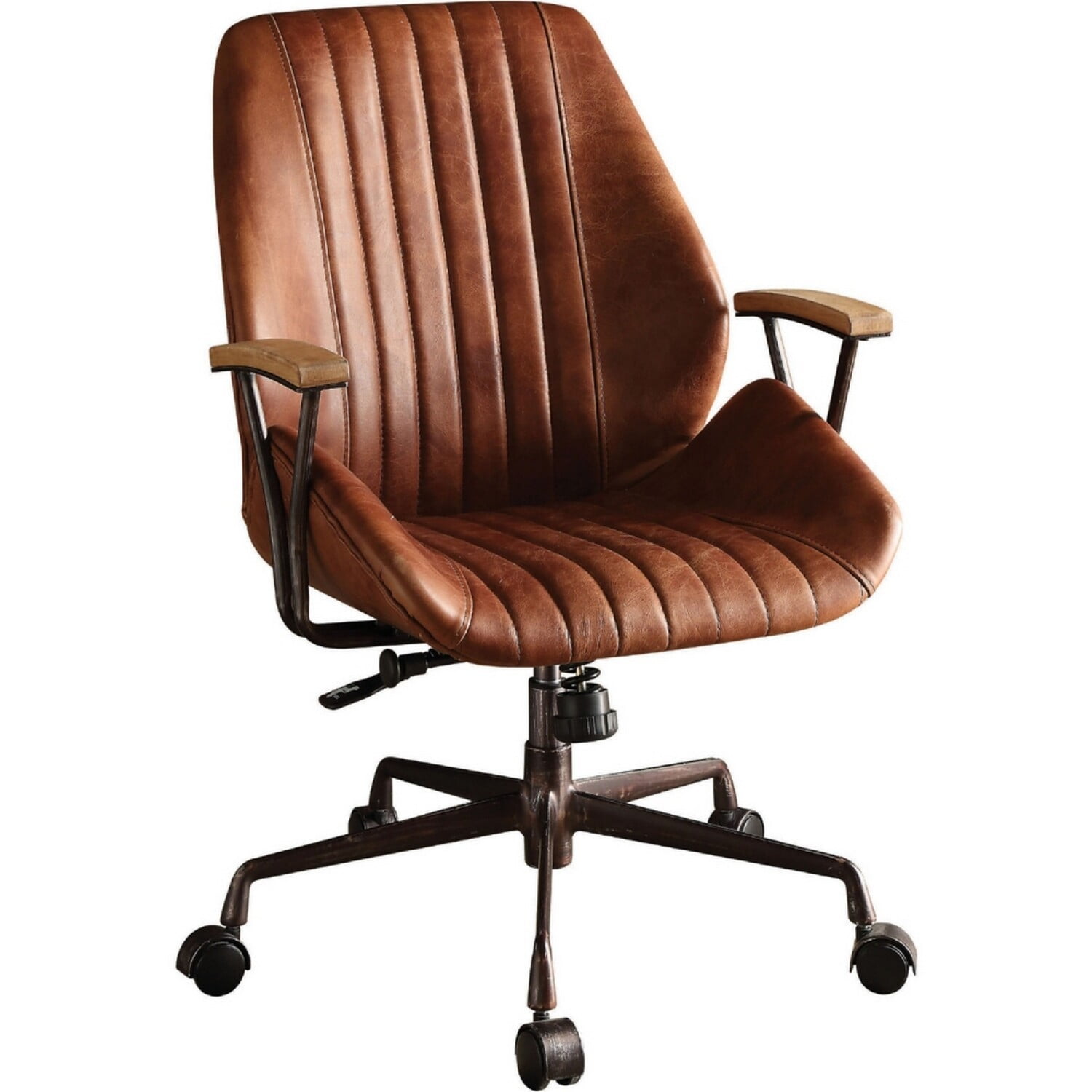
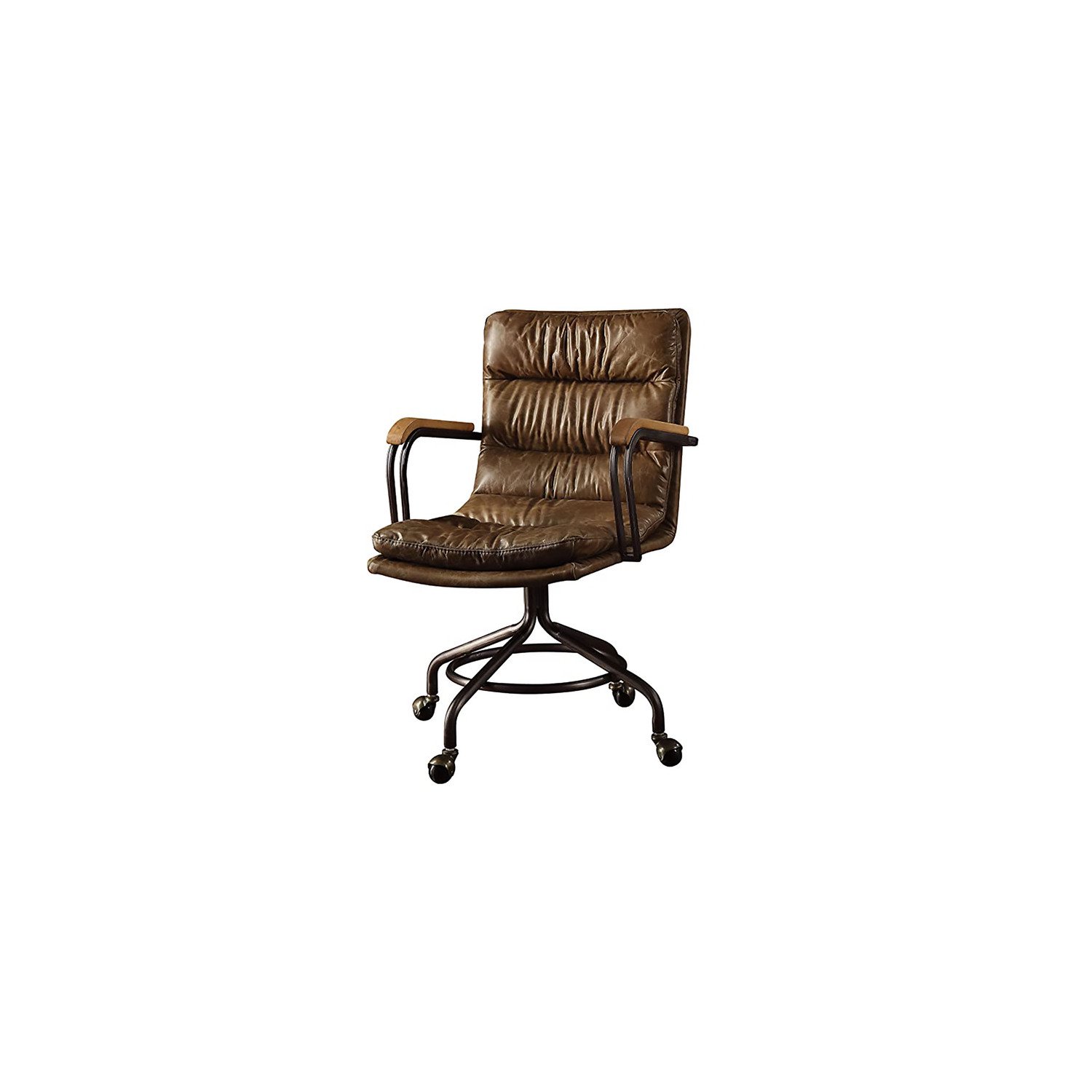
Imagine a chair that doesn't just support your back but also anchors your entire office with quiet authority. A brown leather executive office chair is that piece. It's the difference between a generic workstation and a command post. Unlike fleeting trends, brown leather has furnished the offices of leaders for over a century. It speaks of experience, reliability, and a discerning eye for quality. But beyond its distinguished appearance, today's brown leather executive chair is a marvel of ergonomic engineering, designed to keep you comfortable and focused during the most demanding workdays.
The Patina of Leadership: Just as a well-worn leather briefcase tells a story, a high-quality brown leather chair develops a unique patina over time—a rich, soft sheen that makes it unmistakably yours. This isn't wear and tear; it's character. According to a survey by the American Home Furnishings Alliance, 68% of executives believe that a classic leather chair enhances their professional credibility during in-person and video meetings.
Anatomy of Distinction: What Makes a Great Brown Leather Executive Chair?
Choosing the right brown leather chair requires looking beyond the surface. Here’s a deep dive into the elements that separate a true investment from a mere piece of furniture.
1. The Leather Lexicon: Grades & Origins
The term "leather" is broad. For an executive chair, you'll typically encounter these types. Knowing the difference ensures you pay for genuine quality.
| Leather Type | Characteristics | Best For |
|---|---|---|
| Full-Grain | The highest quality. Uses the entire hide, including natural markings. It's incredibly durable and develops a beautiful patina. Most expensive. | The CEO or leader who wants a heirloom-quality piece. |
| Top-Grain | The second-highest grade. The surface is sanded to remove imperfections, making it more uniform and slightly less breathable, but still very durable and luxurious. | The perfect balance of luxury and practicality for daily executive use. |
| Genuine Leather | A lower grade made from the fibrous parts of the hide. It's less durable and has a more uniform, coated texture. Often used in lower-priced "leather" chairs. | Budget-conscious offices wanting the look of leather without the long-term investment. |
| Bonded Leather | Made from leather scraps mixed with polyurethane. It's the least durable and can peel over time. Avoid for a true executive chair. | Very short-term or low-use situations only. |
2. The Perfect Shade: From Cognac to Chocolate
The shade of brown dramatically changes the chair's personality and how it fits your space.
- Cognac / Whiskey: Light, warm, and inviting. Pairs beautifully with dark wood or glass desks. It has a modern, vibrant feel while remaining classic. Perfect for creative executives or modern offices.
- Mahogany / Chestnut: A medium, reddish-brown. This is the quintessential "traditional" executive color. It exudes warmth and pairs perfectly with rich mahogany or cherry wood furniture. It's versatile and widely appealing.
- Chocolate / Espresso: Deep, dark, and commanding. This shade grounds a space and offers a more formal, serious tone. It looks stunning against lighter walls and grey or black office furniture. It's excellent for law offices and financial firms.
3. Ergonomics Wrapped in Luxury
A beautiful chair that causes back pain is a poor investment. Modern brown leather executive chairs seamlessly integrate advanced ergonomics. Here’s what to prioritize:
4. The Frame & Mechanism: The Unsung Heroes
A wobbly chair undermines confidence. A true executive chair sits on a foundation of strength.
- Base: A five-star base should be made of solid, polished aluminum or heavy-gauge steel. This ensures stability and a premium look. Avoid plastic bases on a chair in this class.
- Gas Lift: Look for a Class 4 or 5 gas lift, certified by TÜV or BIFMA. This ensures smooth, reliable height adjustment and safety for years.
- Mechanism: A synchronized or multi-function mechanism allows the seat and back to move independently, providing continuous support as you recline. This is a hallmark of a high-quality ergonomic chair.
Spotlight: Why Brown Leather is a Sustainable Choice
Leather is often a byproduct of the food industry. Choosing a high-quality leather chair is a form of investing in durability over disposability. A cheap faux leather chair might end up in a landfill in 3 years, peeling and broken. A well-crafted full-grain leather chair, properly cared for, can be restored and re-used for decades, reducing long-term waste. It's the ultimate "buy it for life" office furniture.
5. Styling Your Brown Leather Executive Chair
How does this classic piece fit into your specific office?
- For the Traditional Office: Pair a deep brown leather high-back chair with a solid mahogany desk, brass accents, and bookshelves filled with leather-bound volumes. Add a Persian rug for warmth.
- For the Modern/Transitional Office: Choose a cognac or chestnut leather chair with clean lines. Place it behind a sleek white or glass desk. The warm leather provides a beautiful contrast to the cool, minimalist environment.
- For the Home Office: A brown leather chair can make a home office feel less corporate and more like a library or study. Pair it with warm wood tones, soft lighting, and personal artifacts for a space that's both productive and inviting.
Designer Tip: Don't be afraid to mix metals. A brown leather chair with a polished chrome base can look incredibly sharp in a contemporary setting, while an antique brass base enhances a vintage or traditional vibe.