
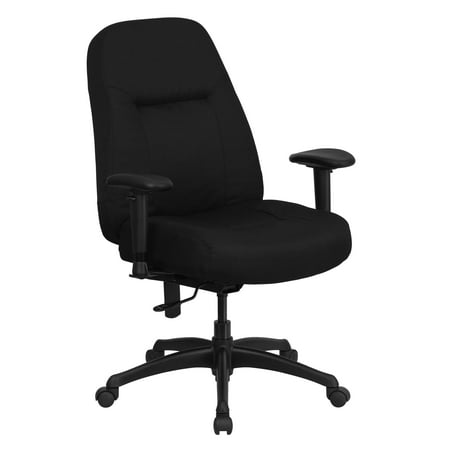
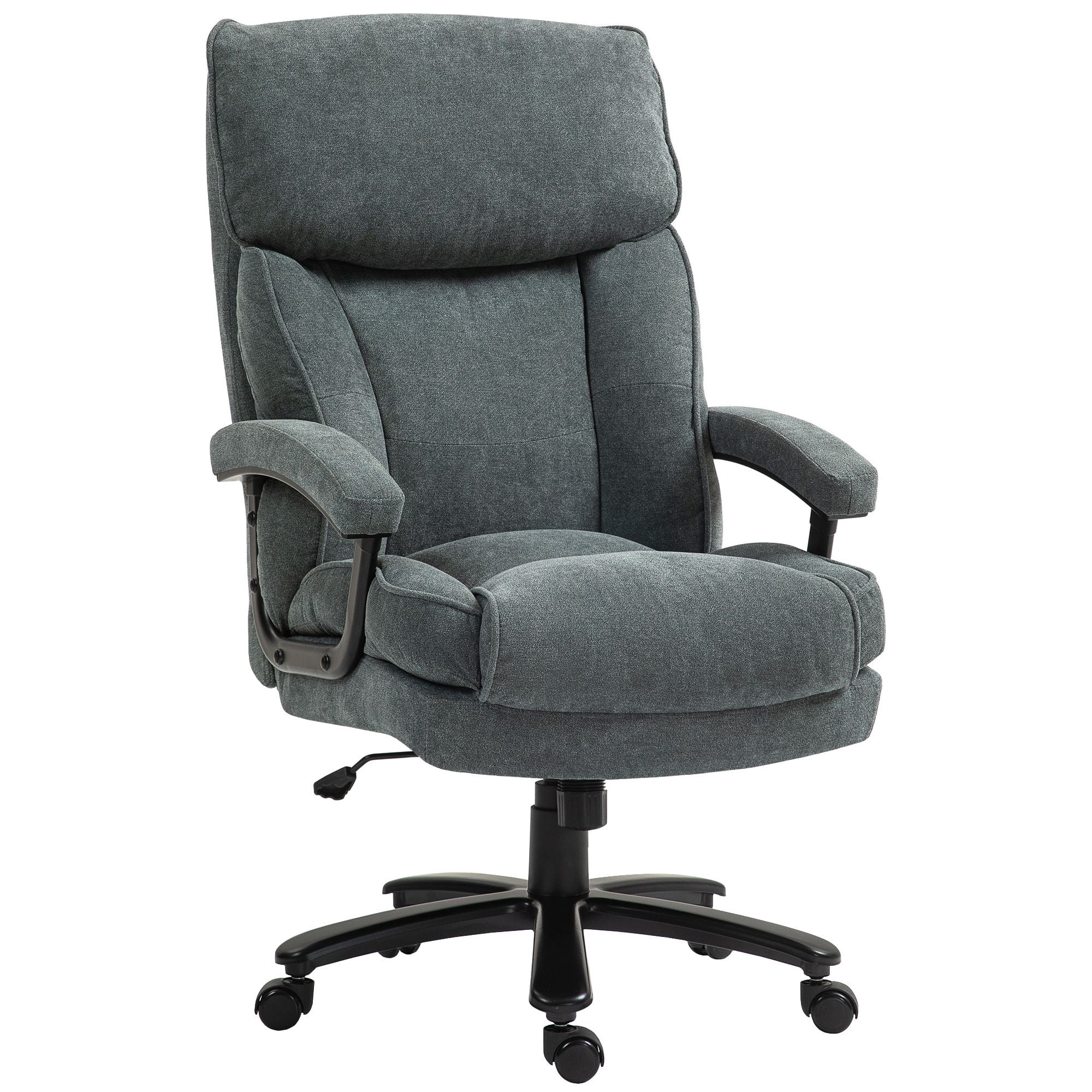
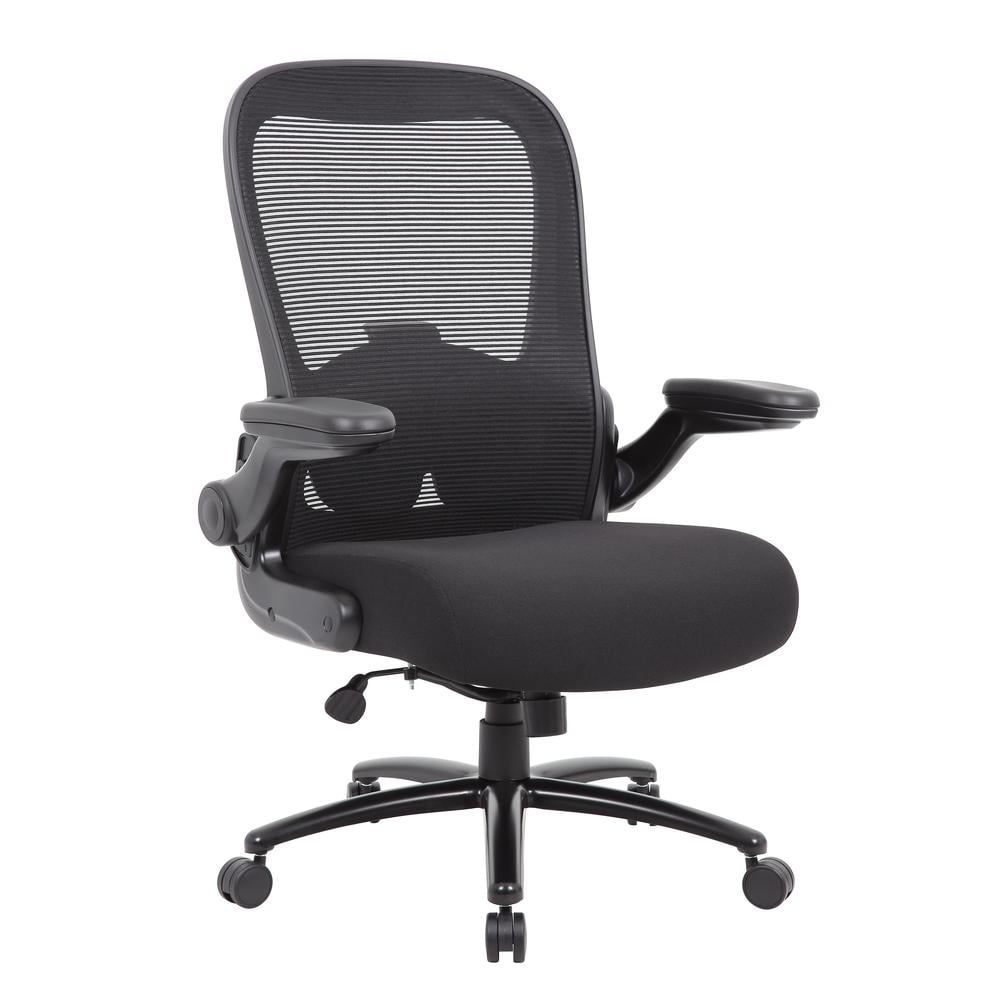
Why a Dedicated Heavy Weight Office Chair Matters
Imagine an office chair as the foundation of a house. If the foundation is too weak, the whole structure becomes unsafe. Standard office chairs typically support up to 250–275 pounds. For individuals above that range, sitting on an under-rated chair is like walking on a cracked slab – risky and uncomfortable. A heavy weight office chair is specifically engineered with reinforced components: wider seat pans, thicker cushions, Class 4 or 5 gas lifts, and larger casters. According to the Bureau of Labor Statistics, proper seating that matches body weight reduces musculoskeletal complaints by over 50%. This isn't just about comfort – it's about long‑term health and workplace safety.
Key Engineering Differences: What Makes a Chair “Heavy Weight”?
Not every big chair deserves the “heavy duty” label. Let’s break down the anatomy of a true heavy weight office chair, so you can spot quality before you buy.
1. Reinforced Frame & Base
Standard chairs often use nylon or plastic bases that can crack under prolonged heavy load. Heavy weight chairs feature steel or aluminum alloy bases with a wider footprint (often 28–30 inches diameter) for stability. The frame itself should be welded steel, not just screwed particle board. Look for terms like “reinforced frame” or “commercial grade”.
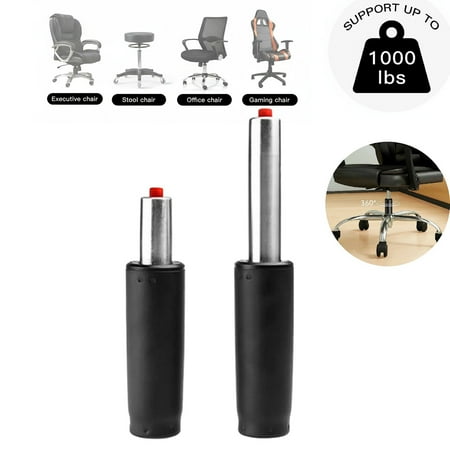
2. High‑Grade Gas Lift (Class 4 or 5)
The gas cylinder is the spine of the chair. Class 3 lifts are common in budget chairs and max out around 250 lbs. For heavy weight, you need Class 4 (tested up to 400 lbs) or Class 5 (500+ lbs). Some bariatric chairs even use industrial cylinders rated for 800 lbs. Always check the cylinder classification – it’s a non‑negotiable safety feature.
3. Oversized Seat & Lumbar Support
Seat width for heavy duty chairs typically ranges from 22 to 30 inches, compared to 18–20 inches in standard models. Depth is also greater (20+ inches) to support thighs fully. The foam density should be high‑resilience (HR) foam, often 2.5–3.5 lb density, which resists flattening. Lumbar support is frequently adjustable in height and depth to accommodate wider torsos.
4. Heavy Duty Casters & Tilt Mechanism
Standard casters can buckle or roll poorly under extra weight. Heavy weight chairs use metal core casters with soft rubber tread for hard floors, or larger dual‑wheel casters for carpet. The tilt mechanism (the part that lets you recline) must have strengthened springs – look for “infinite tilt lock” or “heavy duty tilt tension” that can be adjusted for higher body mass.
Quick checklist when evaluating a heavy weight office chair:
- • Weight capacity – always 20% above your weight (e.g., if you weigh 300 lbs, choose a 375–400 lb capacity).
- • Seat width – measure your hips; aim for at least 22 inches for comfort.
- • Base material – prefer polished aluminum or steel over nylon.
- • Warranty – 5‑10 years on frame and mechanism indicates confidence.
- • Tested standards – look for BIFMA (Business and Institutional Furniture Manufacturers Association) certification, which ensures safety and durability tests.
Health & Productivity Benefits for Larger Users
Sitting in a chair that’s too small or under‑rated isn’t just annoying; it can cause physical issues. A study from the National Institute for Occupational Safety and Health (NIOSH) found that employees using properly fitted chairs reported 44% less lower back pain. For heavy individuals, a reinforced chair prevents:
- • Seat collapse – edges digging into thighs, cutting circulation.
- • Instability – fear of tipping, which creates muscle tension.
- • Poor posture – inadequate lumbar support leads to slouching and disk pressure.
With a heavy weight chair, you gain freedom to move, recline, and focus without mechanical anxiety. It’s like upgrading from a compact car to a heavy‑duty truck – everything feels planted and secure.
Industry fact: 68% of adults in the U.S. are overweight or obese (CDC). The demand for heavy weight office chairs has grown 200% in the last five years, yet many offices still only provide standard seating. Don’t compromise – investing $400–$800 in a proper chair saves thousands in potential medical costs.
Materials Showdown: What’s Best for Heavy Weight?
Material choice affects breathability, maintenance, and longevity. Here’s how common options stack up for heavy users:
| Material | Pros for Heavy Weight | Considerations |
|---|---|---|
| Commercial Grade Mesh | Excellent airflow; prevents sweating. Many high‑capacity mesh chairs have reinforced perimeters. | Mesh may sag over years if not high‑tension; look for “polymer mesh” or “suspension mesh”. |
| Premium Bonded Leather / Faux Leather | Easy to clean, professional look, often used in big & tall executive chairs. | Can trap heat; ensure perforations or breathable panels. Avoid cheap bonded leather that peels. |
| Heavy Duty Fabric (e.g., twill, microfiber) | Durable, soft, available in wide colors. Often double‑stitched seams. | May stain easier; look for stain‑resistant treatment. Check for high abrasion resistance (Wyzenbeek rub count >50,000). |
| Full Grain Leather | Extremely durable, molds to body, ages well. Used in luxury bariatric chairs. | Expensive ($800+). Requires occasional conditioning. Very heavy, but supports massive weight. |
How to Choose the Right Heavy Weight Office Chair: A Step‑by‑Step Guide
Use this numbered approach to narrow down the perfect chair for your body and workspace.
- Weigh yourself honestly – then add 20% for safety margin. If you weigh 350 lbs, look for 420 lbs minimum rating.
- Measure your seat width needs – sit on a flat surface, measure across hips/thighs. Add 2–4 inches for comfortable space.
- Check your floor type – carpet needs larger casters (3 inches) with soft tread; hard floors need non‑marking urethane.
- Decide on armrests – heavy users often prefer 4D adjustable arms (height, width, pivot) to accommodate broader shoulders.
- Look for reinforced lumbar – separate adjustable lumbar pad or air bladder systems work better than fixed curves.
- Test the recline / tilt – if possible, sit and lean back. Tension should be adjustable to hold your weight without snapping back.
- Read warranty details – at least 5 years on parts, 10 years on frame. This signals manufacturer confidence.
Real‑World Example: Heavy Weight Chairs in Action
Take “David”, a 6’4” IT manager weighing 370 lbs. He used a standard $150 chair that constantly sank and creaked. After switching to a heavy duty mesh chair rated for 500 lbs, his daily back pain vanished. “It’s like the chair disappears under me – I can focus on code instead of shifting position every 20 minutes,” he reported. This isn’t anecdotal; proper weight distribution reduces pressure on the sciatic nerve and allows longer sitting without numbness.
Frequently Asked Questions About Heavy Weight Office Chairs
Conclusion: Solid Support Equals Solid Performance
A heavy weight office chair is not a luxury – it’s a necessity for anyone above average body weight who spends hours at a desk. From reinforced steel frames to industrial‑grade gas cylinders, every component is designed to provide stability, safety, and lasting comfort. By choosing a chair that matches your physical needs, you’re investing in your posture, focus, and long‑term well‑being. Use the checklist, compare materials, and never settle for a chair that leaves you feeling unstable. Your back (and your productivity) will thank you.