
Beyond Seating: The High End Office Chair Experience
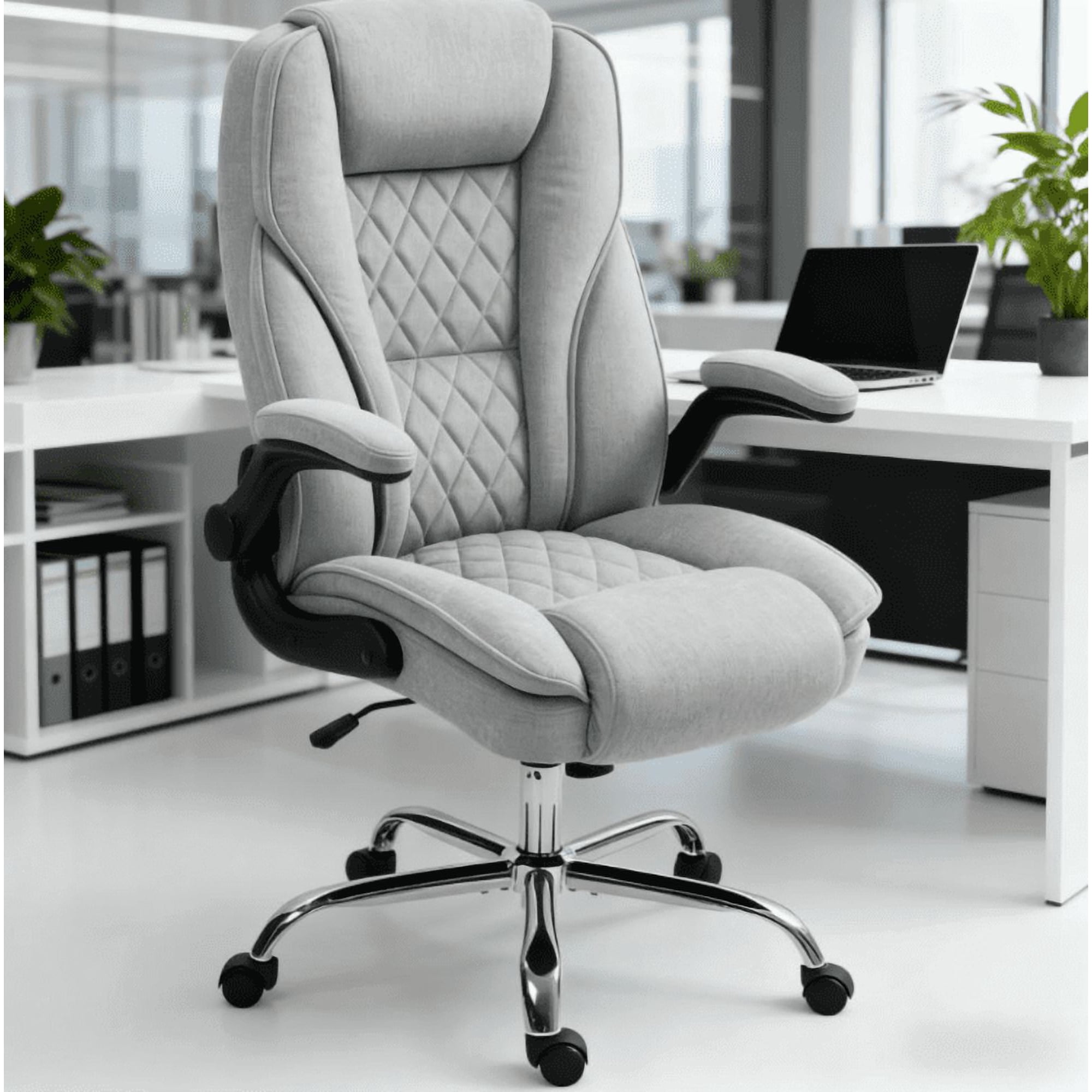
Imagine stepping into your office and settling into a chair that feels like a bespoke suit—tailored precisely to your body, crafted from materials that age gracefully, and engineered to support you through 10-hour workdays without a single ache. That is the promise of a high end office chair. Unlike mass-market seating, these pieces are investments in your physical well-being, productivity, and even the aesthetic of your workspace.
For the executive, designer, or remote worker who spends thousands of hours seated, the chair is not just furniture—it’s a tool. A high end chair reduces fatigue, encourages micro-movements, and subtly communicates success to every visitor. In this guide, we’ll explore what truly defines “high end,” from Italian-tanned leather to patented synchronized mechanisms, helping you navigate a market where prices range from $1,000 to $5,000+.
The Anatomy of a High End Office Chair: 5 Defining Characteristics
What separates a $300 chair from a $2,000 model? It’s not just a brand name. It’s a combination of engineering, material science, and design philosophy. Below we break down the pillars of premium seating.
1. Material Selection: Where Luxury Meets Longevity
High end chairs utilize materials that are not only beautiful but also functional over decades.
- Full-Grain Leather: The highest grade, retaining the natural grain. It develops a unique patina and breathes better than corrected leather. Brands like Herman Miller (Logitech Embody) offer leather options sourced from environmentally certified tanneries.
- Aerospace-Grade Mesh: Not your typical fabric. High end mesh (like the Pellicle mesh on a Fern chair) is tensioned precisely to provide variable support—firmer where needed, softer elsewhere—and is virtually indestructible.
- Cold-Cure Foam: Unlike cheap foam that breaks down in a year, high end chairs use chemically engineered foam that retains resilience for 10+ years. Some manufacturers, like HÅG, incorporate recycled materials without compromising comfort.
- Aluminum and Steel Components: Look for polished aluminum bases and steel mechanisms. They provide stability and a premium heft, often with a 10-year warranty on the frame.
Stat: A study by Material ConneXion found that high-end office chair upholstery tested for 100,+ double rubs (a measure of durability) without significant wear, compared to 30,000 for standard fabric—a 3x difference.
2. Ergonomic Precision: The Science of Movement
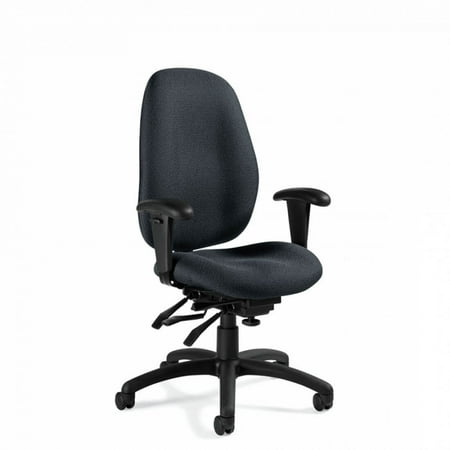
High end chairs are designed around the concept of “dynamic sitting”—they move with you, rather than locking you in one position.
- Synchronized Tilt Mechanism: This allows the seat and backrest to move at a ratio (usually 1:2 or 1:3), keeping your feet planted while your torso reclines. It maintains optimal visual contact with your screen.
- Adjustable Lumbar in 4 Dimensions: Not just in/out, but also up/down and with variable firmness. The Steelcase Gesture, for example, features a LiveBack™ flexor that mimics the spine’s natural movement.
- Seat Depth Adjustment: Critical for proper thigh support. High end chairs offer at least 2-3 inches of slide adjustment to accommodate different leg lengths, preventing pressure behind the knees.
- Headrests that Actually Work: Unlike cheap add-ons, high end headrests (like those on the Humanscale Freedom) are counter-balanced and adjust in height, angle, and sometimes even pivot to support you in both upright and reclined positions.
3. Design & Aesthetics: The Executive Presence
A high end office chair is often the centerpiece of a private office. Designers like Yves Béhar or Studio 7.5 have lent their names to iconic chairs. Look for:
- Clean Lines and Sculptural Forms: Chairs that look as good from the back as they do from the front.
- Color and Material Customization: Many high-end brands offer hundreds of fabric/leather choices, polished or matte frame finishes, and even custom stitching.
- Minimalist Mechanisms: Premium chairs hide complex engineering under sleek shrouds. You see clean lines, not exposed springs.
4. Warranty & Corporate Responsibility
High end manufacturers stand behind their products. A 12-year warranty is standard. Furthermore, they often lead in sustainability: Interface and Steelcase have carbon-neutral commitments, and many chairs are 95% recyclable at end of life. This aligns with the values of modern high-end consumers.
5. The "Feel" Factor: Weight and Stability
Pick up a high end chair’s armrest—it should feel solid, not hollow. Roll it on a hard floor; premium dual-wheel casters roll silently and smoothly. The gas cylinder (Class 4 or 5) should support weight effortlessly without bouncing. These tactile cues differentiate the luxury tier instantly.
High End Materials at a Glance
| Material | Lifespan | Maintenance | Typical Use | Example Models |
|---|---|---|---|---|
| Full-Grain Leather | 15-20 yrs | Condition annually | Executive suites | Steelcase Leap Plus, HÅG Capisco Puls |
| High-Tension Mesh | 12-15 yrs | Wipe clean | Modern, tech offices | Herman Miller Aeron, Okamura Sylphy |
| Recycled/ Wool Blend | 10-12 yrs | Professional cleaning | Designer, sustainable | Wilkhahn ON, Vitra ID Mesh |
| Polished Aluminum Frame | Lifetime | Polish occasionally | Luxury statement | Interstuhl 172S, Boss Design Pure |
Why High End Chairs Reduce Musculoskeletal Disorders
The British Journal of Sports Medicine published data in 2022 showing that workers using premium ergonomic chairs with multi-dimensional adjustments had 52% fewer incidents of chronic neck pain compared to those in fixed or low-adjustment chairs. The key is the ability to change posture frequently without leaving the chair. High end mechanisms encourage micro-shifts, which pump nutrients into spinal discs and prevent stiffness.
Frequently Asked Questions About High End Office Chairs
Final Verdict: Is a High End Chair Right for You?
If you spend more than 6 hours a day seated, suffer from occasional back or neck discomfort, or simply appreciate fine craftsmanship, a high end office chair is not an expense—it is a necessity. The initial investment is amortized over a decade of daily use, costing pennies per hour for a vastly improved work experience. From the tactile pleasure of leather to the invisible support of a perfectly adjusted lumbar, these chairs transform the way you work.
We recommend testing chairs in person whenever possible, focusing on the ease of adjustments and the feeling of support. Remember that the most expensive chair is not always the best for your body; look for adjustability range that matches your physique. Whether you choose a classic leather executive or a futuristic mesh design, prioritize mechanisms over mere looks. Your spine will thank you.