
Introduction: Why Corporate Seating is a Strategic Investment
Walk into any thriving company, and you'll notice a common thread: they value their people's comfort. Corporate office chairs are not just furniture; they're a tool that directly impacts employee health, focus, and overall job satisfaction. Choosing the right seating for your office is a strategic decision that influences your company culture and bottom line. Unlike personal home office chairs, corporate seating must withstand diverse body types, long hours, and often, multiple shifts. It needs to be a blend of ergonomic intelligence, industrial durability, and professional aesthetics. This guide will walk you through everything you need to know to make a smart, informed purchase for your business.
The Business Case: According to the American Journal of Public Health, employees with poor workplace ergonomics are significantly more likely to report musculoskeletal pain. Investing in quality corporate chairs can reduce these complaints by up to 60%, leading to lower absenteeism and higher productivity. In essence, a good chair pays for itself.
Navigating the World of Corporate Office Chairs: A Buyer's Blueprint
Buying chairs for an entire office is different from buying a single chair. You need to balance ergonomics, durability, budget, and uniformity. Let's break down the key pillars of a successful corporate seating strategy.
1. The Three Pillars of Corporate Seating: Ergonomics, Durability, Aesthetics
- Ergonomics for the Many: Look for chairs with adjustable seat height, lumbar support, and tilt tension. These features accommodate a wide range of users. Seats with a "waterfall edge" reduce pressure on thighs, promoting better circulation for all-day sitters.
- Built to Last: Corporate chairs face heavy use. Prioritize models with heavy-duty gas lifts, reinforced five-point bases (nylon or metal), and high-quality casters that won't crack under constant rolling. Look for warranties of 5 years or more on mechanical components.
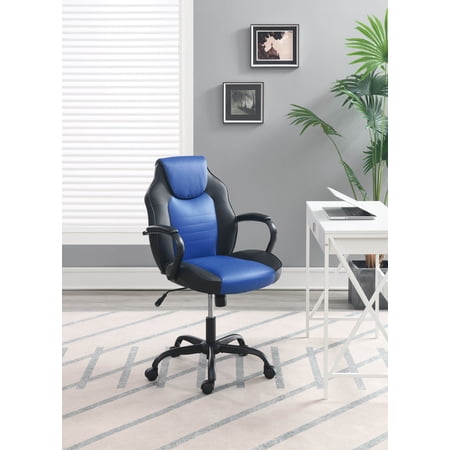
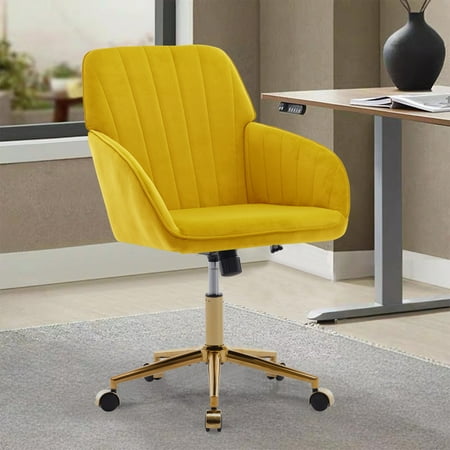
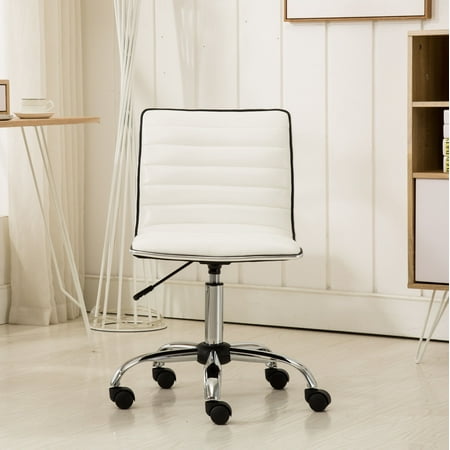
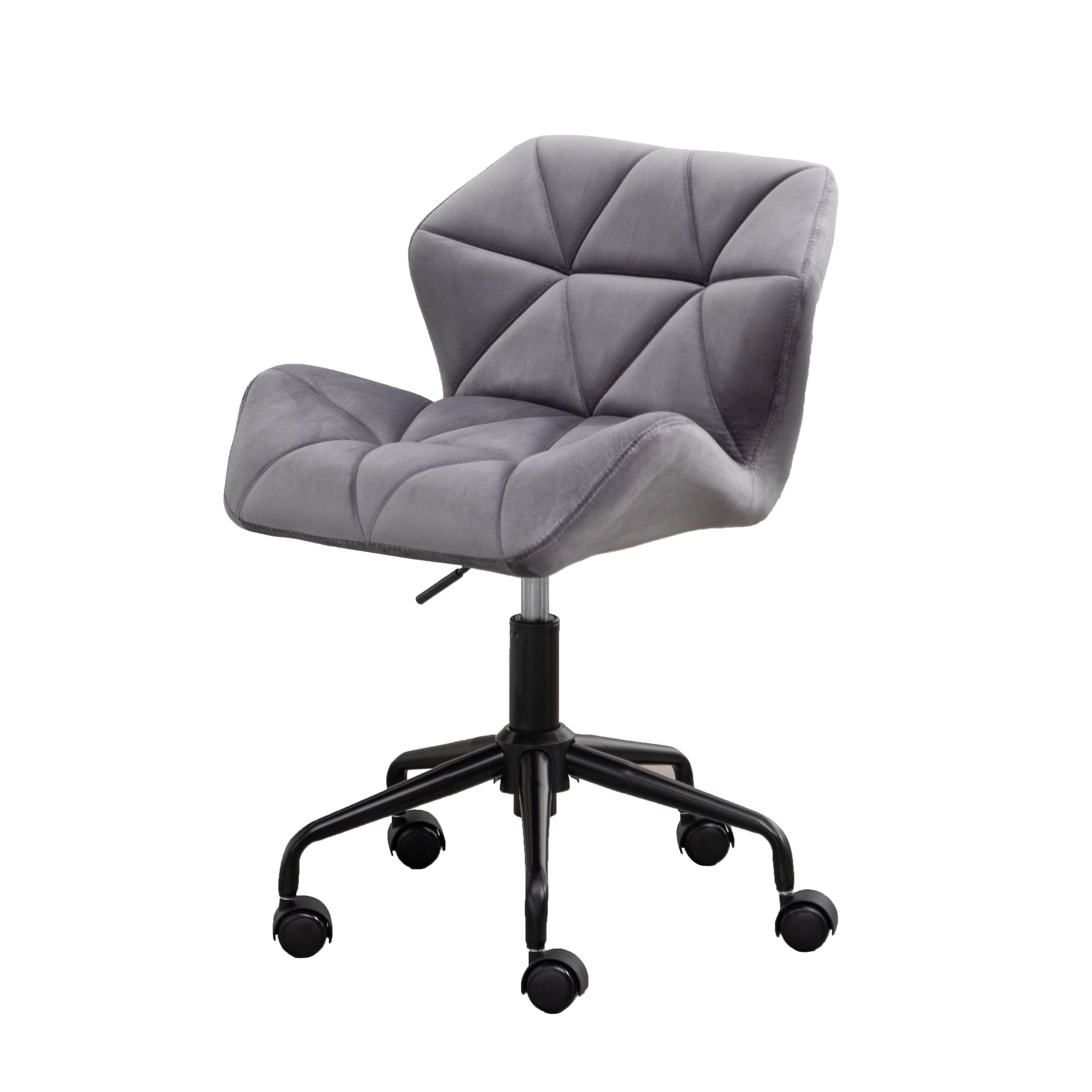
- Professional Aesthetics: Your office furniture is a visual representation of your brand. Choose a cohesive style—whether it's modern mesh, classic fabric, or sleek leather-look—that complements your office design. Neutral colors like black, gray, and charcoal are safe bets for a unified look.
2. Material Matters: Fabric, Mesh, or Faux Leather?
Selecting the right upholstery is crucial for longevity and comfort in a shared or high-use environment. Here's a quick comparison to guide you:
✅ Fabric (Recommended for most)
- Durability: High-quality commercial-grade fabric is incredibly tough and resists wear.
- Comfort: Breathable and warm in winter.
- Style: Available in the widest range of colors and patterns.
- Maintenance: Opt for stain-resistant treated fabric for easier cleaning.
⚠️ Considerations
- Fabric: Can trap odors and stains if spills aren't treated quickly. Requires regular vacuuming.
- Mesh: Excellent breathability but may not suit formal executive settings. Can be harder to clean.
- Faux Leather: Can peel and crack over time in high-use areas. Often less breathable.
For most corporate environments, a high-quality fabric or a hybrid mesh-back/fabric-seat chair offers the best balance of comfort, breathability, and durability.
3. Matching Chairs to Roles: A Zoned Approach
Not every employee needs the same chair. A strategic approach saves money and provides tailored support.
- Workstations / Cubicles (Task Chairs): These are the workhorses. Prioritize full adjustability (height, arms, lumbar) and durable casters for easy movement. Swivel functionality is a must.
- Conference Rooms (Guest / Stacking Chairs): Comfort for 1-2 hours is key. Look for chairs with padded seats and possibly arms, but they don't need complex mechanisms. Stackable chairs are a bonus for multi-purpose rooms.
- Private Offices (Executive / Manager Chairs): These can be slightly more luxurious with higher backs, premium upholstery (like bonded leather or plush fabric), and additional features like headrests.
4. The Economics of Bulk Buying: Total Cost of Ownership
When budgeting, don't just look at the price tag. Calculate the Total Cost of Ownership (TCO). A $200 chair that needs replacing in 2 years is more expensive than a $500 chair that lasts 8 years. For a corporate setting, look for:
- Class III or IV Gas Lift: Ensures smooth height adjustment and safety for years.
- Hardwood or Metal Frame Components: Avoid chairs with critical parts made of flimsy plastic.
- Replaceable Parts: Can you order new casters or arm pads? This extends the chair's life significantly.
5. Quick Selection Checklist for HR and Office Managers
Use this checklist when evaluating samples or shortlisting models for your team:
- Seat Comfort: Is the foam dense enough to avoid bottoming out after a few hours? (High-density foam is essential).
- Back Support: Does the lumbar support hit the natural curve of the spine for most users? Adjustable is best.
- Armrests: Are they height-adjustable? This is crucial for preventing shoulder strain. Consider if some roles even need arms (e.g., for compact workstations).
- Stability: When leaned back, does the chair feel stable? Is the base wide enough?
- Floor Protection: Do the casters match your floor type (hardwood/carpet)? Many chairs now come with universal casters, but it's worth checking.
Frequently Asked Questions About Corporate Office Chairs
Conclusion: Building a Better Workplace, One Chair at a Time
Selecting the right corporate office chairs is a significant decision that impacts your team's daily life and your company's operational efficiency. By focusing on ergonomic adjustability, durable construction, and a professional aesthetic that aligns with your brand, you create a workspace that values and supports its greatest asset—your people.
Final Strategy for Corporate Buyers
Remember, the best corporate office chair is one that disappears—meaning the user is so comfortable and well-supported that they can focus entirely on their work without distraction. Use the insights from this guide to make a choice that fosters a healthier, more productive, and more professional environment for years to come.