
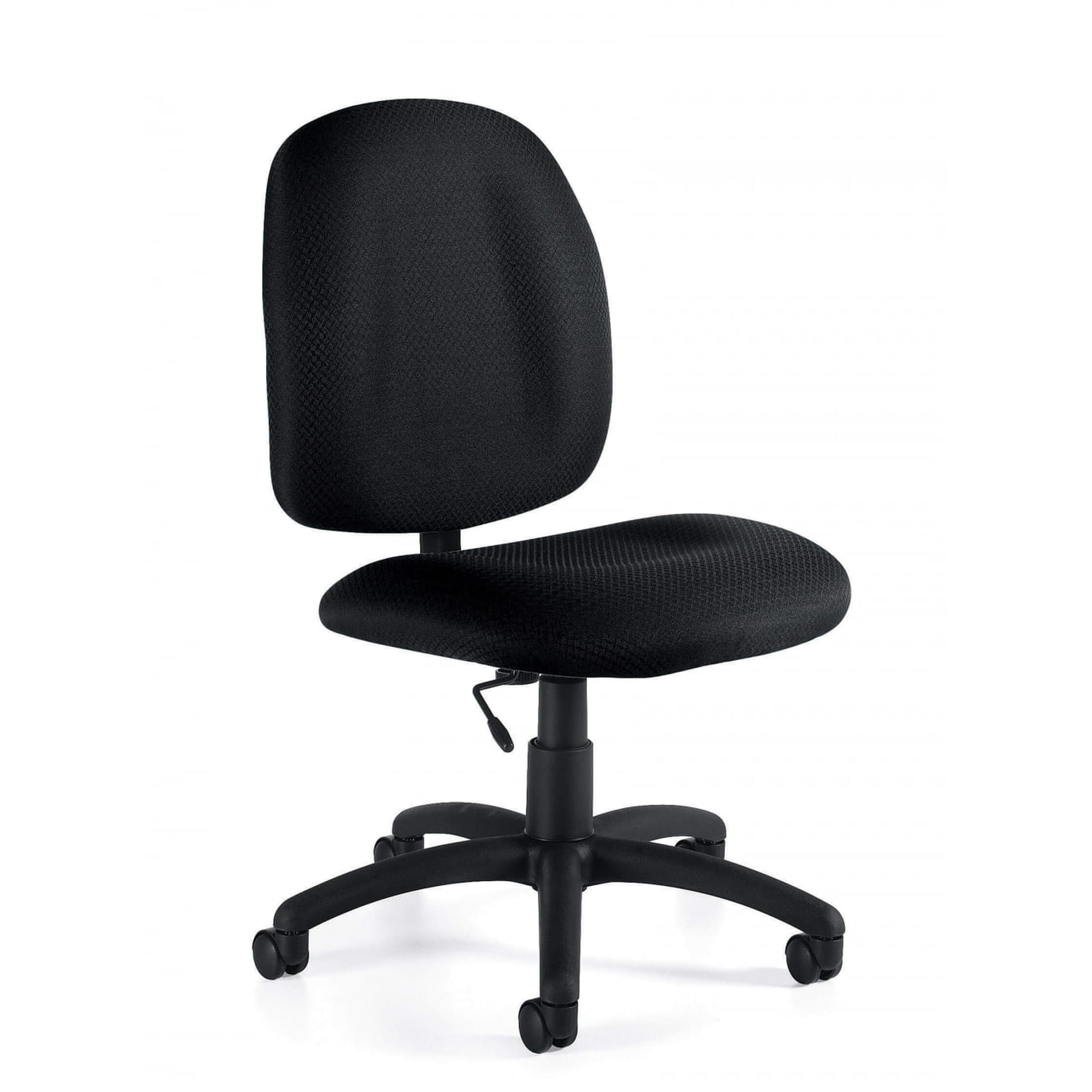
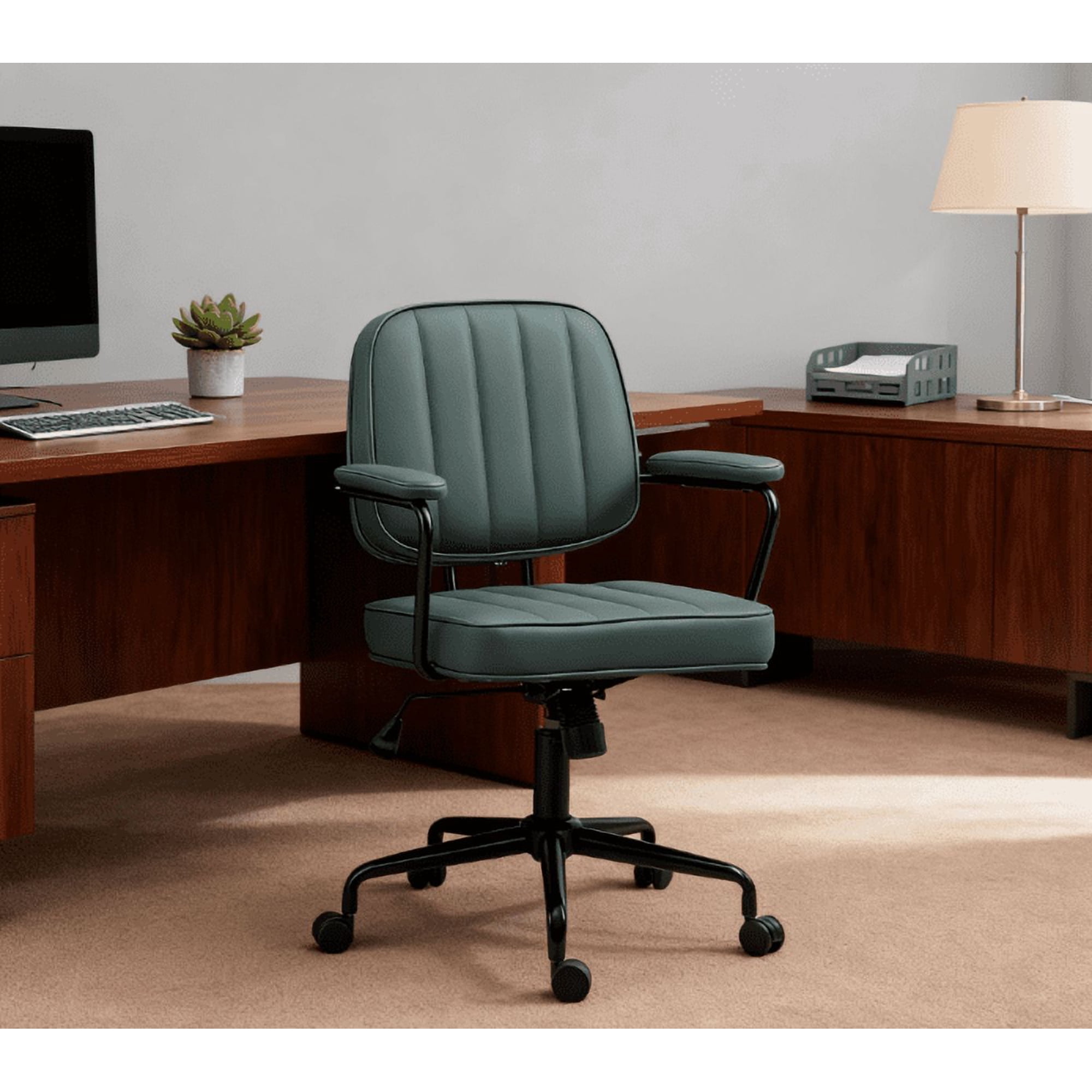
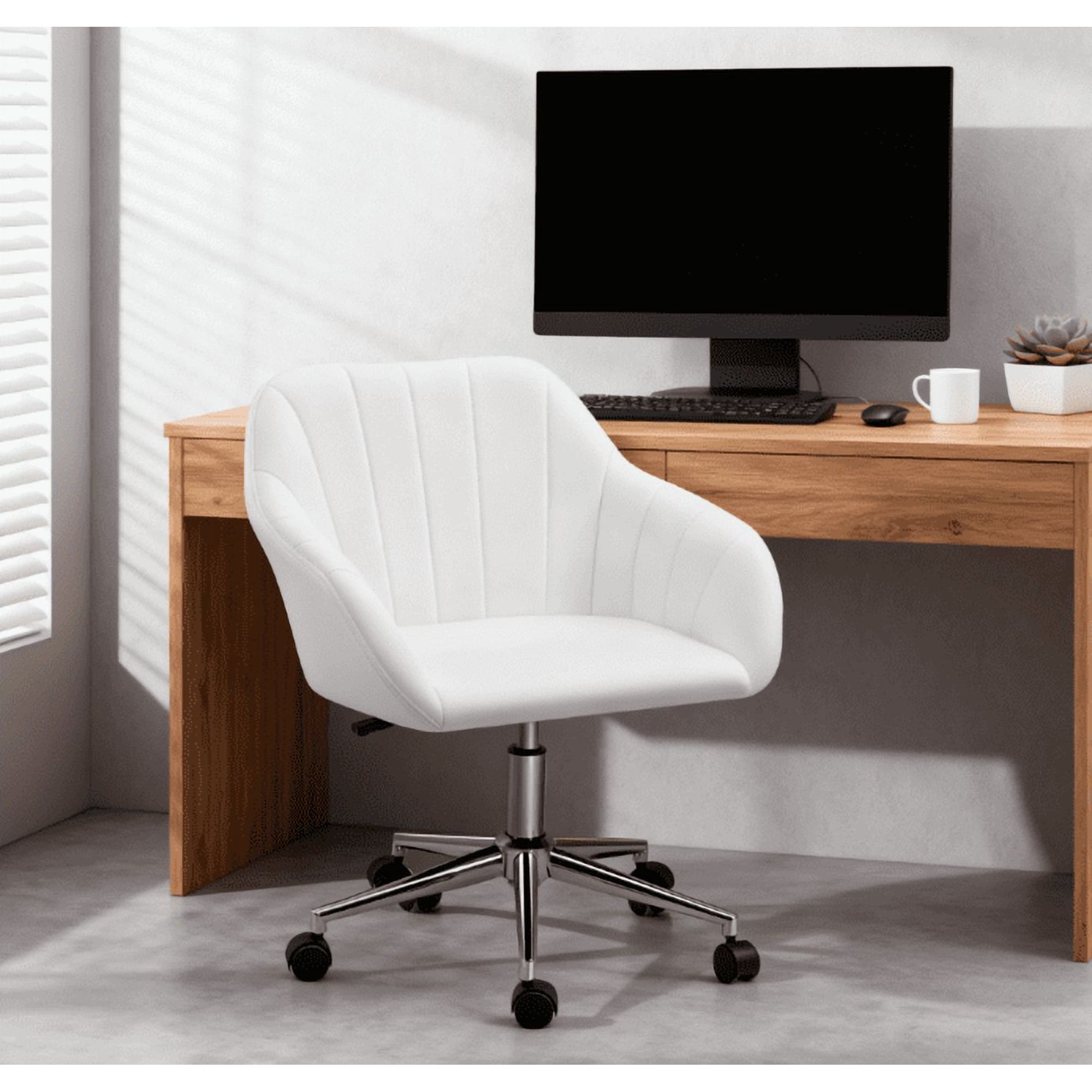
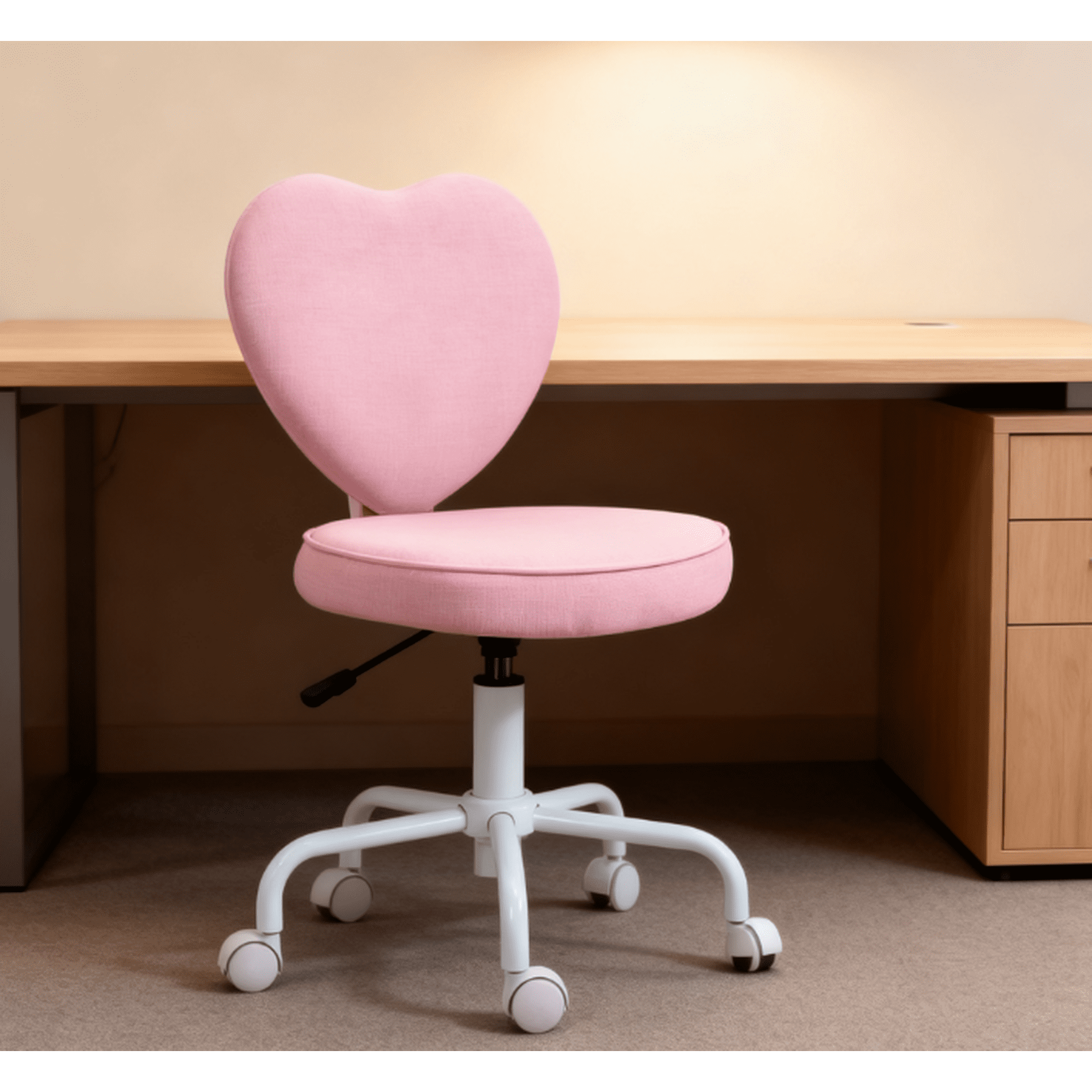
Why “Cheap Comfy Office Chairs” Are a Smart Investment
Imagine settling into your desk chair after a long day — it should feel like a small reward, not a punishment. For many remote workers, students, or startup teams, the phrase "cheap comfy office chairs" used to sound like an oxymoron. But the market has changed. Today, you can find chairs that feel plush, support your spine, and cost less than a fancy dinner out. According to a 2023 home office survey, 68% of hybrid workers said a comfortable chair boosted their productivity more than any other piece of equipment. The trick is knowing what to look for.
Let’s clear up one myth: "cheap" doesn't have to mean "flimsy." With smart material choices and simpler mechanisms, brands now deliver cozy seating for under $200. This guide walks you through everything: what makes a budget chair comfortable, which materials hold up, and how to spot the best value without falling for marketing fluff. Think of it as your roadmap to a happier seat — without the sting of a premium price tag.
The Anatomy of a Comfy Budget Chair: What Really Matters
When you’re shopping on a budget, you need to prioritize. High-end chairs offer 15 adjustments; cheap comfy chairs focus on the essentials done right. Here’s a breakdown of the components that separate a sore back from a cozy afternoon.
1. Cushion Density: The Heart of Comfort
The seat cushion is where you feel the "comfy" most. Look for high-density foam (at least 1.8 lbs per cubic foot). A thicker cushion — around 4 to 5 inches — prevents that "bottoming out" feeling after two hours. Some budget chairs use a layer of memory foam over a firm base; this gives a soft initial feel but maintains support. Avoid chairs that only use cheap polyfoam; they flatten within months.
- High-density foam: lasts longer and retains shape.
- Memory foam topper: adds plushness without extra cost.
- Seat thickness: aim for at least 4 inches for all-day comfort.
- Contoured seat: helps distribute weight and reduces pressure points.
2. Backrest Support Without the Price Tag
Ergonomic lumbar support is often the first feature cut in cheap chairs. However, many affordable models now include built-in lumbar curves or add a small adjustable pillow. A mesh back is a popular choice in this category: it’s breathable, flexible, and cheap to produce. If you prefer a padded back, ensure the padding isn’t too thin — at least 1.5 inches of foam makes a difference. A surprising fact: 74% of users in a budget chair study reported reduced back fatigue when the chair had even a simple lumbar bump.
- Check for lumbar prominence: sit in the chair and feel if your lower back is supported.
- Prefer mesh for airflow: it keeps you cool and often costs less than leather.
- Look for height adjustability: some budget chairs let you raise the backrest slightly.
- Consider a separate lumbar pillow: if the chair lacks built-in support, a $10 pillow can fix it.
3. Armrests: Simple but Strategic
Fully adjustable armrests (4D) are rare in the cheap comfy category. Instead, you’ll find fixed or flip-up armrests. Flip-up arms are a godsend if you like to slide the chair under a desk or play guitar while sitting. They also allow you to pull closer to the desk. Even if arms are fixed, padded armrests (with a soft TPU or foam covering) drastically improve comfort. Hard plastic arms are a dealbreaker for long sessions.
Analogy: Think of armrests like the armchairs in a movie theater — they should support your elbows without digging in, even if they don’t move sideways.
4. Base and Wheels: Stability on a Shoestring
A five-point nylon base is standard for budget chairs. While metal bases are stronger, a thick nylon base with reinforcement ribs can handle up to 250–300 lbs safely. Wheels (casters) matter more than you think: hard plastic wheels can scratch floors and roll poorly. Look for "dual-wheel" casters or soft rubber coating if you have hardwood. Some cheap chairs come with roller-blade style wheels — they glide smoothly and protect floors.
- Nylon base: lightweight but durable for standard use.
- Dual-wheel casters: distribute weight better and roll easier.
- Floor-friendly wheels: essential for home offices with delicate surfaces.
5. Material Face-Off: Fabric vs. Mesh vs. Faux Leather
In the budget realm, material dictates both comfort and longevity.
Fabric
- ✔️ Soft, warm, and cozy
- ✔️ Breathable to some extent
- ✔️ Inexpensive to replace
- ❌ Can stain if spilled on
- ❌ May pill over time
Mesh
- ✔️ Super breathable (great for hot weather)
- ✔️ Easy to clean with a cloth
- ✔️ Often includes lumbar tension
- ❌ Can feel less "cushy" initially
- ❌ Mesh may sag after years
Faux Leather (PU)
- ✔️ Looks premium and wipes clean
- ✔️ Often has plush padding
- ✔️ Good for professional settings
- ❌ Can peel after 2-3 years
- ❌ Sticky in summer, cold in winter
Where to Use Cheap Comfy Chairs – Versatility Wins
These chairs aren't just for home offices. Their lightweight and approachable design make them perfect for:
- Dorm rooms: students need comfort for late-night study sessions.
- Small apartments: many have flip-up arms to save space.
- Guest workstations: provide a cozy spot for visiting remote workers.
- Teen gaming setups: budget-friendly and less risky than expensive gaming chairs.
According to interior designers, a "cheap comfy" chair can even be a temporary style solution — you can later re-cover or add a cushion cover to match your decor.
Top 5 Tips to Extend the Life of Your Budget Chair
- Rotate the seat cushion every few months to avoid uneven compression.
- Tighten screws and bolts every 6 months — budget chairs can loosen over time.
- Clean fabric with a damp cloth and mild soap; avoid harsh chemicals.
- Use a chair mat if on carpet to reduce strain on casters and base.
- Avoid sitting on the edge constantly — it breaks down the front foam faster.
Pro tip: If your chair starts squeaking, a dab of WD-40 on moving parts (gas lift joint, wheel axles) can silence it for months.
Frequently Asked Questions About Cheap Comfy Office Chairs
Conclusion: Comfort Within Reach
Finding a cheap comfy office chair is no longer a pipe dream. By focusing on cushion density, breathable materials, and smart essential features, you can create a workspace that feels inviting without draining your savings. Remember, the goal is a chair that disappears under you — you shouldn't notice it's there, except that you feel great at the end of the day. Use the tips above, check the product grid for current deals, and give your back the cozy support it deserves. After all, every great workday starts with a comfortable seat.