
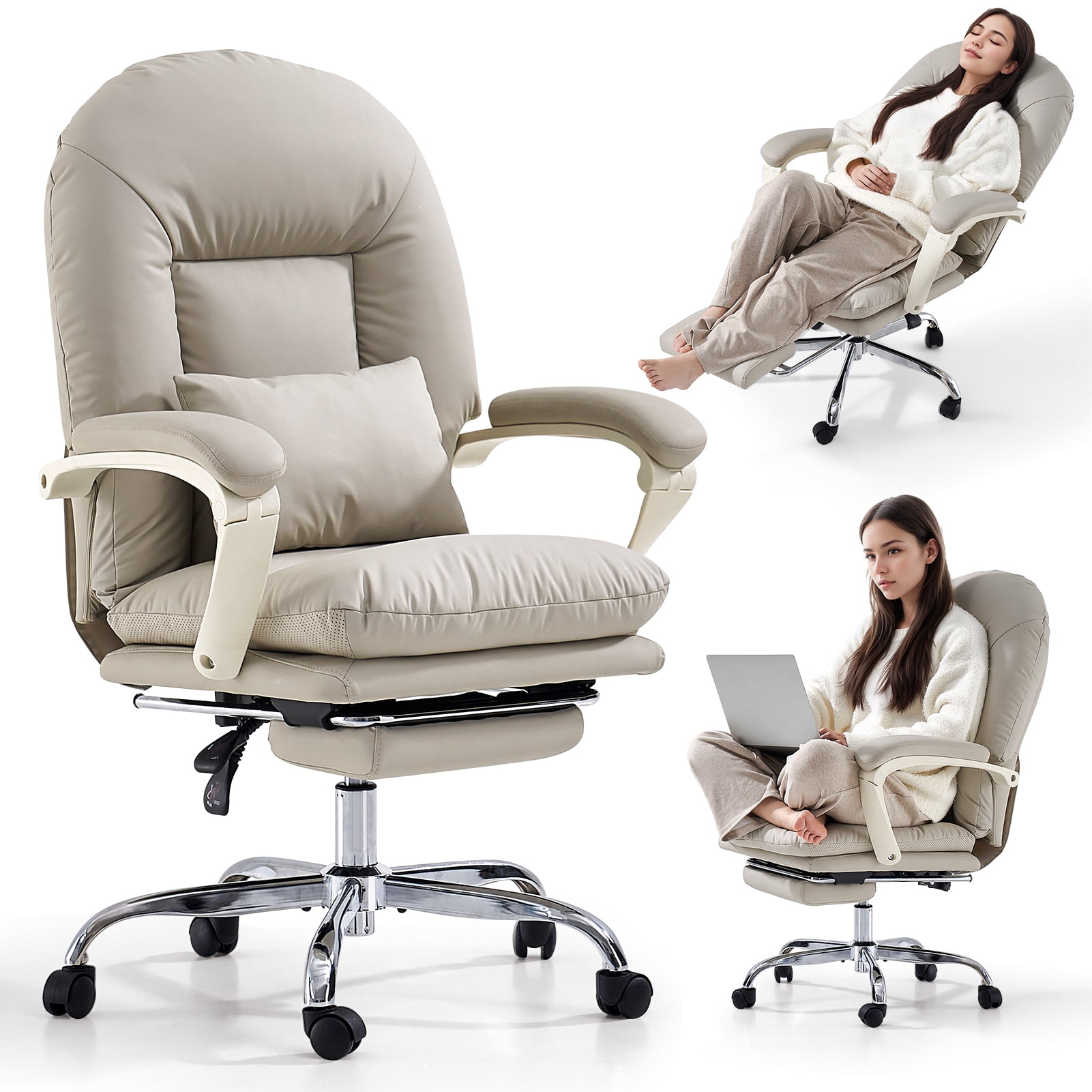
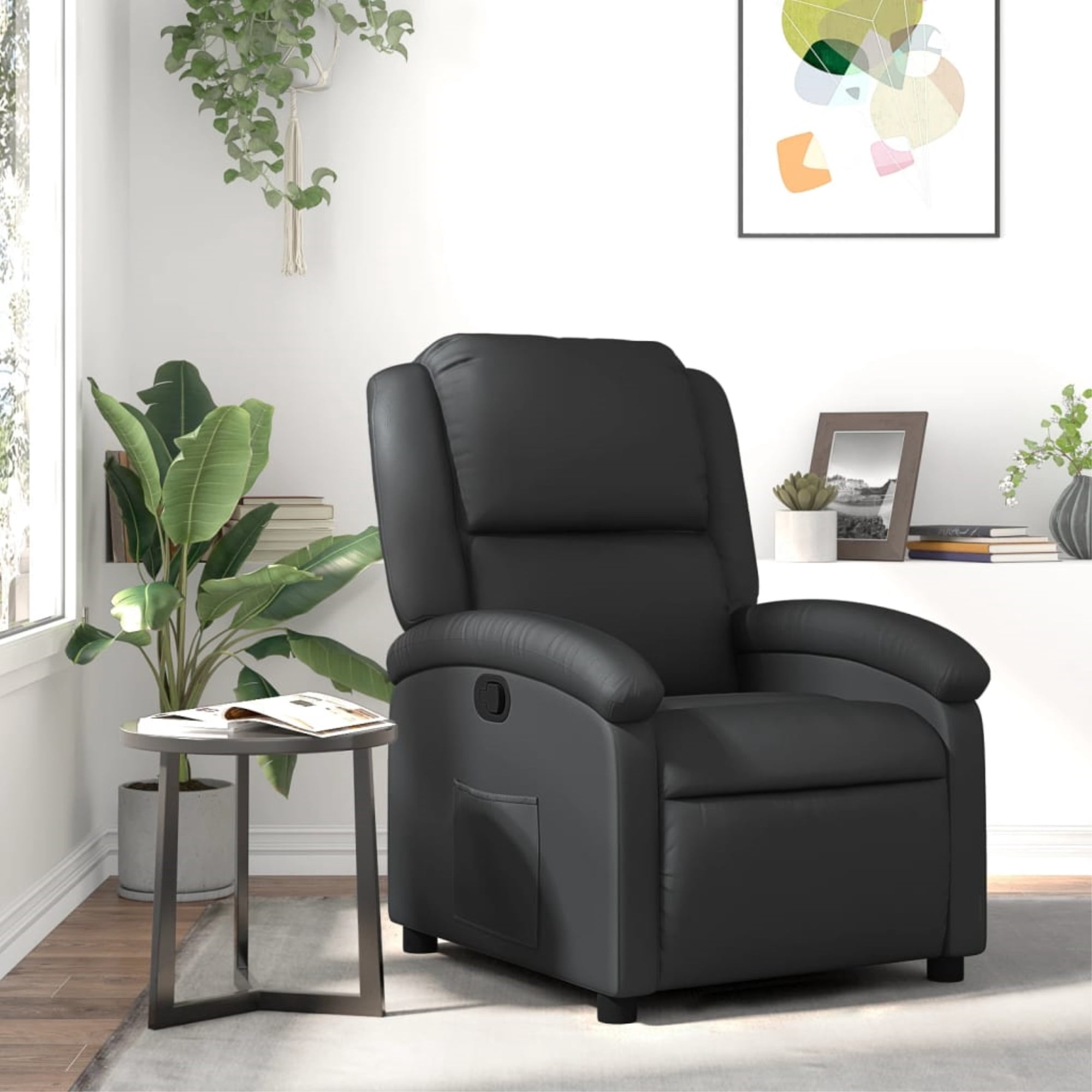
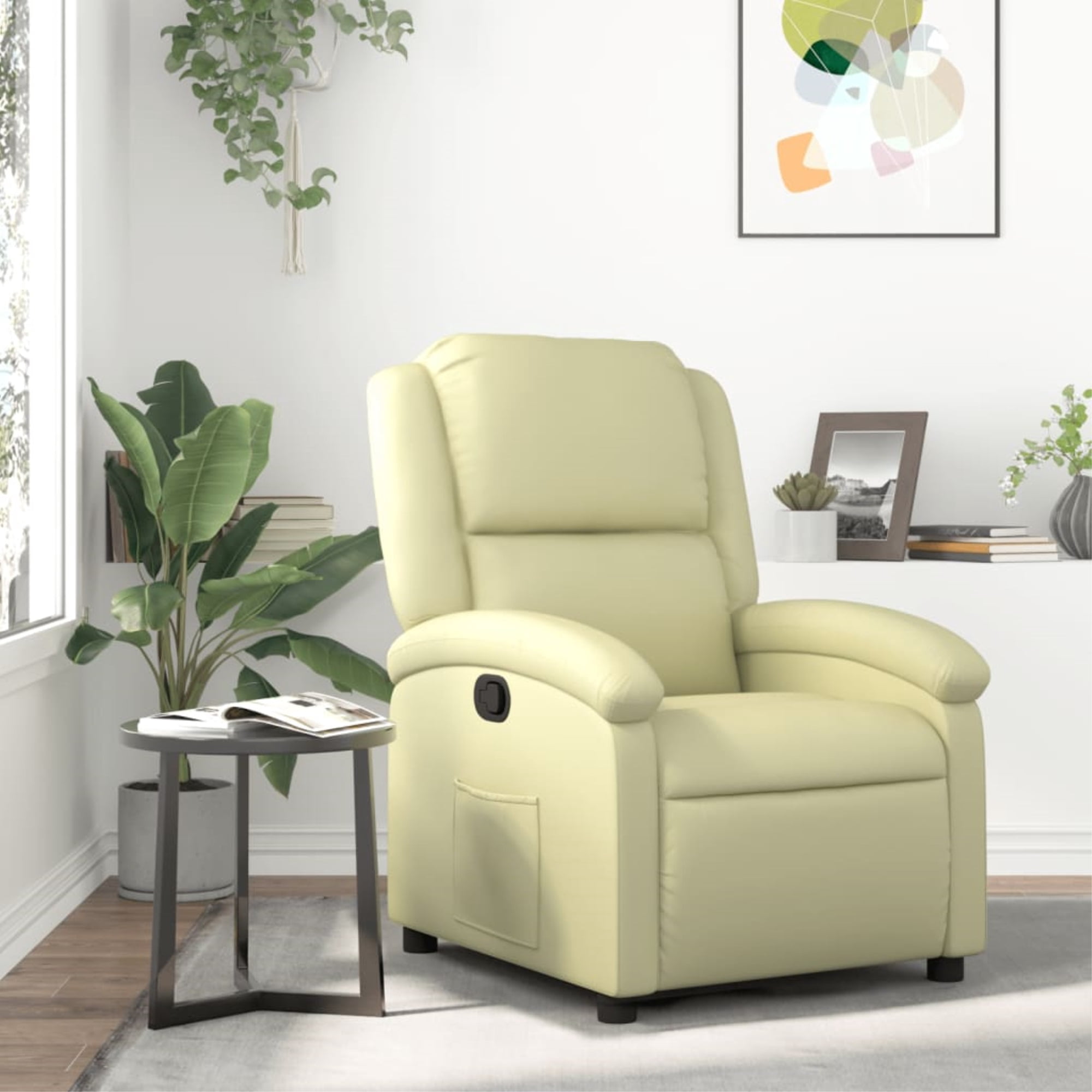
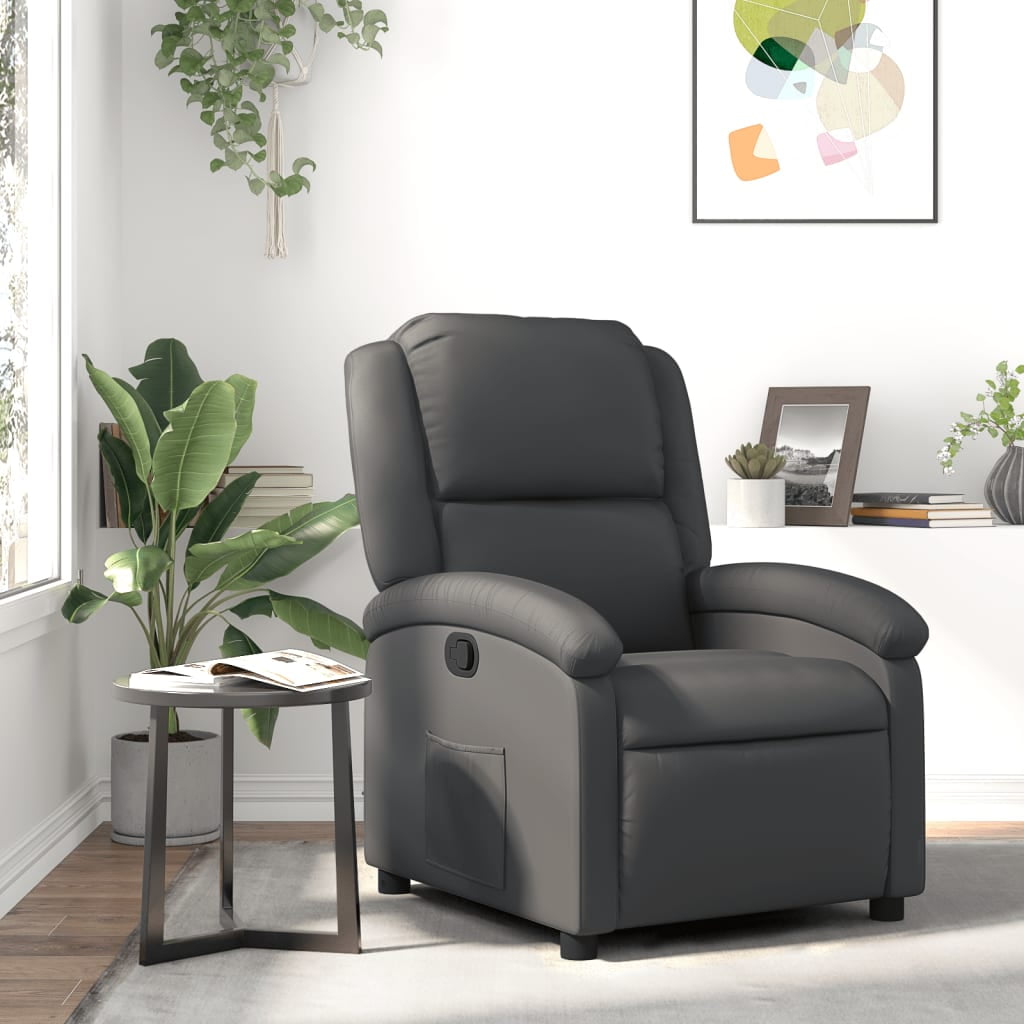
Full-Grain • Top-Grain • Genuine
Why Your Office Deserves a Real Leather Chair
Choosing a real leather office chair is akin to selecting a fine leather briefcase or a classic pair of dress shoes: it’s a statement of quality, durability, and taste. But beyond aesthetics, genuine leather offers practical benefits that synthetic materials simply cannot replicate. Imagine a material that breathes with you, softens over time to mold to your unique shape, and gains character with every year of use. That's the promise of a high-quality leather office chair. In this guide, we'll cut through the marketing jargon to help you understand the different grades of leather, the ergonomic features that matter, and how to choose a chair that will serve you faithfully for 15 years or more.
Decoding Leather Grades: From Full-Grain to Bonded
The term "leather" is broad, and understanding the spectrum is the first step to a smart purchase. Think of it like buying a hardwood table: you can have solid oak or particle board with a wood veneer. Both might look similar initially, but their longevity is worlds apart.
1. Full-Grain Leather: The Pinnacle of Quality
Full-grain leather is the top tier. It uses the entire grain layer of the hide, including all its natural markings and textures. This leather is not sanded or buffed to remove imperfections, making it the strongest and most durable type. Over time, it develops a rich patina—a glossy sheen that enhances its beauty and tells the story of its use. A full-grain leather office chair is an heirloom-quality piece. It’s more expensive, but its lifespan (often 20+ years) justifies the investment.
- Pros: Maximum durability, develops a beautiful patina, breathable, each hide is unique.
- Cons: Highest cost, may show natural scars/markings (which many see as character).
2. Top-Grain Leather: The Popular Premium Choice
Top-grain leather is the second-highest grade. The top layer of the hide is sanded and buffed to remove imperfections, then a protective coating is applied. This process creates a more uniform and stain-resistant surface. It’s slightly thinner and more flexible than full-grain but still offers excellent durability. Most high-end real leather office chairs on the market are made from top-grain leather, offering a fantastic balance of luxury and practicality. It resists spills better than full-grain, making it a popular choice for active offices.
- Pros: Uniform appearance, stain-resistant, slightly softer, more affordable than full-grain.
- Cons: Less breathable than full-grain, no patina development.
3. Genuine Leather: A Misleading Term
Don't be fooled by the name. "Genuine leather" is a specific grade, not a guarantee of quality. It's made from the lower layers of the hide after the top layers have been split off. These fibers are weaker, so the leather is often painted and embossed to mimic a grain pattern. While it is technically real leather, it lacks the durability and breathability of full or top-grain. A chair labeled "genuine leather" might be a budget option, but it won't last as long.
4. Bonded Leather: The One to Avoid
Warning: Bonded leather is not real leather in the premium sense. It's made from leather scraps and fibers mixed with polyurethane and glued onto a paper backing. It often starts peeling and cracking within 2-3 years. If you see "leather match" or "bonded leather," proceed with caution. Always verify the specification to ensure you are getting genuine top-grain or full-grain leather.
According to a 2023 survey by the American Home Furnishings Alliance, office chairs upholstered in top-grain leather retain 85% of their perceived value after 5 years, compared to just 40% for bonded leather alternatives. This highlights why investing in real leather is not just a purchase, but a long-term asset for your workspace.
Ergonomics Meets Elegance: Features to Look For
A beautiful chair that causes back pain is just a sculpture. Here’s how to ensure your leather chair is also a hard-working ergonomic tool.
The Long-Term Care Guide for Your Leather Investment
Owning a real leather chair is a commitment, but the payoff is a piece that looks better with age. Follow this simple routine:
- Weekly Dusting: Use a soft, dry microfiber cloth to remove dust from the surface and crevices. This prevents dirt from grinding into the leather.
- Spot Cleaning: For spills, blot immediately with a clean, dry cloth. For light soiling, dampen a cloth with distilled water and a drop of mild saddle soap, then wipe the area and dry thoroughly.
- Conditioning (Every 6-12 months): Apply a high-quality leather conditioner to keep the hide supple and prevent cracking. This is crucial in dry climates or air-conditioned offices.
- Avoid Direct Sunlight: Prolonged exposure to direct sun can fade and dry out leather. Position your chair away from unshaded windows.
By following these steps, your real leather office chair will not only survive but thrive, developing a rich patina that synthetic materials can only dream of.
Patina Development
Real leather gains a unique, rich sheen over time, adding character.
Breathability
Natural pores allow air circulation, reducing discomfort during long sessions.
Easy Wipe-Clean
Spills bead up on quality finishes, making cleanup effortless.
Biophilic Comfort
A natural material that feels more inviting and warm than synthetics.
Frequently Asked Questions About Real Leather Office Chairs
Conclusion: The Timeless Choice for the Discerning Professional
Selecting a real leather office chair is about more than just picking a place to sit. It's an investment in your daily comfort, your professional image, and the longevity of your workspace. By prioritizing full-grain or top-grain leather and ensuring the chair is built on a foundation of robust ergonomic features, you're not just buying a chair—you're acquiring a partner for your career. The initial cost is higher, but when amortized over 15+ years of daily use, the cost-per-day becomes negligible compared to the consistent comfort, support, and timeless style it provides. Choose wisely, care for it well, and your leather chair will be a cornerstone of your office for decades.