
Why Choose a Kneeling Ergonomic Office Chair?
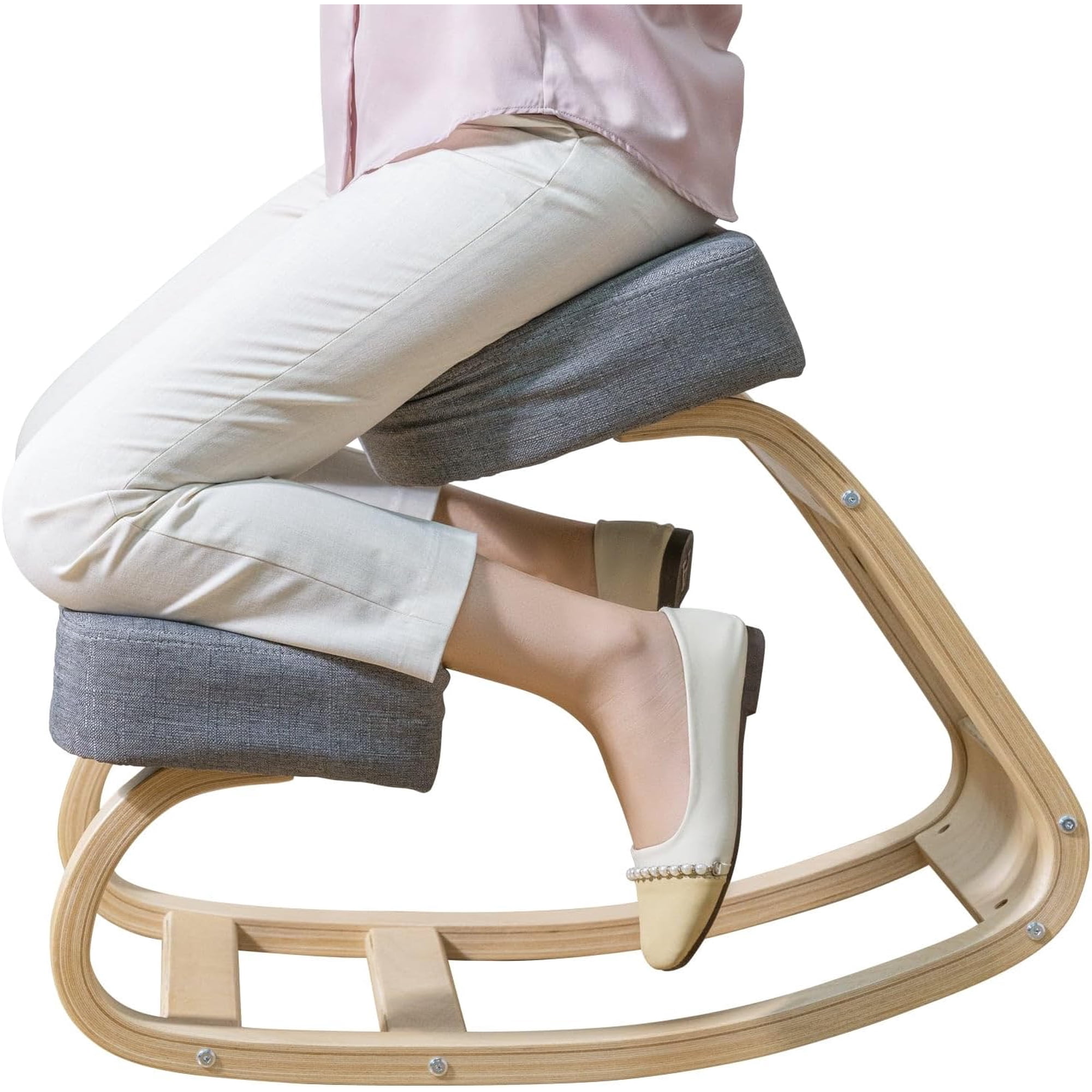
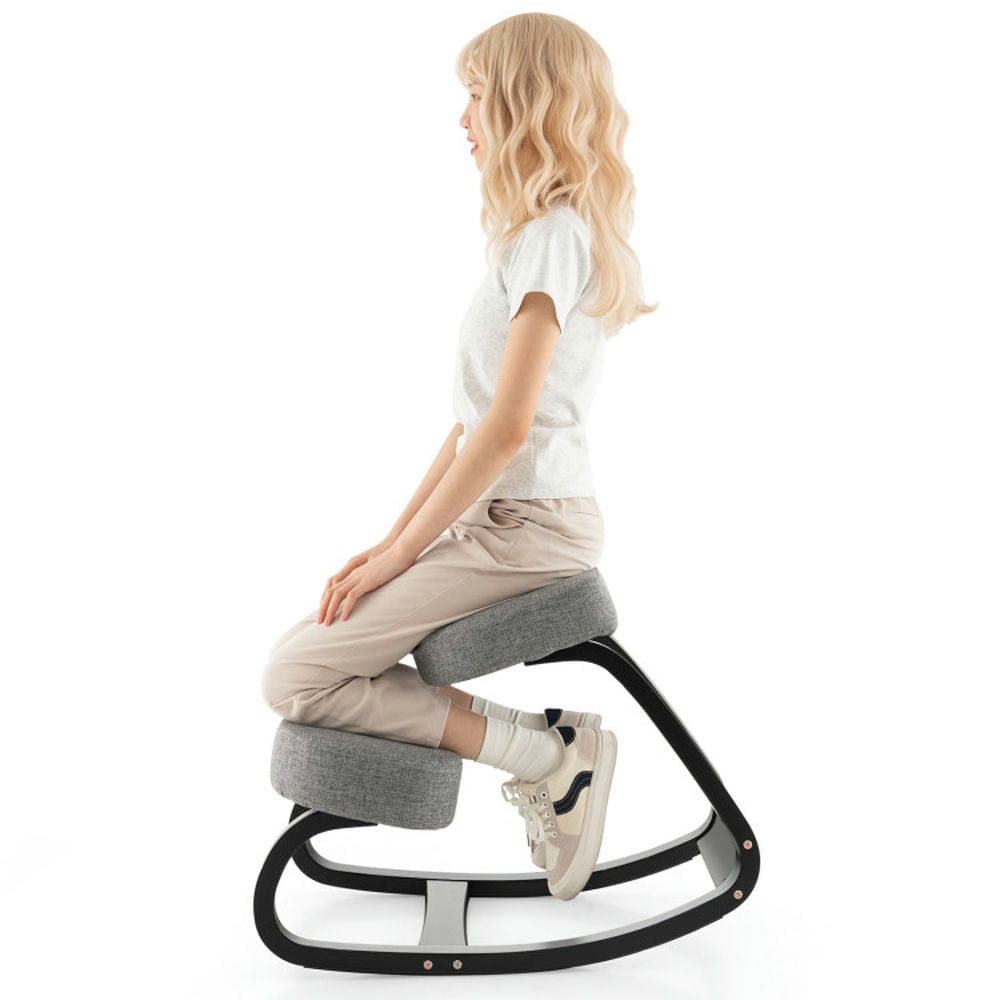
Modern office work often traps us in static, hunched positions for hours. The ergonomic kneeling office chair flips the script. Instead of forcing your body into a 90-degree angle, it opens the hip joint to 120–130 degrees, shifting your pelvis forward and aligning your spine naturally. This posture mimics the natural position of a rider on horseback—upright, stable, and dynamic.
💡 Science-Backed Insight: Research published in the Journal of Physical Therapy Science indicates that kneeling chairs reduce lumbar disc pressure by up to 35% compared to conventional office chairs. Additionally, they increase the activation of core stabilizer muscles by nearly 20%, promoting better posture even when away from the desk.
How Kneeling Chairs Redefine Active Sitting
Unlike traditional chairs that encourage passive sitting, kneeling chairs invite movement. Your body naturally micro-adjusts, keeping muscles engaged and preventing stiffness. Here’s why this matters: when you sit in a standard chair, your pelvis tends to tilt backward, leading to a rounded lower back and increased stress on spinal discs. Kneeling chairs reverse this tilt, maintaining the natural 'S' curve of your spine.
- Open Hip Angle: Reduces compression on the lower back and promotes diaphragmatic breathing.
- Core Activation: Abdominal and back muscles stay lightly engaged, improving core strength over time.
- Weight Distribution: Body weight is shared between the buttocks and shins, alleviating pressure points.
- Dynamic Movement: Easy to shift, lean, and reposition, preventing the 'frozen' posture associated with sedentary work.
Top Ergonomic Features to Look For
When selecting a kneeling office chair, prioritize build quality and adjustability to ensure maximum ergonomic benefit. Below is a detailed breakdown of essential features that define premium kneeling chairs.
| Feature | Why It Matters | Ideal Specification |
|---|---|---|
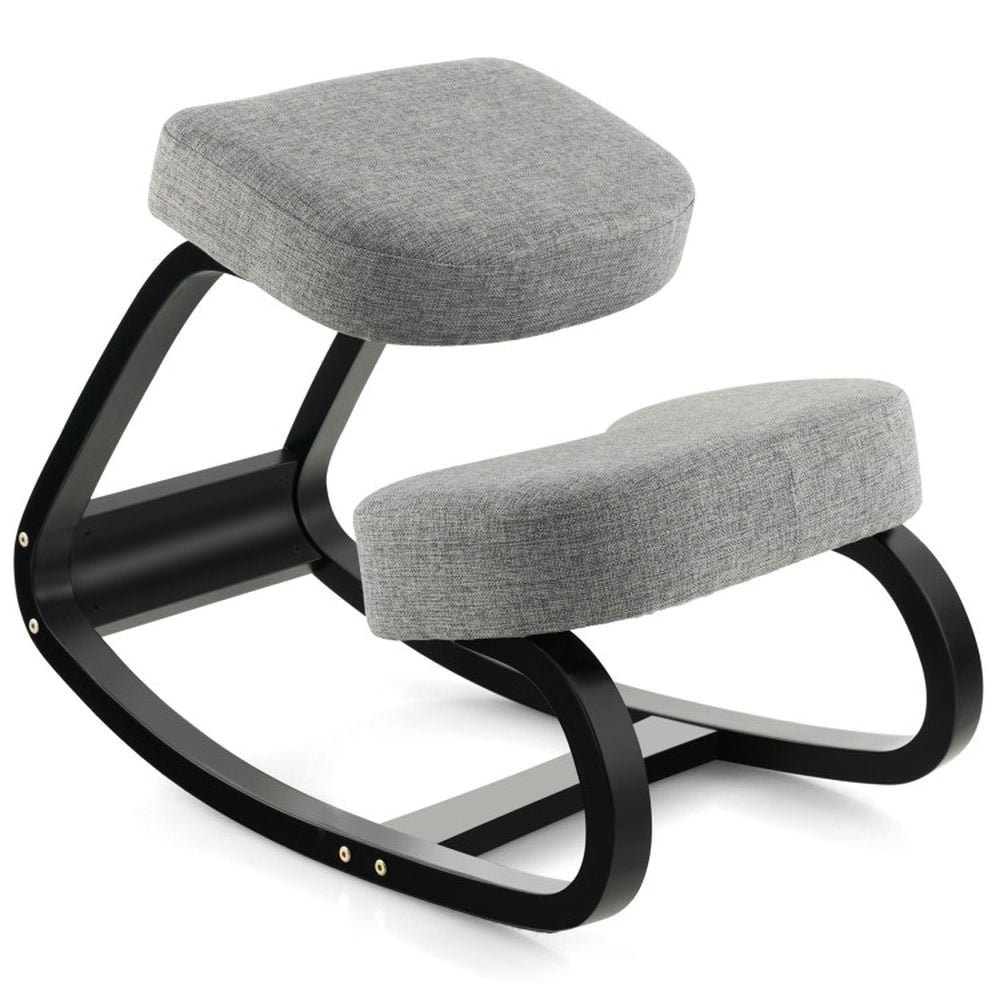
| Adjustable Kneeling Pad | Accommodates different leg lengths and ensures proper weight distribution | Height-adjustable angle (5–20 degrees) with at least 3" foam thickness |
| Seat Cushion Design | Maintains comfort for the glutes and lower thighs during extended sessions | High-density molded foam with waterfall edge to reduce pressure on hamstrings |
| Frame Construction | Ensures stability and long-term durability under frequent use | Reinforced steel or heavy-duty aluminum; weight capacity ≥ 300 lbs |
| Pneumatic Height Adjustment | Allows customization for desk height and user stature | Class 3 or 4 gas lift with 5–7 inch adjustable range |
| Castor Wheels / Base | Mobility without sacrificing stability; crucial for multi-surface movement | Dual-wheel casters with locking mechanism or glides for stationary use |
✔️ Corrects Forward Head Posture
By aligning the pelvis and spine, the head naturally retracts, reducing "text neck" and upper cross syndrome.
✔️ Increases Energy & Focus
Better breathing and improved circulation combat fatigue. Many users report higher alertness without the afternoon slump.
✔️ Sustainable & Eco-Friendly Materials
Modern kneeling chairs use sustainably sourced wood, recycled metals, and CertiPUR-US certified foam for eco-conscious consumers.
Step-by-Step Guide to Transitioning to a Kneeling Chair
Switching to active seating requires adaptation. Use this gradual approach to ensure comfort and prevent muscle strain.
- Start with Short Intervals: Begin by using the kneeling chair for 20–30 minutes, then switch back to your regular chair. Do this 2–3 times daily for the first week.
- Adjust Padding and Angle: Set the kneeling pad so your shins rest comfortably without pinching. The seat angle should encourage a slight forward tilt (10–15 degrees) to naturally open the hips.
- Incorporate Micro-Breaks: Every 45 minutes, stand up, stretch, and walk around. This complements the active-sitting benefits and prevents overuse of any muscle group.
- Alternate with Standing Desk: For maximum ergonomic benefit, pair your kneeling chair with a height-adjustable desk. Alternate between kneeling, standing, and a traditional ergonomic chair throughout the day.
- Listen to Your Body: Mild muscle engagement is normal, but sharp pain is a sign to re-evaluate setup. Gradually increase usage as your core strength improves.
✨ Pro Tip: Pair your kneeling chair with a footrest if you have shorter legs, or use a lumbar support pillow during the initial adaptation. Keep your monitor at eye level to maintain neutral head position.
Comparing Kneeling Chairs vs. Traditional Ergonomic Chairs
Both categories serve different needs. Understanding the distinction helps you make the right choice based on your work habits and physical goals.
| Aspect | Kneeling Ergonomic Chair | Traditional Ergonomic Chair |
|---|---|---|
| Spinal Alignment | Promotes natural S-curve via open hip angle | Relies on adjustable lumbar support for curve maintenance |
| Muscle Engagement | High core & back activation (active sitting) | Passive support; can promote slouching if not adjusted |
| Best Use Case | Posture correction, short-to-medium duration, alternating setups | Long hours, task-oriented work, multi-adjustability |
| Learning Curve | Requires 1–2 weeks adaptation | Intuitive; minimal adjustment period |
Material & Build Quality: What Lasts
Investing in a high-grade kneeling chair means evaluating materials that combine durability with ergonomic performance. Here’s what premium models offer:
- Hardwood or Steel Frame: Birchwood or powder-coated steel frames resist warping and provide stable support for years.
- High-Resilience Foam: Look for 3–4 inch thick foam that maintains shape and prevents bottoming out after repeated use.
- Breathable Upholstery: Microfiber, mesh, or eco-leather options allow airflow, reducing heat buildup during longer sessions.
- Non-Skid Kneeling Pad: Textured surface ensures your shins stay comfortably positioned without slipping.
Scientific Evidence Supporting Kneeling Posture
Numerous biomechanical studies validate the kneeling posture as an effective alternative to conventional seating. A 2021 study from the University of Waterloo found that kneeling chairs significantly reduced hamstring and gluteal muscle inactivity compared to standard task chairs. Another longitudinal study indicated that participants who alternated between kneeling and standing reported 41% less mid-back discomfort after 8 weeks.
These findings reinforce that kneeling chairs aren't just a trend—they're a legitimate ergonomic intervention for desk workers, designers, remote professionals, and anyone struggling with posture-related fatigue.