
Why Your Posture Matters: The Hidden Cost of Slouching
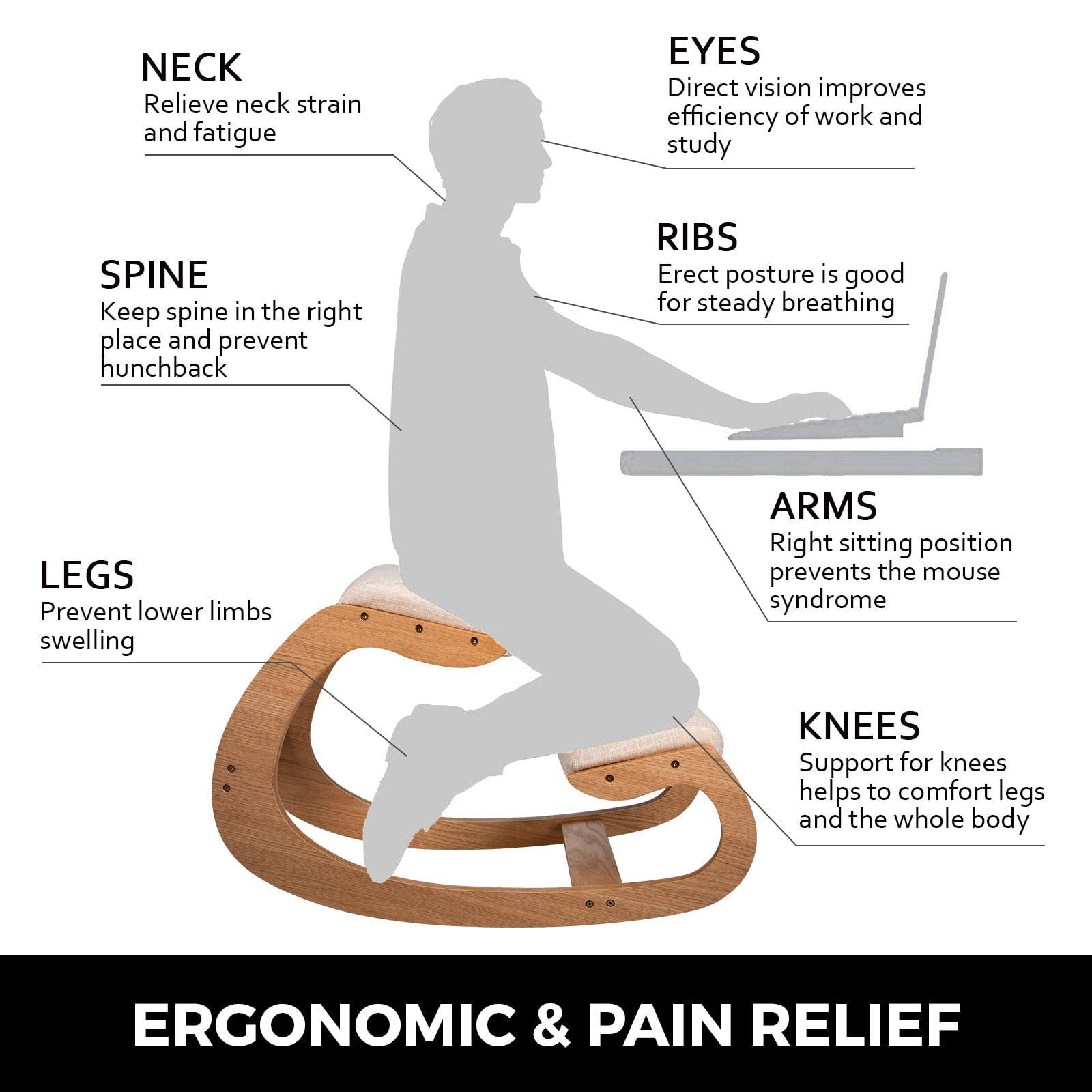
Imagine your spine as a column of blocks perfectly stacked. When you slouch, those blocks tilt, straining muscles and discs. The average desk worker spends over 7 hours seated—that's a lot of pressure on an unbalanced frame. An office chair for better posture acts like a scaffolding, holding your spine's natural S-curve even when you forget to sit up straight. Beyond looking professional, good posture boosts oxygen flow, sharpens focus, and prevents chronic back pain that plagues 80% of adults at some point (source: American Chiropractic Association).
Quick fact: For every inch your head moves forward from neutral, the weight felt by your neck muscles doubles. At 3 inches forward, it feels like 36 lbs! An ergonomic chair with proper lumbar support keeps your head aligned over your shoulders.
Decoding Posture: What Makes a Chair 'Posture-Friendly'?
Not all chairs labeled "ergonomic" truly correct posture. The magic lies in specific adjustability that works in harmony with your body's hinges—hips, knees, and spine. Let's dissect the essential components.
1. Lumbar Support: More Than Just a Bump
A static lumbar pad rarely fits everyone. A true posture-improving chair offers height-adjustable and depth-adjustable lumbar. The curve should fit into the small of your back (the lumbar lordosis). If it pokes too high or low, it forces your spine into an unnatural arch.
- Height range: Look for 6-10 cm of vertical adjustment to match your belt line.
- Depth/pressure: Some chairs let you inflate or tighten the lumbar curve.
- Example: "Active" lumbar that moves as you recline keeps support constant.
2. Seat Depth: The Thigh Support Rule
When you sit, you should have 2-4 fingers gap between the back of your knee and the seat edge. If the seat is too long, you'll slouch forward to avoid pressure; too short, and thighs lack support. A chair with sliding seat pan (at least 5 cm travel) is non-negotiable for posture.
3. Backrest Height & Shape
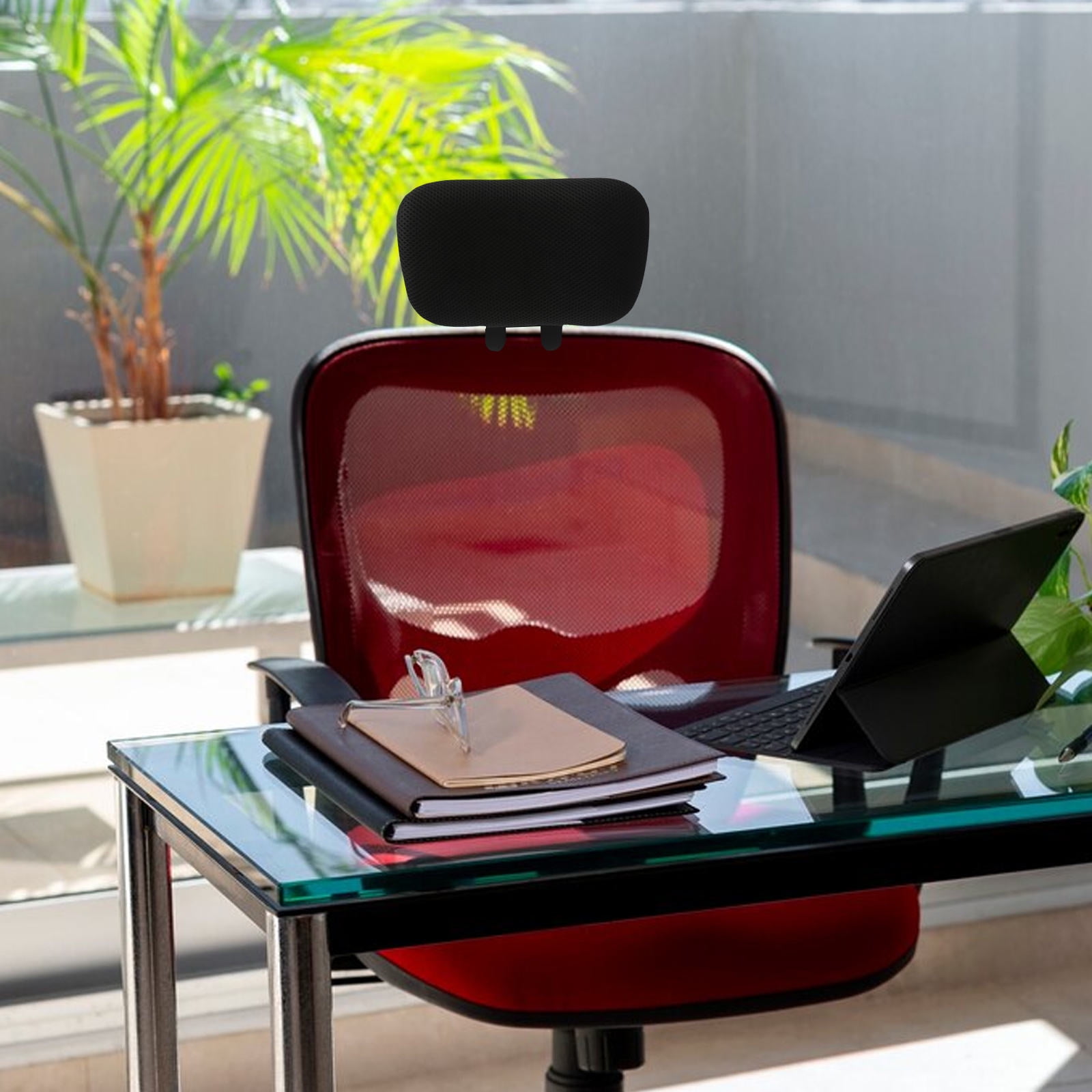
There are two camps: mid-back (supports lumbar and thoracic) and high-back (includes shoulder support). For posture, a high-back with a contoured frame that follows the spine's curve is excellent—it reminds you to keep shoulders back. Look for an adjustable backrest height if multiple users share the chair.
4. Tilt Tension and Synchronous Mechanism
Static sitting kills posture. A good mechanism lets you recline smoothly while keeping your feet planted. Synchronous tilt (seat and back move together at a ratio, usually 1:2 or 1:3) ensures that as you lean back, your thighs don't lift, maintaining a healthy hip angle. Tilt tension should be adjustable to your weight so you're not fighting the chair.
5. Armrests: 4D is Your Friend
Armrests that only go up/down aren't enough. To avoid shoulder hunching, you need width and pivot adjustment. Elbows should rest at 90°, shoulders relaxed. Pivoting armrests allow you to get closer to the desk, reducing forward lean.
Quick Anatomy of Posture vs. Slouch
| Aspect | Ideal (Chair supports this) | Slouch (Chair prevents this) |
|---|---|---|
| Ears | Over shoulders | Forward (text neck) |
| Shoulders | Back & down | Rounded forward |
| Spine | Natural S-curve | C-curve (hunch) |
| Pelvis | Neutral or slight forward tilt | Posterior tilt (tailbone tucks under) |
An effective office chair for better posture uses contours and adjustments to nudge your body into the ideal column—without you having to think about it constantly.
Material & Comfort: Supporting the Spine
Advanced Mesh (e.g., breathable backs)
- Dynamic contour: Stretches with movement, never fights your back.
- Temperature regulation: No sweat, so you don't fidget.
- Firm support: Often provides 'just right' resistance.
High-Density Foam / Leather
- Conforming: Molds to your shape over minutes.
- Stability: Excellent for those who prefer a 'hugged' feeling.
- Caution: Too soft can encourage sinking and poor alignment.
Analogy: Think of your chair as the chassis of a high-end car. The chassis (chair frame) keeps everything aligned; the suspension (cushion/lumbar) absorbs bumps and keeps the wheels (your hips/shoulders) tracking straight. Without a solid chassis, even the best engine (you) performs poorly.
Frequently Asked Questions About Posture & Office Chairs
Conclusion: Invest in Alignment, Reap the Energy
Selecting an office chair for better posture is a personal journey, but the principles are universal: adjustability that fits YOUR body, not a mythical 'average' person. Start by identifying your problem areas—lower back ache, neck stiffness, or shoulder fatigue—and target chairs that excel in those adjustment zones.
Remember, the best chair is one that disappears beneath you, letting you focus on work while quietly holding your spine in its natural, powerful stance. Use the affiliate listings above to explore models that put science behind the seat.