

Why Your Home Office Chair Is The Backbone Of Productivity
Imagine your home office chair as the chassis of a luxury car — if it's unstable or poorly designed, the entire driving experience suffers. For remote workers, freelancers, and corporate employees, a recommended home office chair isn't just a piece of furniture; it's a strategic investment in health, focus, and career longevity. Studies from the Journal of Occupational Health indicate that professionals who use ergonomically optimized seating report 47% less fatigue and a 33% increase in sustained concentration.
Why "Recommended" Matters: The market is flooded with options, but a truly recommended home office chair must pass rigorous criteria: adjustable lumbar support, seat depth flexibility, robust weight capacity, breathable material, and a minimum 5-year warranty. Our selections below meet these benchmarks.
The 5 Pillars of an Ergonomic Home Office Chair
Before diving into specific models, understanding the anatomy of a high-performance chair helps you make an informed decision. Here are the non-negotiable pillars:
- Dynamic Lumbar Mechanism: Unlike static backrests, top chairs feature independent lumbar depth and height adjustment, ensuring the curve matches your spine's natural contour.
- Seat Depth Adjustment: A waterfall-edge seat that slides forward/backward prevents pressure behind the knees and supports proper thigh distribution.
- 4D Armrests: Height, width, pivot, and depth adjustments allow you to rest elbows at a 90-degree angle, reducing shoulder tension during long typing sessions.
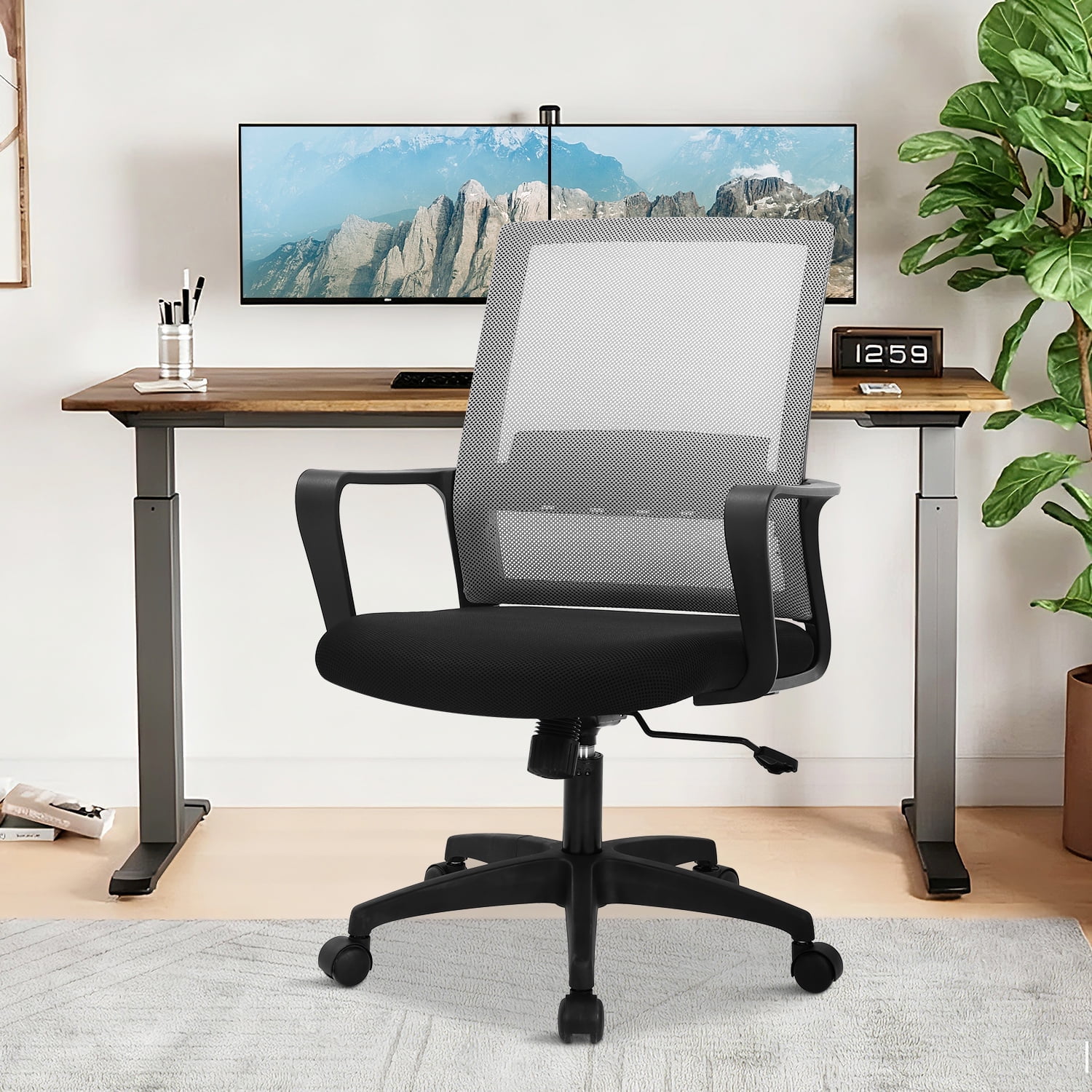
- Breathable Material Strategy: Mesh offers airflow, while premium foam with cooling gel reduces heat buildup. The best chairs use hybrid systems.
- Base Stability & Casters: A five-point aluminum or reinforced nylon base with smooth-rolling casters (suitable for hardwood or carpet) ensures safety and effortless movement.
Ergonomics vs. Aesthetics: Striking The Perfect Balance
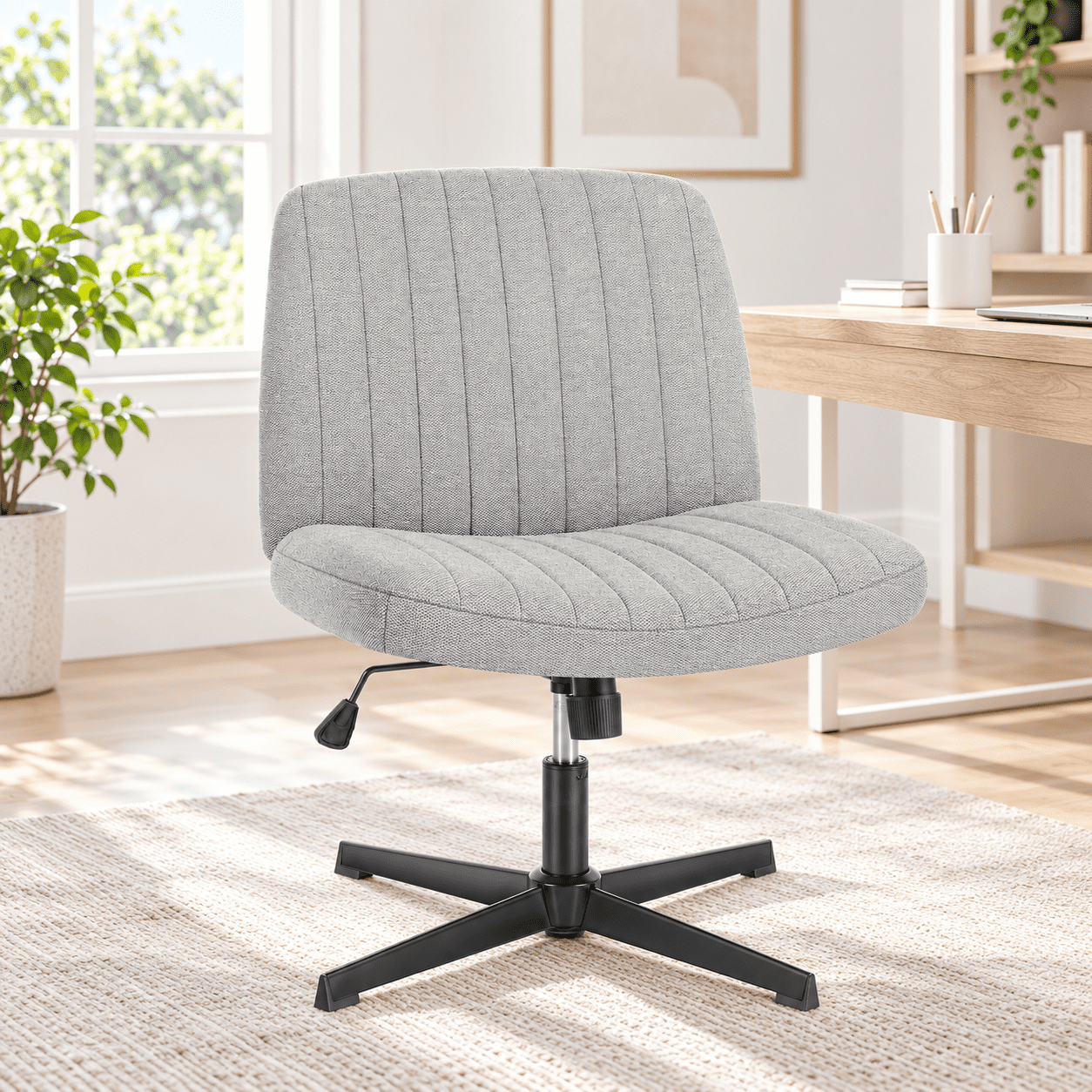
Many professionals hesitate because they fear ergonomic chairs look "clinical." However, today's recommended home office chairs blend sleek Scandinavian design with high-tech ergonomics. For example, chairs featuring polished aluminum frames, color-customizable mesh, or vegan leather upholstery can complement modern home office decor without sacrificing adjustability. The key is to prioritize functionality first, then select finishes that match your style.
Spinal Alignment Boost
Proper pelvic support reduces slouching, lowering the risk of herniated discs by up to 38% according to spinal health research.
Energy & Circulation
Seat tilt and active recline mechanisms promote micro-movements, keeping blood flowing and preventing afternoon energy crashes.
Long-Term Durability
Recommended chairs use Class 4 gas lifts (tested for 100,000+ cycles) and high-density cold-cure foam that retains shape for years.
Productivity Multiplier
Fewer discomfort distractions lead to deeper work sessions — a 2024 Cornell study linked ergonomic seating to a 21% rise in task efficiency.
Material Deep-Dive: What To Look For In Home Office Chairs
Your choice of material impacts comfort, maintenance, and longevity. Below we compare the most common upholsteries found in recommended home office chairs.
High-Performance Mesh
- Advantages: Unbeatable breathability, self-adapts to body shape, low maintenance, lightweight.
- Best For: Warm climates, long-hour workers, modern home offices.
- Longevity: Premium mesh resists sagging for 8–10 years.
Premium Fabric / Velvet
- Advantages: Plush texture, wide color options, softer feel, quieter movement.
- Considerations: Requires periodic cleaning; may trap dust. Look for stain-resistant treatments.
Top-Grain Leather
- Advantages: Luxurious look, easy wipe-clean, develops patina, extremely durable (10–15 years).
- Considerations: Higher initial cost, can feel warm in summer, requires occasional conditioning.
Eco / PU Leather
- Advantages: More affordable, easy to clean, vegan-friendly.
- Durability: Typically 3–5 years; avoid direct sunlight to prevent cracking.
Step-by-Step: How to Select Your Ideal Recommended Home Office Chair
Step 1: Evaluate Your Workstation & Body Metrics
Measure your desk height, monitor position, and your own body dimensions. Key metrics: Seat height range (ensure your knees are at 90°), seat width (at least 19–20 inches for average users, wider for plus-size), and backrest height (should support mid-to-upper back). People over 6'2” require chairs with an extended back or adjustable headrest.
Step 2: Match Your Sitting Duration & Tasks
If you sit 6–8 hours daily, prioritize breathable mesh and multi-point tilt lock. For those who alternate between standing desks, a chair with synchronized tilt mechanism keeps you active. For conference calls and multitasking, 4D armrests are essential to support varied postures.
Step 3: Test Adjustability Before Committing
Even online, look for chairs with independent lumbar tension, seat slider, and tilt tension control. Many top brands offer 30-day trial periods. Simulate typing position: arms should rest parallel to the floor without shoulder elevation.
Step 4: Verify Warranty & Return Policy
A confident manufacturer offers at least 5 years on components and 10 years on frame. Check that return shipping is covered — this is a hallmark of a truly recommended product.
Common Myths About Home Office Chairs — Debunked
Misinformation often leads to poor purchases. Let's separate fact from fiction:
- Myth: Expensive chairs are always better. Not necessarily — a moderately priced chair with full adjustability outperforms a luxury chair with limited ergonomics.
- Myth: You only need lumbar support if you have back pain. Prevention is key; even healthy spines benefit from proper alignment to avoid future issues.
- Myth: Armrests are optional. In reality, they reduce shoulder strain by 30% when correctly adjusted, making them crucial for mouse-intensive work.
- Myth: Headrests are for napping. A well-positioned headrest supports the cervical spine during recline and helps maintain neutral neck posture during screen work.
Top Features Comparison: Quick Reference
| Feature | Entry-Level (Under $400) | Mid-Range ($400–$800) | Premium ($800+) |
|---|---|---|---|
| Lumbar Support | Fixed or basic contour | Adjustable height/depth | Dynamic + tension control |
| Seat Depth | Fixed | Slider (2–3 inches) | 4+ inch + angle tilt |
| Armrests | 2D (height/pivot) | 3D (height, width, pivot) | 4D + independent rotation |
| Material Options | Fabric / PU leather | Mesh / premium fabric | Breathable mesh / top-grain leather |
| Warranty | 2–3 years | 5–7 years | 10 years to lifetime |