
Why the Quest for the Most Comfortable and Durable Office Chair Matters
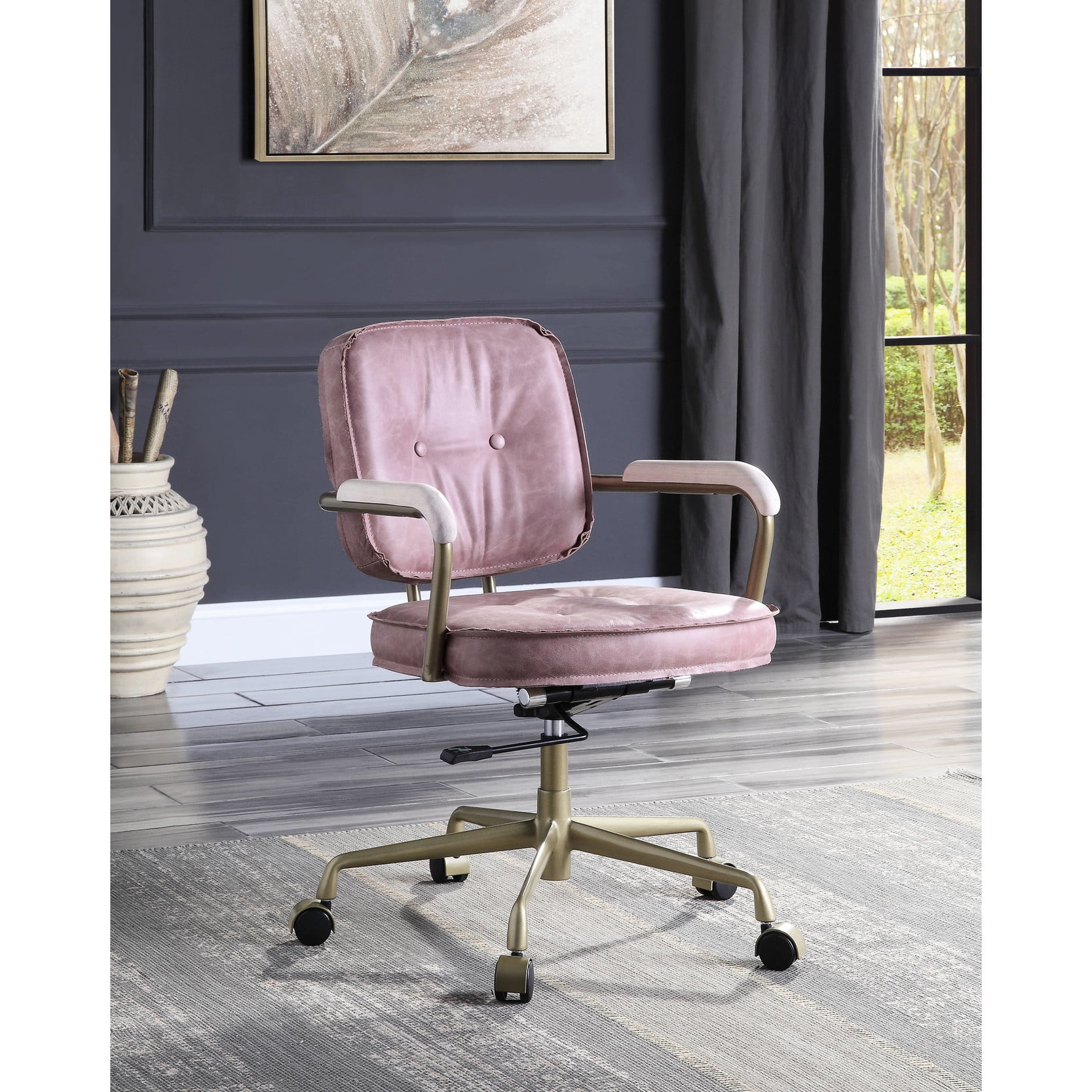
In today's work environment, where remote and hybrid models are standard, your office chair has become the anchor of your professional life. The search for the most comfortable and durable office chair is not merely about luxury—it's a strategic investment in your physical health, daily focus, and long-term financial savings. A chair that loses its cushioning after two years or develops a persistent squeak within months undermines productivity and can lead to chronic back issues.
Industry Insight: The average professional spends 50,000 hours seated over a career. A chair built with high-density cold-cure foam (retaining 95% of its shape after years) and a certified Class 4 gas cylinder can reduce replacement costs by up to 70% compared to budget alternatives. Ergonomic studies confirm that proper support boosts cognitive performance by 15–20%.
The Architecture of Comfort: What Sets Apart Truly Comfortable Chairs
Comfort is subjective, but engineering principles define it. The most comfortable and durable office chair features a layered approach to ergonomics:
- Dynamic Lumbar Support: Not just a static pad, but a mechanism that moves with your spine. Look for adjustable height and depth (up to 2 inches) to fit the natural curve of your lower back.
- Multi-Density Foam Seats: A firm base layer (support) topped with a softer comfort layer prevents "bottoming out" even after 10-hour sitting marathons.
- Waterfall Seat Edge: Reduces pressure behind the knees, promoting healthy circulation—essential for long days in the executive suite or home office.
- 4D Armrests: Adjustable in height, width, depth, and pivot allow you to rest your arms in a neutral position, reducing shoulder strain.
Durability Decoded: How to Identify a Chair Built to Last
Durability goes beyond the warranty sticker. Examine these five critical components:
- Frame Construction: Steel or aluminum frames outlast plastic. High-end chairs use reinforced nylon with metal inserts for stress points.
- Gas Lift Class: Class 4 gas lifts are rated for 150,000+ cycles (approx. 15 years of daily use). Class 3 lifts are common in mid-range chairs.
- Base Material: A 5-star aluminum base resists corrosion and cracking far better than plastic, especially for users over 200 lbs.
- Caster Quality: Dual-wheel, hard-floor casters with polyurethane coating protect flooring and glide smoothly for years without breaking.
- Upholstery Tension: High-quality woven mesh or top-grain leather is tested for abrasion resistance (Martindale score >50,000 for fabrics).
Material Showdown: Leather, Mesh, or Fabric for Ultimate Longevity?
Choosing the right material affects both comfort lifespan and maintenance. Here's a detailed comparison to help you decide:
Premium Leather
Comfort: Molds to body over time, breathable (perforated options available).
Durability: 10–15 years with regular conditioning; resists spills.
Best For: Executive offices, traditional settings, those wanting luxury that ages gracefully.
Advanced Mesh
Comfort: Excellent airflow, temperature neutral, conforms to movement.
Durability: High-tensile mesh resists sagging for 8–12 years; easy to clean.
Best For: Hot climates, modern aesthetics, users who prefer firm, breathable support.
Commercial-Grade Fabric
Comfort: Soft, warm, and available in numerous colors; usually with high-density foam.
Durability: Solution-dyed polyester can last 5–8 years with stain-resistant treatments.
Best For: Creative industries, value-conscious buyers, colder environments.
Key Ergonomic Features That Promote All-Day Comfort
To be the most comfortable and durable office chair, the product must adapt to you. Here are non-negotiable features:
- Adjustable Seat Depth: Allows 2–3 inches of slide adjustment so you can position the seat pan to leave 2–3 fingers of space behind your knees.
- Synchronous Tilt Mechanism: The seat and backrest move together in a ratio that keeps your feet flat and your vision level as you recline.
- Adjustable Tilt Tension: Controls the resistance to recline, accommodating different body weights and preferences.
- Headrest (Optional but Valuable): For those who recline during calls or suffer from neck strain, a height-adjustable headrest adds critical support.
Health & Productivity: The Unseen Benefits of a Quality Seat
Beyond tangible comfort, a durable ergonomic chair delivers measurable health improvements:
Reduced Musculoskeletal Disorders
Proper support decreases pressure on the spine by up to 35% and minimizes risk of sciatica.
Enhanced Focus & Energy
Comfort eliminates fidgeting and discomfort, allowing for deeper concentration during complex tasks.
Improved Posture Over Time
Consistent use of an ergonomic chair retrains muscle memory, leading to better standing posture.
Financial Savings
A quality chair avoids medical bills and productivity loss from work-related back pain.
Selection Guide: How to Choose Your Ideal Chair
Follow this step-by-step process to ensure you invest in the chair that truly fits your needs:
Step 1: Measure Your Workspace and Body
- Desk Height: Standard desks are 29–30 inches. Ensure the chair’s height range (usually 16–21 inches) fits.
- User Height & Weight: Tall users need a higher backrest; heavy users require reinforced construction (400+ lb capacity).
Step 2: Prioritize Adjustability Based on Usage
- Task-Oriented (8+ hours/day): Prioritize seat depth, lumbar, and 4D armrests.
- Hybrid (meetings + deep work): Recline function with tilt lock is essential.
Step 3: Test the Warranty and Return Policy
- Look for at least 10-year coverage on the frame and 5-year on components. Brands that offer generous warranties stand behind durability.
Maintenance Tips to Extend Chair Life
Even the most durable chair needs care. To keep your chair in top condition:
- Clean Upholstery Regularly: Wipe leather with conditioner every 6 months; vacuum mesh and fabric to prevent dust buildup.
- Tighten Bolts and Screws: Every 3–6 months, check and tighten all fasteners to prevent wobbling.
- Lubricate Moving Parts: Silicone spray on tilt mechanisms and gas lift levers prevents squeaking.
- Protect Casters: Use a chair mat on carpets or hard floors to reduce friction and debris accumulation.