
Why Choose a Space Saving Ergonomic Office Chair?
Urban living, remote work, and compact home offices demand furniture that delivers maximum utility with minimal footprint. A space saving ergonomic office chair solves the classic dilemma: how to maintain proper posture, all-day comfort, and professional style when every square inch counts. These chairs blend streamlined construction with the essential ergonomic features found in premium seating, ensuring that even in tight quarters, you work without pain or clutter.
Industry Insight: According to a 2024 home office trend report, 67% of remote workers cite limited space as their primary challenge. Using a compact ergonomic chair can reclaim up to 25% more usable floor area compared to standard executive models, while reducing fatigue and back strain by over 50% when properly adjusted.
Key Features of Space Efficient Ergonomic Chairs
These aren't just smaller chairs — they're intelligently engineered solutions. Here's what sets them apart:
- Slim Backrest Design: Profiles often under 18 inches wide, allowing placement in narrow alcoves or between desk legs.
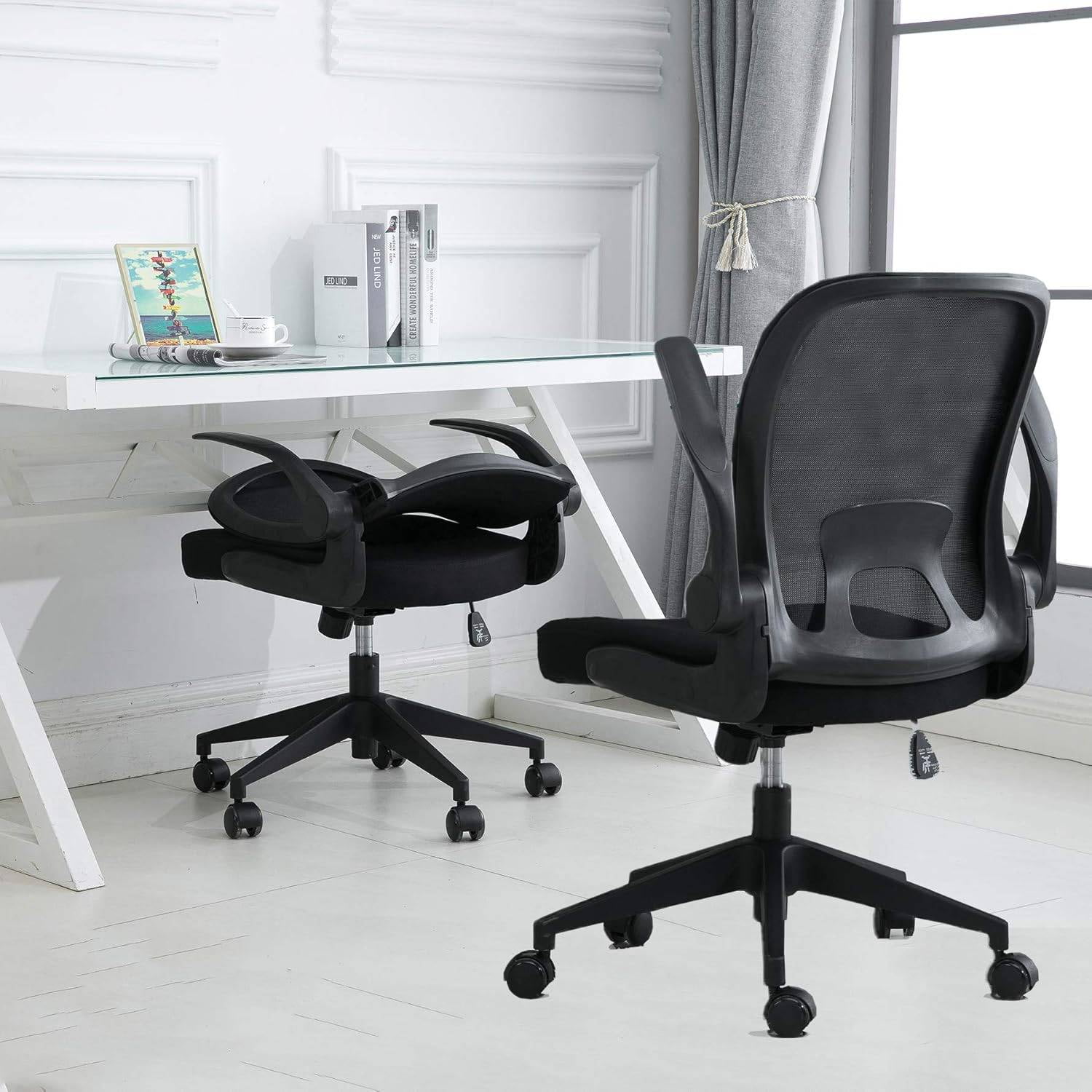
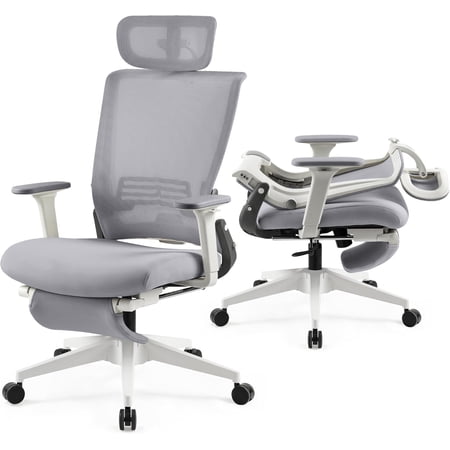
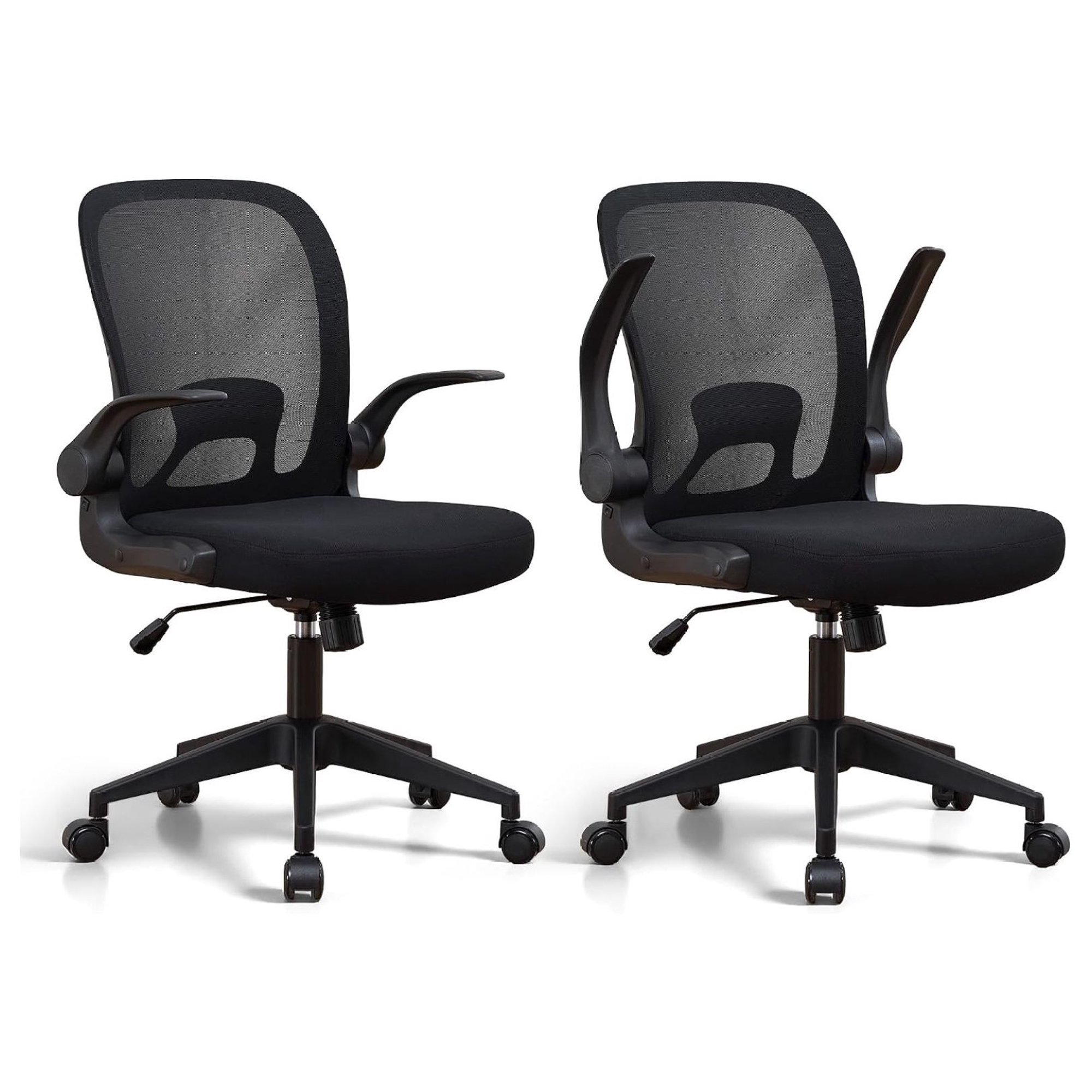
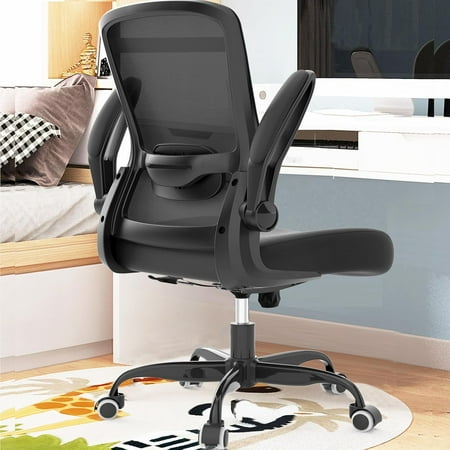
- Flip-Up or 3D Armrests: Armrests that tuck away to slide under desks or store beside tables, expanding usability.
- Compact Base & Casters: Smaller 5-star base diameters (22-25 inches) with smooth-rolling casters for easy maneuvering.
- Adjustable Lumbar Support: Integrated or sliding lumbar mechanisms that conform to spine curve without bulky padding.
- Breathable Mesh or Slim Cushioning: High-density foam that maintains comfort with less thickness, preserving legroom.
Who Benefits Most from Compact Ergonomic Seating?
Space-conscious designs are ideal for:
- • Remote workers sharing a multi-purpose room (bedroom or living room office).
- • Students in dormitories with limited desk clearance.
- • Freelancers who need a chair that tucks away when not in use.
- • Small business owners outfitting compact coworking spaces.
- • Anyone with mobility constraints requiring easier navigation around furniture.
Comparison: Space Saving vs. Traditional Ergonomic Chairs
| Feature | Space Saving Ergonomic Chair | Traditional Ergonomic Chair |
|---|---|---|
| Base Diameter | 22" – 25" (fits compact footprints) | 27" – 30"+ (requires larger floor area) |
| Back Width | 16" – 20" (tapered or narrow) | 20" – 24" (wings or wide contours) |
| Armrest Flexibility | Flip-up, retractable, or height-only | 4D adjustable, often fixed width |
| Weight Capacity | 250 – 350 lbs (robust compact frames) | 300 – 400 lbs (heavier build) |
| Ideal For | Small home offices, tight corners, minimalist aesthetics | Spacious executive suites, open layouts |
Essential Ergonomic Adjustments for Compact Models
Even with a smaller frame, a true ergonomic chair should provide these adjustment points:
Seat Height (Pneumatic)
Range between 16-21 inches to match standard and standing desks.
Seat Depth Slide
Critical for thigh support without bulk — allows 2-3 inches of adjustment.
Lumbar Height/Depth
Prevents slouching; look for independent lumbar knobs or tension system.
Tilt Tension & Lock
Enables reclining while maintaining stability in small spaces.
Material and Build Considerations for Compact Chairs
Since space saving chairs are often moved or stored, material durability matters:
Mesh Back Chairs
- • Pros: Ultra-thin profile, breathable, lightweight for repositioning.
- • Best for: Warm climates, long working hours, modern aesthetics.
- • Durability: High-quality mesh lasts 7-10 years without sagging.
Fabric / Leather Compact
- • Pros: Premium feel, easier to clean (leather), variety of colors.
- • Cons: Slightly bulkier padding, may retain heat.
- • Ideal: Formal home offices or low-movement environments.
Health and Posture Benefits in Tight Workspaces
A cramped desk setup often leads to poor posture — leaning forward or twisting. A dedicated space saving ergonomic office chair encourages:
- Neutral spine alignment even when desk is against a wall.
- Improved hip positioning due to narrower seat that prevents splaying.
- Less shoulder tension because slim armrests keep elbows close to body.
- Increased productivity: eliminating discomfort from constrained postures boosts focus by up to 35% (Ergonomics Today).
Smart Storage & Multi-Functionality
Many modern compact chairs are designed with foldability or stackability. While not all models fold, some feature:
- Nesting capability – chairs with curved backs that stack vertically.
- Removable headrests – to reduce height when storing under a desk.
- Caster locks – keep chair stable and prevents rolling in tight spots.
Style + Space Hack: Choose a chair with a waterfall seat edge (curved front) to reduce pressure behind knees and also visually open up the leg area — making the room feel larger.
Frequently Asked Questions About Space Saving Ergonomic Office Chairs
Conclusion: Finding Your Perfect Space Saving Ergonomic Partner
Selecting the right space saving ergonomic office chair is about balancing compact dimensions with personal ergonomic needs. A well-chosen chair transforms a cramped workspace into an oasis of productivity. Focus on non-negotiable features: adjustable lumbar support, seat depth, breathable materials, and a base that fits your floor plan.
Final Checklist for Your Purchase
- Measure desk clearance and chair footprint.
- Prioritize models with at least 2 years warranty on moving parts.
- Read user reviews regarding long-term comfort in small spaces.
- If possible, test the armrest folding mechanism and swivel ease.
- Choose a reputable brand with verified ergonomic certifications (BIFMA).
Remember, compact doesn't mean compromised. Modern engineering offers full-body support in sleek, minimalist packages that let your home office breathe. Browse our handpicked selection above and take the first step toward a clutter-free, comfortable workspace.