
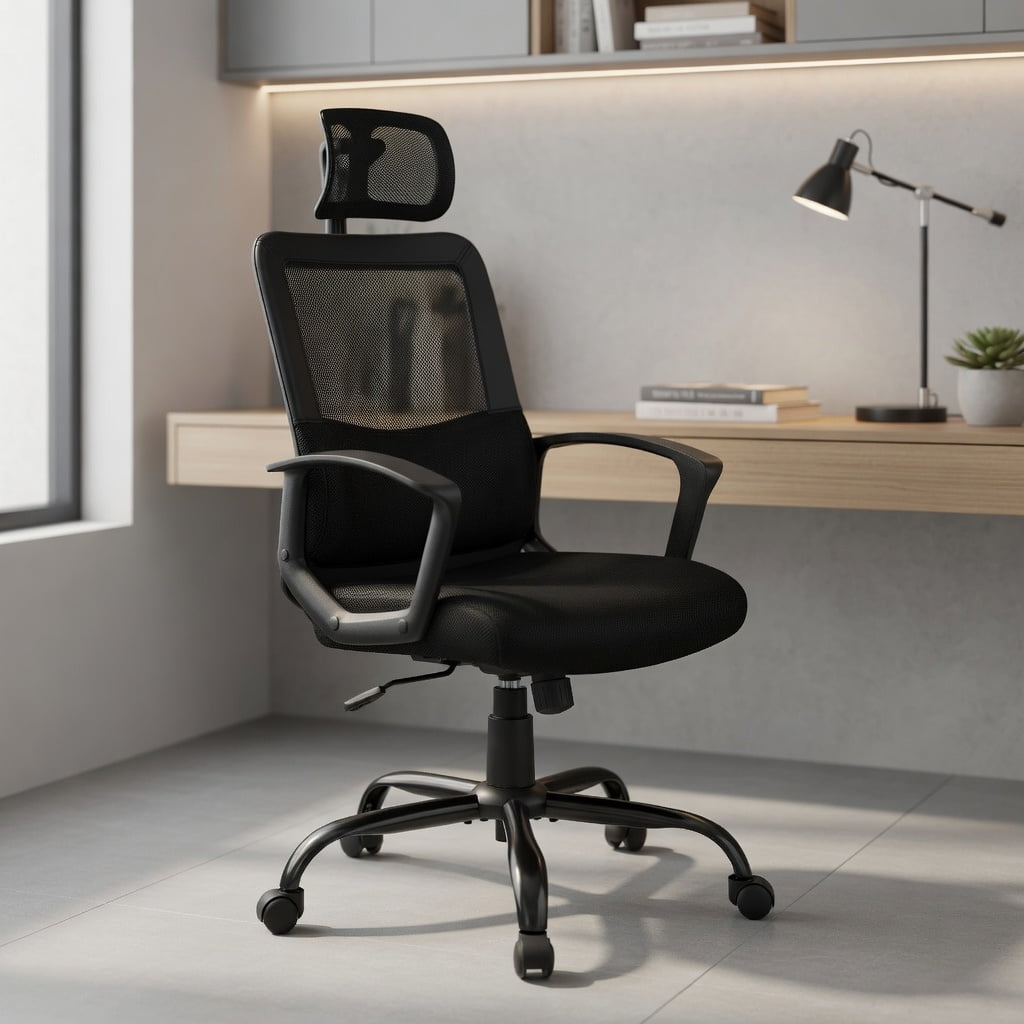
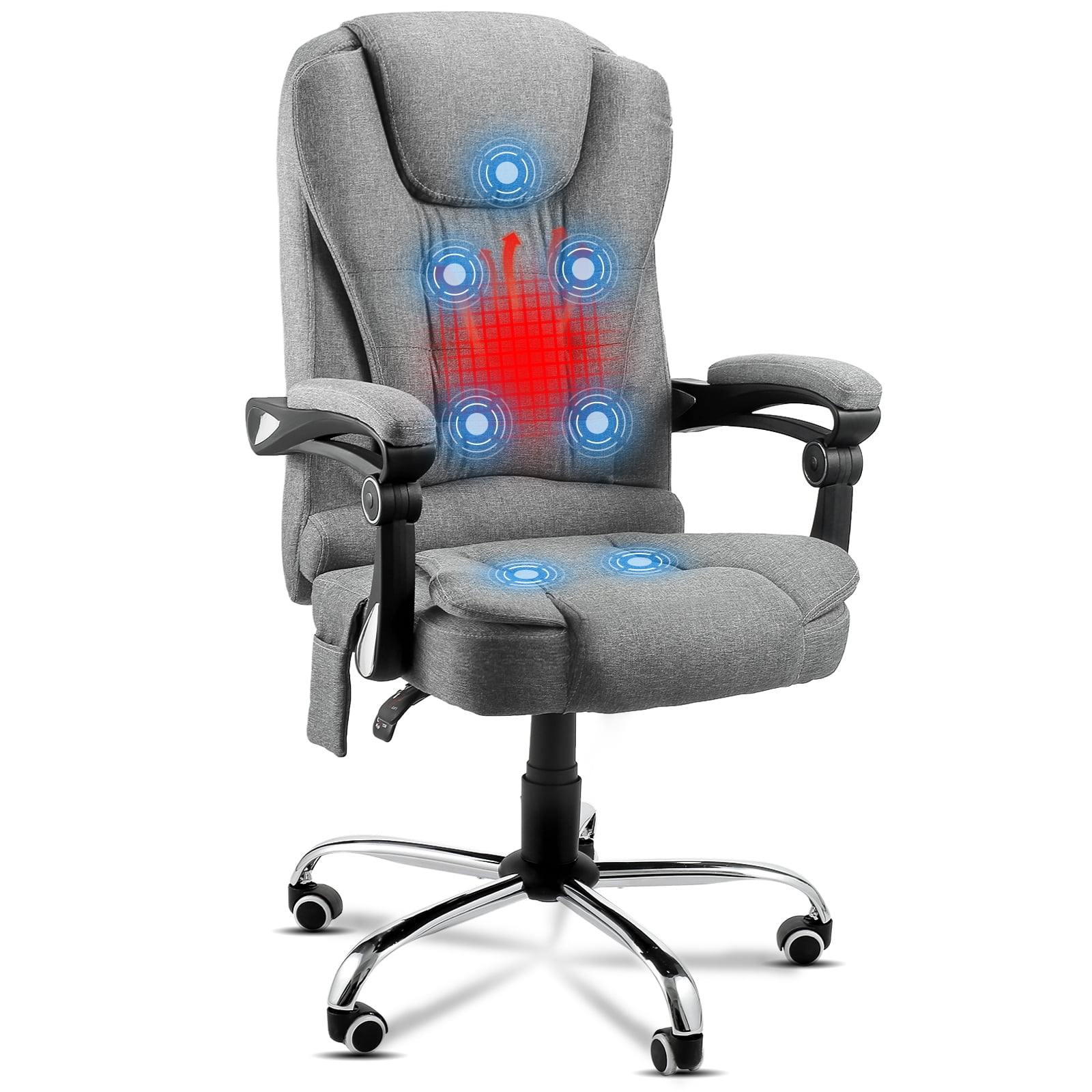
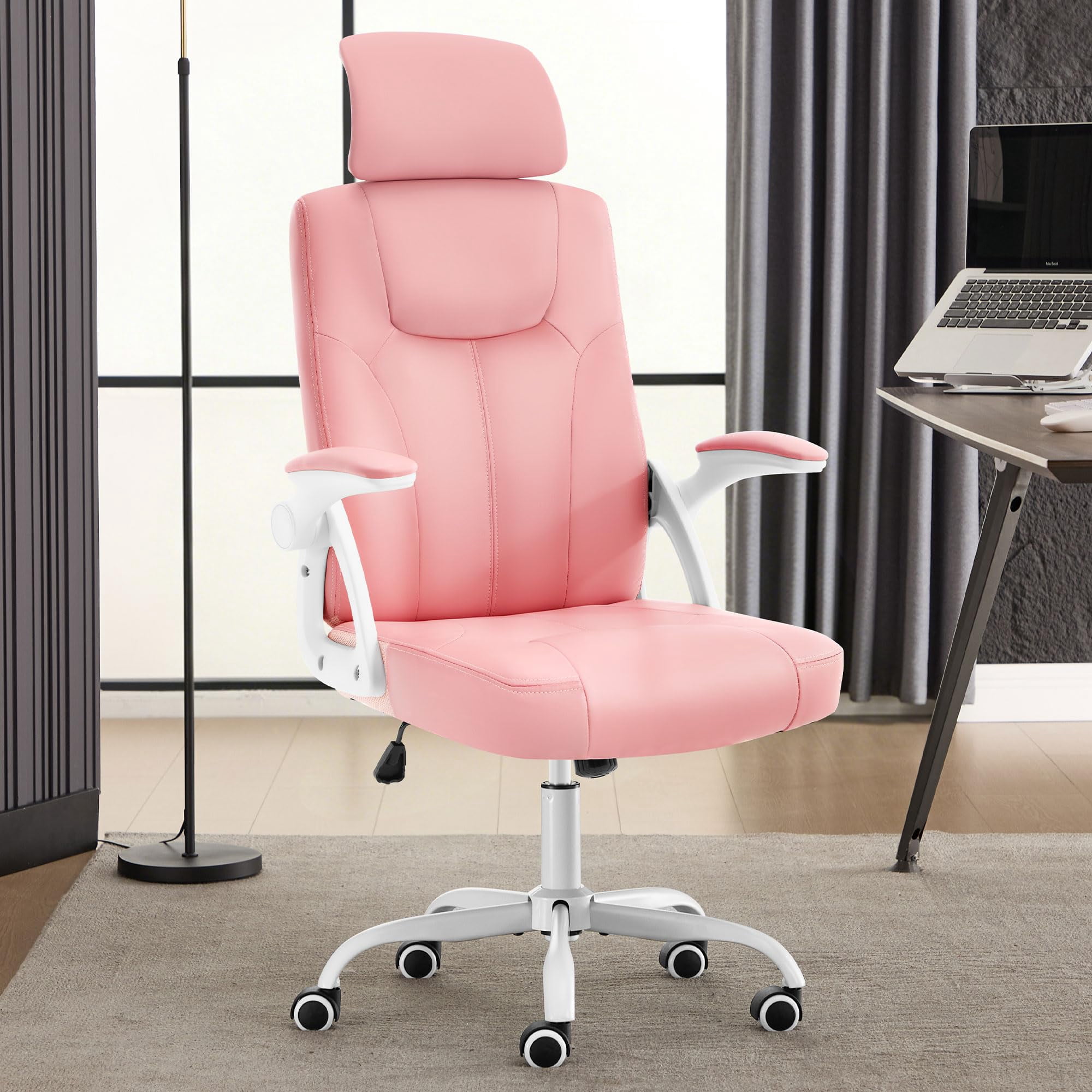
Why Standard Chairs Fail Larger Bodies — and How Ergonomic Design Fixes It
Imagine wearing a suit two sizes too small all day: it restricts movement, creates pressure points, and eventually tears. That’s exactly what happens when a large person sits in a standard office chair. The seat pan digs into thighs, armrests are too narrow, and the backrest offers zero lumbar support where it’s needed most. A dedicated ergonomic office chair for a large person is engineered with wider dimensions, higher weight tolerances, and reinforced mechanics. It’s not a luxury—it’s a workplace necessity.
Industry Data: According to the National Institute for Occupational Safety and Health (NIOSH), employees who use correctly fitted ergonomic chairs report 43% less musculoskeletal discomfort. For individuals over 250 lbs, the right chair can reduce absenteeism due to back pain by up to 37%.
Anatomy of a Heavy-Duty Ergonomic Chair
Not every "big and tall" chair is created equal. Here are the non-negotiable components you must examine:
- Reinforced 5-star base: Must be metal (steel or aluminum). Plastic bases flex and crack under 300+ lbs.
- Class 4 or 5 gas lift: The pneumatic cylinder should be rated for heavy loads. Class 4 supports up to 330 lbs, Class 5 up to 500 lbs.
- Seat width & depth: Minimum seat width of 22 inches (preferably 24"–28"). Depth adjustable between 19" and 22" to support thighs without cutting off circulation.
- High-density foam: Look for 2.5–3 lb density foam (vs. standard 1.8 lb). It resists sagging and maintains contour for years.
- Adjustable lumbar: Not a fixed bump. Must move vertically and in depth to align with the lumbar curve of taller individuals.
Key Differences: "Big & Tall" vs. True Ergonomic for Large Persons
Many chairs market themselves as "big and tall" simply by adding a few extra inches. But true ergonomics for a large person go beyond size. Consider this comparison:
| Feature | Standard "Big & Tall" | True Ergonomic (Large Person) |
|---|---|---|
| Frame material | Widened plastic/wood | Steel-reinforced or solid aluminum |
| Weight capacity | 300–350 lbs | 400–500+ lbs |
| Lumbar adjustment | Often fixed | Height & depth adjustable, extra range |
| Armrests | Fixed or 2D | 4D (up/down, in/out, pivot, width) |
| Seat foam | Standard 1.8 lb density | High-resilience 2.5–3 lb cold foam |
Health Impacts: Why Proper Support Matters More as Weight Increases
Carrying extra weight amplifies forces on the spine. Each additional 10 pounds increases spinal load by approximately 30 pounds when seated. An inadequately supportive chair can lead to:
- • Sciatic nerve compression from a seat pan that’s too short.
- • Rotator cuff strain from armrests that are too low or wide apart.
- • Lower back disc pressure three times higher than standing if lumbar support is absent.
A properly designed ergonomic office chair for a large person distributes weight evenly, reduces peak pressure points, and keeps the spine in a neutral position—even during 10-hour workdays.
Selection Guide: 5 Steps to Find Your Perfect Large-Person Ergonomic Chair
Step 1: Measure Your Body & Workspace
- Seat width: Sit on a flat surface, measure widest point across hips/thighs. Add 2 inches for comfort.
- Seat depth: From back of buttock to back of knee, subtract 2 inches. This prevents pressure behind knees.
- Shoulder height: While seated, measure from seat to top of shoulder. Backrest must exceed this.
- Desk height: Ensure chair’s maximum seat height matches your desk (usually 28–30" for standard desks).
Step 2: Set Your Non-Negotiables (The "Big Three")
- Weight capacity: Always choose a chair rated at least 50 lbs above your current weight. If you weigh 350 lbs, look for 400+ lb capacity.
- Adjustable lumbar: Must move up/down at least 4 inches to accommodate taller torsos.
- Seat width: Never settle for less than 22 inches. If you wear size XXL or above, target 26–28 inches.
Step 3: Material Durability Check
Leather: Full-grain or top-grain only—avoid bonded leather which peels. Mesh: Look for "polymer mesh" with reinforced borders, not cheap nylon that sags. Fabric: High-density weave with double stitching. Avoid thin polyester blends.
Step 4: Test Adjustability Range
Sit in the chair (if possible) and adjust everything: seat height, armrest width, tilt tension. For online purchases, scrutinize spec sheets. A good chair offers: seat height range 19"–23", armrest width adjustable between 18" and 24", backrest recline up to 130 degrees.
Step 5: Warranty & Return Policy
Because you’re investing in a heavy-duty model ($500–$1,200), ensure the warranty covers frame and mechanics for at least 10 years. A 30-day return policy is mandatory in case the fit isn't right.
Material Deep Dive: What Holds Up for Larger Users?
✅ Recommended Materials
- Steel frame + aluminum base: Virtually indestructible.
- High-density memory foam: 3 lb density retains shape.
- Commercial-grade 3D mesh: Breathable and tensioned to support weight.
- Full-grain leather: Develops patina, lasts 15+ years.
❌ Avoid These
- Plastic base with casters: Prone to cracking under 300+ lbs.
- Bonded leather: Peels within 2 years.
- Standard 1.8 lb foam: Goes flat in months.
- Thin mesh without reinforced edges: Tears at stress points.
Real-World Comfort: Features That Make a Difference
Beyond the specs, certain design elements dramatically improve daily comfort for a large person:
- Waterfall seat edge: Curved front edge that relieves pressure on thighs—critical for taller users.
- Adjustable seat depth: Allows proper thigh support without hitting the back of knees.
- Wide armrests with soft padding: Reduces shoulder strain; width adjustment lets you rest arms naturally.
- Synchro-tilt mechanism: The seat and backrest move together, keeping your feet planted while reclining—essential for stability.
Frequently Asked Questions — Ergonomic Chairs for Large Persons
Conclusion: Invest in a Chair That Respects Your Body
Choosing an ergonomic office chair for a large person is not about finding a "bigger" chair—it's about finding smarter engineering. From reinforced steel frames to adjustable lumbar that reaches your exact curve, the right chair pays dividends in comfort, focus, and long-term spinal health. Use the checklist above, prioritize metal bases and high-density foam, and never compromise on seat width. Your back (and your productivity) will thank you.