
The Myth of the "Ugly" Ergonomic Chair
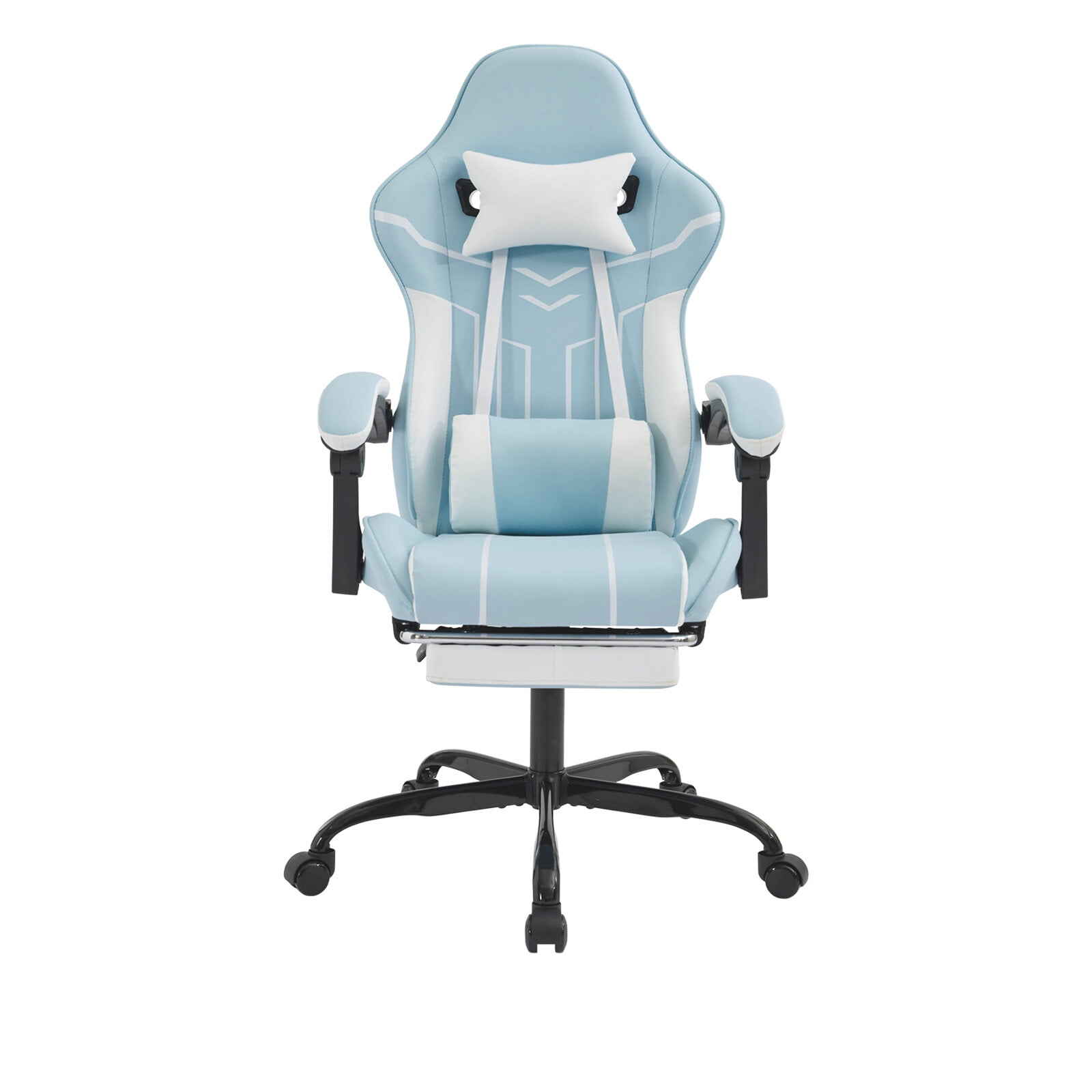
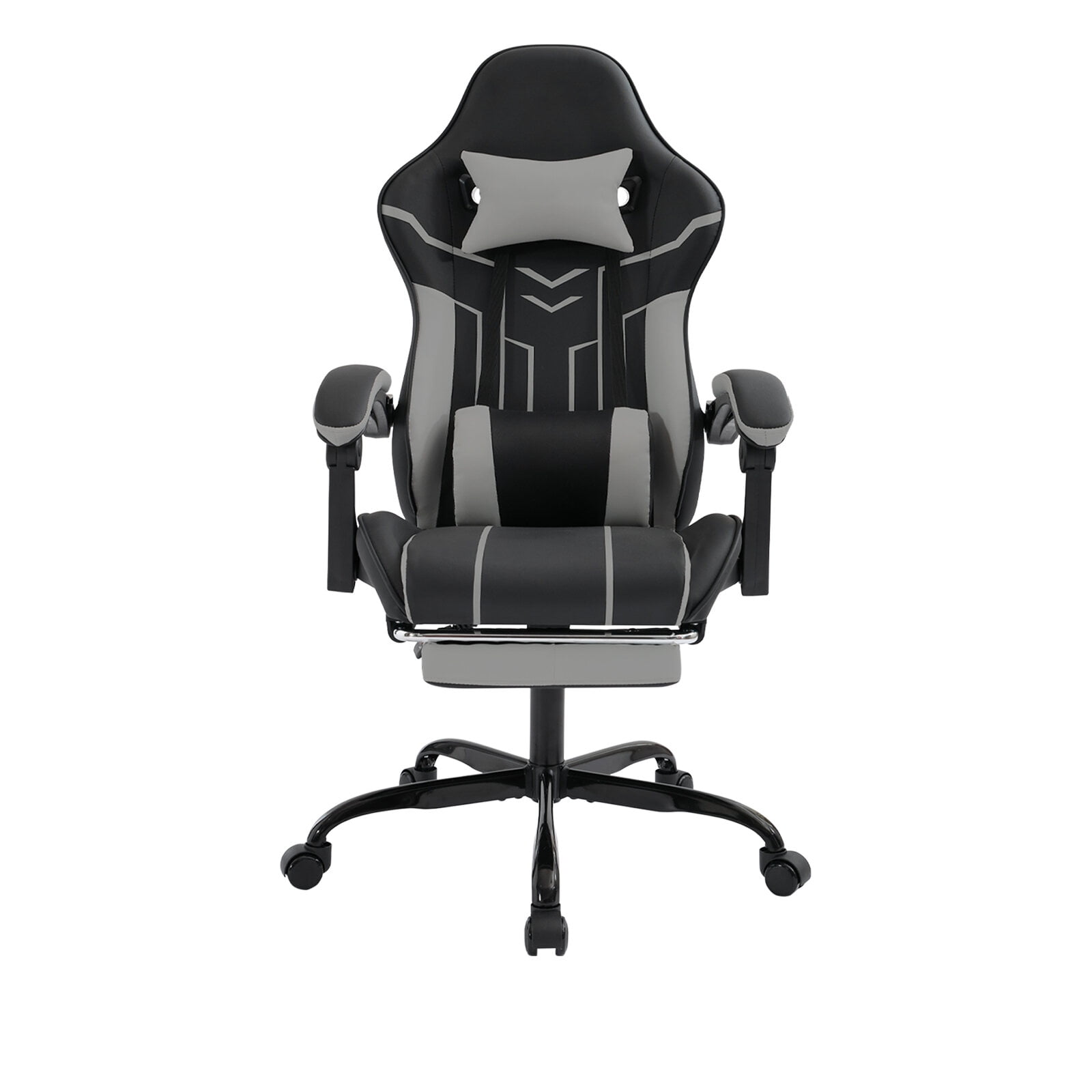
For years, the phrase "ergonomic office chair" conjured images of bulky, utilitarian structures that prioritized function over form. They were the office equivalent of sensible shoes—good for you, but not something you'd want to show off. Today, that stereotype is officially dead. The demand for an ergonomic office chair that looks good has reshaped the industry, leading to a new generation of seating that is as visually appealing as it is health-conscious.
Think of it like the evolution of the electric car. Early models were efficient but quirky-looking. Now, they are some of the most desirable vehicles on the road, combining cutting-edge technology with stunning design. The same revolution has happened in office seating. You can now find chairs with the sleek lines of Scandinavian furniture, the luxurious feel of Italian leather, and the advanced adjustability of a piece of medical technology—all in one package.
Why "Looks Good" Matters as Much as "Feels Good"
Your office chair is one of the most used pieces of furniture in your home or workplace. It's a constant presence. According to a study by the Society for Human Resource Management, a well-designed workspace can improve employee morale by up to 33%. A chair that clashes with your decor or looks purely industrial can be a subtle but constant source of dissatisfaction. Conversely, a stylish chair that complements your space creates an environment you enjoy being in, which can boost creativity and productivity.
Industry Insight: A survey by a major furniture retailer found that 68% of remote workers consider the aesthetics of their home office furniture just as important as its functionality. They want a space that is both productive and a reflection of their personal style.
The Anatomy of a Stylish Ergonomic Chair: Key Features to Look For
Finding the perfect balance requires knowing what to look for. It's not just about picking a pretty chair; it's about finding one where design and ergonomics are seamlessly integrated.
1. Material Selection: The Foundation of Form
The material is the first thing you'll notice. Here's how different options stack up for style and comfort:
- Premium Mesh: Offers a clean, modern, and airy aesthetic. It's perfect for a minimalist or contemporary office. Look for chairs where the mesh is tightly woven and frames the back in a sculptural way.
- Top-Grain Leather: The epitome of classic luxury. A leather chair adds a touch of executive sophistication and gravitas to any room. It ages beautifully, developing a unique patina over time.
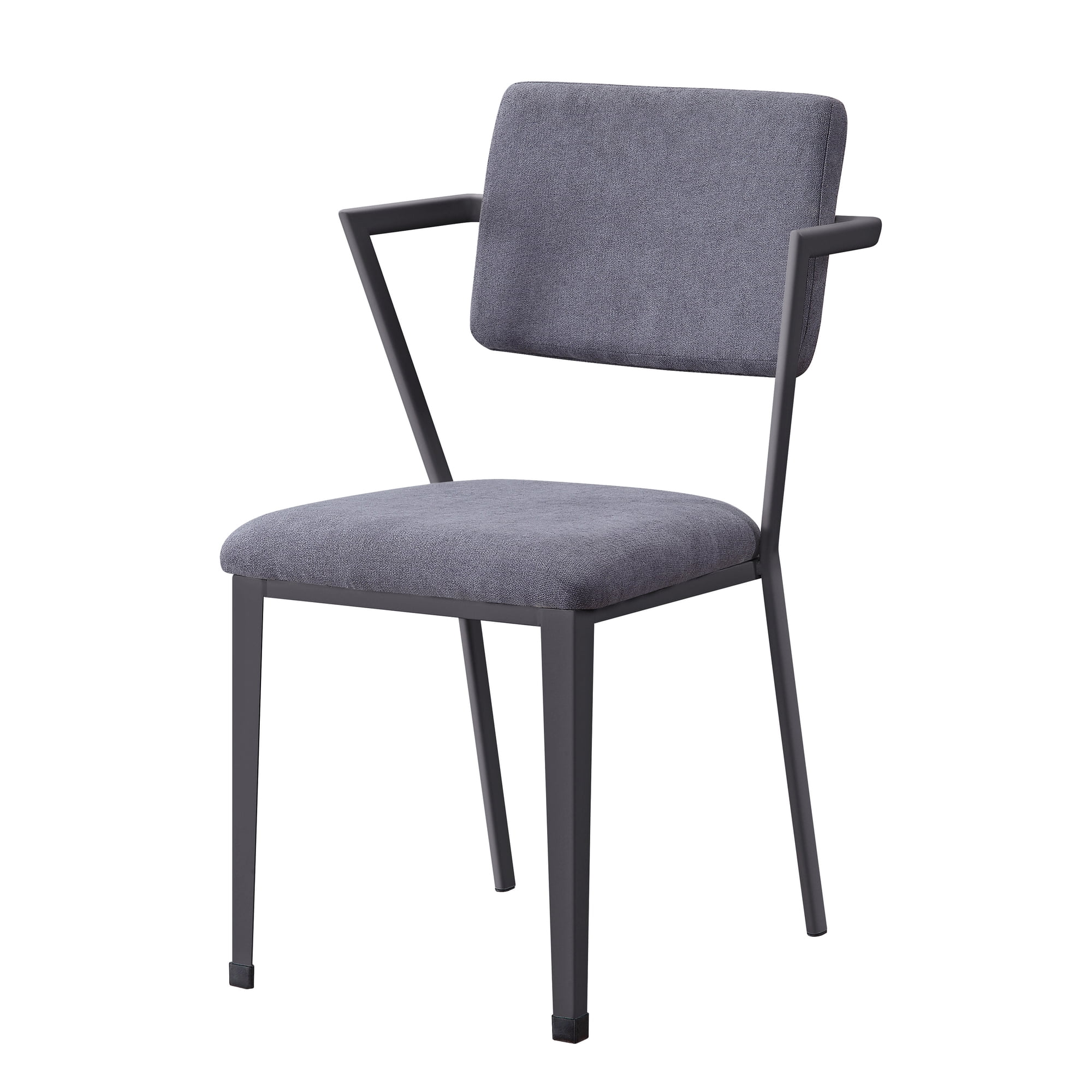
- Performance Fabric / Wool: This is where modern design shines. Designers are using high-quality fabrics in bold colors and unique textures (like boucle or tweed) to create chairs that feel like accent pieces. These fabrics are also durable and stain-resistant.
- Sustainable Wood Accents: Chairs that incorporate natural wood (on the base or armrests) bring warmth and an organic, Scandinavian feel to your workspace, blending ergonomics with biophilic design.
2. Color and Silhouette: Beyond Basic Black
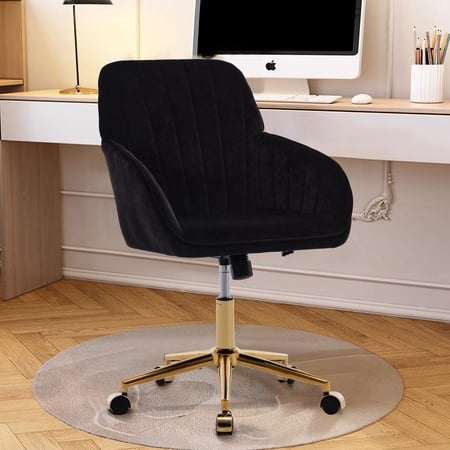
While black is always a safe and professional choice, the market for an ergonomic office chair that looks good now includes a spectrum of colors. You can find chairs in deep navy, forest green, warm terracotta, or even soft blush pink. The silhouette also matters. Some chairs feature a sleek, low-profile back, while others have a dramatic, wingback design. Consider the overall style of your room—is it modern, traditional, or eclectic?—and choose a chair that complements it.
3. Discrete Ergonomic Adjustments
The hallmark of a truly well-designed chair is that its functionality doesn't ruin its looks. High-end chairs now hide adjustment levers, tension knobs, and lumbar supports within the chair's frame. Instead of looking like a piece of machinery, the adjustments are integrated seamlessly, so you get a full range of ergonomic customization without visual clutter.
How to Choose Your Ideal Stylish Ergonomic Chair: A 3-Step Framework
Navigating the options can be overwhelming. Use this simple framework to find your perfect match.
Step 1: Define Your Dominant Aesthetic
What is the vibe of your office?
- Modern Minimalist: Look for chairs with clean lines, mesh backs, polished aluminum bases, and neutral colors like grey, white, or black.
- Classic/Traditional: A high-back leather chair with a walnut base and subtle stitching is your best bet. It communicates stability and timeless style.
- Mid-Century Modern: Seek out chairs with wood accents (especially teak or walnut), tapered legs, and upholstery in vibrant colors or textured fabrics.
- Eclectic/Bold: Don't be afraid to choose a chair in a statement color like mustard yellow or emerald green, or one with a unique, sculptural form.
Step 2: Prioritize Your Ergonomic Needs
What does your body require?
Step 3: Find the Intersection
Now, combine your aesthetic from Step 1 with your ergonomic requirements from Step 2. This is your "sweet spot." For example, if you love a minimalist look (Step 1) but need advanced lumbar support (Step 2), you would search for a "minimalist mesh chair with adjustable lumbar." This targeted approach will narrow down the hundreds of options to a select few that truly fit your life.
Frequently Asked Questions About Stylish Ergonomic Chairs
Conclusion: Invest in a Chair That Works for You and Your Space
The search for an ergonomic office chair that looks good is no longer a compromise. It's an exciting opportunity to invest in a piece of furniture that supports your physical health and enhances your daily environment. By considering your personal style as carefully as you consider adjustable lumbar support and seat depth, you can create a workspace that is not only productive but also a true reflection of you.
Remember, this is a long-term investment. A quality chair will serve you for a decade or more. Taking the time to find the perfect balance between form and function is one of the best decisions you can make for your career and your well-being. Explore the top picks above to start your journey toward a more comfortable and stylish workspace.