
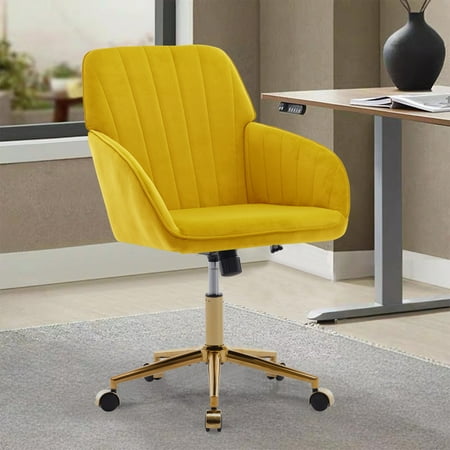
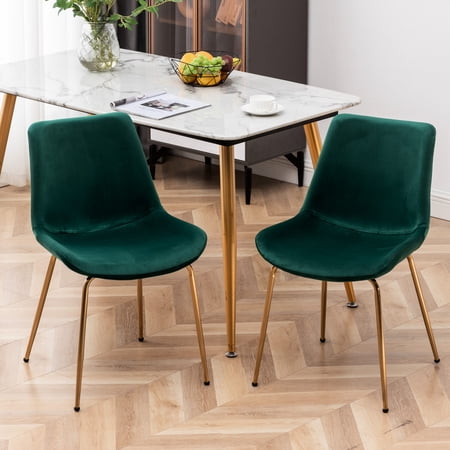
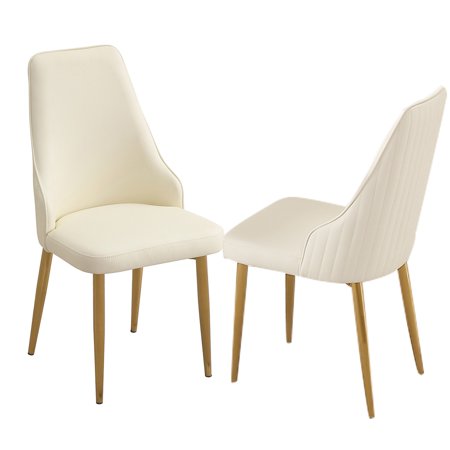
Navigating the Universe of Different Office Chairs
Imagine walking into a car dealership and being told, "They all have four wheels – just pick one." You'd miss the nuance between a rugged SUV and a sleek sports coupe. Similarly, the world of different office chairs is vast and varied. Choosing the right one isn't just about sitting; it's about aligning your chair with your body, your work habits, and your aesthetic. This guide is your roadmap through that universe.
Did You Know? According to a study by the Facilities Management Journal, an employee spends an average of 1,700 hours per year in their office chair. The wrong chair can contribute to a 40% increase in musculoskeletal complaints, while the right one can boost productivity by up to 17.5%.
1. The Main Families of Office Chairs
Let's break down the primary categories. Each family of chairs serves a distinct purpose, much like different tools in a toolbox.
Ergonomic / Task Chairs
The workhorses of the office. These prioritize adjustability and support. Think of them as the "athletic shoes" of seating – designed for performance. Key features: adjustable lumbar support, seat depth, armrests, and tilt mechanisms. They are ideal for anyone typing for hours.
Executive Chairs
The "business suits" of the chair world. High-backed, often upholstered in premium leather, with plush cushioning. They project authority and are designed for managers or those who want a commanding presence. They often include a headrest for leaning back during deep thought.
Conference / Guest Chairs
These are for short-term seating – in meeting rooms or for visitors. They are usually stationary (no wheels) or have simple casters, prioritize style and compactness, and are less about ergonomic complexity and more about aesthetics and stacking ability.
Specialty Chairs
This category includes niche designs: kneeling chairs for an alternative posture, saddle chairs for a more open hip angle, gaming chairs with high backs and aggressive styling, and big & tall chairs with reinforced frames and wider seats for larger individuals.
2. Material Matters: Leather, Mesh, or Fabric?
The material dictates comfort, durability, and maintenance. Here’s how to decide between the most common options for different office chairs.
Leather (Genuine & Faux)
- Pros: Exudes professionalism; extremely durable (genuine leather can last decades); easy to wipe clean; molds to your body over time.
- Cons: Can be hot and sticky in summer; cold in winter; requires conditioning; high-quality leather is expensive.
- Best For: Executive offices, client-facing roles, and those who prioritize a classic, sophisticated look.
Mesh
- Pros: Unmatched breathability – your back stays cool; modern, sleek appearance; lightweight; often more affordable than high-end leather.
- Cons: Can lack plush comfort; mesh can sag over time; less formal appearance; can be harder to clean deeply.
- Best For: Hot climates, long-hour workers who sweat, modern office aesthetics, and ergonomic task chairs.
Fabric
- Pros: Wide variety of colors and textures; comfortable and soft; generally affordable; good breathability (depending on weave).
- Cons: Prone to staining; can trap odors and allergens; wears out faster than leather.
- Best For: Home offices, creative environments, and when you want a specific color to match your decor.
Leather vs. Faux Leather
- Genuine Leather: An investment that ages beautifully. Look for "top-grain" for the best quality.
- Faux Leather (PU/PVC): A budget-friendly alternative that looks similar but is less durable and can peel or crack after a few years. Good for low-use guest chairs.
3. Key Ergonomic Features Across Different Chairs
Regardless of the type, certain features define a chair's ability to support you. When comparing different office chairs, use this checklist:
- • Adjustable Lumbar Support: The most critical feature. It should support the natural curve of your lower back. Look for both height and depth adjustment.
- • Seat Depth Adjustment: Ensures there's a 2-3 finger gap between the back of your knee and the seat pan, preventing circulation issues.
- • Armrest Adjustability (4D): Ideally, armrests should move up/down, forward/back, side-to-side, and pivot. This allows your shoulders to relax while typing.
- • Tilt Mechanism & Tension Control: A synchronized or multi-position tilt lets you recline naturally. Tension control adjusts how easy it is to rock back, accommodating your weight.
- • Headrest: Essential for executives or anyone who leans back to read, think, or take calls. It supports the neck and prevents "text neck" strain.
4. How to Match the Chair to the User
Choosing from the many different office chairs becomes easier when you consider the primary user's profile.
The 9-to-5 Desk Worker
Need: All-day comfort and adjustability. Recommendation: A high-quality ergonomic mesh task chair with adjustable lumbar, seat depth, and armrests. Breathability is key for long hours.
The Manager / Executive
Need: A blend of comfort and authority. Recommendation: A leather high-back executive chair with a headrest and plush cushioning. It should still offer good lumbar support for health.
The Home Office Hybrid
Need: Style that fits the living space, plus decent comfort. Recommendation: A stylish fabric or leather task chair with a modern, less "corporate" design. Don't sacrifice lumbar support for looks.
The Big & Tall Individual
Need: Durability and space. Recommendation: A heavy-duty big and tall chair rated for 400+ lbs, with a wider seat (22+ inches) and a reinforced base and gas cylinder.
The Meeting Room / Guest
Need: Aesthetics and stackability. Recommendation: A comfortable but compact guest chair (fabric or leather) without wheels, or with simple casters, that complements the room's decor.
5. The Price Spectrum: What to Expect
Different office chairs come at vastly different price points. Understanding the tiers helps set a realistic budget.
Budget
Basic task chairs, simple guest chairs. Often lack robust ergonomics and durability. Best for short-term or very occasional use.
Mid-Range
The sweet spot for many. Good ergonomic task chairs, decent fabric/leather executive chairs. You'll find essential adjustments and better materials.
Premium
High-end ergonomic chairs (e.g., Steelcase, Herman Miller), top-grain leather executive chairs. Superior engineering, advanced adjustments, and 10+ year warranties.
Luxury
Designer pieces, custom-upholstered chairs, or the pinnacle of ergonomic design. The focus is on exclusivity and the absolute best materials and craftsmanship.
Remember, a chair is an investment in your health. As the saying goes, "A good office chair is like a good friend – supportive, reliable, and always there for you." Choose wisely.
Frequently Asked Questions About Different Office Chairs
Conclusion: Finding Your Perfect Seat
The world of different office chairs is rich with options. There is no single "best" chair, only the best chair for *you*. By understanding the categories—ergonomic task chairs for function, executive chairs for presence, and specialty chairs for specific needs—you can make an informed decision.
Prioritize your health by never compromising on lumbar support. Consider your work style: do you fidget (need a dynamic chair) or sit still (need plush comfort)? And finally, view it as a long-term investment. A thoughtful choice today pays dividends in comfort and productivity for years to come. Explore the selections above to find your perfect match.